 how-to
Finding Reliable Cat Sitting for Special-Needs Seniors
Table of Contents
- Why In-Home Cat Sitting Matters for Senior and Special-Needs Cats
- How to Find and Compare Local Pet Sitters for Your Senior Cat
- Essential Questions to Ask During a Cat Sitter Meet and Greet
- Recognizing Signs of Anxiety in Cats and How Sitters Can Help
- Creating a Cat Sitting Instructions Template for Medication and Daily Care
- Cat Sitter Medication Administration: What You Need to Know
- Pricing, Service Options, and What to Expect from Professional Care
- Preparing Your Home and Building Trust Before Your First Visit
- Frequently Asked Questions
Last Updated: October 16, 2026
Why In-Home Cat Sitting Matters for Senior and Special-Needs Cats
Senior and special-needs cats need consistent, familiar care beyond feeding and litter. When you travel, finding reliable cat sitting for special needs seniors is essential to their physical health and emotional stability.
Unlike boarding facilities, in-home visits keep your senior cat in the space where they feel safest, critical for cats with anxiety, mobility challenges, or daily medication needs. A trustworthy sitter can monitor subtle behavioral changes, administer treatments on schedule, and provide companionship.
How to Find and Compare Local Pet Sitters for Your Senior Cat
Finding a trustworthy pet sitter starts with knowing where to look and what to evaluate. Local directories, community recommendations, and professional services each have different strengths for special-needs seniors.
Ask your veterinarian for referrals first. They know which sitters understand geriatric cat care and chronic conditions, and clinics often keep lists of trusted sitters. This recommendation carries more weight than online reviews because it comes from someone who knows your cat's medical history.
Next, check community Facebook groups, neighborhood apps, and local pet owner forums. Neighbors who've used a sitter for their own senior cats provide honest feedback on reliability and how sitters handle anxious or medically complex animals.
Professional platforms exist, but vet referrals and word-of-mouth tend to surface sitters with deeper geriatric and special-needs experience.
| Sourcing Method | Best For | Verification Level | Typical Timeline |
|---|---|---|---|
| Vet referrals | Medical expertise and trust | High (vet-vetted) | 1-2 weeks |
| Community recommendations | Local reliability and experience | Medium (peer-reviewed) | 1-2 weeks |
| Professional platforms | Larger selection and background checks | Medium (platform-verified) | 3-7 days |
| Personal networks | Detailed feedback and history | High (direct experience) | Variable |
When comparing sitters, ask specifically about their experience with senior cats and special-needs animals. A sitter who's comfortable with medication administration, mobility assistance, and behavioral monitoring will handle your geriatric cat far more confidently than someone who's only cared for young, healthy animals.
Essential Questions to Ask During a Cat Sitter Meet and Greet
The meet and greet is where you assess whether a sitter truly understands finding reliable cat sitting for special needs seniors. Use it to evaluate their knowledge, observe your cat's response, and establish clear communication.
Ask about their experience with senior cats specifically: how many geriatric cats, what age range, and whether they've handled anxiety, mobility issues, or chronic illness. Vague answers signal a lack of specialized knowledge.
Ask how they'd handle your cat's specific condition: mobility help for arthritis, their process for medication administration, storage, and documentation, or how they'd build trust with an anxious cat and keep it eating and hydrated.
Observe how your cat reacts. A good sitter respects your cat's comfort level, doesn't force interaction, and understands that trust takes time with anxious or special-needs animals.
Ask about communication: will they send daily updates, and how quickly can they respond if something seems wrong? For a senior cat with medical needs, you need immediate alerts about changes in appetite, behavior, or health.
Discuss their backup plan: what happens if they get sick or have an emergency, and is there a colleague who can step in? Continuity of care matters enormously for special-needs seniors.
Recognizing Signs of Anxiety in Cats and How Sitters Can Help
Senior cats with anxiety often show subtle behavioral shifts that inexperienced sitters miss. Knowing these signs helps your sitter recognize stress and respond appropriately.
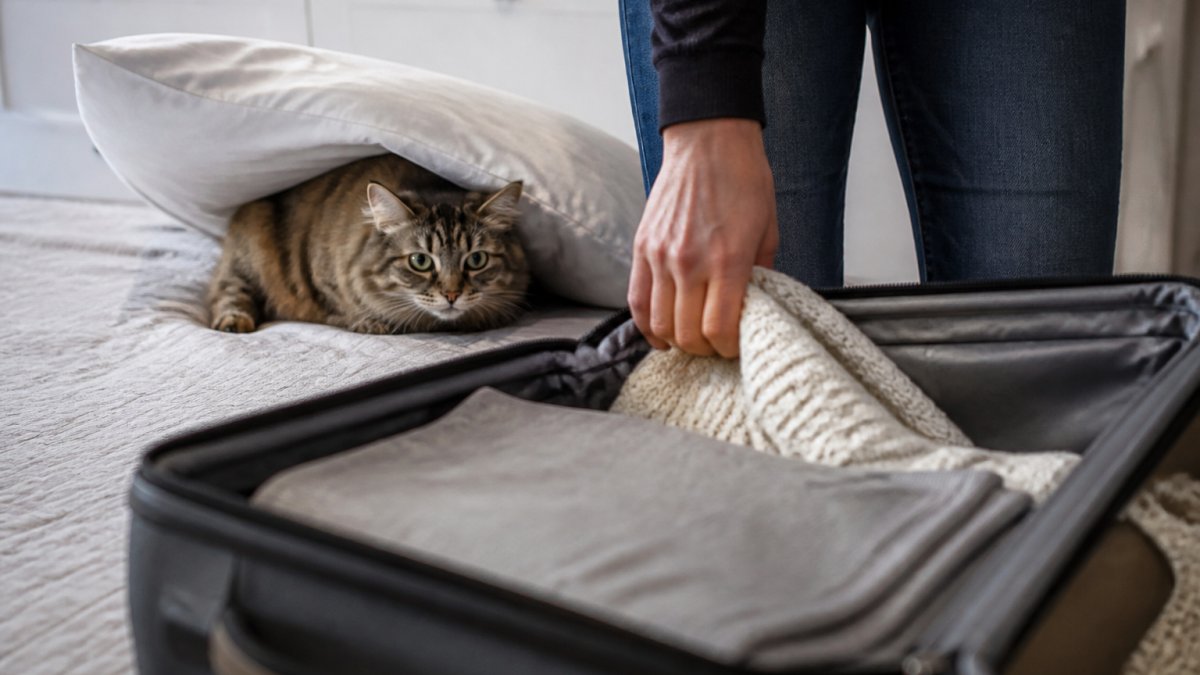
Common signs include excessive hiding, loss of appetite, excessive vocalization, elimination outside the litter box, and overgrooming. Some cats become clingy; others withdraw. A reliable sitter recognizes these behaviors and responds without adding stress.
An anxious senior cat may hide for hours or days. A good sitter won't force interaction; they'll place food, water, and litter boxes in accessible locations, let your cat emerge on their own timeline, and check in regularly without cornering or chasing.
Anxious cats respond well to consistent routine and quiet presence. Your sitter should maintain your exact schedule, feeding, playtime, medication, and follow your cat's usual interaction style, since unpredictability increases anxiety.
Medication can help anxious seniors, but calm, patient behavioral support from a sitter is equally important, it creates an environment where your cat feels safer in your absence.
Creating a Cat Sitting Instructions Template for Medication and Daily Care
A detailed, written cat sitting instructions template prevents misunderstandings and ensures consistent care. It becomes the reference point for every visit, especially with medication or special handling.
Start with basics: your cat's name, age, medical conditions, and your vet's name and emergency number.
Document feeding precisely: food type, portion size, feeding times, and special dietary needs. Note softened food for dental issues, and specify the exact product and amount for prescription diets.
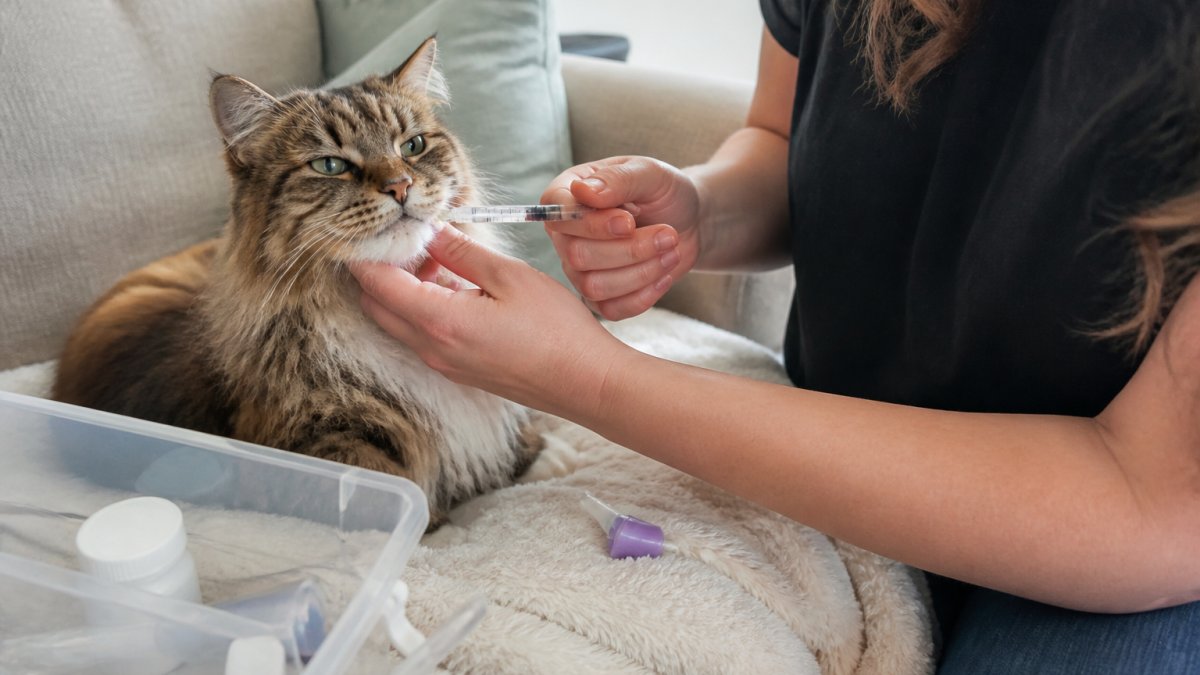
Create a medication section with step-by-step instructions for each medication: name, dosage, frequency, administration method, and special handling. For injections, include storage, preparation, and exactly where and how to administer.
Add a daily routine section: feeding times, playtime or quiet time, and favorite resting spots. Senior cats thrive on predictability, so documenting routine helps your sitter maintain stability.
Include a health monitoring section listing signs that warrant immediate veterinary attention, appetite changes, vomiting, difficulty urinating, excessive lethargy, behavioral changes, and clear instructions on when to contact you versus go straight to the emergency vet.
Finally, add a communication section: how often to check in, the best way to reach you, and which decisions they can make independently versus which need your approval.
A comprehensive cat sitting instructions template removes guesswork and gives your sitter the confidence to provide excellent care for your special-needs senior.
Cat Sitter Medication Administration: What You Need to Know
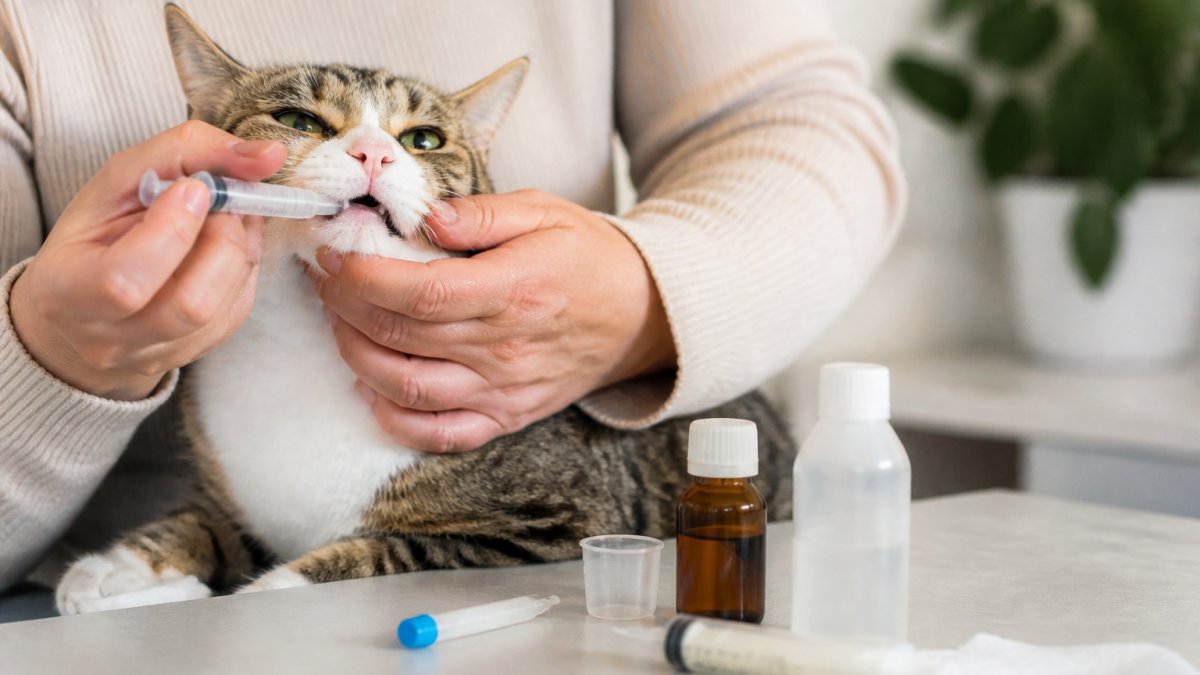
Medication administration is one of the most critical responsibilities a pet sitter takes on for a senior cat. Whether your cat needs daily insulin, heart medication, antibiotics, or pain relief, your sitter must understand the importance of accuracy and timing.
Before your sitter administers medication, ensure they're fully trained. Walk them through the process multiple times, showing exactly how to prepare, administer, and document it. For injectables like insulin, have them practice with you present until they're confident and consistent.
Discuss potential side effects or reactions. What should your sitter do if your cat refuses medication or vomits after taking it? Should they attempt to re-administer, or contact you first? Clear protocols prevent panic and ensure appropriate responses.
Storage matters significantly. Some medications require refrigeration, others must stay at room temperature. Some are light-sensitive or time-sensitive. Your sitter needs to know exactly where and how to store each medication to maintain its effectiveness.
Documentation is essential. Your sitter should record the date, time, medication name, dosage, and administration method for each dose, helping you and your vet track consistency and spot patterns if side effects develop.
For insulin and other critical medications, consider asking your sitter to text you a photo confirmation after administration.
If medication administration makes you nervous, raise it during your meet and greet. A qualified sitter will understand and provide extra reassurance and detailed documentation.
Pricing, Service Options, and What to Expect from Professional Care
Understanding pricing and service options helps you make an informed decision about what level of care your senior cat needs and what fits your budget.
Tracy's Kitty Care's cat sitting service offers 30-minute visits that include feeding, fresh water, litter box cleaning, and playtime or attention for your cat. For a senior cat with basic needs, daily visits during your absence ensure consistent care and monitoring.
Consider how often your cat needs care. For a weekend, daily visits maintain routine. For a week or longer, twice-daily visits may be necessary for senior cats on medication schedules or with conditions requiring frequent monitoring.
Ask about additional services: medication administration and care adjusted to your cat's daily condition. These often justify higher pricing through peace of mind and better outcomes for your special-needs senior.
Compare pricing carefully, but don't choose on cost alone. A less experienced sitter may cost you more in stress and health complications; a sitter with detailed care, medication expertise, and reliable communication is an investment in your cat's wellbeing.
Ask about cancellation policies and last-minute changes: can you cancel without penalty, and what's the notice period? For senior cats with special needs, flexibility matters because health situations can change unexpectedly.
Preparing Your Home and Building Trust Before Your First Visit
The environment you create and the trust you establish before your first visit significantly impact how well your senior cat adjusts to having a pet sitter.
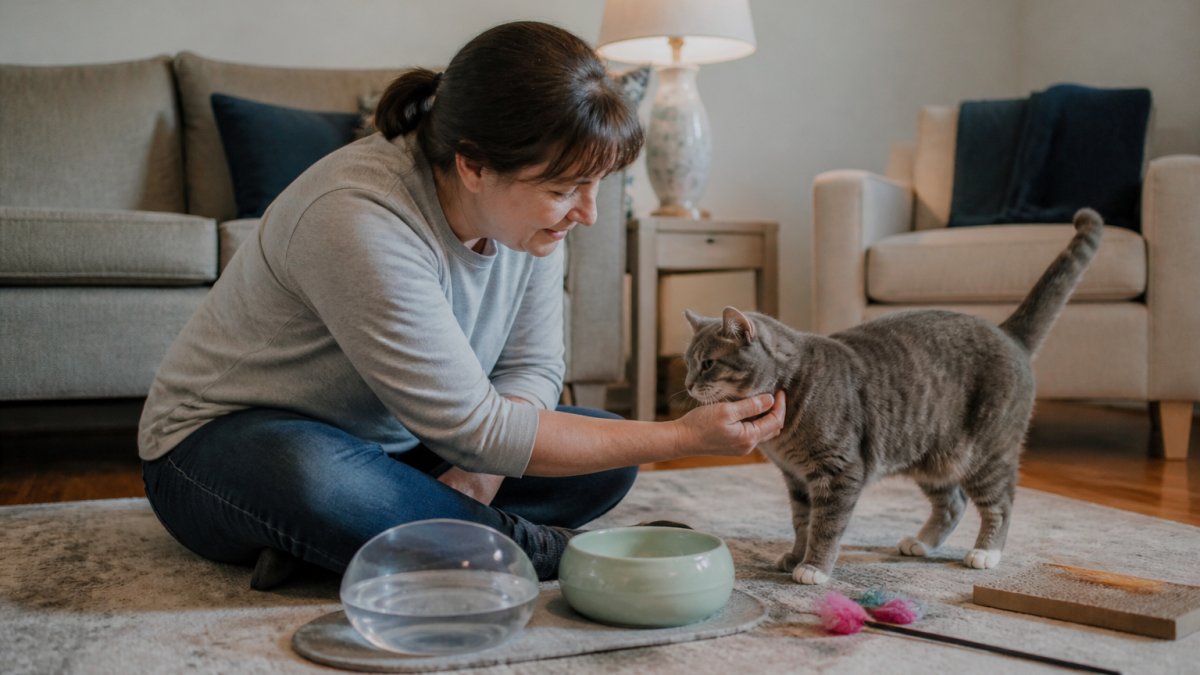
Set up your home for easy access. Place food, water, and litter boxes in accessible, low-traffic locations.
Create a comfortable space where your cat can retreat. Senior cats often prefer quiet, familiar spots.
Schedule a trial visit before you travel.
During trial visits, observe how your sitter interacts with your cat. Do they move calmly and speak quietly? Do they respect your cat's boundaries if they seem hesitant?
Leave detailed written instructions in an obvious location, not just digitally. Include your vet's information, emergency contact numbers, and any special notes about your cat's behavior or needs.
Stock supplies your sitter might need: extra litter, cleaning supplies, paper towels, and backup medications.
Finally, establish communication expectations before you leave: daily text updates, response times if something seems wrong. Clear expectations prevent miscommunication and anxiety while you're away.
Building trust with your sitter takes time, but it pays off in peace of mind and better care for your special-needs senior cat.
Finding reliable cat sitting for special needs seniors requires careful vetting, clear communication, and a sitter who genuinely understands geriatric feline care.
Frequently Asked Questions
What should I ask a cat sitter before hiring them to care for my senior cat?
Ask about their experience with senior cats and special-needs pets, whether they're background-checked, licensed, bonded, and insured, and how they handle medication administration. Request references from other cat owners and clarify their protocol for emergencies. Discuss visit duration, daily routines, and how they'll monitor your cat's health and behavior. A trustworthy sitter will answer these questions thoroughly and offer a meet-and-greet before your first trip.
Can a cat sitter give medication to my senior cat?
Yes, professional cat sitters can administer medication if properly trained. During your consultation, provide detailed written instructions with medication names, dosages, times, and administration method. Show the sitter exactly how to give the medication during a trial visit. Keep emergency contact information and your veterinarian's details readily available. Many sitters, especially those who specialize in senior and special-needs cats, have experience with insulin injections, pills, and topical treatments.
How much does professional cat sitting cost compared to boarding facilities?
Professional in-home cat sitting typically costs $30 per 30-minute visit, which includes feeding, fresh water, litter box cleaning, and playtime. This is often comparable to or less expensive than boarding facility fees, while keeping your cat in their familiar home environment. For senior cats with special needs, the reduced stress and personalized care often justify the investment. Many sitters offer package rates for multiple visits or extended stays.
How can I help my anxious senior cat feel safe with a new sitter?
Schedule a meet-and-greet visit before you travel so your cat can become familiar with the sitter in a low-pressure setting. Ask the sitter to move slowly, speak softly, and let your cat approach them rather than forcing interaction. Provide detailed written instructions about your cat's comfort zones, hiding spots, and preferred handling. Leave familiar items like blankets or toys with your scent. Request that the sitter sends updates or photos during visits to reassure you and help monitor your cat's adjustment.