 how-to
Cat Sitting for Medically Complex Cats: A Complete Guide
Table of Contents
- Why Medically Complex Cats Need Specialized Care
- Cat Sitter for Medication Administration: What You Need to Know
- How Often Should a Cat Sitter Visit Your Medically Complex Cat
- Creating a Cat Sitting Instructions Template for Medical Care
- Developing a Cat Sitter Emergency Plan
- Screening and Qualifying Your Cat Sitter
- The Meet and Greet: Preparing Your Cat for a New Sitter
- Frequently Asked Questions
Last Updated: October 19, 2026
Why Medically Complex Cats Need Specialized Care
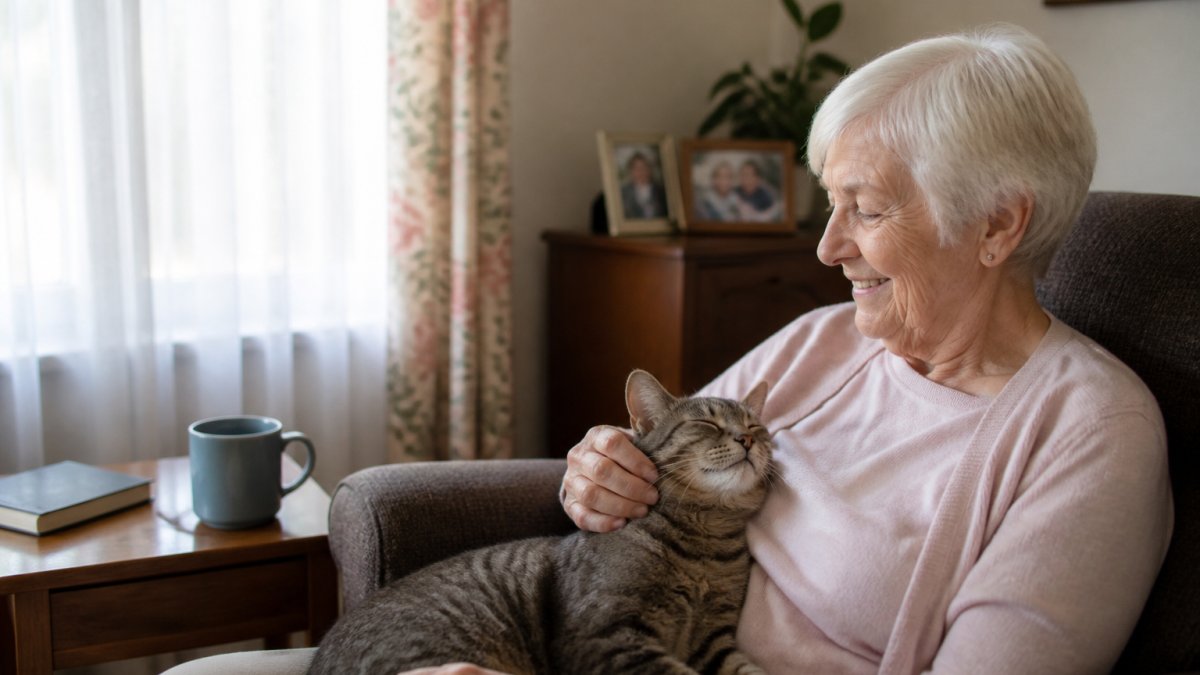
Caring for cat sitting medically complex cats with medical needs requires more than basic feeding and litter box maintenance. Cats with conditions like diabetes, hyperthyroidism, chronic kidney disease, or behavioral anxiety need consistent, knowledgeable care when their owners travel.
This is where specialized cat sitting for medically complex cats becomes essential. At Tracy's Kitty Care, we understand that your cat's health depends on precise care routines and immediate attention to changes in behavior or appetite.
The difference between adequate care and excellent care often comes down to preparation. A sitter who has never administered insulin injections, monitored fluid intake, or recognized signs of urinary blockage may miss critical warning signs. Your cat's survival and comfort depend on finding someone trained to manage these responsibilities.
Cat Sitter for Medication Administration: What You Need to Know
Not all cat sitters are qualified to handle medication. Before booking anyone to care for your medically complex cat, you need to understand what medications your sitter can safely administer and what training they require.
Types of Medications Sitters Can Handle
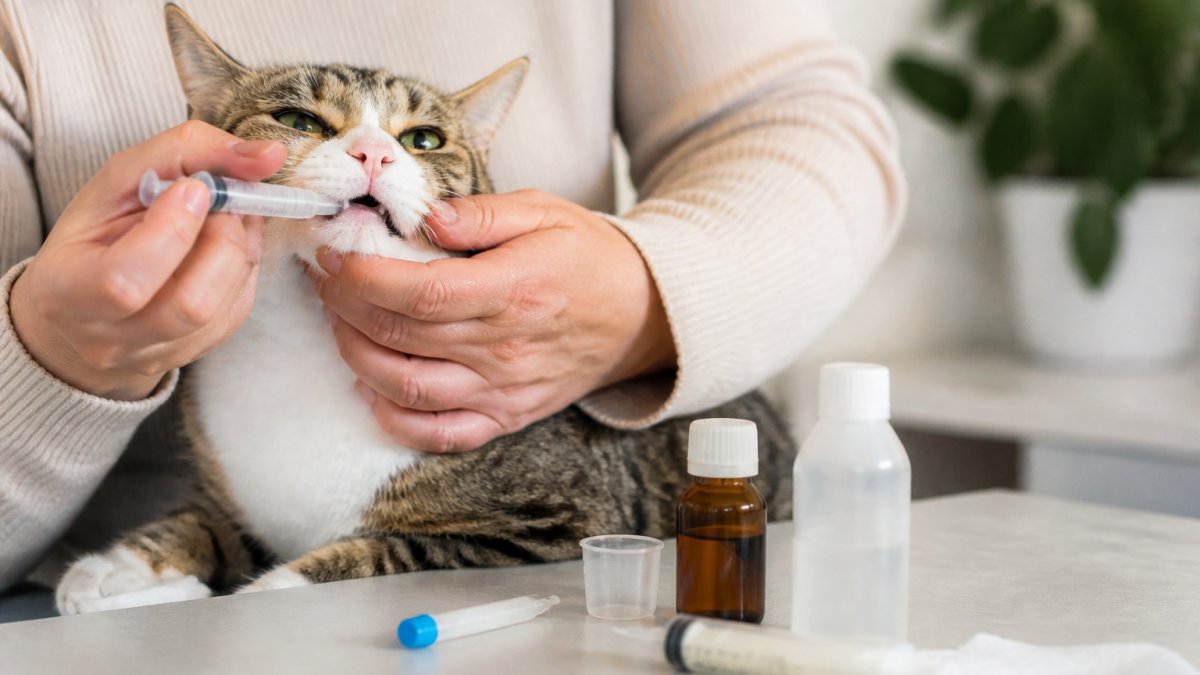
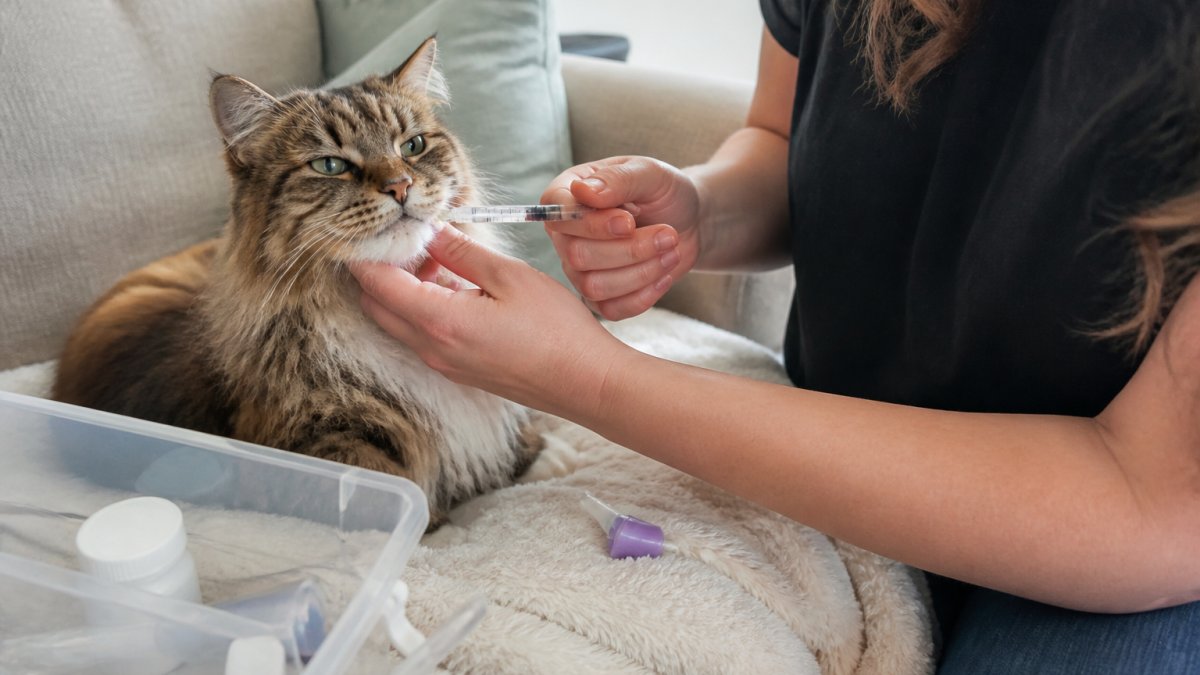
Most experienced cat sitters can manage oral medications (pills, tablets, or liquid medications given by mouth) if they receive clear written instructions and practice with the owner present. Topical medications applied to the skin or ears are similarly straightforward. Subcutaneous injections, like insulin shots given under the skin, require more training but are manageable for sitters with veterinary experience or formal instruction.
Intravenous medications and complex inhalant treatments demand clinical expertise beyond typical pet sitting. If your cat requires these, discuss your options with your veterinarian before assuming a home sitter can handle the task. Some cats need medications administered at precise times; others have flexibility within a window. Your sitter needs to understand this distinction clearly.
Training and Liability
A qualified cat sitter should have hands-on training before administering any medication. This typically involves watching a demonstration, practicing with your cat under your supervision, and receiving written step-by-step instructions specific to your cat's needs. Never assume a sitter knows how to give injections or administer medications without explicit confirmation and practice.
Insurance and liability matter here. Reputable sitters carry bonding and liability coverage that protects both you and them if something goes wrong during medication administration. Before hiring, ask directly about their insurance and whether it covers medication administration. Tracy's Kitty Care sitters are background-checked, licensed, bonded, and insured, which provides critical protection for medication-related care.
How Often Should a Cat Sitter Visit Your Medically Complex Cat
Visit frequency depends entirely on your cat's medical condition and medication schedule. A cat on twice-daily insulin needs two visits per day. A cat taking oral medication once daily may need only one visit. The question is not how often sitters typically visit, but how often your specific cat's health requires attention.
Visit Frequency by Medical Condition
Cats with diabetes, hyperthyroidism, or conditions requiring twice-daily medication need two visits per day, ideally spaced roughly 12 hours apart. Morning and evening visits align with most cats' natural feeding times and medication schedules. Cats on once-daily medications may need only a single daily visit, though some owners prefer two visits for peace of mind and to ensure their cat is eating and using the litter box normally.
Cats recovering from surgery, managing chronic pain, or dealing with behavioral anxiety may benefit from more frequent visits even if medication schedules don't strictly require it. Frequent contact helps monitor recovery, reduces stress from isolation, and catches complications early. Some cats thrive with a 20-minute visit once daily; others need 30-minute visits twice daily to maintain stability.
Scheduling and Consistency
Consistency matters more than frequency. A cat on insulin at 7 a.m. and 7 p.m. needs visits at those times, every day, without variation. Cats with medical conditions thrive on routine. Changing visit times by even an hour can disrupt medication absorption, feeding schedules, and the cat's sense of security. When booking a sitter, confirm they can commit to consistent timing and have a backup plan if they become unavailable.
Tracy's Kitty Care cat sitting service includes 30-minute visits that cover feeding, fresh water, litter box cleaning, and playtime. For cats requiring medication administration, these visits can be scheduled at the precise times your veterinarian recommends, ensuring your cat's health routine stays on track while you're away.
Creating a Cat Sitting Instructions Template for Medical Care
The most common mistake cat owners make is assuming their sitter knows what they know. A detailed, written instruction template prevents misunderstandings and gives your sitter confidence in handling your cat's medical needs.
Essential Information to Document
Your instruction template should include your cat's name, age, medical conditions, and current medications with dosages and administration methods. List your veterinarian's name, clinic address, phone number, and after-hours emergency clinic contact information. Include your own phone number, a trusted neighbor or friend as backup contact, and your cat's microchip number and registration details.
Document your cat's normal behavior, appetite, and bathroom habits so your sitter can recognize changes. Describe what your cat's litter box output should look like, how much food she typically eats, and whether she drinks from a bowl or water fountain. Note any behavioral quirks: does she hide when stressed, or does she demand attention? Is she food-motivated or treat-resistant? These details help your sitter know your cat as an individual, not just a patient.
Medication and Treatment Handoff
For each medication, write the name, dosage, frequency, and exact administration method. Include a photo of the medication bottle so your sitter can verify they're giving the right drug. Write out step-by-step instructions for injections, including where to inject, how to hold the syringe, and what to do if your cat resists.
Create a simple checklist your sitter can mark off after each visit: medication given, food offered, water refreshed, litter box scooped, cat behavior noted. This documentation protects both you and your sitter by creating a clear record of what happened while you were away. If your cat's condition changes, you'll know exactly when and can share that timeline with your veterinarian.
Developing a Cat Sitter Emergency Plan
Medical emergencies don't wait for business hours. Your sitter needs to know exactly what to do if your cat stops eating, vomits, has difficulty breathing, or shows signs of pain or distress.
Veterinary Coordination and Contact Protocols
Before your sitter's first visit, brief them on your veterinarian's emergency protocols. Does your vet offer after-hours phone consultations? What is the address and phone number of the nearest 24-hour emergency clinic?
Write a decision tree for your sitter: if your cat stops eating, call the vet. If your cat has difficulty breathing, go to the emergency clinic immediately. If your cat seems lethargic but is eating and using the litter box, call you first before making any decisions.
Provide your sitter with written permission to seek emergency veterinary care on your behalf if you cannot be reached. Include your credit card information or authorization for payment so your sitter is not financially responsible for emergency treatment.
Signs of Distress and When to Act
Your sitter needs to know the difference between normal cat behavior and signs of medical distress. Cats hide when they're stressed, but prolonged hiding combined with refusing food is a red flag. Vomiting once might be a hairball; vomiting multiple times in one day warrants a call to the vet. Difficulty breathing, seizures, inability to urinate, or collapse always require immediate emergency care.
Provide your sitter with a one-page list of concerning symptoms specific to your cat's condition. A diabetic cat showing confusion, trembling, or unresponsiveness may be experiencing dangerously low blood sugar. A hyperthyroid cat with rapid breathing or weakness needs evaluation. Your sitter should know these condition-specific warning signs and have clear instructions to seek emergency care if they appear.
Screening and Qualifying Your Cat Sitter
Finding the right sitter for a medically complex cat requires more vetting than hiring someone for a healthy pet. You're trusting this person with your cat's life.
Questions to Ask Before Booking
Ask directly about experience with cat sitting medically complex cats. How many cats with chronic conditions has the sitter cared for? What medications have they administered? Have they given injections before? Ask for specific examples and references from previous clients whose cats had similar medical needs.
Inquire about their training and certifications. Have they completed any veterinary assistant training, pet first aid, or medication administration courses? Some sitters pursue additional education specifically to care for senior or medically fragile cats. These credentials matter.
Ask about their backup plan if they become sick or unavailable. A professional sitter should have a trained substitute who can step in and follow your cat's medical protocol. This continuity of care is critical for cats on strict medication schedules.
Credentials and References
Request references from at least three previous clients, ideally ones whose cats had medical needs. Call these references and ask specific questions: Did the sitter follow medication instructions precisely? Did they communicate clearly about your cat's behavior and health? Did they handle emergencies calmly? Did they show genuine care for your cat's wellbeing?
Verify that your sitter is background-checked, bonded, and insured. These credentials indicate professionalism and provide recourse if something goes wrong. Tracy's Kitty Care sitters meet all these standards, giving you assurance that your medically complex cat is in trustworthy hands.
The Meet and Greet: Preparing Your Cat for a New Sitter
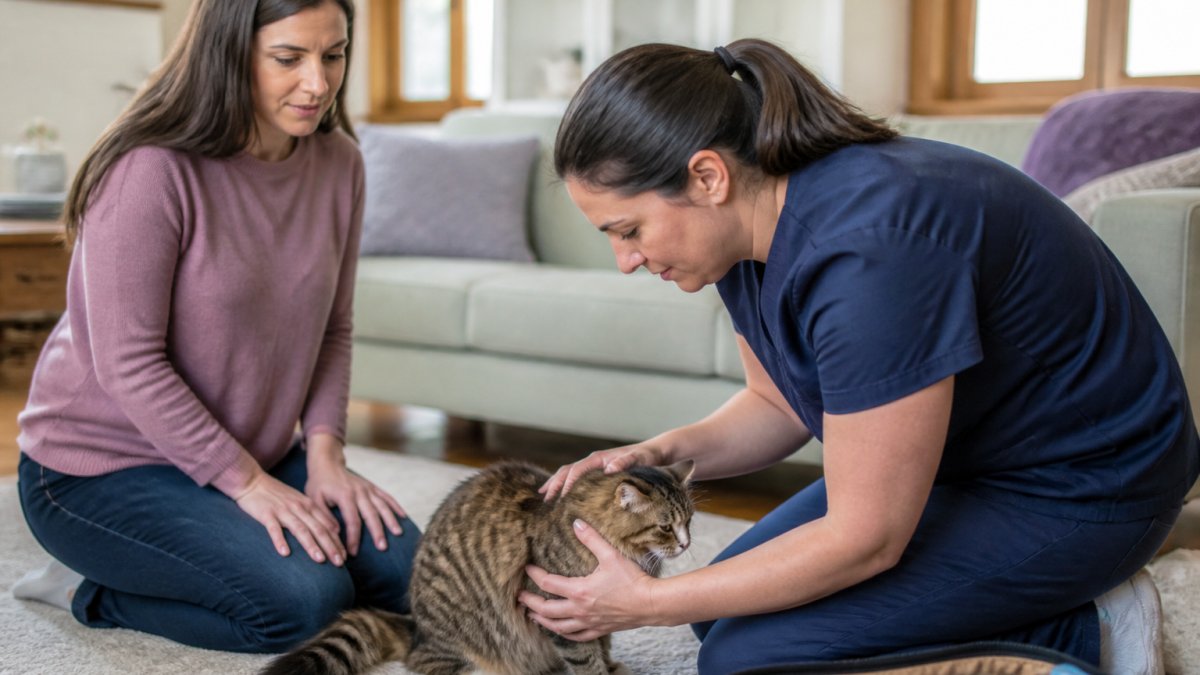
Before your sitter takes over your cat's care, schedule a meet and greet where you introduce them to your cat and walk through the entire care routine together.
During this visit, show your sitter exactly where medications are stored, how to prepare them, and how to administer them with your cat present.
Walk your sitter through your home and point out your cat's favorite hiding spots, food and water stations, and litter boxes.
This preparation time builds trust between your cat and sitter and gives you confidence that your medical care instructions will be followed correctly.
Finding the right cat sitter for a medically complex cat is one of the most important decisions you'll make as a pet owner.
Frequently Asked Questions
Can a cat sitter administer insulin injections and other medications?
Yes, experienced cat sitters can administer many types of medications, including insulin injections and oral medications. However, your sitter must have documented training, and you should verify their experience before booking. Tracy's Kitty Care sitters are background-checked and trained to handle medical needs. Always provide detailed written instructions and practice the handoff during a meet-and-greet to ensure your sitter is confident and your cat is comfortable with them.
How often should a medically complex cat be visited by a sitter?
Visit frequency depends on your cat's specific medical condition. Cats requiring twice-daily medication typically need two visits per day. Cats on once-daily medication may need daily visits or every other day, depending on your veterinarian's recommendations. Cats with chronic conditions like diabetes or kidney disease often benefit from daily check-ins to monitor water intake, appetite, and litter box habits. Discuss frequency with your vet and sitter to establish a schedule that keeps your cat safe and stable.
What should I include in a cat sitting instructions template for medical care?
Your template should include: your cat's name, age, and medical history; current medications with dosages and administration times; feeding schedule and dietary restrictions; veterinary contact information and emergency clinic details; your contact and backup emergency contact; signs of distress to watch for; authorization for emergency veterinary care; sitter updates you expect to receive; and your cat's behavior quirks and preferences. Organize this clearly in a printed document and keep a copy in an accessible location during your absence.
What should a cat sitter emergency plan include?
Your emergency plan should list your primary veterinarian and a 24-hour emergency clinic with addresses and phone numbers. Include written permission authorizing your sitter to seek emergency care and your willingness to cover costs. Specify which symptoms warrant immediate veterinary attention (difficulty breathing, seizures, loss of consciousness, severe lethargy). Provide a backup emergency contact who can authorize care if you're unreachable. Discuss the plan with your sitter during the meet-and-greet so they know exactly when and how to respond to a crisis.