 ultimate-guide
How to Find a Trustworthy Cat Sitter: 2026 Guide
Table of Contents
- Why Finding a Trustworthy Cat Sitter Matters
- Questions to Ask a Potential Cat Sitter
- Verify Credentials: Background Checks, Bonding, and Insurance
- The Cat Sitter Interview Checklist
- Understanding the Cat Sitter Daily Check-In Process
- Red Flags That Signal an Unreliable Cat Sitter
- Prepare Your Home and Set Clear Expectations
- Frequently Asked Questions
Last Updated: September 18, 2026
Why Finding a Trustworthy Cat Sitter Matters
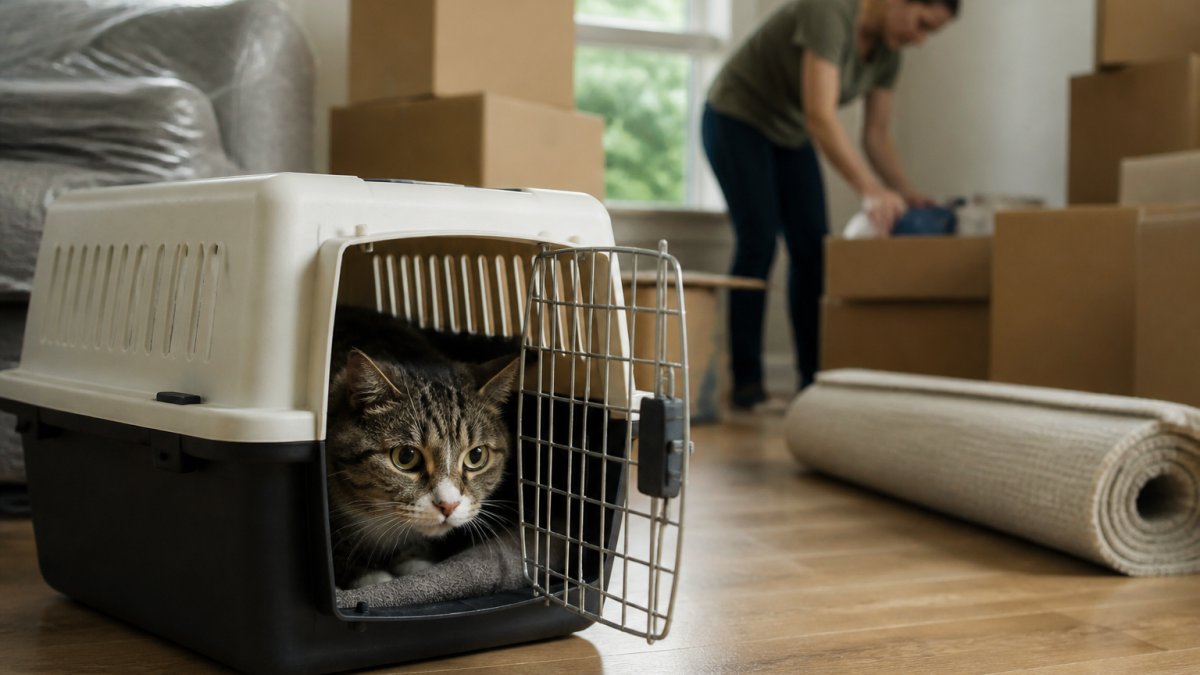
Your cat depends on you for safety, comfort, and care. When you travel, that responsibility doesn't disappear, it shifts to someone else. Finding a trustworthy cat sitter isn't just about convenience. It's about ensuring your feline companion receives the same attention and safety standards you'd provide yourself.
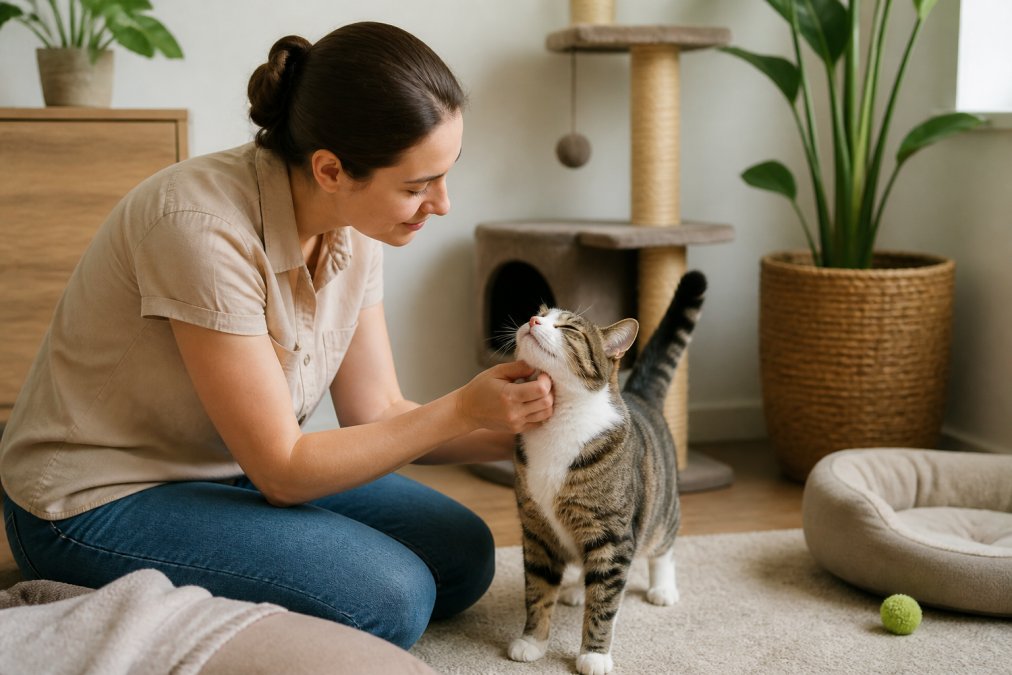
Cats are creatures of habit. They thrive in familiar environments with consistent routines. Unlike dogs, most cats don't adapt well to boarding facilities or unfamiliar handlers. A trustworthy cat sitter who visits your home maintains that stability. Your cat stays in the environment where she feels secure, eating from her own bowls, using her own litter box, and sleeping in her favorite spots.
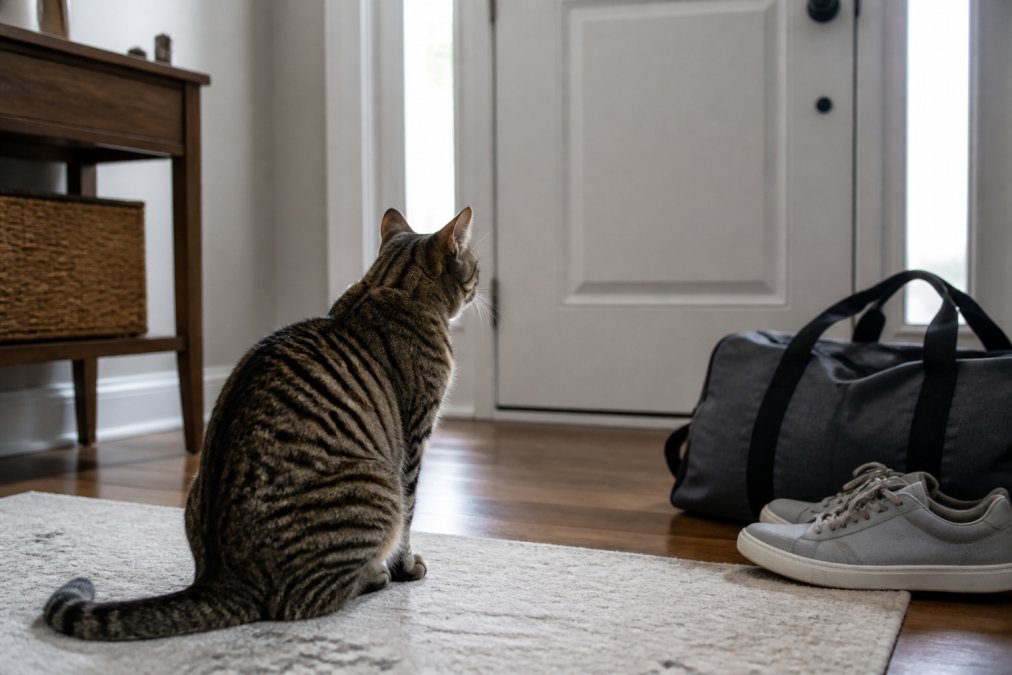
The stakes are higher than you might think. A careless sitter could leave doors open, miss medication doses, or fail to notice signs of illness. For cats with medical needs, insulin injections, thyroid medication, or behavioral issues, the wrong person creates real health risks. Even for healthy cats, an unreliable sitter causes unnecessary stress and anxiety.
Finding a trustworthy cat sitter means verifying credentials, asking the right questions, and trusting your instincts. This guide walks you through every step.
Questions to Ask a Potential Cat Sitter
The right questions reveal whether a cat sitter understands feline behavior and takes her work seriously. These aren't casual inquiries, they're your opportunity to assess competence and trustworthiness before handing over your keys.
Start with experience. Ask how long they've been sitting cats, how many cats they currently care for, and what age ranges they've handled. A sitter who specializes in cats understands that kittens, adult cats, and senior cats have different needs. Ask about their experience with shy or anxious cats specifically. Many cats hide from strangers. A good sitter knows how to approach a nervous cat without forcing interaction.
Move to practical knowledge. Ask how they handle feeding, portion sizes, dietary restrictions, wet food versus dry, and what they do if a cat refuses to eat. Ask about litter box care. How often do they scoop? Do they notice changes in bathroom habits? These details matter because changes in appetite or litter box behavior often signal illness.
Ask about their response to emergencies. What would they do if your cat seemed injured, ill, or in distress? Do they know your veterinarian's name and location? Would they contact you first or take action independently? A trustworthy sitter has a clear protocol and doesn't hesitate to seek veterinary care if needed.
Ask about communication. Will they provide daily updates? How do they share information, text, email, photos, or video? Some sitters send photos or brief videos showing your cat is safe and happy. This transparency builds confidence and gives you peace of mind while you're away.
Finally, ask about references. Request at least two to three client references you can contact directly. Don't skip this step. Speaking with previous clients reveals patterns about reliability, trustworthiness, and how the sitter handles real situations.
Verify Credentials: Background Checks, Bonding, and Insurance
A trustworthy cat sitter should have verifiable credentials. This isn't optional, it's your baseline for safety.
Background checks are the foundation. Ask whether the sitter has undergone a professional background check. A reputable sitter will have this documentation ready. Background checks reveal criminal history, which is critical information for someone entering your home and accessing your keys. Don't accept vague assurances. Ask for proof.
Bonding and insurance protect you if something goes wrong. Bonding means the sitter is covered by a surety bond that protects you financially if theft or damage occurs. Insurance covers liability, if the sitter is injured in your home or causes accidental damage. A professional, trustworthy cat sitter carries both. Ask to see certificates of insurance and bonding. These are standard in professional pet care.
Professional networks matter. Is the sitter affiliated with a pet-sitting agency or professional organization? Agencies typically vet their sitters more rigorously than independent operators. They have systems for accountability, backup sitters if someone cancels, and formal service agreements. Professional certifications, such as those from the National Association of Professional Pet Sitters, indicate commitment to industry standards.
Ask about their training. Have they completed pet first aid or CPR certification? Do they understand feline behavior and body language? A trained sitter recognizes stress signals in cats and knows how to respond appropriately. This knowledge prevents accidents and reduces your cat's anxiety during your absence.
When you hire through a professional cat sitting service, you're hiring accountability, not just availability. Every sitter is background-checked, licensed, bonded, and insured, maintaining standards because your peace of mind depends on verified trustworthiness.
The Cat Sitter Interview Checklist
A meet-and-greet interview is non-negotiable. This is where you assess trustworthiness in person and watch how the sitter interacts with your cat.
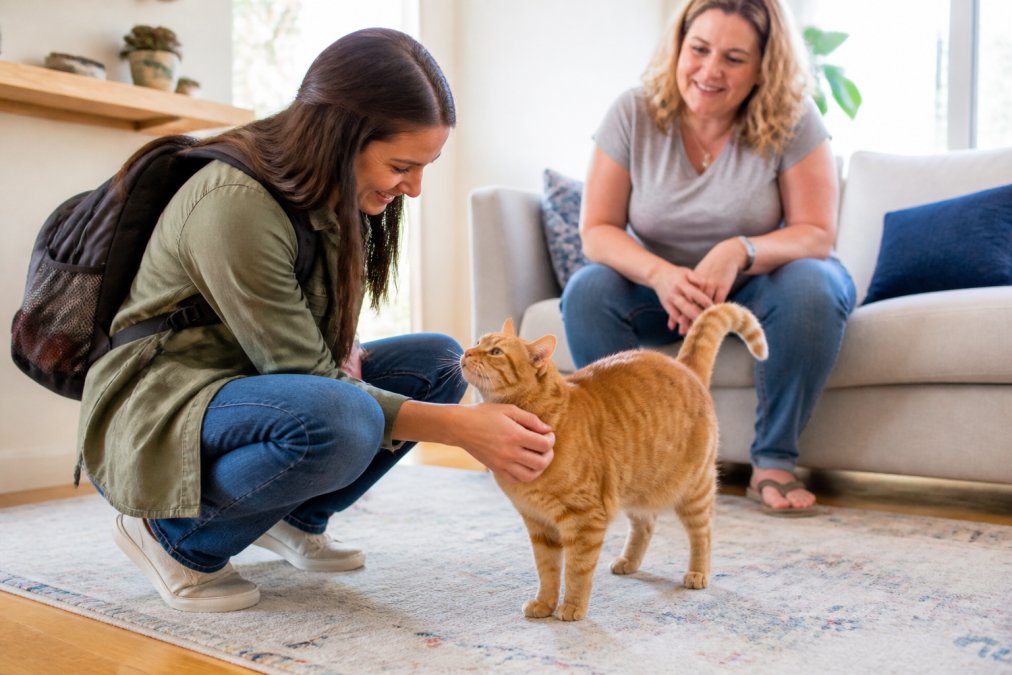
Schedule an in-person meeting before you hire. During this visit, observe how the sitter approaches your cat. Does she move slowly and let your cat come to her? Does she respect your cat's boundaries if she seems nervous? A trustworthy sitter doesn't force interaction. She reads the cat's body language and adapts her approach.
Use this checklist during the interview:
- Ask the sitter to walk through a typical visit: how long they spend, what they do first, how they check on your cat's health
- Watch how your cat reacts. Does she seem calm or stressed?
- Ask the sitter to demonstrate how she would administer medication if needed
- Discuss what constitutes an emergency and confirm they have your veterinarian's contact information
- Review your home's layout, key locations, and any security concerns
- Clarify cancellation policies, payment terms, and how they handle last-minute changes
- Ask about their backup plan if they become ill and can't visit
- Confirm their communication method and frequency of updates
Pay attention to your instincts. If something feels off, trust that feeling. A trustworthy sitter should be professional, calm, knowledgeable, and genuinely interested in your cat's wellbeing. She should ask questions about your cat's personality, preferences, and health history. If a sitter seems rushed, dismissive, or unwilling to answer questions, keep looking.
Understanding the Cat Sitter Daily Check-In Process
Daily updates matter. A trustworthy cat sitter maintains consistent communication throughout your absence, confirming your cat is safe and cared for.
A typical daily check-in process includes a visit to your home, usually 20 to 30 minutes, where the sitter feeds your cat, provides fresh water, cleans the litter box, and offers playtime or attention. During this visit, the sitter observes your cat's behavior and health. Is she eating normally? Is her litter box activity regular? Does she seem anxious or ill?
After the visit, the sitter should provide an update. This might be a text message with a photo, a brief email, or a video message showing your cat is happy and healthy. The update confirms the visit happened, describes your cat's condition, and notes anything unusual. If your cat seemed lethargic, ate less than usual, or displayed concerning behavior, a trustworthy sitter reports this immediately.
For cats requiring medication, the sitter documents administration. She confirms the medication was given, at what time, and notes any side effects or behavioral changes. This record is essential for your veterinarian if issues arise.
Frequency matters. Most sitters offer daily visits, but some cat owners need twice-daily visits for cats with medical needs or behavioral issues. Discuss the schedule that works for your cat and your travel plans. A trustworthy sitter is flexible and responsive to your cat's specific needs.
Communication should be consistent and proactive. If something seems wrong, your cat isn't eating, seems injured, or displays unusual behavior, a trustworthy sitter contacts you immediately rather than waiting for your next scheduled check-in. She doesn't wait to see if the problem resolves itself. She takes action.
Red Flags That Signal an Unreliable Cat Sitter
Certain warning signs indicate a sitter isn't trustworthy. Pay attention to these red flags during your screening process.
A sitter who can't provide references is a major red flag. If they claim all their previous clients are unavailable or refuse to share contact information, that's a problem. References exist for a reason, to verify reliability and trustworthiness.
Vague answers about credentials are concerning. If a sitter says she's "probably" background-checked or isn't sure about bonding and insurance, move on. A professional knows her credentials and can prove them. Evasiveness suggests she's hiding something.
Lack of interest in your cat's specific needs is a warning sign. A trustworthy sitter asks detailed questions about your cat's personality, health history, dietary needs, and behavioral quirks.
Prepare Your Home and Set Clear Expectations
Before your sitter begins, prepare your home and provide detailed instructions. Clear expectations prevent misunderstandings and reduce your cat's stress.
Frequently Asked Questions
What credentials should a trustworthy cat sitter have?
A trustworthy cat sitter should be background-checked, bonded, and insured. Background checks verify their history and reliability. Bonding protects you financially if something goes wrong, and liability insurance covers accidents or injuries. Ask to see proof of all three before hiring. Professional pet-sitting services like Tracy's Kitty Care ensure all sitters meet these standards, giving you peace of mind that your cat is in capable hands.
What questions should I ask during a cat sitter interview?
Ask about their experience with cats, how they handle shy or anxious pets, their daily routine during visits, and how they handle emergencies. Request references from other cat owners and ask whether they can administer medication if needed. Discuss your cat's personality, dietary needs, and any behavioral quirks. A cat sitter interview checklist should also cover their communication style, cancellation policies, and whether they provide daily updates while you're away.
What is the cat sitter daily check-in process?
A professional cat sitter daily check-in process typically includes photos or messages after each visit, updates on your cat's behavior and appetite, and immediate notification of any concerns. Most sitters provide written notes about feeding times, litter box status, and playtime. Some use apps or text messages for quick updates. This transparency helps you stay connected to your pet and ensures you're informed of any issues that arise while you're traveling.
What red flags should I watch for when hiring a cat sitter?
Red flags include reluctance to provide references, no background check or proof of insurance, vague answers about experience with cats, unwillingness to do a meet-and-greet, poor communication, or pressure to book without discussing your cat's needs. Avoid sitters who seem uncomfortable handling medication or who can't explain their emergency protocols. Trust your instincts if something feels off, and always verify credentials before committing to care for your pet.