 how-to
Cat Sitter Checklist for Special Needs Cats
Table of Contents
- Why a Detailed Cat Sitter Checklist Matters for Special Needs Cats
- How to Prepare a Cat for a Pet Sitter
- Creating a Cat Medication Schedule for Pet Sitter
- Essential Care Instructions Template
- Pet Sitter Emergency Information Sheet
- Monitoring and Handoff for Complex Care
- Checklist Items You Should Not Skip
- Frequently Asked Questions
Last Updated: October 10, 2026
Why a Detailed Cat Sitter Checklist Matters for Special Needs Cats
A cat sitter checklist for special needs cats is essential.
Detailed checklists prevent emergencies and give owners peace of mind. A comprehensive cat sitter checklist for special needs cats transforms guesswork into confident, reliable care.
Cats with diabetes need insulin at specific times, hyperthyroidism requires medication consistency, and anxious cats need familiar routines. A well-organized checklist ensures nothing gets missed.
How to Prepare a Cat for a Pet Sitter
Gradual Introduction and Comfort Setup
Introducing your special needs cat to a new sitter takes time and strategy. Start at least two weeks before your trip to avoid stress and behavioral complications.
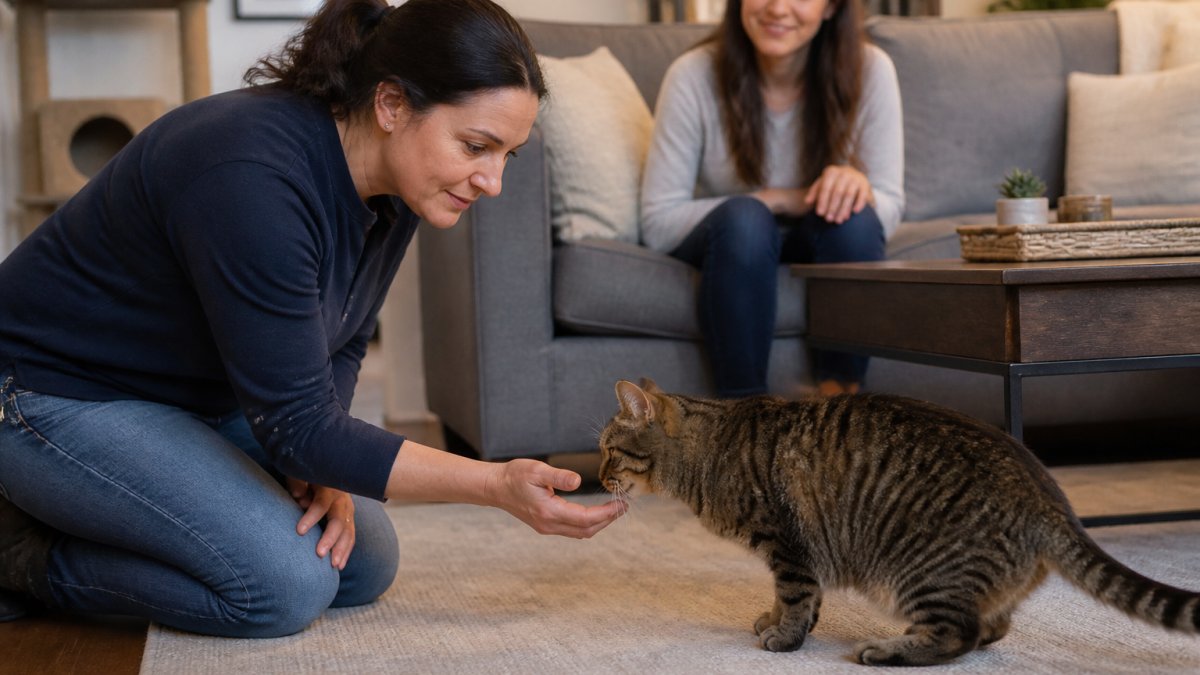
Schedule a meet-and-greet visit where the sitter comes to your home while you're present. Some cats hide during the first visit, that's normal. The goal is familiarity, not immediate bonding.
Create a comfort setup that makes your cat feel secure:
- Keep the sitter's visits on a consistent schedule
- Show the sitter where your cat likes to hide or rest
- Point out safe spaces where your cat can retreat if anxious
- Leave an unwashed piece of your clothing for familiar scent
- Ensure the sitter knows which rooms your cat has access to
Identifying Stress Signals and Handling Preferences
Every cat communicates stress differently, some hide, others become aggressive, some go quiet. Your sitter needs to recognize these signals and respond appropriately.
Document your cat's stress behaviors clearly:
- Hiding in specific locations (under bed, in closet)
- Refusing food or water
- Excessive grooming or hair loss
- Vocalizing more than usual
- Dilated pupils or flattened ears
- Aggression toward the sitter
Document your cat's handling preferences: approach speed, tolerance for being picked up, and any mobility issues or pain points. Your sitter must know these boundaries.
Creating a Cat Medication Schedule for Pet Sitter
Documenting Dosage, Timing, and Administration Method
Medication errors are the most common problem in pet sitting for special needs cats. A clear schedule prevents harmful mistakes.
Create a written medication schedule that includes:
- Medication name and purpose (e.g., "Insulin glargine for diabetes" not just "insulin")
- Exact dosage in measurable units (e.g., "2 units" or "250 mg", not "a small amount")
- Time of day to administer with a 30-minute window (e.g., "8:00 AM ± 30 minutes")
- How often (once daily, twice daily, every 12 hours, as needed)
- Whether it should be given with food or on an empty stomach
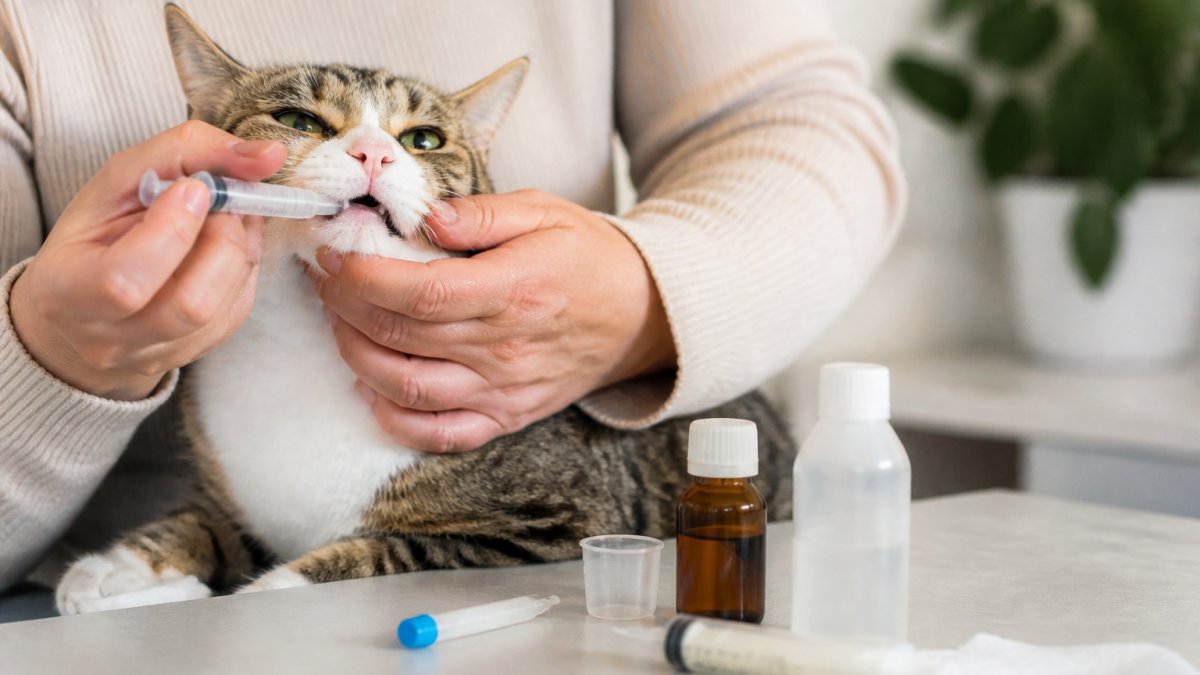
- How to administer (pill, liquid, injection, topical, transdermal patch)
- Storage requirements (refrigerated, room temperature, away from light)
- Expiration date and when to reorder
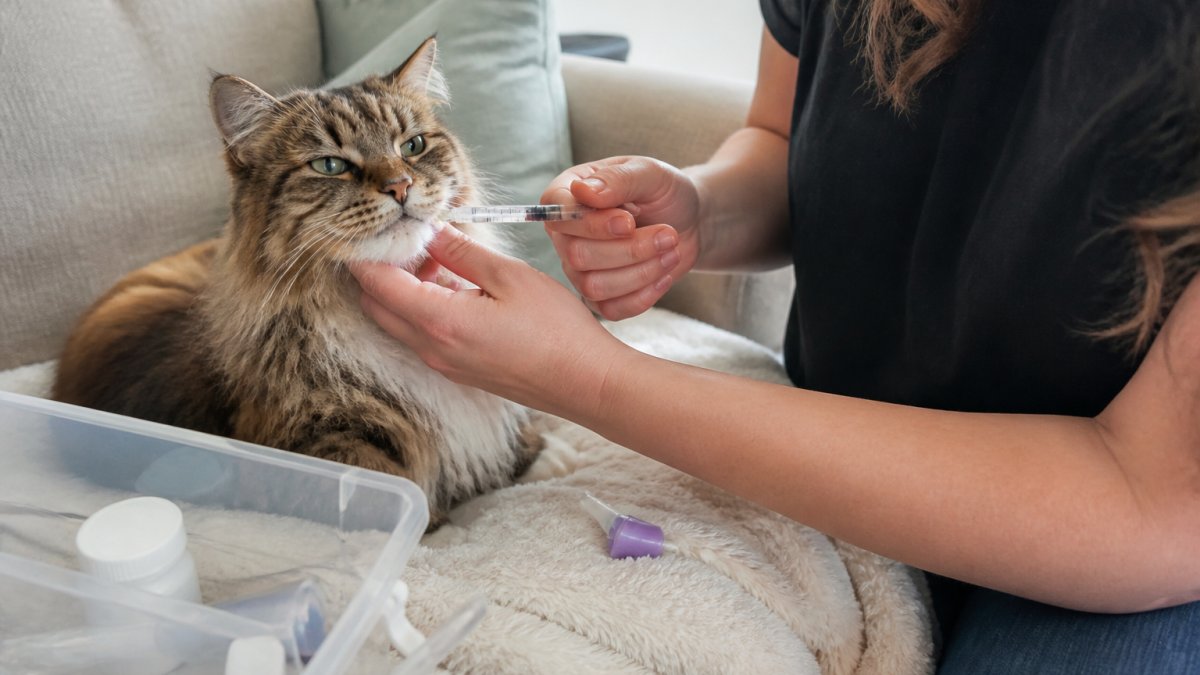
For insulin injections or other critical treatments, provide step-by-step instructions with photos or video. Demonstrate injection site, needle angle, and depth. Label everything with your cat's name, medication name, and expiration date.
Keep backup supplies at home in original labeled containers. For insulin-dependent cats, provide typical blood glucose readings and patterns the sitter should know about.
Condition-Specific Medication Protocols
Provide condition-specific guidance so your sitter knows what to expect and when to escalate.
Diabetes (insulin-dependent):
- Document your cat's typical meal times and appetite patterns
- Note signs of hypoglycemia (low blood sugar): lethargy, confusion, seizures, or unusual aggression
- Note signs of hyperglycemia (high blood sugar): excessive thirst, frequent urination, or weight loss
- Specify: "If my cat refuses food before insulin injection, call me immediately before administering the dose"
- Provide the target blood glucose range if your cat is monitored at home
Hyperthyroidism (methimazole or propranolol):
- Explain that consistent timing is critical, doses should not vary by more than 2 hours
- Document baseline behavior: activity level, appetite, water intake
- Note signs that medication is not working: increased vocalization, restlessness, rapid weight loss, or excessive grooming
- Warn that missing a dose can cause a spike in thyroid hormone within 24 hours
Kidney disease (phosphate binders, potassium supplements, or blood pressure medication):
- Specify whether medication must be given with food or separately
- Document your cat's typical water intake and urination frequency
- Note signs of kidney crisis: vomiting, extreme lethargy, loss of appetite, or difficulty urinating
- If your cat is on a special diet (low-phosphorus, low-sodium), explain why diet consistency matters
Arthritis or chronic pain (gabapentin, tramadol, or NSAIDs):
- Document your cat's baseline mobility and pain behaviors (limping, reluctance to jump, vocalization when touched)
- Specify timing relative to activity: some pain meds work better if given before expected activity
- Note side effects: gabapentin can cause sedation or loss of coordination
- Explain what pain behaviors warrant a vet call versus what's manageable at home
Troubleshooting Medication Refusal and Side Effects
Document what works for your cat's medication refusal, so your sitter doesn't panic or skip doses.
Note whether your cat prefers pills hidden in wet food, pill pockets, crushed medication, liquid formulations, separate from food, or specific handling techniques (wrapped in towel, given by hand, etc.).
Document any side effects (lethargy, increased thirst, appetite loss, hyperactivity) so your sitter knows what's normal versus what requires a vet call.
Provide a simple decision tree for medication refusal and side effects to remove guesswork and prevent dangerous delays.
Essential Care Instructions Template
Daily Feeding, Water, and Litter Routines
A cat sitter checklist for special needs cats must include precise feeding and water routines, especially for cats with kidney disease, diabetes, or digestive issues.
Document feeding details:
- Exact amount of food per meal (use a measuring cup, not "a scoop")
- Type of food (brand, flavor, wet or dry)
- Feeding schedule (morning time, evening time)
- Where food and water bowls are located
- Whether your cat needs separate feeding areas from other pets
- Any foods that are forbidden or cause problems
Note water preferences: fountain versus bowl, frequency of changes, specific location, and any medical restrictions on intake.
Document litter box details: number and locations, litter type, scooping frequency, signs of urinary or digestive problems, and disposal location.
Mobility, Sensory, and Special Care Needs
Cats with arthritis, blindness, deafness, or other mobility issues need accommodations your sitter must understand.
For mobility-limited cats: keep food, water, and litter on the same level, note inaccessible stairs or heights, explain proper support when moving, describe pain behaviors, and list supplements or pain medication.
For blind or deaf cats: explain slow movement and verbal announcements, note confident navigation areas, describe communication methods, and warn about hazards.
For cats with skin conditions, dental disease, or other health issues:
- Provide detailed care instructions
- Show your sitter exactly how to perform any needed care
- Explain what discharge, odor, or behavior changes are normal versus concerning
Pet Sitter Emergency Information Sheet
Recognizing Urgent Symptoms and When to Call the Vet
Your sitter needs clear guidance on what constitutes an emergency. Some symptoms are subtle but serious. Others look alarming but are manageable at home.
Create a list of symptoms that require immediate vet attention:
- Difficulty breathing or rapid breathing
- Collapse or extreme lethargy
- Inability to urinate or defecate
- Vomiting or diarrhea that doesn't stop
- Seizures
- Uncontrolled bleeding
- Signs of extreme pain (crying, aggression, immobility)
- Choking or difficulty swallowing
Distinguish between urgent and non-urgent issues. A cat refusing two consecutive meals and acting withdrawn might need evaluation. Your sitter should know your cat's baseline behavior so changes stand out.
Veterinary Contacts and Authorization Details
Provide complete veterinary contact information on your emergency sheet:
- Primary veterinarian name, clinic name, and phone number
- After-hours emergency vet clinic address and phone number
- Your cat's medical record number at each clinic
- Any known allergies to medications
- Current medical conditions and diagnoses
- Recent test results or imaging (share copies if relevant)
Write a brief authorization statement that gives your sitter permission to seek emergency care if you cannot be reached. Include your cell phone, a backup emergency contact, and your preferred vet's name.
Keep this information in an obvious location, on your refrigerator, in a folder by the door, and texted to your sitter before you leave.
Monitoring and Handoff for Complex Care
Your sitter should document each visit so you know exactly what happened while you were away.
Provide a simple log sheet for your sitter to complete after each visit. Include:
- Date and time of visit
- Whether your cat ate (and how much)
- Water intake (if monitoring is needed)
- Medication given and time administered
- Litter box activity (normal, constipation, diarrhea, urinary issues)
- Your cat's behavior and mood
- Any concerns or changes observed
- Sitter's initials or signature
This log becomes invaluable if your cat develops problems after you return. Your vet can review exactly what happened during your absence.
For cats on critical medications, ask your sitter to send daily photos or text updates to catch problems early.
Checklist Items You Should Not Skip
A comprehensive cat sitter checklist for special needs cats covers these non-negotiable items:
- Medication names, dosages, and administration times written clearly
- Photos of your cat and identifying marks (helpful if your cat escapes)
- Behavior triggers and calming strategies specific to your cat
- Handling preferences and physical limitations
- Feeding amounts, schedule, and any dietary restrictions
- Water intake requirements or monitoring needs
- Litter box locations and maintenance routine
- Emergency vet clinic address and phone number
- Your contact information and backup emergency contact
- Authorization for emergency veterinary care
- Symptoms that require immediate vet attention
- Sitter's daily log sheet or monitoring form
- Location of all supplies (food, medication, litter, first aid)
- Your cat's baseline behavior so changes are noticeable
- Comfort items and stress-reduction strategies
Preparing a detailed cat sitter checklist for special needs cats takes time, but it's one of the most important things you can do before traveling. Your cat's health and safety depend on clear communication. When you're ready to find a sitter you can trust with your special needs cat, consider a cat sitting service that specializes in attentive, detailed care.
| Care Element | What to Document | Why It Matters |
|---|---|---|
| Medication | Name, dosage, time, method | Prevents overdose or missed doses |
| Feeding | Amount, schedule, special diet | Ensures proper nutrition and digestion |
| Water | Intake requirements, preferences | Critical for cats with kidney disease |
| Litter | Type, location, frequency | Reveals urinary and digestive issues |
| Behavior | Stress signals, handling preferences | Prevents injury and anxiety |
| Emergency | Vet contacts, urgent symptoms | Enables fast response to crises |
Frequently Asked Questions
What should I include in a cat sitter checklist for a special needs cat?
A comprehensive cat sitter checklist for special needs cats must cover medication schedules with exact dosages, feeding instructions including special diets, fresh water routines, litter box cleaning frequency, daily schedule and visit frequency, behavior concerns and handling preferences, veterinary contact information, and emergency escalation thresholds. Include specific details about your cat's condition, mobility limitations, sensory issues, and any comfort items that help during sitter visits. A written checklist prevents miscommunication and ensures consistent care.
How do I prepare a cat sitter to give my cat medication?
Provide a cat medication schedule for pet sitter that includes the medication name, dosage, time of administration, and step-by-step instructions for how to give it (pill, liquid, injection, or topical). Demonstrate the process during a trial visit so the sitter can watch you administer the medication and ask questions. Leave written notes about what to do if your cat refuses the medication, any side effects to watch for, and when to contact your veterinarian. Keep medications in their original labeled bottles with clear instructions attached.
What information should I leave for my cat sitter in an emergency?
Create a pet sitter emergency information sheet that includes your veterinarian's name, address, phone number, and after-hours emergency clinic contact information. List specific symptoms that require immediate veterinary care, your cell phone and backup contact numbers, a trusted neighbor's details, and written authorization for emergency medical treatment. Include your cat's medical history, current medications, known allergies, and any chronic conditions. Specify your preference for where the sitter should take your cat in an emergency and provide access to funds or a credit card for veterinary costs.
Should I arrange a trial visit before leaving my special needs cat with a sitter?
Yes, a trial visit is essential for special needs cats. A practice session allows the sitter to meet your cat, learn handling preferences, and demonstrate competency with medication administration or mobility assistance. It gives your cat time to become familiar with the sitter in a low-stress situation and helps you observe how they interact with your pet. Use this time to review your cat sitter instructions template, answer questions, and build confidence that your sitter understands your cat's specific needs before you travel.