 how-to
Signs Your Cat Is Stressed While You Travel
Table of Contents
- Signs Your Cat Is Stressed While You Travel
- Signs of Stress in Cats Before and During Your Trip
- How to Calm a Stressed Cat During Travel
- Cat Sitter Check-In Updates and Stress Monitoring
- How Long Does Cat Stress Last After Travel
- When to Contact Your Veterinarian
- Preventing Stress: Carrier Training and Gradual Acclimation
- Frequently Asked Questions
Last Updated: October 17, 2026
Signs Your Cat Is Stressed While You Travel
When you're planning a trip, your cat's stress level matters more than you might think. Travel disrupts cats' routines and can trigger anxiety.
Cats thrive on routine and familiar environments. Travel, whether you're taking your cat with you or leaving them home, disrupts everything they know.
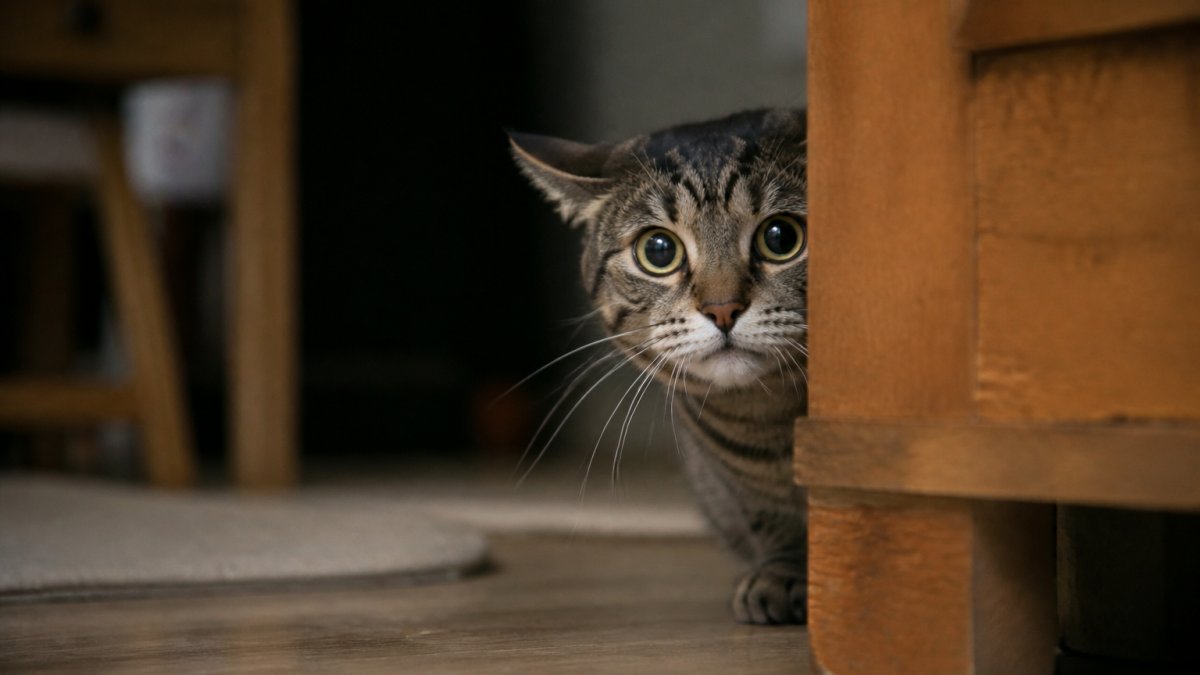
Behavioral Changes That Signal Travel Anxiety
Behavioral shifts are often the first clue that your cat feels stressed. A calm cat might become withdrawn. An active cat might freeze and refuse to move. Some cats vocalize constantly. Others go silent.
Common behavioral stress signals include:
- Excessive meowing or yowling, your cat calls out more than usual, sometimes frantically
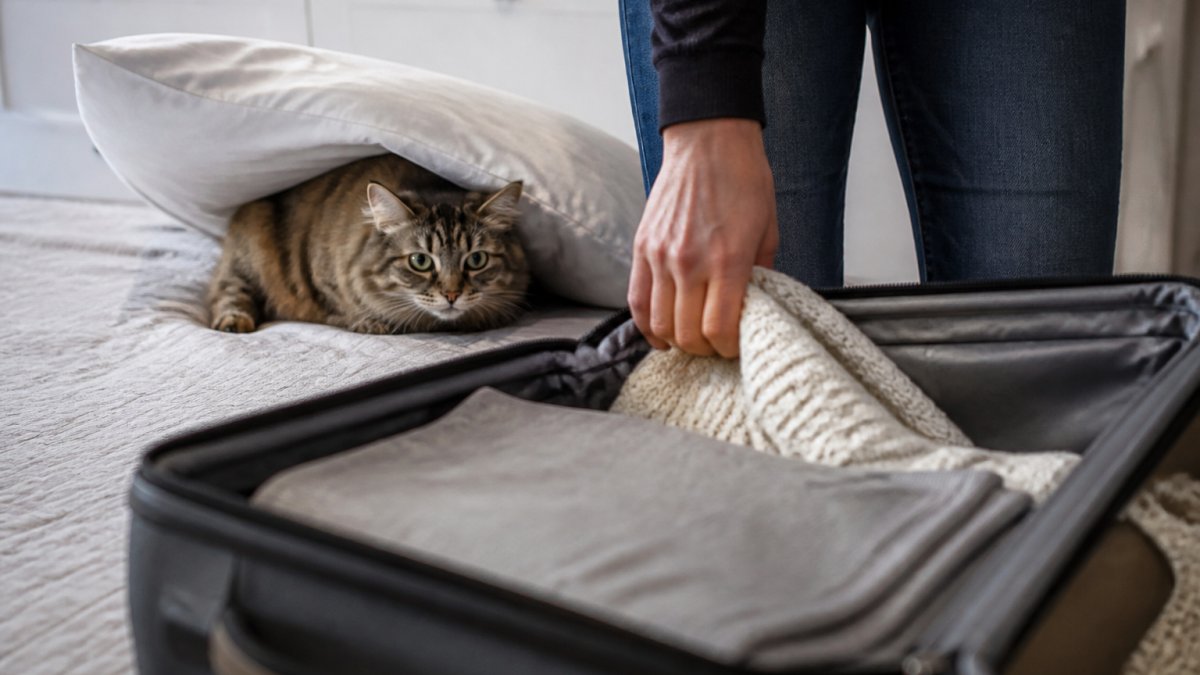
- Hiding for long periods, your cat retreats under beds, into closets, or behind furniture and stays there
- Restlessness and pacing, your cat walks back and forth, unable to settle
- Aggression or irritability, your cat swats, hisses, or bites when normally gentle
- Loss of interest in play, your cat ignores toys and ignores you
- Clinginess or separation anxiety, your cat follows you constantly and panics when you leave the room
- Escape attempts, your cat tries to bolt through doors or windows
The intensity depends on your cat's personality. A naturally anxious cat shows more dramatic changes. A laid-back cat might show only one or two subtle shifts.
Physical Symptoms of Feline Stress
Stress doesn't just change behavior, it changes your cat's body. Physical symptoms are harder to miss once you know what stress looks like in cats.
Watch for these physical warning signs:
- Panting or rapid breathing, your cat breathes heavily without exertion
- Drooling or excessive salivation, saliva pools in your cat's mouth or drips
- Dilated pupils, your cat's eyes are very wide, even in normal light
- Flattened or pinned-back ears, your cat's ears point backward or to the sides
- Piloerection (raised fur), your cat's coat stands on end, especially along the spine and tail
- Trembling or shaking, your cat visibly shivers
- Sweaty paws, your cat leaves damp paw prints on surfaces
These physical signs mean your cat's nervous system is in overdrive. The stress response triggers the fight-or-flight mechanism. Your cat's body prepares for danger even though no real threat exists.
Signs of Stress in Cats Before and During Your Trip
Timing matters. Stress builds before you leave, peaks while you're gone, and can linger after you return. Recognizing when stress starts helps you intervene earlier.
Pre-Travel Stress Indicators
Cats sense change before it happens. They pick up on packing, altered schedules, and your own travel anxiety. Pre-travel stress often appears 3-7 days before departure.
Early warning signs include:
- Your cat follows you more closely than usual
- Your cat refuses to eat or eats less
- Your cat hides more or seeks constant attention
- Your cat's litter box habits change (more frequent urination, constipation, or diarrhea)
- Your cat becomes vocal or unusually quiet
- Your cat has trouble sleeping or sleeps excessively
If your cat travels with you in a car or carrier, pre-travel stress intensifies. Some cats begin showing anxiety the moment they see the carrier emerge from storage.
Stress Signals During Your Absence
While you're away, stress levels often spike. Your cat doesn't understand that you're coming back. Your cat only knows that their person disappeared and routine shattered.
Stress signals during your absence include:
- Refusing food or water (sometimes for days)
- Extreme lethargy or hyperactivity
- Litter box avoidance or accidents outside the box
- Excessive vocalization if your cat is alone
- Destructive behavior (scratching furniture, knocking items off shelves)
- Over-grooming or neglecting grooming
- Changes in sleep patterns
If you have a cat sitter checking in, ask them to watch for these signs. Professional sitters like those at Tracy's Kitty Care document behavioral changes during visits. These observations help your veterinarian determine whether your cat needs medication or additional support on future trips.
How to Calm a Stressed Cat During Travel
Once you recognize stress signals, action matters. You have several tools to reduce your cat's anxiety during travel periods.
Environmental Comfort and Familiar Scents
The most powerful stress-reduction tool is familiarity. Keep your cat's environment as stable as possible.
Practical steps:
- Use a secure, comfortable carrier, choose a carrier large enough for your cat to stand, turn around, and lie down. Line it with familiar bedding that smells like home
- Maintain feeding schedules, feed your cat at the same times as always, even during travel
- Keep litter boxes accessible, if your cat travels with you, set up a litter box immediately upon arrival
- Bring familiar items, pack your cat's favorite toys, bedding, and scratching posts
- Use pheromone products, Feliway and similar products mimic natural calming pheromones and reduce anxiety
- Play calming music, classical music or cat-specific calming music can soothe stressed cats
- Minimize noise and activity, keep your cat's space quiet and away from household chaos
When your cat stays home while you travel, ask your sitter to maintain routines exactly. Feeding times, play times, and litter box cleaning should happen on your normal schedule.
Calming Products and When to Consider Medication
Over-the-counter calming aids work for mild stress. Prescription medication becomes necessary for severe anxiety.
Calming options include:
- Pheromone sprays and diffusers, Feliway and similar products provide chemical signals that reduce fear
- Calming treats or supplements, products containing L-theanine or tryptophan help some cats relax
- Anxiety wraps, snug wraps designed like swaddling can have a calming effect
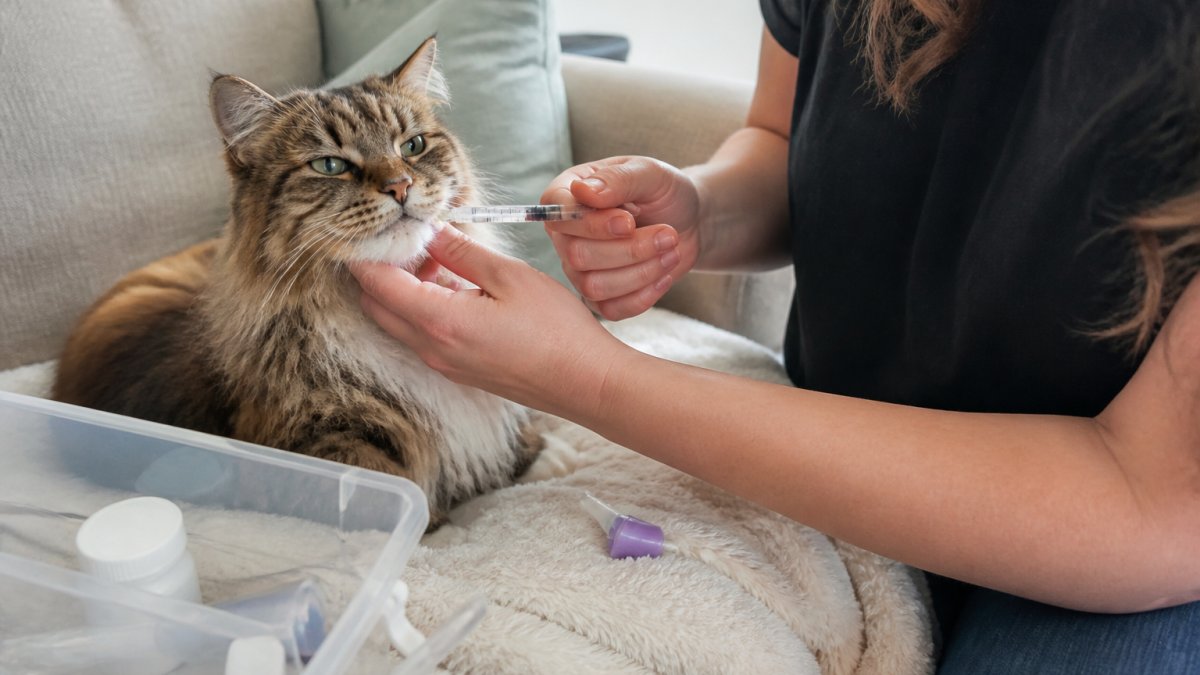
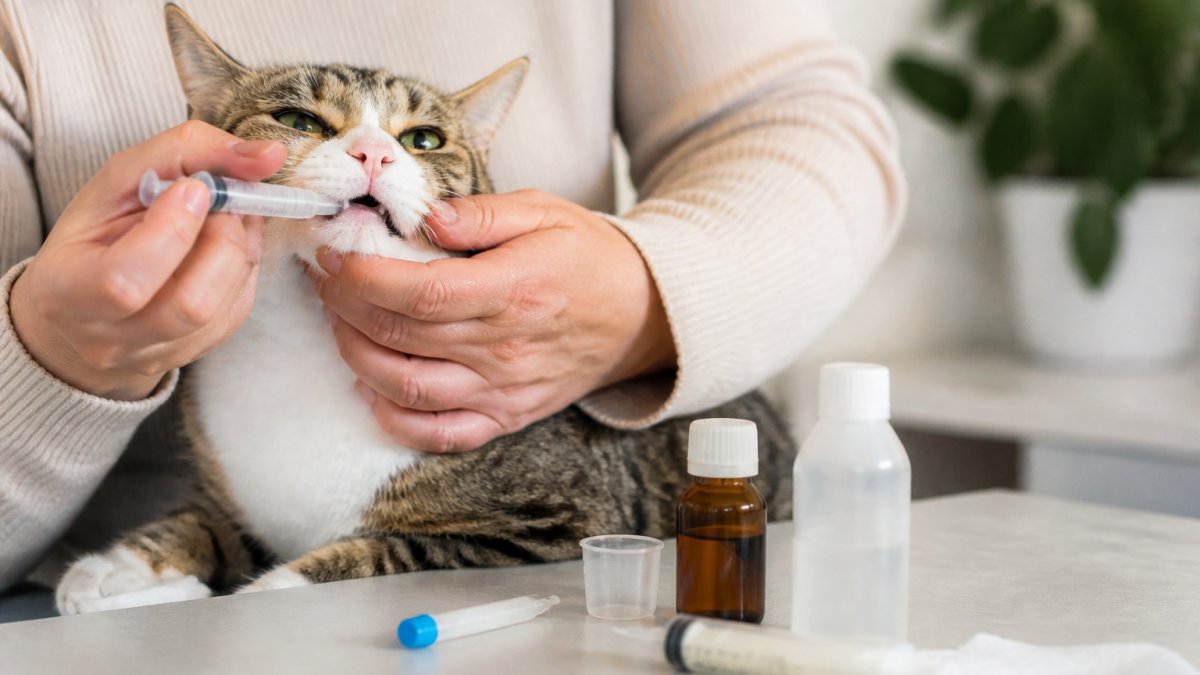
- Prescription anti-anxiety medication, your veterinarian may recommend short-term medication like gabapentin or trazodone for severe travel stress
Talk to your veterinarian before your trip. If your cat has a history of severe travel anxiety, your vet might prescribe medication to give before travel begins. Some cats benefit from a single dose given an hour before departure.
Never give your cat medication without veterinary guidance. Dosing depends on your cat's weight, age, and health status.
Cat Sitter Check-In Updates and Stress Monitoring
Professional in-home care can make a difference in stress levels.
At Tracy's Kitty Care, our sitters provide 30-minute visits that include feeding, fresh water, litter box cleaning, and playtime. During these visits, sitters observe your cat's stress signals and report back to you.
Request detailed check-ins from your sitter:
- Ask for photos or videos showing your cat's behavior and condition
- Request specific observations about eating, litter box use, and activity level
- Have your sitter note any changes from day to day
- Ask your sitter to contact you immediately if stress signals worsen
Documentation matters. If your cat shows increasing stress across multiple trips, your veterinarian can review these patterns and recommend preventive strategies for future travel.
How Long Does Cat Stress Last After Travel
Stress doesn't end the moment you walk through the door. Recovery takes time. Most cats return to normal within 24-48 hours after you return home. Some anxious cats take 3-7 days to fully settle.
Recovery timeline:
- First 24 hours, your cat may remain withdrawn, eat lightly, or seek constant attention
- Days 2-3, appetite returns, activity increases, but your cat may still seem clingy
- Days 4-7, your cat's behavior normalizes, though some cats remain slightly more affectionate than before
Accelerate recovery by:
- Maintaining normal routines immediately
- Spending calm time with your cat without overstimulation
- Offering favorite foods and treats
- Allowing your cat to approach you rather than forcing interaction
- Resuming normal play sessions once your cat shows interest
If your cat's stress symptoms persist beyond a week, contact your veterinarian. Prolonged stress can indicate an underlying medical issue or severe anxiety disorder requiring treatment.
When to Contact Your Veterinarian
Not all stress signals require veterinary attention. But some warrant a professional evaluation.
Contact your veterinarian if your cat:
- Refuses food for more than 24 hours
- Stops using the litter box or has accidents outside the box for more than 48 hours
- Shows extreme lethargy or hyperactivity that doesn't improve
- Displays aggression or self-injury (excessive grooming causing hair loss or wounds)
- Has difficulty breathing or shows extreme panting
- Vomits or has diarrhea that lasts more than a few days
- Shows signs of illness (discharge from eyes or nose, coughing, sneezing)
Your veterinarian can rule out medical causes and discuss medication options. Bring documentation from your sitter showing when stress signals appeared and how they progressed. This timeline helps your vet assess severity.
Preventing Stress: Carrier Training and Gradual Acclimation
The best stress management happens before travel. Gradual carrier training and routine acclimation reduce anxiety significantly.
Carrier Training Steps
Start carrier training weeks before travel. Never wait until the day before your trip.
- Leave the carrier out permanently, place it in a common area where your cat can explore freely
- Make it comfortable, line it with soft bedding and place a favorite toy inside
- Feed your cat near the carrier, move food bowls progressively closer to the carrier opening
- Feed inside the carrier with the door open, let your cat eat meals inside while you're nearby
- Close the door briefly during meals, start with 30 seconds, gradually increase duration
- Practice short trips, take your cat on short car rides (5-10 minutes) to normalize the experience
- Reward calm behavior, offer treats and praise when your cat remains calm in the carrier
This process takes 2-4 weeks. Don't rush it. Cats that are gradually acclimated show far less stress during actual travel.
Preparing Your Cat for Your Absence
If your cat stays home while you travel, prepare their environment:
- Establish a consistent routine 2 weeks before departure
- Introduce your sitter with multiple meet-and-greet visits
- Have your sitter practice the exact routine they'll follow during your absence
- Leave detailed instructions about your cat's preferences, fears, and medical needs
- Set up a safe room where your cat can retreat if needed
- Ensure your sitter has emergency contact information and your veterinarian's details
Cats that know their sitter and have a predictable routine show minimal stress. The familiar person and maintained schedule provide security even in your absence.
Travel stress in cats is preventable. By recognizing the early signs of anxiety, preparing your cat in advance, and arranging reliable in-home care, you protect your cat's wellbeing.
At Tracy's Kitty Care, we specialize exclusively in cats and recognize the subtle stress signals that indicate your cat needs extra attention.
Frequently Asked Questions
How can you tell if your cat is stressed while you travel?
Watch for behavioral changes like excessive meowing, hiding, restlessness, or attempts to escape. Physical signs include panting, drooling, changes in appetite, and disrupted litter box habits. Some cats become hypervigilant or easily startled by sounds. If your cat displays these signs of stress in cats during or before your trip, document them and share details with your veterinarian or pet sitter.
What medication can I give my cat to calm down during travel?
Common options include prescription anti-anxiety medications, but dosage depends on your cat's weight and health. Always consult your veterinarian before giving any medication. Your vet may recommend prescription options for severe travel anxiety. Some cats respond well to pheromone sprays or calming supplements instead. Never self-dose your cat without professional guidance.
How long does cat stress last after travel?
Most cats recover within 24 to 48 hours after returning home, though some take up to a week to fully readjust. Shy or nervous cats may need longer. Providing familiar bedding, maintaining normal routines, and minimizing additional changes speeds recovery. If stress symptoms persist beyond a week, contact your veterinarian to rule out underlying health issues.
Can stress cause a cat to lose weight?
Yes, prolonged stress can suppress appetite and lead to weight loss. If your cat stops eating during or after travel, monitor food intake closely and contact your vet if the behavior continues. Some cats regain appetite within hours of returning home, while others need a few days. Providing quiet, safe spaces and their favorite foods encourages eating during stressful periods.