 how-to
Choose a Cat Sitter for Medication: 7 Vetting Steps
Table of Contents
- Assessing Medication Administration Experience
- Questions to Ask a Pet Sitter About Medical Care
- Verifying Professional Certifications and Background Checks
- Creating a Cat Sitter Medication Administration Checklist
- Setting Up a Pet Sitter Medication Log Template
- Conducting a Meet and Greet With Medication Training
- Legal and Liability Considerations for Medication Care
- Frequently Asked Questions
Last Updated: September 20, 2026
Assessing Medication Administration Experience
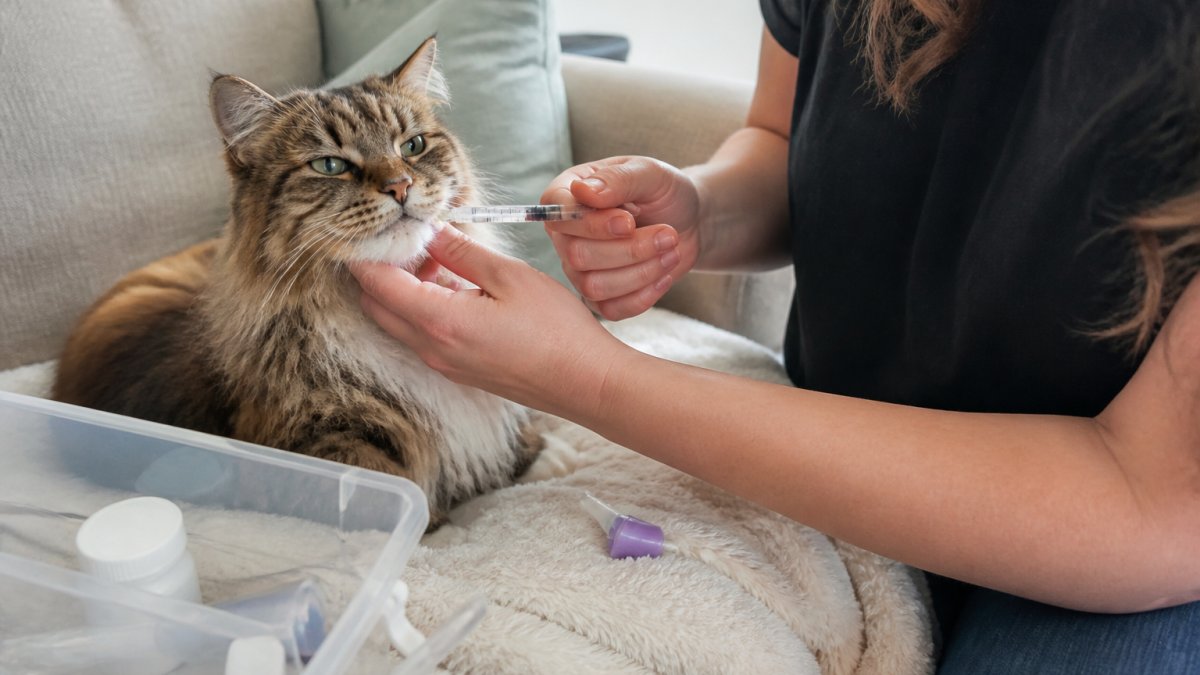
When your cat needs insulin injections, liquid medications, or other treatments while you're away, finding a sitter experienced in cat sitter medication administration isn't just convenient, it's essential. A cat sitter with medication administration experience can mean the difference between your cat's health staying stable and a crisis that requires an emergency vet visit.
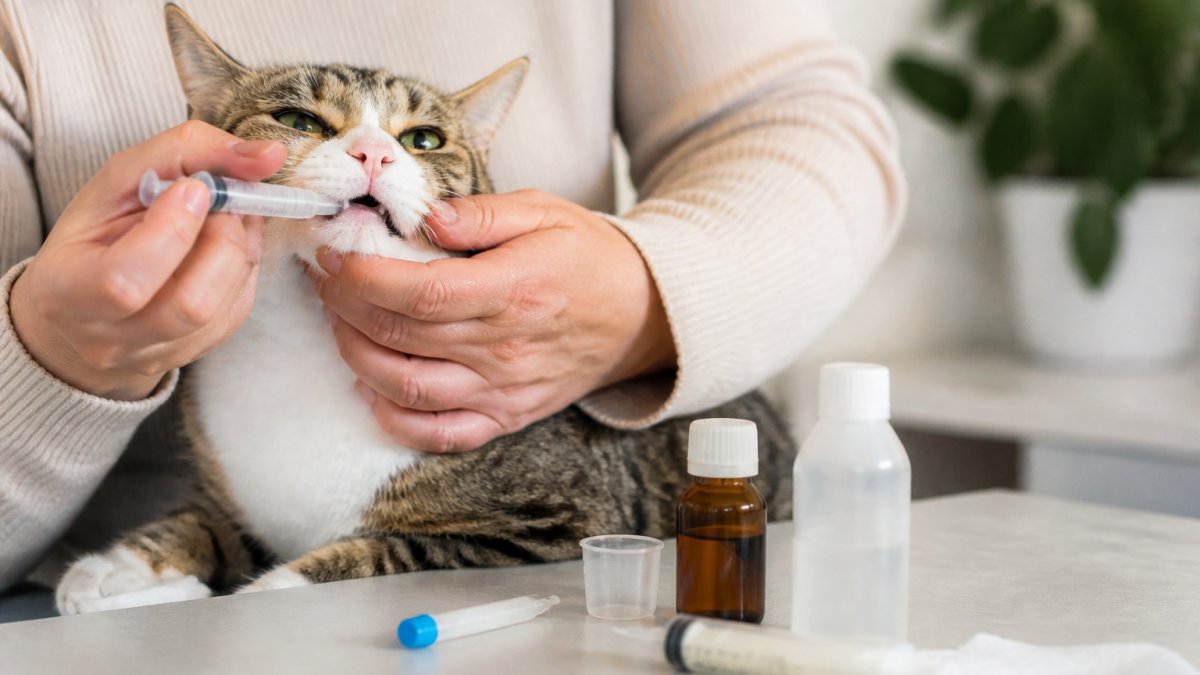
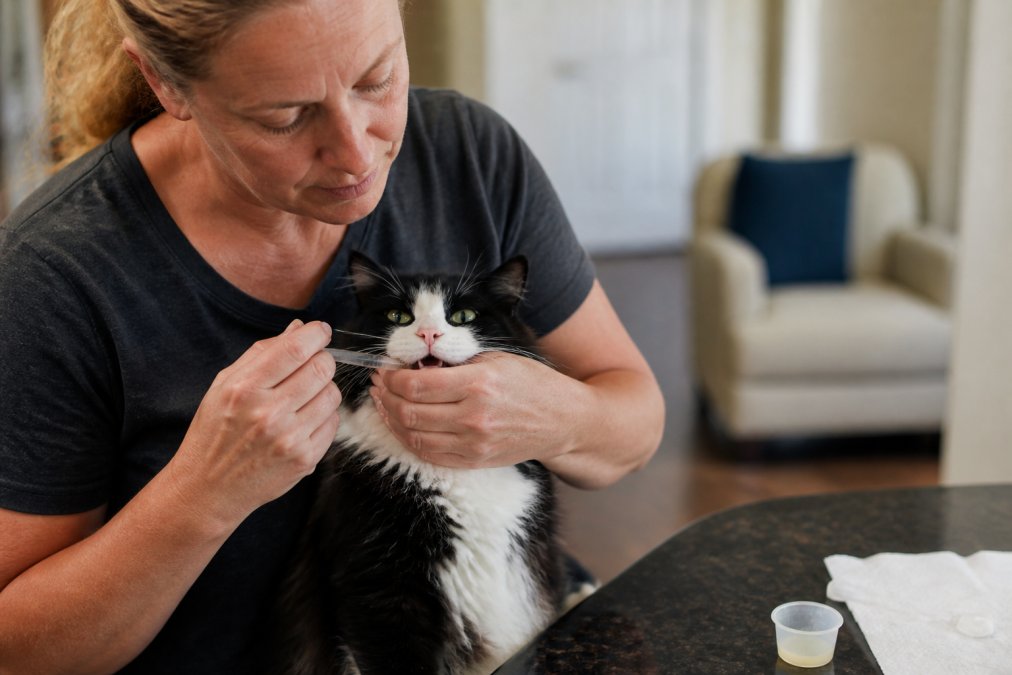
Start by asking direct questions about their background. How many cats have they cared for that required medications? What types of medications have they handled? Insulin injections demand precision and confidence. Liquid medications require careful measuring. Transdermal medications need proper application. A sitter who's worked with all three types has real experience, not just willingness to try.
Look for sitters who can explain their process clearly. Do they use a medication log? Can they describe how they verify dosage before administering? Do they know how to recognize stress-free handling techniques that keep cats calm during medication time? These details matter because stressed cats may refuse medication or hide, making treatment impossible.
Experience matters most when you need it. Ask for references from previous clients whose cats needed medication care. A sitter who's managed chronic condition management for multiple cats understands the stakes and knows what to watch for.
Questions to Ask a Pet Sitter About Medical Care
Before hiring, ask specific questions about their medication handling skills. Don't settle for vague answers. The most important questions reveal how a sitter handles real obstacles, not just ideal scenarios.
Key questions to ask:
- Have you administered insulin injections to cats before? How many times?
- What's your experience with liquid medications and measuring doses accurately?
- How do you handle a cat that refuses medication or hides? (This is the critical question most owners skip.)
- What strategies have you used when a cat spits out a pill or refuses food-based medication?
- Do you keep a medication log for each visit? Can you show me an example?
- What would you do if my cat showed signs of an allergic reaction?
- How do you store medications safely, especially insulin that requires refrigeration?
- Can you explain the difference between subcutaneous fluids and oral medications?
- Have you worked with cats on multiple medications at different times of day?
- If a dose is missed because my cat refused it, how would you communicate that to me?
Their answers should be specific, not generic. Someone with real experience can describe actual situations they've handled. They'll know about medication storage requirements and understand dosage frequency matters for effectiveness.
Pay special attention to medication refusal answers. A sitter who says "I'll just try again later" or "I'll force it if needed" is a red flag. Forcing medication stresses the cat, damages trust, and often fails anyway. A sitter with genuine experience will describe techniques like:
- Disguising pills in high-value treats (pill pockets, cream cheese, liverwurst)
- Timing medication with the cat's natural feeding schedule
- Using pill crushers or liquid compounding when appropriate (with vet approval)
- Recognizing when a cat is too stressed and stepping back to try again in 30 minutes
- Documenting refusal clearly so you can contact your vet about alternatives
Ask about their training. Have they taken any courses on pet medication administration? Do they work with a veterinary technician or have veterinary authorization to handle medications? Some sitters may have professional certification that demonstrates their knowledge.
Pay attention to how they talk about your cat's specific needs. Do they ask follow-up questions? Do they seem to understand that each cat's temperament affects how medication is given? A sitter asking about your cat's behavioral cues, stress triggers, and food preferences shows they think beyond just going through the motions. The best sitters ask: "What does your cat hate?" and "What does your cat love?" because medication success depends on knowing both.
Verifying Professional Certifications and Background Checks
Professional credentials matter. When a sitter claims experience, verify it.
Ask about background checks. Have they completed a thorough background check? Many professional pet sitters carry bonding and insurance specifically for medication care. Cat sitting service providers, for example, are background-checked, licensed, bonded, and insured, which means they've met specific standards and carry liability protection.
Request proof of any certifications. A pet care certification, veterinary assistant training, or pet first aid certification shows they've invested in formal education. Ask to see the actual certificates, not just their word.
Verify their professional standing. Are they registered with any pet care organizations? Do they have liability insurance specifically covering medication administration? Insurance companies won't cover sitters who lack proper training, so this is a real credential check.
Ask about their vet-approved protocols. Have they worked directly with veterinarians on medication administration procedures? Do they have written authorization from a vet for the specific medications your cat takes? Some vets require this before allowing non-veterinary staff to handle certain drugs.
Call their references personally. Ask previous clients if the sitter handled medications correctly. Did they follow instructions exactly? Did they communicate about any issues? Did they keep accurate records? References can confirm whether their claimed experience is real.
Creating a Cat Sitter Medication Administration Checklist
A checklist ensures nothing gets missed. Create one specific to your cat's needs before the sitter arrives.
Your medication administration checklist should include:
- Cat's name and age
- Medication name, dosage, and frequency
- Time of day medication should be given
- How to identify the correct medication (label, color, shape)
- Step-by-step administration instructions
- Signs that medication was refused or the cat had a reaction
- Emergency contact information for your vet
- Your personal emergency contact
- Storage location and temperature requirements
- What to do if a dose is missed
- Any special handling notes (pill pockets work, liquid must be mixed with food, injection site rotation)
Print this checklist and post it where the sitter will administer medication. Keep a copy in your medication storage area. This removes guesswork and gives the sitter clear direction.
Include behavioral notes. Does your cat hide when stressed? Does she prefer treats or food-based medication delivery? Does he respond better to calm handling or quick, confident handling? These details help the sitter avoid medication refusal strategies that don't work for your specific cat.
Add a section for the sitter to initial and date after each medication administration. This creates an accountability record and helps you track whether doses were given on schedule.
Setting Up a Pet Sitter Medication Log Template
A medication log documents everything. It's your record of what was given, when, and how your cat responded. While a physical notebook works, digital tracking tools create accountability, real-time visibility, and a permanent record your vet can access.
Your pet sitter medication log should track:
- Date and time medication was given
- Medication name and dosage
- How the medication was given (pill, injection, liquid, transdermal)
- Cat's behavior before and after medication
- Any issues or concerns
- Sitter's name and timestamp
Choose a tracking method that works for your workflow:
Paper log (simplest, offline): Keep a physical notebook in your kitchen or medication storage area. The sitter initials and dates after each administration. This works well for sitters who prefer not to use technology, but it requires you to manually review notes and has no real-time alert system.
Shared digital spreadsheet (Google Sheets or similar): Create a shared spreadsheet your sitter can access from their phone. They fill in medication details immediately after administration. You receive notifications of updates and can check compliance in real time. This method works well for sitters comfortable with basic digital tools and gives you instant visibility into whether doses were given on schedule.
Pet medication tracking apps: Dedicated pet care apps (such as those offered through pet care platforms or veterinary software) allow sitters to log medications with timestamps, photos, and notes. Many apps send you automatic notifications when a dose is logged, include medication reminders, and create shareable reports for your vet. Some apps allow you to set up alerts if a dose is missed or logged late. This is the most professional approach and creates the clearest accountability.
Photo documentation: Some sitters send a photo of the medication bottle and your cat after administration as proof. This works as a supplement to any log but shouldn't be your only record.
The log serves multiple purposes:
It helps your vet monitor whether medications are being given consistently. It creates a paper trail if questions arise about dosage timing. It alerts you to patterns, if your cat consistently refuses medication at a certain time, you can adjust the schedule with your vet's approval. It provides evidence of compliance if your cat's condition isn't improving as expected.
- Did your cat vomit after taking medication?
- Did she seem lethargic or unusually active?
- Did he refuse the pill but accept it mixed in food?
- Did she hide for an hour after medication?
- Were there any signs of allergic reaction (swelling, difficulty breathing, excessive drooling)?
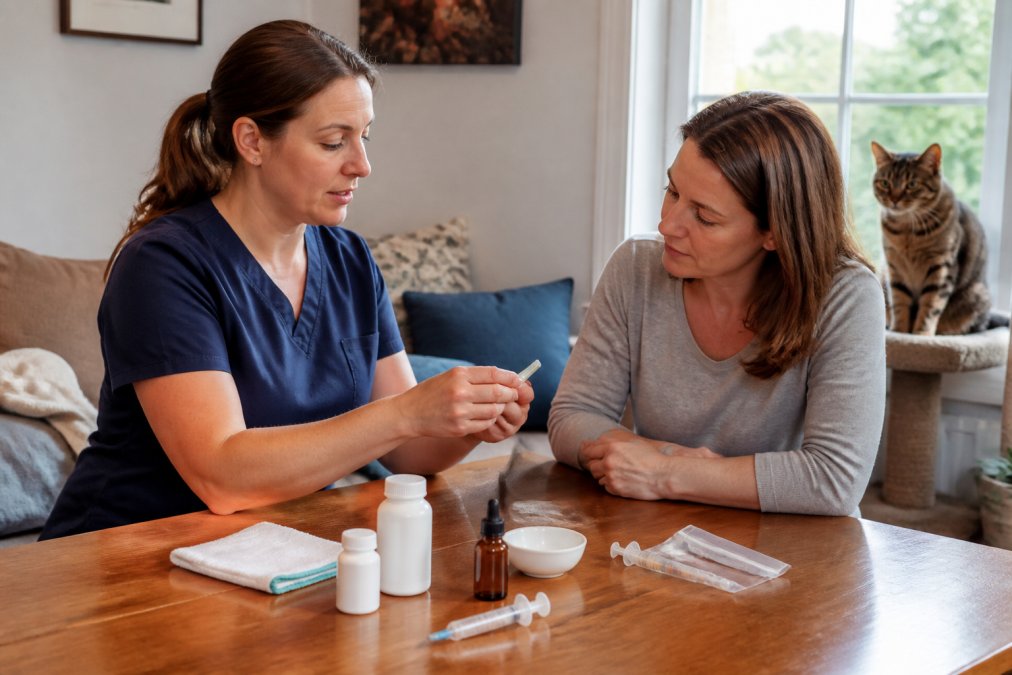
Conducting a Meet and Greet With Medication Training
Before your first trip away, schedule a meet and greet where the sitter learns your cat's specific medication routine.
Legal and Liability Considerations for Medication Care
Medication administration creates legal responsibility. Understand what's involved before you hand over this task.
Frequently Asked Questions
Can a cat sitter administer medication?
Yes, a qualified cat sitter with proper training and experience can administer most common medications, including pills, liquids, and subcutaneous fluids. Always verify your sitter's background in medication administration and confirm your veterinarian approves them before leaving your cat in their care.
What specific questions should I ask a sitter about medication experience?
Ask about their experience with the specific type of medication your cat needs (pills, liquids, injections, transdermal patches). Request details on how many cats they've cared for requiring medication, what training they've received, whether they've handled medication refusal, and how they document dosage timing. Ask for references from other pet owners whose cats required similar care.
How do I verify a pet sitter's experience with feline health needs?
Request proof of background checks, pet sitting insurance, and any certifications related to pet care. Ask if they've worked with cats requiring chronic condition management. Request contact information from previous clients whose cats had medical needs. A reliable sitter should provide references and be transparent about their training, credentials, and experience with medication administration.
What are the red flags when interviewing a potential cat sitter?
Watch for sitters who cannot clearly explain medication administration procedures, lack documentation of experience, refuse to provide references, or seem uncomfortable with detailed questions about your cat's health. Red flags include no pet sitting insurance, unwillingness to maintain a medication log, inability to describe stress-free handling techniques, or reluctance to discuss emergency contact protocols with your veterinarian.