 comparison
Is In-Home Cat Sitting Worth It in 2026?
Table of Contents
- Why Cats Hate Boarding Facilities
- The Real Cost: In-Home Cat Sitting vs. Boarding
- Peace of Mind: What Professional In-Home Care Actually Delivers
- Cat Sitter Drop-In Visit Frequency: How Often Does Your Cat Need Care?
- How to Choose a Reliable Cat Sitter
- Is In-Home Cat Sitting Worth It for Your Situation?
- Conclusion
Last Updated: August 27, 2026
Why Cats Hate Boarding Facilities
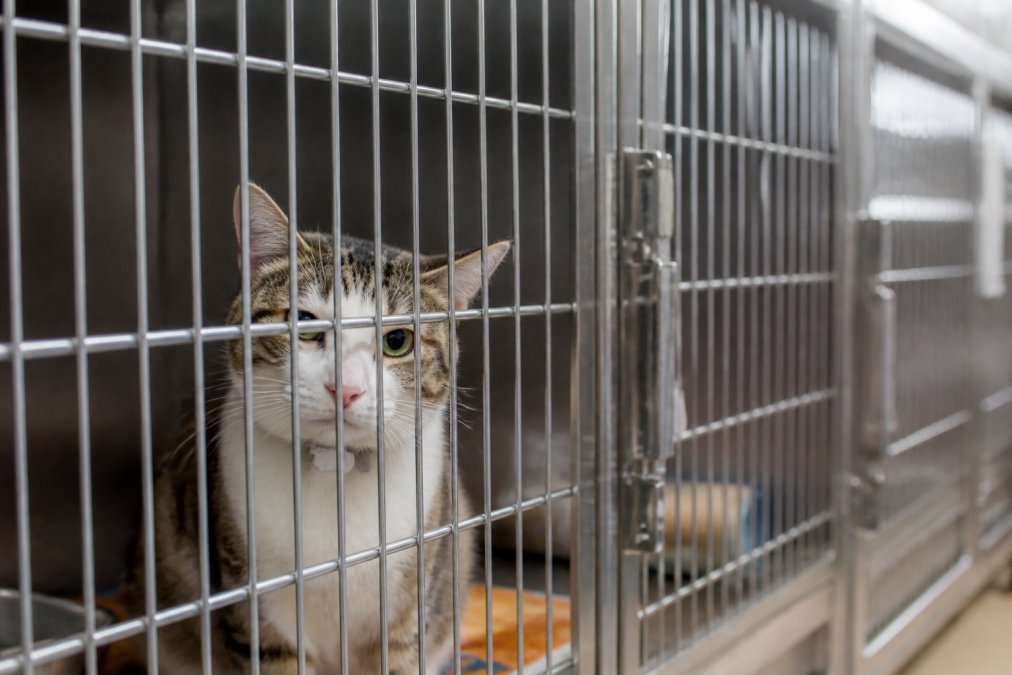
Boarding facilities create a perfect storm of stress for cats. They're placed in unfamiliar environments surrounded by strange animals, unfamiliar scents, and constant noise. Unlike dogs, cats are territorial creatures who derive comfort from their home environment and established routines. A sudden change to a cage in a noisy facility triggers anxiety responses that can last for weeks after returning home.
Cats in boarding situations often stop eating, hide excessively, or develop behavioral issues like litter box avoidance. Some facilities house multiple cats in close quarters, increasing stress hormones and disease transmission risk. Even well-meaning operations can't replicate what cats actually need: their own space, territory, and absence of threat.
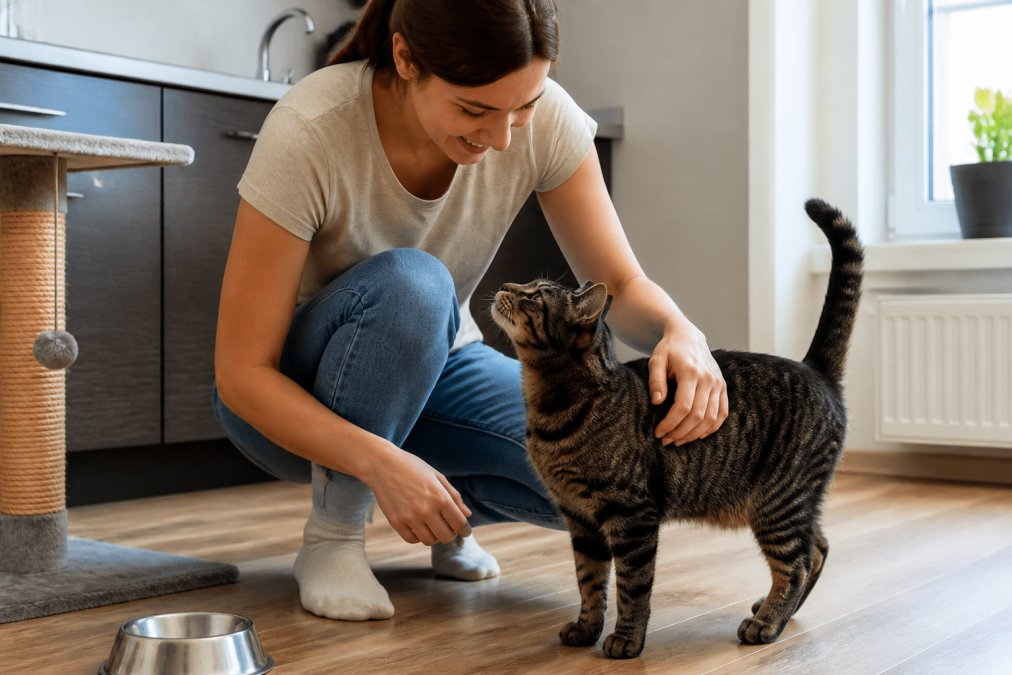
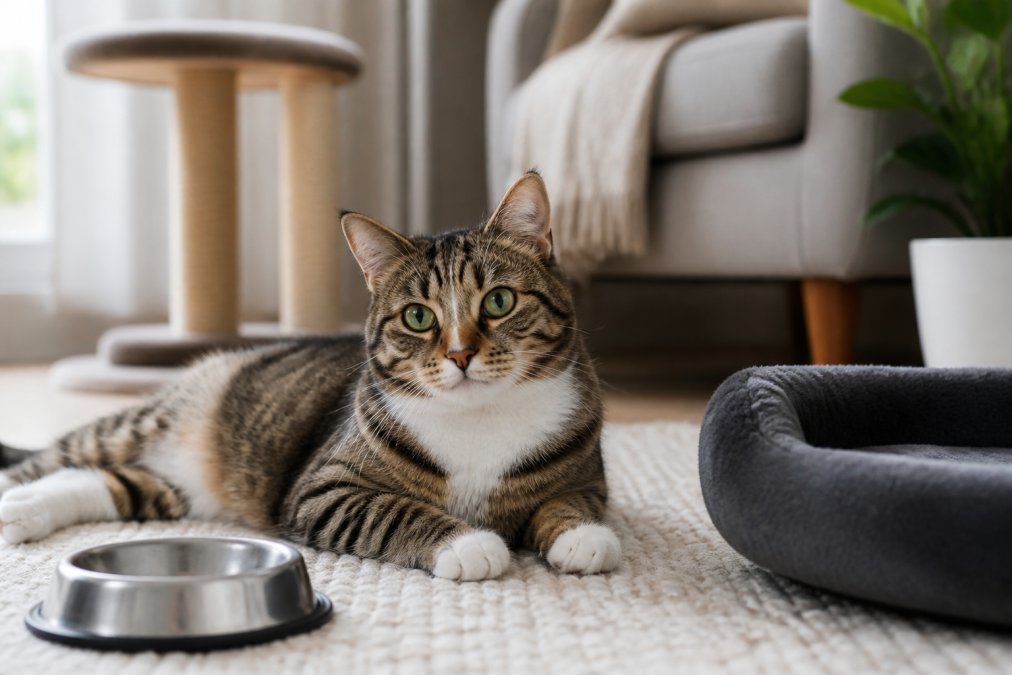
In-home cat sitting solves this problem. A professional sitter visits your home, where your cat already knows and trusts its surroundings. The cat stays in its own bed, uses its own litter box, and maintains its normal routine. For anxious or shy cats, this difference is transformative.
The Real Cost: In-Home Cat Sitting vs. Boarding
Most cat owners assume boarding is cheaper, but the actual cost comparison tells a different story when you factor in what you're paying for and what happens after your trip.
Direct Service Costs
In-home cat sitting typically ranges from $25 to $60 per 30-minute visit, depending on location and experience. For a five-day trip with one daily visit, you're looking at $125 to $300 total. Boarding facilities charge $25 to $50 per day, which sounds cheaper at $125 to $250 for the same five days.
However, boarding provides only a cage, basic food service, and minimal interaction. In-home sitting includes feeding, fresh water, litter box cleaning, medication administration, and 15 to 30 minutes of active engagement with your cat.
Hidden Boarding Costs
The real expense emerges when you account for what boarding doesn't include:
Medication and special care surcharges: Most facilities charge $5 to $15 extra per day for medication administration or special diets. A cat requiring daily insulin could add $25 to $75 to your bill.
Stress-related illness: Cats confined to unfamiliar spaces often develop stress-induced urinary tract infections or gastrointestinal upset (peer-reviewed research). A single veterinary visit costs $150 to $400, with treatment extending to $500 to $1,500 if hospitalization is needed (avma.org).
Behavioral recovery: Cats experiencing boarding anxiety often exhibit litter box avoidance, aggression, or hiding for weeks afterward. Some owners need to consult a veterinary behaviorist ($200 to $500 per consultation).
Escape or injury liability: Boarding facilities have liability limits, often capped at $500 to $2,000. If your cat escapes or is injured, you may face uncovered costs. In-home sitting eliminates this risk.
The Full Financial Picture
Consider a realistic five-day boarding scenario:
- Facility boarding: $150 (5 days × $30/day)
- Medication surcharge: $25
- Post-boarding stress-related vet visit: $200
- Follow-up antibiotics and recheck: $150
- Total: $525
The same trip with in-home sitting:
- Daily visits: $150 (5 days × $30.00/visit)
- No stress-related complications
- Total: $150
In-home sitting saves $375 and prevents unnecessary stress.
Cost-Benefit Decision Framework
Choose in-home sitting if:
- Your cat is over 10 years old
- Your cat has any chronic condition (diabetes, kidney disease, hyperthyroidism)
- Your cat requires medication
- Your cat has a history of stress-related illness
- You travel more than twice per year
- Your cat shows anxiety or behavioral sensitivity
Boarding may be acceptable if:
- Your cat is under 5 years old with no stress history
- Your cat has no medical needs
- You travel less than once per year
- Your cat has previously boarded without behavioral changes
- You've verified the facility's cleanliness, staff-to-cat ratio, and medical protocols
Consider a hybrid approach if:
- You need extended care (10+ days) and want to control costs
- Use in-home sitting for the first 5 to 7 days, then boarding for the remainder
For most cat owners, the real calculation isn't about price per day. It's about your cat's wellbeing and what you can afford to lose if something goes wrong.
Peace of Mind: What Professional In-Home Care Actually Delivers
Professional in-home cat sitting keeps your cat's life exactly the same while you're gone. Your cat wakes up in its own bed, eats from its own bowl, uses its own litter box, and plays with its own toys. This consistency matters far more than most people realize.
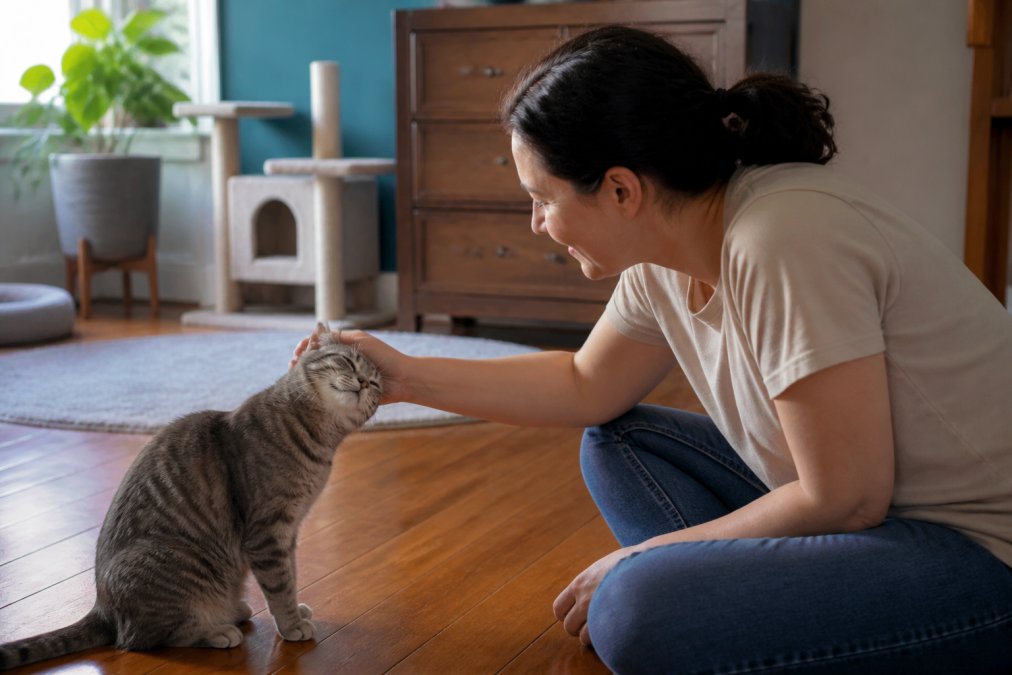
When you hire a professional sitter, you're hiring someone who understands cat behavior, recognizes signs of illness or distress, and maintains the specific routine your cat depends on. A good sitter notices if your cat is eating less, seems lethargic, or is avoiding the litter box, early warning signs of urinary tract infections or other medical issues.
Instead of wondering whether your cat is okay, you receive daily updates: photos, notes about behavior, confirmation that medication was given on time. This enables early detection. A sitter who notices your cat acting off can alert you immediately, potentially catching a health issue before it becomes critical.
Medication Administration and Special Needs
For cats requiring insulin injections, oral medications, or special dietary protocols, in-home sitting becomes essential. A sitter trained in medication administration can give injections at the exact time prescribed and monitor your cat's response. This is particularly important for diabetic cats or those with chronic conditions, as stress from boarding can destabilize blood sugar levels.
Bonded and Insured Protection
Hiring through a professional service means your cat is protected by liability insurance and bonded sitters. Background-checked, licensed sitters have accountability. If something happens to your cat, you have recourse and professional protocols in place. A professional sitter in your home creates a clear record of care with documented visits, photos, and communication.
Cat Sitter Drop-In Visit Frequency: How Often Does Your Cat Need Care?
The ideal visit frequency depends on your cat's age, health status, and behavioral needs. Most healthy adult cats can comfortably manage 24 hours without a visit, but daily visits are standard practice for cats away from their owners (aafco.org).
A single daily visit works for most situations. The sitter refreshes food and water, cleans the litter box, administers medications, and provides 15-20 minutes of interaction.
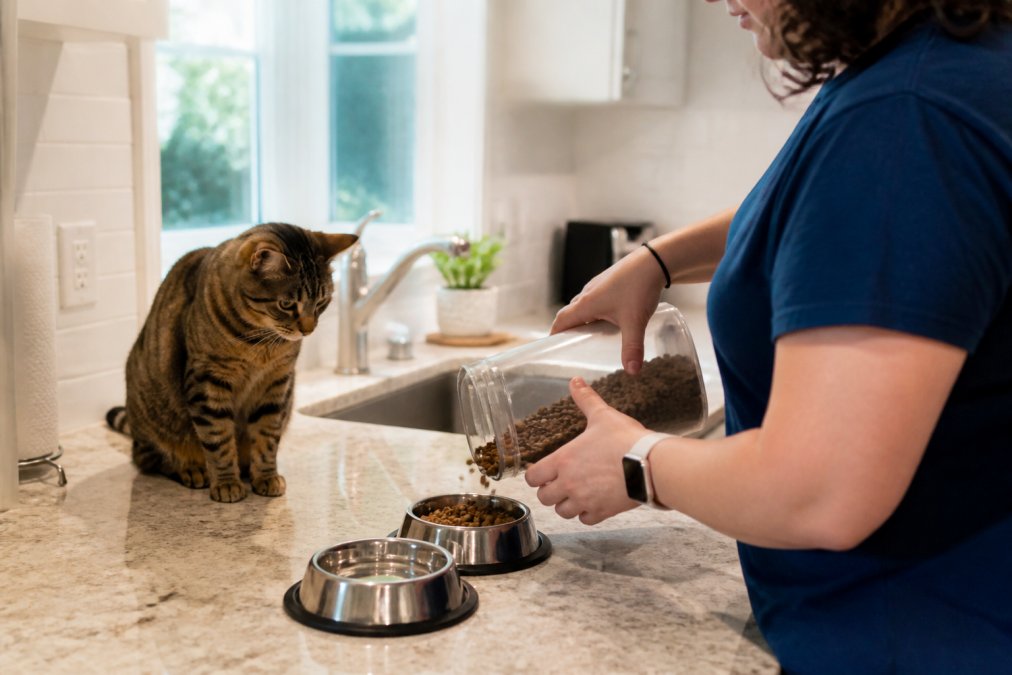
For cats with specific medical needs, diabetes, kidney disease, or behavioral anxiety, twice-daily visits become necessary. Diabetic cats need insulin at consistent 12-hour intervals. Anxious cats benefit from mid-day check-ins that break up long periods of isolation.
Kittens under six months old need more frequent visits because they can't regulate their own hydration. Elderly cats (over 15 years) also benefit from twice-daily visits to monitor for health changes and ensure they're eating enough.
How to Choose a Reliable Cat Sitter
Choosing the wrong sitter creates security risks and puts your cat's safety in jeopardy. The vetting process is where professional sitters justify their cost through accountability, training, and verified trustworthiness.
Verify Professional Credentials
Before scheduling a meet-and-greet, confirm that a sitter has legitimate professional standing:
Background checks: A reputable sitter should have completed a criminal background check through a third-party service. Ask to see documentation. If a sitter resists providing proof, that's a disqualifying red flag.
Insurance and bonding: Liability insurance protects you if your cat is injured or property is damaged. A bonded sitter means a surety company has verified their identity and trustworthiness. Ask for a Certificate of Insurance showing:
- General liability coverage of at least $1 million
- Coverage that explicitly includes pet care services
- Current expiration date
Professional affiliations: Organizations like the National Association of Professional Pet Sitters (NAPPS) and Pet Sitters International (PSI) maintain member directories and require members to adhere to ethical standards. Membership signals commitment to professional standards.
Conduct a Thorough Interview
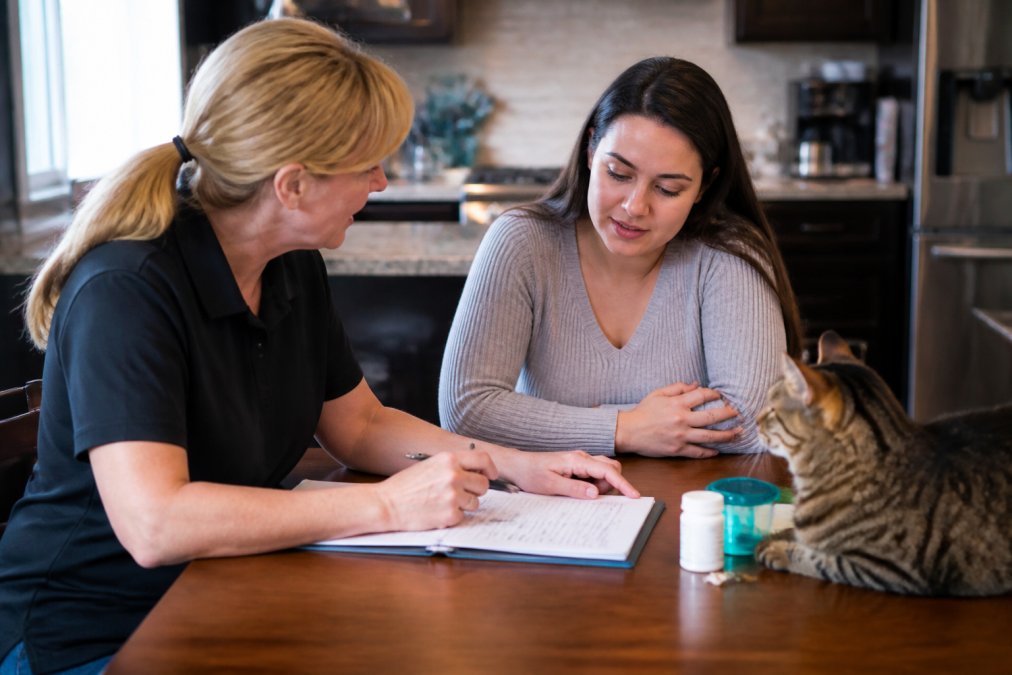
A good interview reveals whether a sitter understands cat behavior and can handle your specific situation. Ask about experience with medical needs, how they'd handle a cat that hides or acts aggressively, their protocol if they notice signs of illness, and their communication methods. Ask about cancellation policies, backup sitters, and what they'd do if they were sick.
Red flags include vague answers about experience, reluctance to discuss medical care, no clear communication protocol, defensive responses about background checks, unwillingness to provide references, or pricing significantly lower than local market rates.
Check References Thoroughly
Call references and ask how long they've used the sitter, how their cat behaves after visits, whether the sitter has missed visits, and if they'd trust them with a cat that has special needs. A sitter should provide at least three recent references from the past year.
Meet Your Cat Before Committing
Schedule a meet-and-greet visit. Observe how the sitter interacts with your cat, do they let the cat approach them, or chase the cat around? Does the sitter listen to your instructions and take notes? Do they ask questions about your cat's health, diet, and behavior? Trust your instinct. If you feel uncomfortable, that feeling is valid.
Interview Checklist for Vetting Sitters
- ☐ Background check completed and verified
- ☐ Liability insurance ($1M+ coverage) documented
- ☐ Bonded status confirmed
- ☐ Professional affiliations verified
- ☐ Minimum 2-3 years of cat care experience
- ☐ Experience with medication administration
- ☐ Three recent references provided and contacted
- ☐ Clear communication protocol established
- ☐ Backup sitter identified for emergencies
- ☐ Meet-and-greet completed; cat comfortable with sitter
- ☐ Written service agreement reviewed
- ☐ Emergency contact information exchanged
What Professional Accountability Actually Means
When you hire a professional sitter with insurance and bonding, you're paying for accountability. If something goes wrong, your cat escapes, is injured, or property is damaged, you have legal recourse. The sitter's insurance covers damages up to the policy limit. With an informal, uninsured sitter, you have no protection. This accountability is why professional in-home sitting costs more and why it's worth it.
Is In-Home Cat Sitting Worth It for Your Situation?
In-home cat sitting is worth it if: You have a cat with anxiety or behavioral sensitivity, your cat requires medication, you travel regularly, your cat is elderly or has chronic health conditions, or you value peace of mind over saving money.
Boarding might be sufficient if: You have a young, healthy, adaptable cat with no medical needs, you travel only once or twice per year, and your cat has previously tolerated boarding without behavioral issues.
Consider a hybrid approach if: You need extended care but want to control costs. Use in-home sitting for the first few days, then switch to boarding for longer trips.
The real calculation isn't about price per day. It's about your cat's wellbeing, your stress level, and what you can afford to lose if something goes wrong. For most cat owners, in-home cat sitting is the responsible choice. Your cat stays healthy, stays safe, and stays itself while you're away.
Choosing professional in-home care for your cat while you travel removes the guesswork and stress from pet care. Tracy's Kitty Care provides background-checked, licensed, bonded, and insured sitters who specialize exclusively in cats. Our sitters understand cat behavior, can administer medications, and communicate daily updates so you know exactly what's happening at home. Whether your cat needs basic care or has special medical needs, professional in-home sitting delivers the peace of mind that comes from knowing your cat is safe in familiar surroundings. Learn more about Tracy's Kitty Care's cat sitting service and discover how in-home care can be the best decision for your feline companion.
Frequently Asked Questions
Q: Is $30 a day good for in-home cat sitting?
A: At $30 per 30-minute visit, in-home cat sitting is cost-effective compared to boarding facilities, which typically charge $25-$60 per day or more. Tracy's Kitty Care's pricing covers feeding, fresh water, litter box cleaning, and playtime. The value depends on your cat's needs: for shy cats, cats requiring medication, or those with separation anxiety, the price reflects the personalized care and reduced stress your cat experiences at home versus a facility.
Q: What makes a cat sitter trustworthy and reliable?
A: Look for sitters who are background-checked, licensed, bonded, and insured. Background checks verify safety; bonding and insurance protect you financially if something goes wrong. Ask for references, request a meet-and-greet before your trip, and confirm they understand your cat's specific needs (medication, behavior, dietary restrictions). Tracy's Kitty Care's sitters meet all these standards, giving you documented proof of their credentials and accountability.
Q: Why do cats experience stress in boarding facilities?
A: Cats are territorial animals and experience significant stress when removed from their home environment. Boarding facilities expose them to unfamiliar sounds, smells, other animals, and handling by strangers, triggering anxiety and behavioral changes. Some cats stop eating, hide, or become aggressive. In-home cat sitting eliminates this stress by keeping your cat in their familiar space with a consistent routine, reducing the risk of stress-related illness and behavioral issues.
Q: How often should a cat sitter visit while I'm away?
A: For most healthy adult cats, one visit per day is sufficient, typically in the morning or evening. Cats can safely stay alone for 24-48 hours with proper food, water, and litter box access. However, kittens, senior cats, or those with medical conditions may need twice-daily visits. Shy or anxious cats benefit from daily visits to maintain routine and reduce separation anxiety. Discuss your cat's specific needs with your sitter to determine the right frequency.
This article was written using GrandRanker