 ultimate-guide
Signs of Anxiety in Cats: What to Watch For
Table of Contents
- How to Read the Signs of Anxiety in Cats
- Common Causes and Triggers of Feline Anxiety
- Cat Separation Anxiety Symptoms vs. Generalized Anxiety
- How to Calm an Anxious Cat: Step-by-Step Strategies
- Natural Remedies for Cat Anxiety: Pheromones, Supplements, and More
- When to See a Veterinarian About Cat Anxiety Signs
- How In-Home Care Reduces Feline Stress
- Conclusion
Last Updated: August 14, 2026
How to Read the Signs of Anxiety in Cats
Recognizing anxiety signs in cats is essential for any cat owner. Feline anxiety is persistent fear or apprehension that interferes with normal behavior and quality of life. The key is learning to read both physical and behavioral cues together. A cluster of symptoms, especially when new or worsening, signals something worth taking seriously.
Physical Signs: What Your Cat's Body Is Telling You
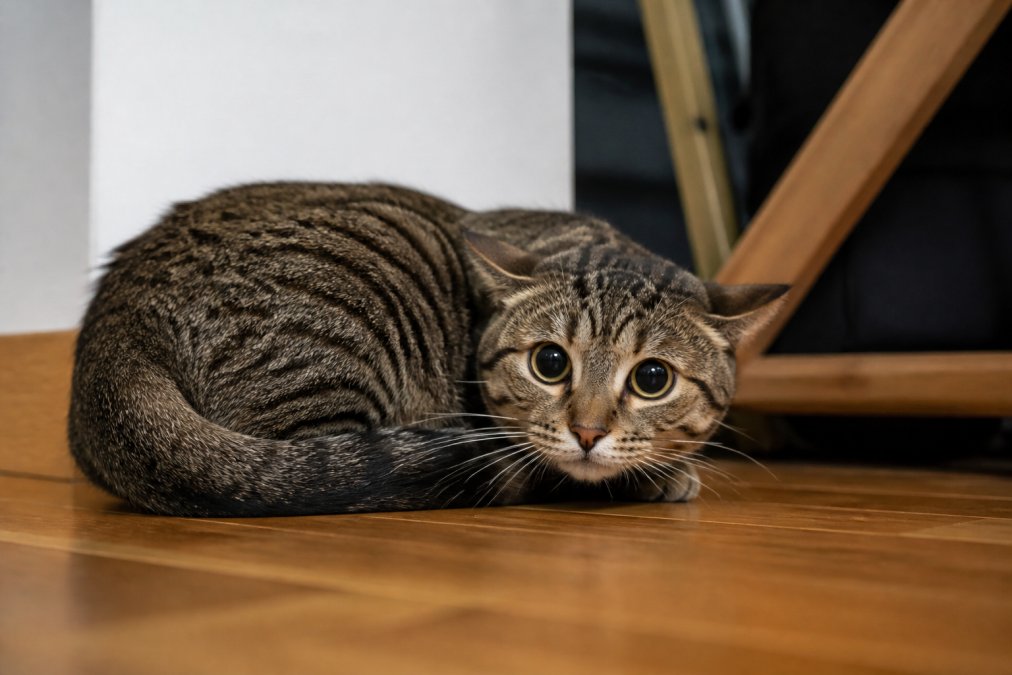
A cat's body language communicates stress long before obvious behavioral changes occur. These physical signs are your earliest warning system.
Watch for these physical indicators:
- Dilated pupils even in normal lighting, signaling fight-or-flight mode
- Flattened ears pressed back against the skull
- Tail tucked under the body or wrapped tightly around the legs
- Trembling or shaking during routine situations
- Panting in cats is almost never normal outside extreme heat; it's a recognized stress signal
- Lip licking and excessive yawning as displacement behaviors
- Overgrooming, which can lead to visible bald patches or raw skin
- Inappropriate urination outside the litter box, often linked to feline idiopathic cystitis, a stress-induced bladder condition documented by the Cornell Feline Health Center
When fight-or-flight activates repeatedly without resolution, it affects the immune system, digestion, and bladder function. Feline idiopathic cystitis is a common consequence of chronic stress, and many owners are surprised to learn litter box problems are often anxiety-driven rather than hygiene issues.
Behavioral Signs: Changes in Routine and Interaction
Physical signs show the body is stressed. Behavioral signs reveal how deeply stress affects daily life.
The most common behavioral signs include:
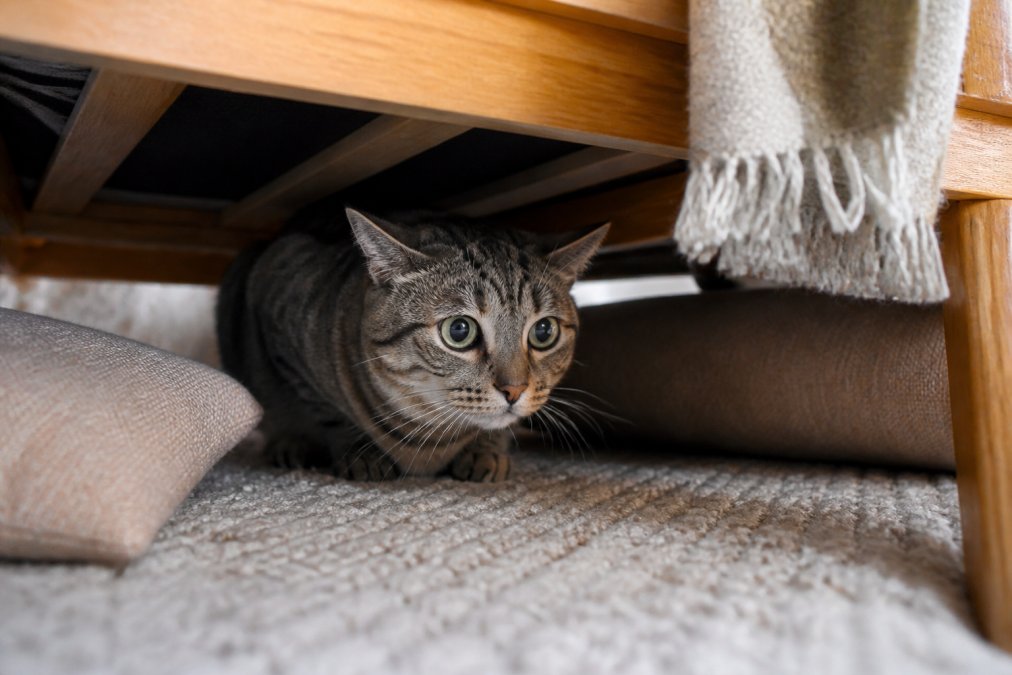
- Hiding behavior for extended periods, beyond occasional naps
- Social withdrawal from family members the cat previously sought out
- Vocalization, particularly nighttime yowling or excessive meowing
- Aggression that appears unprovoked, including redirected aggression after startle
- Restlessness and inability to settle
- Appetite changes, either refusing food or eating compulsively
- Litter box aversion, avoiding the box or eliminating near it
Owners often misread aggression. A cat that suddenly hisses, swipes, or bites isn't being "mean." The startle response has triggered a defensive reaction. Understanding this matters because punishment worsens anxiety-driven aggression significantly.
Common Causes and Triggers of Feline Anxiety
Most feline anxiety traces to disruption in safety and predictability. Cats are creatures of routine, and anything destabilizing their environment or social structure triggers stress.
Common triggers include:
- Changes in household routine, such as new work schedules or moves
- New people or animals introduced to the home
- Loud or unpredictable noise from construction, storms, or fireworks
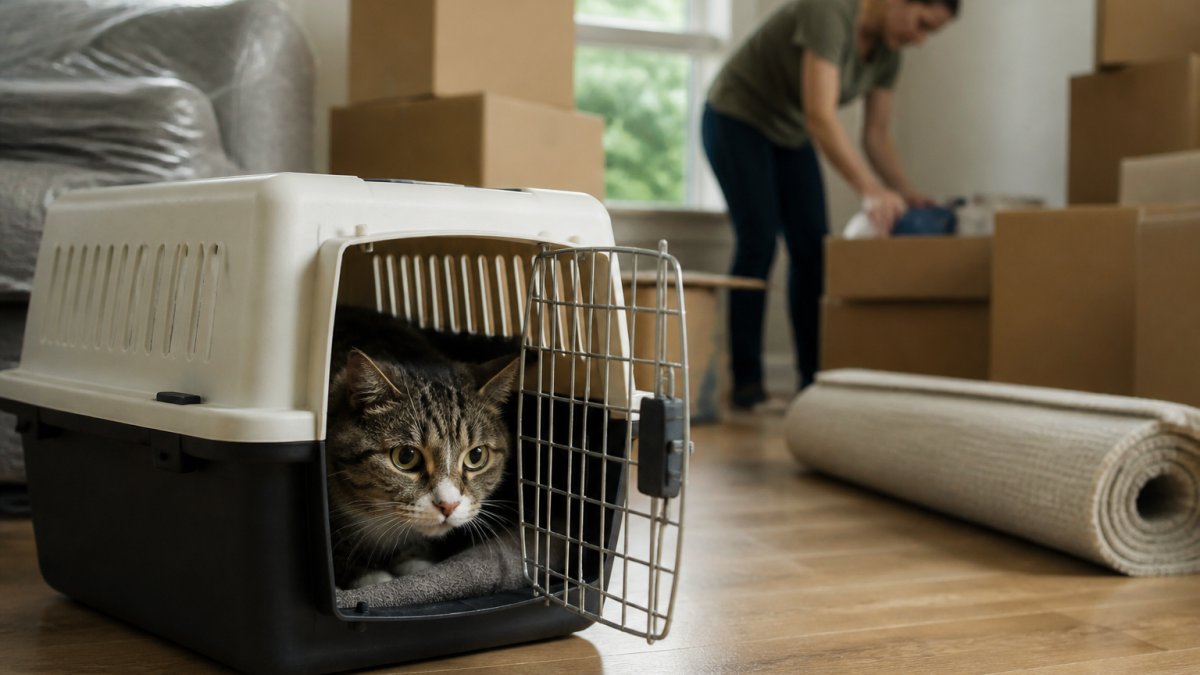
- Owner absence, particularly extended or unplanned trips
- Veterinary visits or car travel
- Loss of a companion, whether human or animal
What most guides miss is that triggers don't need to be dramatic. A rearranged piece of furniture, a new cleaning product smell, or a neighbor's outdoor cat visible through a window can trigger a sensitive cat.
Breed-Specific Anxiety Predispositions
Breed genetics play a meaningful role in temperament. Siamese and Oriental Shorthairs tend toward vocal distress and strong owner attachment. Burmese cats similarly form intense bonds and struggle when disrupted. Breeds like the British Shorthair and Ragdoll are generally more phlegmatic, though no breed is immune.
Early socialization history often matters more than genetics. A kitten with limited positive human contact before 7-9 weeks of age is more likely to develop anxiety-related behaviors as an adult.
Anxiety in Senior Cats vs. Kittens
Anxiety presents differently across life stages.
Kittens are naturally reactive and easily startled, but persistent hiding, refusal to eat, or aggression beyond the first few weeks warrants early attention, since behavioral patterns established in kittenhood tend to persist.
Senior cats (typically 11 years and older) may develop anxiety as a secondary symptom of cognitive dysfunction syndrome, hyperthyroidism, or chronic pain. A cat that suddenly becomes clingy, disoriented, or vocally distressed at night may have a direct medical cause. According to the American Association of Feline Practitioners, cognitive dysfunction in senior cats is underdiagnosed, and behavioral changes should always prompt veterinary evaluation before assuming behavioral origin.
Cat Separation Anxiety Symptoms vs. Generalized Anxiety
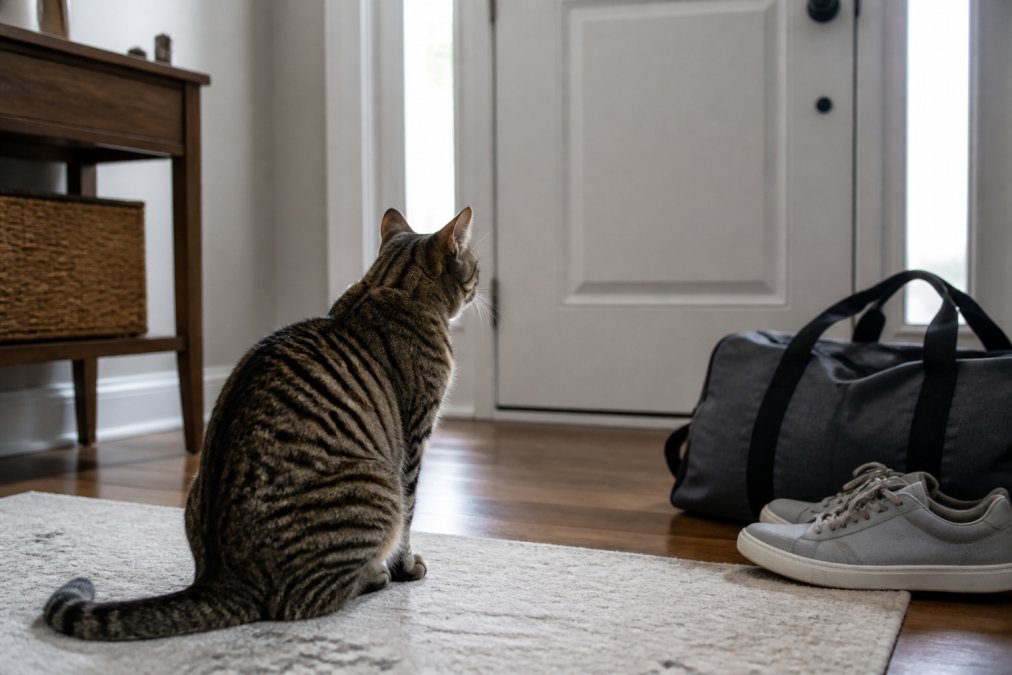
Separation anxiety is triggered specifically by owner departure or absence. Signs are tied to that stressor: destructive behavior when left alone, excessive vocalization as you prepare to leave, inappropriate urination on owner's belongings, and unusually intense greetings upon return.
Generalized anxiety is more diffuse. The cat is anxious across multiple situations, not just when the owner is absent. Hiding behavior, chronic overgrooming, and persistent social withdrawal are present regardless of owner presence.
The practical difference: separation anxiety responds well to departure desensitization and enrichment strategies. Generalized anxiety usually requires broader environmental and sometimes medical approaches.
Symptom | Separation Anxiety | Generalized Anxiety |
|---|---|---|
Triggered by owner leaving | Yes | No |
Inappropriate urination on owner's items | Common | Less common |
Overgrooming | Possible | Very common |
Hiding from all people | Rare | Common |
Vocalization at departure | Frequent | Situational |
Responds to enrichment alone | Often | Partially |
Requires medication | Sometimes | More often |
How to Calm an Anxious Cat: Step-by-Step Strategies
Calming an anxious cat starts with one principle: reduce unpredictability. Cats don't self-soothe like dogs. They need their environment to do the work.
Step 1: Identify and reduce the trigger. Observe when and where anxiety peaks. Is it time-based, location-based, or tied to a specific person or animal? Eliminating the trigger is more effective than managing the response.
Step 2: Create a designated safe space. A safe space is a quiet, enclosed area where the cat can retreat without being followed. A covered cat bed in a low-traffic room, a cardboard box with a blanket, or a dedicated shelf works well. No one approaches the cat in this space.
Step 3: Maintain a strict routine. Feed, play, and interact at the same times daily. Predictability lowers baseline cortisol levels over time.
Step 4: Use calming body language. Slow blinking, avoiding direct eye contact, and crouching to the cat's level rather than looming signals safety.
Step 5: Introduce environmental enrichment gradually. See the section below for specifics.
Environmental Enrichment and Safe Spaces
Environmental enrichment modifies the home to give cats more control, choice, and stimulation. This addresses the root cause of many anxiety behaviors by meeting instinctive needs for territory, height, and hunting activity.
Effective enrichment strategies include:
- Vertical space: Cat trees, wall-mounted shelves, and window perches give elevated vantage points that reduce vulnerability
- Hiding spots at multiple levels: Enclosed perches and covered beds at height, not just floor-level boxes
- Window access with bird feeders outside: Visual stimulation satisfying hunting instincts
- Multiple litter boxes: The guideline from the American Veterinary Medical Association is one box per cat plus one extra, placed in different locations
- Feeding puzzles: Slow feeders and food puzzles engage foraging instincts and reduce anxious eating
Interactive Play Therapy Protocols
Interactive play is one of the most underused tools for managing feline anxiety. Play mimics the hunt cycle, stalk, chase, catch, kill, eat. Completing this cycle consistently reduces restlessness and redirects anxious energy.
A basic interactive play protocol:
- Play for 10-15 minutes, twice daily, at consistent times
- Use a wand toy allowing the cat to stalk, chase, and pounce without your hand as target
- Move the toy like prey: slow and erratic, not fast and chaotic
- Always end with a "catch": let the cat grab and bite the toy several times before putting it away
- Follow play with a small meal or treat to complete the hunt cycle
The most common mistake is ending play abruptly. A cat that never "caches" its prey ends frustrated and aroused, worsening anxiety rather than relieving it.
Natural Remedies for Cat Anxiety: Pheromones, Supplements, and More
Natural remedies for cat anxiety range from well-supported to speculative.
Pheromone therapy is the most evidence-backed non-prescription option. Synthetic feline facial pheromone products (diffusers, sprays, and collars) mimic calming signals cats leave when rubbing their faces on objects. Many veterinary behaviorists recommend them as first-line environmental intervention. Diffusers typically take 2-4 weeks to show full effect and work best in rooms where the cat spends the most time.
Supplements vary in quality and evidence. L-theanine and alpha-casozepine (a milk protein derivative) have the most peer-reviewed support for mild anxiety. CBD products for cats remain under-researched with inconsistent dosing guidance.
Herbal remedies like valerian and chamomile are sometimes marketed for cats, but evidence is thin and some contain ingredients toxic to cats. Always verify safety with a veterinarian before introducing any supplement.
Pheromone diffusers are worth trying for most anxious cats. Supplements can be useful adjuncts for mild-to-moderate anxiety. Neither replaces behavioral modification or prescription medication when needed.
When to See a Veterinarian About Cat Anxiety Signs
Some anxiety signs resolve with environmental changes. Others require professional intervention.
See a veterinarian promptly if your cat shows:
- Sudden, unexplained behavioral changes in a previously calm cat (rule out medical causes first)
- Inappropriate urination that has become frequent or is accompanied by blood or straining
- Self-injurious overgrooming with skin lesions or open sores
- Complete appetite loss lasting more than 24 hours
- Escalating aggression or aggression resulting in injury
- Signs of cognitive dysfunction in senior cats: nighttime disorientation, staring at walls, or getting stuck in corners
A veterinarian can rule out medical conditions mimicking anxiety, assess whether prescription anxiolytics are appropriate, and refer to a veterinary behaviorist for complex cases. Behavioral modification combined with medication produces better outcomes than either approach alone.
Unaddressed anxiety tends to compound. A cat that hides occasionally becomes one that never comes out. Starting the conversation with your vet early is always right.
How In-Home Care Reduces Feline Stress
For anxious cats, the environment itself is therapy. Removing a cat from home, even temporarily, strips away every element making it feel safe: familiar scents, known territory, established hiding spots, and predictable routines.
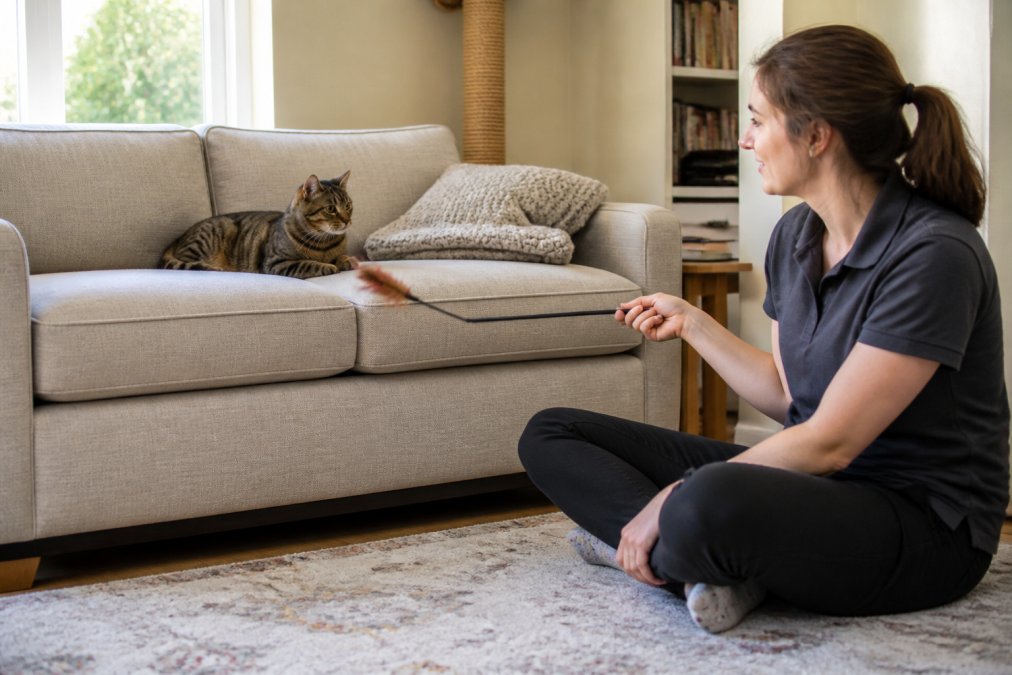
Boarding facilities, however clean and well-run, place anxious cats near unfamiliar animals, sounds, and people. For a cat managing chronic stress, this is not neutral. Many owners return from travel to find their cat has developed new anxiety behaviors or litter box regressions taking weeks to resolve.
In-home care keeps the cat in its own territory. Familiar smells, established safe spaces, and consistent feeding locations remain intact. A sitter understanding anxious cat behavior can work with the cat at its own pace, allowing approach rather than forcing interaction.
Tracy's Kitty Care specializes exclusively in cats and works with shy, nervous, and medically complex cats. All sitters are background-checked, and the service is licensed, bonded, and insured. For cats needing daily medication, the same consistency applies: a familiar routine with a familiar face is far less disruptive than boarding.
Feline anxiety is common, often underrecognized, and very treatable when caught early. Cats hide distress masterfully, so by the time signs are obvious, anxiety has often built for weeks or months. If you're seeing changes in your cat's body language, litter box habits, grooming patterns, or social behavior, trust that instinct. For cat owners who travel and worry about leaving an anxious or shy cat in unfamiliar hands, Tracy's Kitty Care offers in-home sitting by background-checked, licensed, and insured sitters who understand that nervous cats need time, patience, and a calm environment. Visit Tracy's Kitty Care to learn more about how in-home care keeps your cat comfortable while you're away.
Frequently Asked Questions
What are the most common physical signs of stress in a cat?
The most recognizable physical signs of anxiety in cats include dilated pupils, flattened ears, tail twitching or tucking, panting, trembling, and excessive grooming that leads to bald patches. Some cats also show lip licking and a crouched posture during a startle response. Stress can also trigger feline idiopathic cystitis, causing inappropriate urination outside the litter box. If several of these signs appear together or persist, a veterinary consultation is the right next step.
How can I tell if my cat is suffering from separation anxiety?
Cat separation anxiety symptoms tend to appear specifically when you leave or prepare to leave. Watch for excessive vocalization, destructive behavior, inappropriate urination near your belongings, overgrooming, and appetite changes when you are away. Unlike generalized anxiety, these behaviors improve once you return home. Cats that follow you from room to room and become visibly distressed at the sight of luggage or a coat are strong candidates for a separation anxiety diagnosis. A veterinarian can confirm and recommend treatment.
What are some natural ways to relieve anxiety in cats?
Several natural remedies for cat anxiety have practical evidence behind them. Synthetic pheromone diffusers that mimic feline facial pheromones can reduce feline stress in the home environment. L-theanine and certain calming supplements are used by many owners with positive results, though you should discuss any supplement with your vet first. Environmental enrichment — vertical space, hiding spots, and consistent interactive play therapy sessions — also lowers cortisol-driven anxiety without medication.
When should I consult a veterinarian about my cat's behavior?
Schedule a veterinary consultation when anxiety signs are severe, sudden, or worsening over time. Persistent inappropriate urination, significant appetite changes, self-injurious overgrooming, or aggression that appears out of nowhere all warrant professional evaluation. A vet can rule out medical causes and, if needed, discuss anxiolytics or behavioral modification plans. Early intervention prevents chronic feline stress from becoming a long-term health problem.
This article was written using GrandRanker