 comparison
Paws Buffalo Alternatives for Cats: 2026 Guide
Table of Contents
- What Makes a Good Paws Buffalo Alternative for Cats
- Best Cat Food Brands for Sensitive Stomachs
- Comparing Wet vs. Dry Food Alternatives
- How to Transition Cat Food Safely
- Reading Labels: What to Look For in a Paws Buffalo Alternative
- Life-Stage Specific Alternatives
- Why In-Home Care Complements Quality Nutrition
- Conclusion
Last Updated: August 22, 2026
What Makes a Good Paws Buffalo Alternative for Cats
When you're evaluating a Paws Buffalo alternative for cats, you're really asking: what separates a food that keeps your cat thriving from one that leaves her with digestive upset, dull coat, or behavioral changes? The answer lies in understanding what feline nutrition actually demands, and where many mainstream options fall short.
Cats are obligate carnivores, meaning their bodies evolved to extract nutrients primarily from animal protein, not plant-based fillers or grain-heavy formulations (aafco.org). A quality alternative to Paws Buffalo should deliver a high meat-first ingredient list, appropriate taurine levels (an essential amino acid cats cannot synthesize themselves) (peer-reviewed research), and a digestibility profile that matches individual cats' sensitivities. This isn't just marketing language, it's the difference between a cat that maintains ideal weight and energy versus one that requires constant vet visits.
The brands worth considering share several non-negotiable traits. First, they list a named animal protein as the primary ingredient, chicken, beef, fish, or turkey, not meat by-products or rendered meals. Second, they're transparent about sourcing and manufacturing. Third, they acknowledge that not all cats tolerate the same ingredients; what works beautifully for one cat may trigger sensitivities in another. At Tracy's Kitty Care, we've observed that cats on thoughtfully chosen diets can show better coat quality, more stable energy, and fewer behavioral issues during visits.
The best alternatives also recognize that nutrition is one pillar of feline wellness. Consistent feeding schedules, stress-free environments, and reliable caregiving during your absences all compound the benefits of a quality diet. When your cat stays in familiar surroundings with a trusted caregiver who maintains her routine, the nutritional foundation you've built actually delivers results.
Best Cat Food Brands for Sensitive Stomachs
If your cat struggles with gastrointestinal upset, food sensitivities, or chronic digestive issues, the ingredient list matters more than marketing claims. A limited ingredient diet, one that eliminates common triggers like corn, wheat, soy, and artificial additives, often resolves problems that seem mysterious until you examine what's actually in the bowl.
Brands formulated for sensitive stomachs typically feature a single, high-quality protein source paired with minimal carbohydrate content and enhanced digestibility. Look for named proteins (chicken, turkey, fish) rather than vague terms like "meat meal" or "poultry by-products." The presence of added probiotics or digestive enzymes signals that the manufacturer understands feline gastrointestinal health.
Some standout options include Primal Raw, which uses freeze-dried raw meat to maximize nutrient density and digestibility; Tiki Cat, known for limited ingredient formulations without grains or fillers; and Weruva, which emphasizes whole-meat proteins and transparent sourcing. Each brand takes a different approach, raw feeding, grain-free kibble, or high-moisture canned food, but all prioritize digestibility and ingredient transparency.
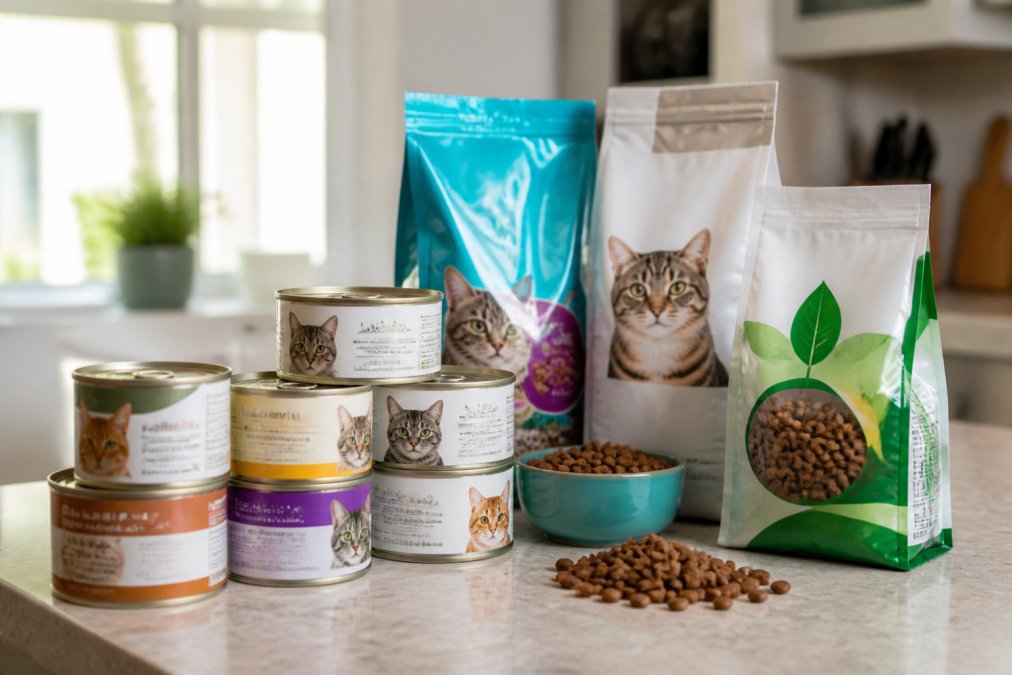
The critical distinction is that sensitive-stomach formulations aren't just "lighter" versions of standard foods. They're engineered differently. They use novel proteins (like duck or venison) that cats haven't been exposed to repeatedly, reducing the likelihood of food sensitivities. They minimize carbohydrates, which cats struggle to digest efficiently. They often include added fiber to support gut health. When switching to a sensitive-stomach formula, most cats show improvement within 2-3 weeks, clearer eyes, firmer stools, reduced vomiting, and noticeably better behavior (peer-reviewed research).
| Brand | Protein Source | Grain-Free | Best For | Price Range |
|---|---|---|---|---|
| Primal Raw | Whole meat (freeze-dried) | Yes | Digestive issues, raw-feeding advocates | Premium |
| Tiki Cat | Named single protein | Yes | Limited ingredient needs | Mid-range |
| Weruva | Whole fish or meat | Yes | Picky eaters, high palatability | Mid-to-premium |
| Instinct Raw Boost | Meat + freeze-dried raw | Yes | Cats needing nutrient density | Premium |
Comparing Wet vs. Dry Food Alternatives
The wet-versus-dry debate isn't really about which is "better", it's about which aligns with your cat's needs and your lifestyle. Each format has legitimate advantages and real trade-offs.
Wet food (canned or pouch) delivers higher moisture content, which supports kidney and urinary tract health, a significant advantage for cats prone to urinary issues. The high water content also aids digestion and often feels more palatable to cats with dental problems or older felines with reduced appetite. From a nutritional standpoint, wet food typically concentrates more actual meat in each serving, since you're not paying for water weight like you are with kibble. The downside: wet food spoils quickly once opened, requires refrigeration, and costs significantly more per calorie than dry alternatives.
Dry kibble offers convenience, cost-effectiveness, and the minor benefit of mechanical chewing action on teeth. It stores easily, doesn't require refrigeration, and delivers consistent portions. However, kibble is inherently lower in moisture, typically 10-12% water versus 70-80% in wet food, which means cats eating only dry food often don't drink enough water to maintain optimal hydration. This can contribute to kidney stress and urinary issues over time.
The practical solution many cat owners adopt is a mixed approach: primarily wet food supplemented with limited dry kibble. This strategy captures wet food's hydration and digestibility benefits while maintaining some convenience and cost control. Some cats thrive on 100% wet food; others do fine with primarily dry. The key is observing your individual cat's energy, coat quality, litter box habits, and overall behavior.
When evaluating alternatives to Paws Buffalo, consider whether the brand offers both formats. Consistency matters, a cat switching from one brand's wet food to another brand's dry kibble faces a double transition (format + formula), which increases the likelihood of digestive upset.
How to Transition Cat Food Safely
Most digestive upset during a diet change stems from rushing the transition. Cats have sensitive gastrointestinal systems adapted to specific diets, and abrupt switches trigger inflammation, loose stools, vomiting, or refusal to eat altogether. A gradual transition over 7-10 days minimizes these problems.
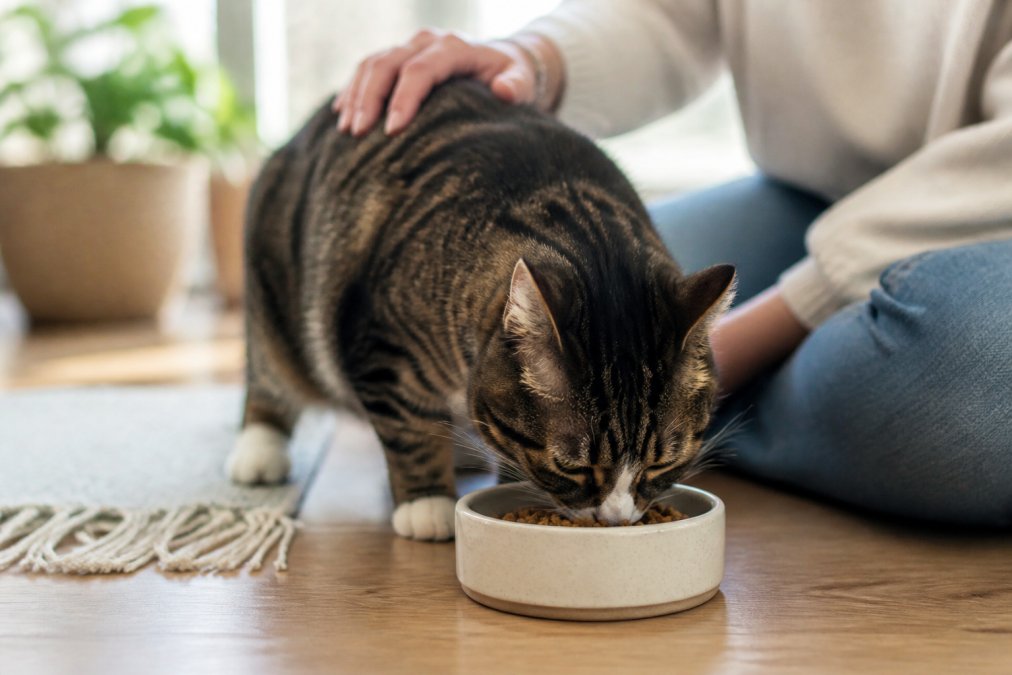
The standard protocol is straightforward. Days 1-2: Mix 75% old food with 25% new food. Days 3-4: Use a 50/50 blend. Days 5-6: Shift to 25% old food and 75% new. Days 7-10: Transition fully to the new food. Watch for changes in stool consistency, appetite, or behavior. If your cat shows significant digestive upset (diarrhea, vomiting, extreme pickiness), slow the transition further, stretch it to 14 days instead.
Some cats are pickier than others. If your cat refuses the blend, try warming the new food slightly to enhance aroma and palatability. For wet food transitions, you can moisten dry kibble or mix wet and dry together. Patience here prevents weeks of digestive problems later.
One often-overlooked factor: stress during dietary changes amplifies digestive sensitivity. If you're transitioning food while also managing other stressors, new pets, household changes, or travel, your cat's system is more reactive. This is where consistent, familiar caregiving matters. When Tracy's Kitty Care visits maintain your cat's routine during your absence, we're not just feeding and refreshing the litter box. We're preserving the environmental stability that allows her digestive system to adapt smoothly to dietary changes.
Reading Labels: What to Look For in a Paws Buffalo Alternative
Cat food labels are deliberately complex, mixing marketing language with actual nutritional information. Learning to decode them transforms you from a label-reader into someone who actually understands what your cat is eating.
Start with the ingredient list. The first three to five ingredients comprise the bulk of the formula. For a quality Paws Buffalo alternative for cats, you want a named animal protein (chicken, beef, turkey, fish) listed first, not "poultry meal," "meat by-products," or grains. By-products are technically rendered animal parts; they're not inherently harmful, but they signal that the manufacturer prioritizes cost over ingredient quality.
Next, check for the AAFCO (Association of American Feed Control Officials) statement. This confirms the food meets minimum nutritional standards for either "growth" (kittens), "maintenance" (adult cats), or "all life stages." It's not a quality guarantee, but it's a baseline assurance that the food isn't nutritionally incomplete.
Look for named fat sources (chicken fat, fish oil) rather than generic "animal fat." Examine the guaranteed analysis for crude protein percentage, aim for 30-40% for adult cats, and crude fat around 10-15%. Taurine should be explicitly listed; for cats, this isn't optional. Fiber content matters too; excessive fiber (over 5%) can indicate filler rather than nutrient density.
Red flags include vague ingredient terms ("meat meal," "poultry by-products"), artificial preservatives (BHA, BHT, ethoxyquin), artificial colors, and excessive grain content. The presence of corn, wheat, or soy early in the ingredient list suggests the formula prioritizes cheap fillers over feline nutritional needs.
Life-Stage Specific Alternatives
Kittens, adult cats, and senior felines have dramatically different nutritional demands. A quality alternative to Paws Buffalo should offer formulations tailored to these life stages, not a one-size-fits-all approach.
Kitten formulas require higher protein (35-40%) and fat (15-20%) to support rapid growth and development. They also need higher calorie density, kittens burn energy quickly. DHA (an omega-3 fatty acid) supports brain development, so quality kitten foods include this explicitly. Growth-stage nutrition sets the foundation for lifelong health; this is not the phase to economize.
Adult maintenance formulas (typically for cats ages 1-7) balance protein and fat to maintain ideal weight and energy. Most adult cats thrive on 30-35% protein and 10-15% fat. This is the longest phase of a cat's life, and consistency matters, a stable, appropriate diet during these years prevents many age-related issues.
Senior formulas (for cats 7+ years) address age-related changes. Older cats often lose appetite and muscle mass, so senior foods typically feature higher protein (30-35%) and enhanced palatability to encourage eating. Some senior formulas include joint-support ingredients like glucosamine, though evidence for their effectiveness in cats is limited. The real priority is maintaining protein intake to preserve muscle mass and supporting kidney health through controlled phosphorus levels.
When evaluating alternatives, check whether the brand offers these distinctions. A manufacturer that produces only one formula is essentially ignoring the reality that a growing kitten and a 12-year-old senior have completely different needs. Quality brands recognize these differences and formulate accordingly.
Why In-Home Care Complements Quality Nutrition
Here's an overlooked truth: the best diet in the world delivers diminished results if your cat is stressed, anxious, or struggling with environmental changes. Nutrition and caregiving are interconnected.
When you travel, your cat faces disruption to her routine, different feeding times, unfamiliar people handling her, possible changes to her environment. Even cats that adapt well experience some stress. This stress suppresses appetite, impairs digestion, and can trigger behavioral issues like litter box avoidance or excessive vocalization. A cat in this state won't derive full benefit from a premium diet because her system isn't optimized for nutrient absorption.
Professional in-home cat sitting preserves the environmental consistency that allows nutrition to work effectively. When the same trusted caregiver visits at consistent times, feeds your cat on schedule, maintains her litter box routine, and provides familiar interaction, you're not just ensuring basic care. You're eliminating a major stressor that would otherwise interfere with digestive health and nutrient use.
At Tracy's Kitty Care, our background-checked, licensed, bonded, and insured sitters understand that consistent care is part of comprehensive feline wellness. We maintain your cat's established routine, administer medications or special diets exactly as prescribed, and provide the calm, familiar presence that allows your cat to thrive during your absence. For cats with dietary sensitivities or those transitioning to new foods, this consistency is invaluable.
The combination, quality nutrition plus reliable, consistent caregiving, is where real results emerge. A cat eating premium food while experiencing boarding stress or inconsistent care won't show the coat quality, energy, or behavioral stability that the nutrition alone could deliver. Conversely, a cat on a mediocre diet but receiving excellent in-home care will perform better than you'd expect. The two factors compound.
Choosing the right Paws Buffalo alternative for cats requires moving beyond brand loyalty or price comparisons. It demands understanding your individual cat's digestive needs, life stage, and behavioral patterns. The best alternative is the one that delivers visible results, stable energy, excellent coat quality, consistent digestion, and behavioral stability, for your specific cat.
When you've found the right food and established a feeding routine that works, protect that foundation with consistent caregiving during your absences. Tracy's Kitty Care provides exactly that: professional, trustworthy in-home cat sitting that maintains your cat's routine, administers medications reliably, and ensures her nutritional and environmental needs remain stable whether you're away for a weekend or two weeks. Your cat's wellness depends on both pieces working together. Learn more about our in-home cat sitting services
Frequently Asked Questions
What makes a good Paws Buffalo alternative for cats?
A quality alternative should contain animal-based protein as the primary ingredient, meet AAFCO standards for feline nutrition, include essential amino acids like taurine, and avoid artificial preservatives and excessive fillers. Look for named meat sources rather than vague 'meat by-products,' and consider your cat's age, activity level, and any food sensitivities. Many alternatives offer better digestibility and nutrient density than standard options, which can improve digestive health and overall wellness.
How do I transition my cat to a new food brand safely?
Gradual transitions prevent gastrointestinal upset. Mix 25% new food with 75% old food for days 1-3, then 50/50 for days 4-7, then 75% new with 25% old for days 8-10, and finally 100% new food by day 11. This transition period allows your cat's digestive system to adjust. If your cat shows signs of food sensitivity like vomiting or diarrhea, slow the transition further. Some cats need 2-3 weeks rather than 10 days, especially if switching from grain-inclusive to grain-free diets.
What are the best cat food brands for sensitive stomachs?
Limited ingredient diets and hypoallergenic formulas work well for cats with food sensitivities. Look for brands that use single, identifiable protein sources, avoid common allergens like corn and soy, and include digestive support ingredients like probiotics. Wet food options often have better palatability and digestibility than dry kibble for sensitive cats. Freeze-dried raw or high-moisture diets can also reduce digestive upset. Always consult your veterinarian to rule out underlying health issues before switching to a limited ingredient diet.
Is wet food or dry kibble better when switching cat food brands?
Wet food typically offers higher moisture content, better palatability, and easier digestion, making it ideal for cats transitioning to new brands or those with sensitivities. Dry kibble is more convenient and cost-effective but may be harder on digestive systems during a transition. Many cat owners find combining both, wet food for main meals and dry kibble for snacking, provides the best nutritional profile and keeps cats engaged with their diet while supporting digestive health.
How do I know if my cat has a food sensitivity?
Common signs include vomiting, diarrhea, constipation, excessive scratching, or lethargy after eating. Some cats develop gastrointestinal upset within hours of eating a problematic ingredient, while others show delayed reactions. If you notice these symptoms, keep a food diary and consult your veterinarian to identify the trigger. Your vet can recommend an elimination diet using limited ingredient options to pinpoint the exact cause and suggest hypoallergenic alternatives that support your cat's digestive health.
This article was written using GrandRanker