 comparison
Why Cats Hate Boarding Facilities (And What to Do)
Table of Contents
- Why Cats Hate Boarding Facilities: The Science of Feline Stress
- Signs of Stress in Cats at a Boarding Facility
- Cat Boarding vs Pet Sitting: What Actually Reduces Anxiety?
- The Benefits of In-Home Cat Sitting for Anxious Felines
- How to Prepare Your Cat for Boarding (If You Must)
- The Trial Stay and Pheromone Therapy: Calming Aids That Work
- Post-Boarding Decompression: Helping Your Cat Settle Back In
- Conclusion
- Frequently Asked Questions
Last Updated: September 7, 2026
Why Cats Hate Boarding Facilities: The Science of Feline Stress
Cats are territorial creatures by nature, and the question of why cats hate boarding facilities almost always traces back to this fundamental instinct. Unlike dogs, who often view new environments as adventures, a cat’s sense of security is tied directly to familiar scents, spaces, and routines. Removing a cat from its home strips away its primary defense mechanism, leaving it exposed and vulnerable.
Most cats experience measurable stress when confined to a kennel. This stress is not stubbornness but a biological response to sensory overload, strange sounds, foreign feline odors, and the absence of their owner’s scent. Indicators like excessive hiding, appetite suppression, and vocalization are normal reactions to a threatening situation.
Below, we’ll break down the science behind this anxiety, help you recognize the signs of stress, and show you how to choose care that actually reduces feline anxiety rather than amplifying it.
Signs of Stress in Cats at a Boarding Facility
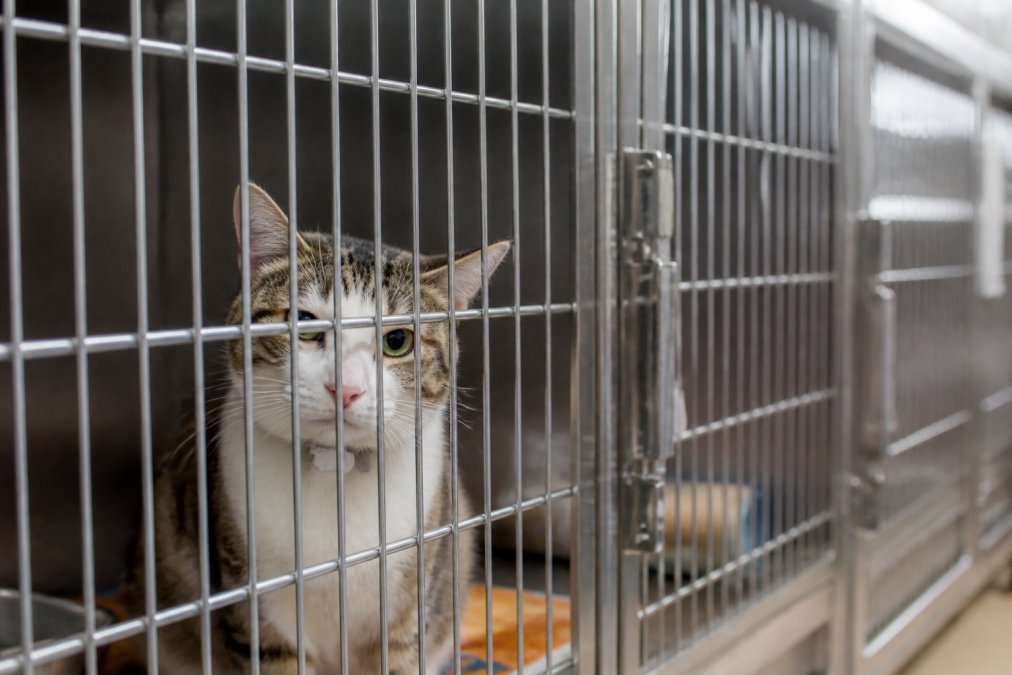
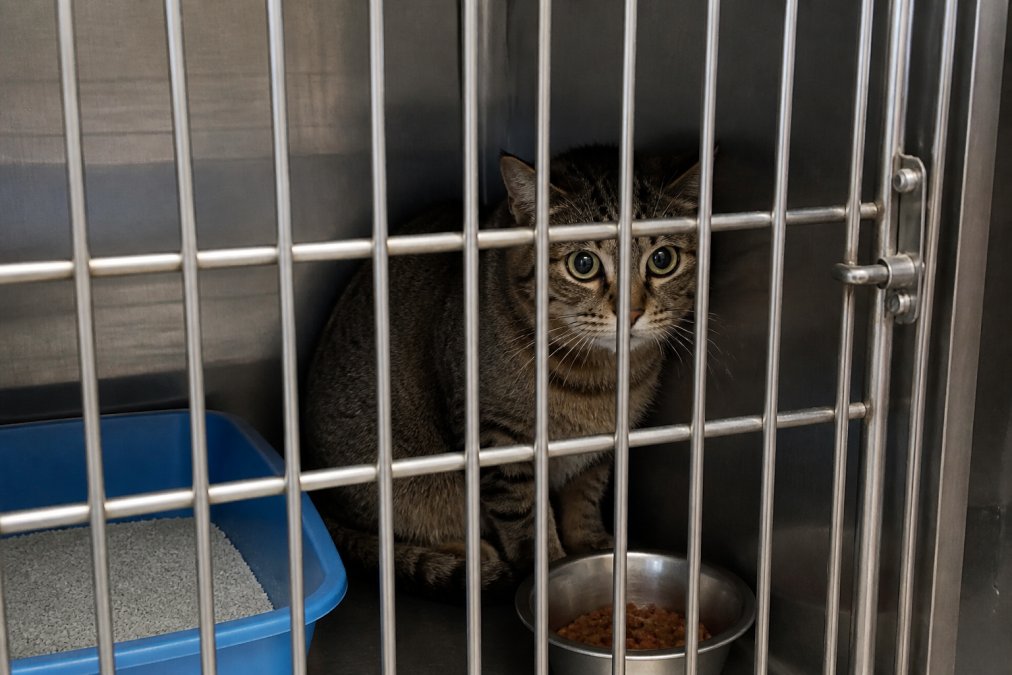
The most obvious signs of stress in cats include refusing food, hiding at the back of the cage, and excessive grooming that can lead to bald patches. A normally social cat may become withdrawn, while others respond with aggression, hissing, or spraying to mark unfamiliar territory.
Other indicators are subtler. Watch for changes in litter box habits, since a stressed cat may urinate outside the box or stop using it entirely. Appetite suppression is common, and elevated cortisol can weaken immunity, leading to stress-induced illness like upper respiratory infections. Routine disruption is a major trigger; a facility's fixed schedule rarely matches a cat's natural rhythm.
Cat Boarding vs Pet Sitting: What Actually Reduces Anxiety?
The decision between cat boarding vs pet sitting comes down to one question: does your cat feel safer in a strange place with veterinary supervision, or in its own territory with a visitor? For most cats, the answer is clear, staying home eliminates the primary stressors of territorial disruption and sensory overload.
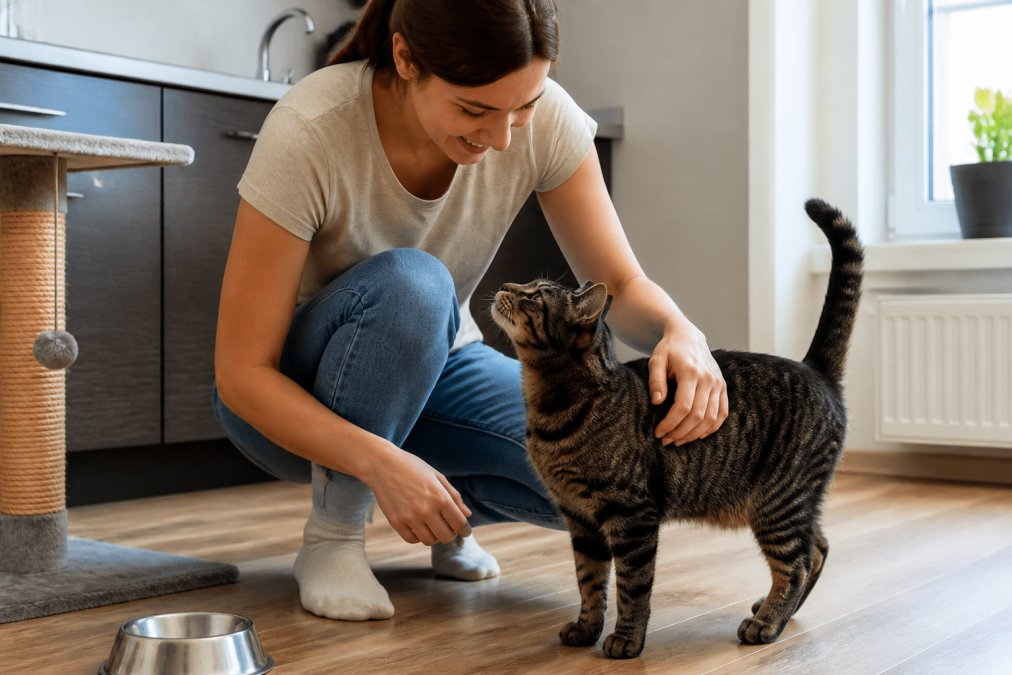
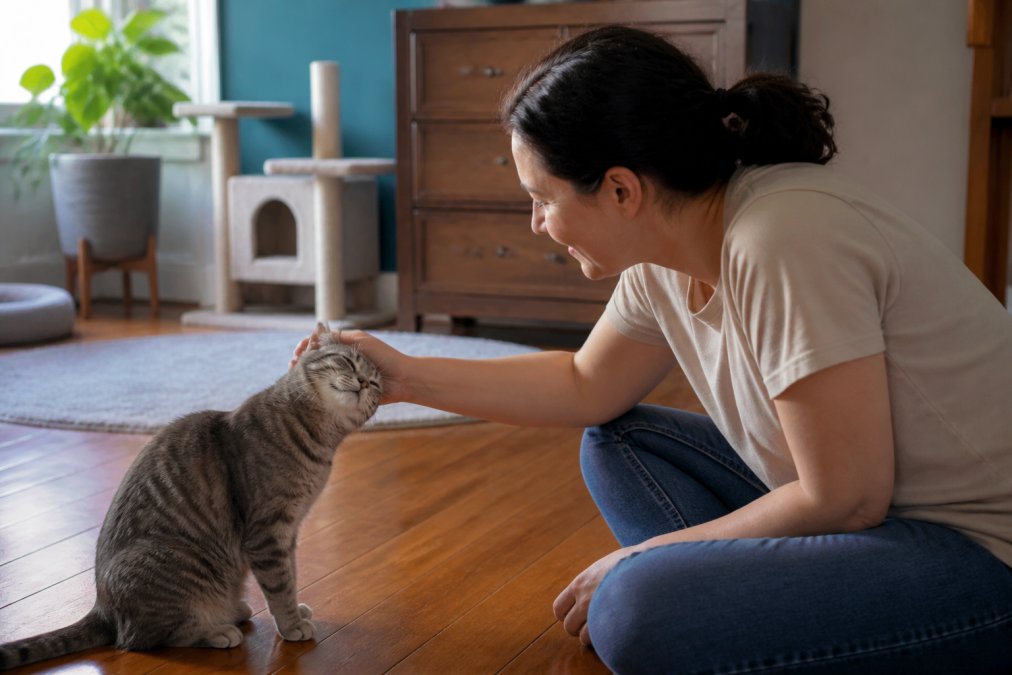
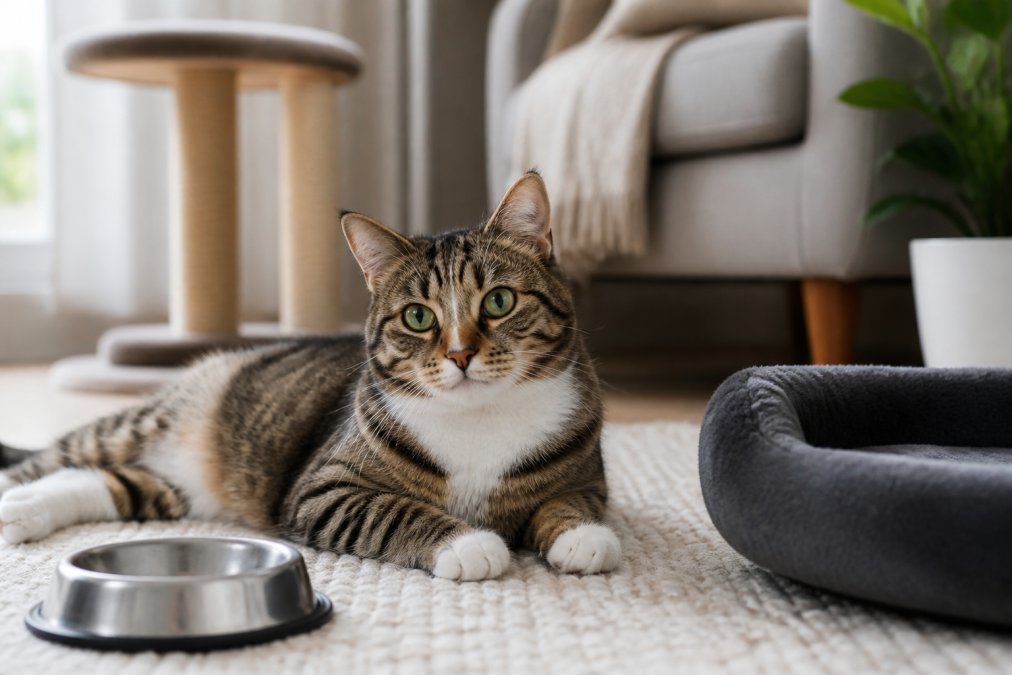
The benefits of in-home cat sitting are rooted in environmental stability. Your cat maintains its routine, sleeps in its favorite spots, and smells you throughout the house. A professional sitter provides feeding, fresh water, litter box cleaning, and playtime without forcing adaptation to a new space, especially effective for shy, nervous, or scared cats.
| Care Option | Stress Level | Best For | Key Consideration |
|---|---|---|---|
| In-Home Cat Sitting | Low | Shy, anxious, or territorial cats | Requires trusting someone in your home |
| Traditional Boarding | High to Moderate | Social cats needing medical oversight | Risk of appetite suppression and hiding |
That said, boarding is not without merit. Facilities offer round-the-clock supervision and immediate access to veterinary care, which can be critical for cats with medical conditions. A reputable facility with cat-only boarding, noise reduction, and enrichment can mitigate some stress, but for the average healthy cat, home nearly always wins on anxiety reduction.
The Benefits of In-Home Cat Sitting for Anxious Felines
For cats that struggle with separation anxiety or general nervousness, in-home care is often the single best choice. The benefits extend beyond comfort; they prevent the behavioral regression that can follow a stressful kennel stay. A cat that hides for days after returning home is recovering from a traumatic experience.
Professional in-home sitters address the root causes of boarding stress by maintaining your cat's feeding schedule, preserving its territory, and providing one-on-one attention without the noise and foreign scents of a facility. Tracy's Kitty Care offers background-checked, licensed, bonded, and insured sitters who specialize exclusively in cats.
How to Prepare Your Cat for Boarding (If You Must)
Sometimes boarding is unavoidable, such as during a medical procedure or a home renovation. If you must board your cat, preparation can reduce kennel stress significantly, ideally through a multi-week acclimation plan, not a last-minute scramble.
The 'Trial Stay' Protocol: A Step-by-Step Acclimation Plan
Most owners drop their cat off for a week-long stay without prior exposure to the facility, a recipe for maximum stress. Instead, implement a 'Trial Stay' protocol to desensitize your cat to the new environment.
- Week 1: The Carrier as a Safe Space. Bring the carrier out of storage and leave it open in a favorite room with a soft blanket and treat inside, so your cat associates it with comfort, not just vet visits. Spray the interior with a synthetic feline facial pheromone (like Feliway) 30 minutes before your cat investigates.
- Week 2: Short Positive Visits. Ask the facility if they offer short 'day visits' or 'meet-and-greets' where your cat can spend 1-2 hours in a kennel room without an overnight stay, a low-stakes introduction to the sounds and smells. If not, ask for a 15-minute visit to the lobby or a quiet room.
- Week 3: The Overnight Trial. Schedule a single overnight stay, the critical test. When you pick your cat up, ask for a detailed report: Did she eat? Use the litter box? Emerge from hiding? A cat that remains frozen in the back of the cage for 24 hours signals that traditional boarding is not viable, so pivot to in-home care.
- Week 4: The Real Stay. If the overnight trial was successful, proceed with the longer stay. If not, you have valuable data and time to arrange a pet sitter.
The 'Scent Anchor' Kit
Beyond the trial, focus on creating a 'scent anchor' kit, a collection of items carrying your scent and the scent of home, proven to lower cortisol in unfamiliar environments.
- A Worn T-Shirt: Sleep on a t-shirt for two nights before the stay. Do not wash it. This is the most powerful scent anchor you can provide.
- The 'Home Base' Bedding: Use a fleece blanket that has been on your cat's favorite sleeping spot for at least a week.
- Unwashed Food Bowls: If the facility allows, send your cat's regular food bowls (unwashed) to provide a familiar scent at mealtime.
The Pre-Stay Veterinary Check
Schedule a veterinary check-up within 10 days of the stay, not just for vaccines, but to ensure your cat is healthy enough to handle stress. A cat with an underlying condition is more likely to develop stress-induced illness like upper respiratory infections or feline idiopathic cystitis. Get a written health certificate and ensure vaccinations, including FVRCP and rabies, are current per facility requirements.
The Drop-Off Protocol
How you say goodbye matters. Do not linger, a long, emotional goodbye increases anxiety. Place your cat in the kennel, provide the scent anchor kit, and leave calmly and quickly. Staff report cats settle faster when owners don't hover. Request that the facility maintain your cat's home feeding schedule as closely as possible.
The Trial Stay and Pheromone Therapy: Calming Aids That Work
Before committing to a long boarding stay, schedule a trial stay. A single overnight visit lets you and the facility assess your cat's adaptability without the pressure of a week-long absence. Observe whether your cat eats, uses the litter box, and emerges from hiding; a cat frozen in the back of the cage for 24 hours signals that boarding is not viable.
Pheromone therapy offers another layer of support. Synthetic feline facial pheromones, available as sprays or diffusers, mimic the calming scent cats deposit when rubbing their faces on objects. Spraying your cat's carrier and bedding before and during the stay can ease the transition. Some facilities also use Feliway diffusers in cat rooms. Combined with enrichment like puzzle feeders and hiding boxes, these tools help manage anxiety, though they cannot fully replace the security of home.
Post-Boarding Decompression: Helping Your Cat Settle Back In
The stress does not end when you pick your cat up. Many cats exhibit signs of stress in cats for days after returning home, including hiding, hissing at companions, or refusing to eat. This post-boarding decompression period is critical, your cat needs time to re-establish its territory and confirm home is safe again.
The First 24 Hours: The 'Safe Room' Protocol
Do not let your cat roam the entire house immediately, this can be overwhelming and lead to territory disputes. Instead, set up a quiet, low-traffic room (like a bedroom or bathroom) with:
- Familiar Bedding: The same blanket or bed from home that was not sent to the facility.
- Food and Water: Place bowls in a quiet corner, away from the litter box.
- Litter Box: Use the same type of litter you use at home. A change in litter texture can cause a cat to avoid the box.
- A Hiding Spot: A cardboard box or a covered cat bed is essential. Do not force your cat out of hiding.
Days 2-3: The 'Scent Re-Integration' Phase
Your cat smells different after a boarding stay, and this foreign scent can trigger aggression or avoidance from other pets.
- Scent Swapping: Rub a clean sock on your boarded cat's cheeks and flanks, then on your other pets to mix scents and reduce the 'stranger' effect.
- Visual Introduction: After 48 hours, if your cat is eating and using the litter box, allow brief, supervised visual introductions with other pets via a baby gate or cracked door. Watch for hissing or growling; if it occurs, separate them for another 24 hours.
- Ignore the Behavior: Do not punish hissing or hiding, this is normal communication. Instead, reward calm behavior with treats and quiet praise.
Days 4-7: The 'Routine Reset'
By day four, most cats will begin to emerge from their safe room, the time to re-establish a strict daily routine.
- Feeding Schedule: Return to the exact feeding times your cat had before the stay.
- Playtime: Engage in interactive play with a wand toy. This helps rebuild confidence and burns off stress-related energy.
- Environmental Enrichment: Provide puzzle feeders or treat-dispensing toys to encourage mental stimulation and positive association with home.
When to Call the Vet
While some withdrawal is normal, there are red flags that warrant a veterinary visit. If your cat exhibits any of the following for more than 48 hours after returning home, consult your veterinarian:
- Complete Anorexia: Refusing all food for more than 24 hours. This is a risk for hepatic lipidosis.
- Litter Box Avoidance: Urinating or defecating outside the box.
- Excessive Grooming: Creating bald patches or skin sores.
- Lethargy: Unresponsiveness or hiding in a way that prevents any interaction.
- Aggression: Unprovoked hissing, swatting, or biting at you or other pets.
The 'Re-Bonding' Ritual
Finally, spend quiet time in the same room as your cat without forcing interaction, read, watch TV, or work on a laptop. This allows your cat to re-associate your presence with calmness and safety. Most cats settle within a few days, but if hiding or appetite suppression persists beyond a week, consult your veterinarian.
Conclusion
Boarding facilities create an unavoidable conflict with feline nature, which is why cats hate boarding facilities so consistently. The territorial instincts that make cats independent also make them vulnerable to the stress of unfamiliar environments. Recognizing the signs of stress in cats and weighing the cat boarding vs pet sitting decision carefully can spare your pet significant distress.
For most cats, the benefits of in-home cat sitting are clear: they remain in their territory, maintain their routine, and receive personalized attention without the trauma of a kennel. If you are planning travel and want your cat to stay relaxed, consider the in-home option. Tracy's Kitty Care offers a cat sitting service with background-checked, licensed, bonded, and insured sitters who specialize exclusively in feline care. Give your cat the comfort of staying home while you are away.
Frequently Asked Questions
Do cats feel abandoned when boarded?
Cats don't process abandonment the way humans do, but they do experience separation anxiety and routine disruption. A boarding facility removes them from their territory, which triggers their stress response. They may hide, refuse food, or become vocal. This isn't a judgment on the facility's quality; it's a biological reaction to unfamiliar environments. Cats are territorial animals, and their sense of security is tied to familiar scents and spaces. When that foundation disappears, their stress levels rise even in a clean, well-run facility.
Is boarding bad for cats with anxiety?
For cats with existing anxiety, boarding can intensify their stress. The combination of sensory overload, unfamiliar scents, and lack of hiding spots can push an anxious cat into a state of chronic stress. This can suppress their appetite and weaken their immune system, making them more susceptible to illness. In-home cat sitting is often a better choice for these cats because it keeps their routine and territory intact. A sitter visits your home, so your cat stays in their safe space with their familiar scratching posts and hiding spots.
What are the top signs a cat is stressed at a kennel?
Key signs of stress in cats include appetite suppression, excessive hiding, and changes in vocalization like constant meowing or growling. You might also see over-grooming, which can lead to bald patches, or the opposite: a complete lack of grooming. Some cats develop litter box avoidance or diarrhea from stress-induced illness. A normally social cat might become aggressive, while a shy cat might freeze in the corner. If the facility offers photos, look for flattened ears, a tucked tail, or dilated pupils; these are reliable feline stress indicators.
How do I know if my cat needs a trial stay before boarding?
If you have a shy, nervous, or senior cat, a trial stay is essential. Book a single night at the boarding facility before your actual trip. This acclimation period lets you see how your cat handles the environment without the pressure of a long absence. Ask the staff for honest feedback on whether your cat ate, used the litter box, and came out of hiding. If your cat spends the entire trial stay under a blanket and refuses food, that's a strong signal that boarding will cause more harm than good, and you should consider an in-home sitter instead.