 ultimate-guide
Cost of In-Home Cat Sitting: 2026 Pricing Guide
Table of Contents
- What In-Home Cat Sitting Actually Costs
- Factors That Influence Cat Sitting Rates
- Professional Cat Sitter vs Boarding: Cost and Care Comparison
- How Long Should a Cat Sitter Visit Last
- Hidden Costs: Holidays, Medical Care, and Emergency Surcharges
- Cat Sitter Checklist for Owners: What to Expect and Budget For
- Finding Affordable In-Home Cat Sitting Without Compromising Quality
- Conclusion
Last Updated: August 21, 2026
What In-Home Cat Sitting Actually Costs
Professional in-home cat sitting typically costs $30 per 30-minute visit, which includes feeding, fresh water, litter box maintenance, and playtime. You're paying for a vetted professional who maintains your cat's routine, monitors behavior, and ensures safety in a familiar environment, not just someone opening a can of food.
In-home cat sitting costs less than many expect when compared to boarding facilities, which charge daily rates and provide less personalized attention. Your cat stays in their own territory, avoiding the stress and health risks of unfamiliar environments. A week away might require seven visits at $30 each, totaling $210, often comparable to or less than boarding facility rates.
Factors That Influence Cat Sitting Rates
Visit frequency significantly impacts cost: daily visits cost less per occurrence than sporadic, last-minute bookings. Care complexity also matters, a healthy adult cat costs less than a senior cat needing medication administration or specialized feeding schedules. Medical interventions like insulin injections require additional training and liability considerations, commanding higher fees.
Service area and local market conditions affect pricing. Urban areas typically see higher rates than rural regions due to cost of living and local competition. Experienced sitters handling anxious or medically complex cats may charge more than newer sitters.
The number of pets influences overall cost. While adding a second or third cat to the same visit doesn't double the fee, some sitters offer multi-pet discounts. Bundled pet care with other small animals often provides better value than separate services.
Seasonal demand creates pricing variations. Holiday periods when many people travel simultaneously often see surcharges. Last-minute bookings also typically cost more than advance reservations.
Professional Cat Sitter vs Boarding: Cost and Care Comparison
Boarding facilities charge daily rates, typically $150-300 for seven days, while the same period with daily in-home visits costs $210. Beyond cost, in-home care offers superior benefits: sitters adapt to your cat's actual routine rather than operating on fixed schedules, and your cat avoids exposure to other animals' illnesses.
Boarding facilities expose cats to health risks like upper respiratory infections and parasites (the CDC). In-home sitters visit only your home, eliminating exposure to other pets. For cats with compromised immune systems, this difference is substantial.
Cats are territorial animals (peer-reviewed research). Removing them from home creates stress that suppresses immune function and triggers behavioral problems (peer-reviewed research). Professional in-home cat sitting keeps your cat in their territory, maintaining security and normal routine, a psychological benefit that justifies the cost.
How Long Should a Cat Sitter Visit Last
A standard 30-minute visit provides adequate time for basic care: refreshing water, providing food, cleaning litter boxes, and offering 5-10 minutes of interactive playtime. For healthy adult cats with no special requirements, 30 minutes is the industry standard.
Longer visits become necessary for medical needs or behavioral complexities. A cat requiring medication might need 45 minutes to an hour. An anxious cat may benefit from longer initial visits allowing gradual acclimation.
Visit duration depends on pet count. A single cat typically needs 30 minutes; two cats might stretch to 35-40 minutes; three or more could warrant a full hour. Daily visits work well for most cats, maintaining routine and preventing litter box issues. Discuss your cat's specific needs with a professional sitter before booking.
Hidden Costs: Holidays, Medical Care, and Emergency Surcharges
Holiday surcharges are common during peak travel periods like Thanksgiving and Christmas, typically 25-50% more than standard rates. Medical care administration carries additional charges reflecting specialized training and increased liability.
Emergency visits outside regular business hours cost significantly more. If you need a sitter at 10 PM or on short notice, emergency surcharges apply. Some sitters charge cancellation fees if you cancel within 24 hours of a scheduled visit. Travel expenses might apply if your sitter needs to service multiple properties or travel significant distances.
Cat Sitter Checklist for Owners: What to Expect and Budget For
Before hiring a professional cat sitter, prepare a comprehensive checklist detailing everything your sitter needs to know.
Start with basic cat information: name, age, personality traits, and behavioral quirks. Note whether your cat is shy, social, or anxious around strangers, and explain preferred interaction style.
Document feeding instructions precisely: food type, portion sizes, feeding times, dietary restrictions, and allergies. Specify exact timing if your cat requires multiple meals daily.
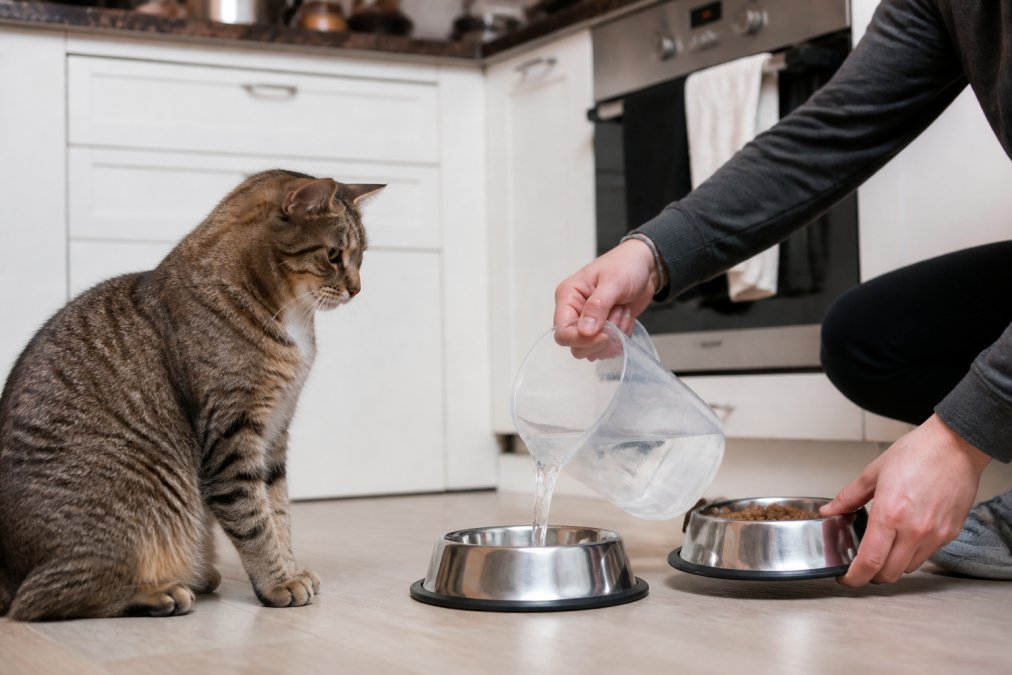
Water management details matter. Specify whether your cat prefers fresh water daily, uses a water fountain, or has other preferences. Some cats won't drink from standing water; others refuse fountain water.
Litter box maintenance details include locations, preferred cleaning method, and any litter sensitivities. Note whether you want daily complete changes or scooping only.
Medical information is critical. List all medications, dosages, administration times, and detailed instructions. Include your veterinarian's contact information, your cat's microchip number, and any health conditions requiring monitoring.
Emergency protocols belong on every checklist. Provide your contact information, a trusted backup person's contact, and your veterinarian's emergency line. Specify what situations warrant emergency vet care versus waiting for your call.
Behavioral notes help sitters manage your cat effectively. If your cat hides when strangers arrive, explain the best approach. Note any escape risks or aggression triggers.
Include house-specific information: where to find supplies, how to lock up, alarm codes if applicable, and household quirks the sitter should know about.
Finding Affordable In-Home Cat Sitting Without Compromising Quality
Start with local recommendations, ask your veterinarian, cat-owning friends, and online community groups for sitter referrals. Professional services like Tracy's Kitty Care offer vetted, background-checked sitters with proper training, liability coverage, and professional standards.
Interview potential sitters thoroughly. Ask about experience with cats, especially those with medical needs or behavioral challenges. Inquire about background check status, insurance coverage, and bonding. Ask for references from current clients.
Negotiate service packages for better rates. Booking regular recurring visits often provides discounted rates compared to one-time visits. Tracy's Kitty Care provides free visits when you refer friends, effectively reducing long-term costs.
Clarify exactly what's included in each visit price. A 30-minute visit should include feeding, water refreshing, litter box cleaning, and playtime. Confirm whether medication administration is included or charged separately.
Consider whether you need daily visits or if less frequent visits work for your situation. A healthy adult cat might manage well with visits every other day during short trips, lowering overall cost.
Build a relationship with one sitter rather than rotating through multiple people. Consistency reduces your cat's stress and allows the sitter to develop deep understanding of your cat's needs. Many sitters offer loyalty discounts for regular clients.
Avoid the cheapest option automatically. A sitter charging significantly less than market rates may lack proper insurance, background checks, or experience. Paying appropriately ensures quality care and protects your home and cat.
Finding reliable, affordable professional cat sitting requires balancing cost with quality and trust. Tracy's Kitty Care brings together all the elements cat owners need: background-checked, licensed, bonded, and insured sitters who specialize exclusively in feline care. With straightforward pricing at $30 for a 30-minute visit that includes feeding, water, litter box maintenance, and playtime, you know exactly what you're paying for. Whether you need daily visits while traveling or occasional check-ins, professional in-home cat sitting keeps your cat comfortable in their familiar environment while giving you genuine peace of mind. Get started with Tracy's Kitty Care and discover why cat owners in the area trust us with their most important companions.
Frequently Asked Questions
How much does in-home cat sitting typically cost per day?
In-home cat sitting costs vary based on visit frequency, location, and services needed. A single 30-minute drop-in visit for feeding, water, litter box cleaning, and playtime typically ranges from $25 to $35. Daily rates for multiple visits or extended care can run $50 to $100+ per day depending on your cat's needs, including medication administration or special attention for anxious cats. Professional cat sitter rates also reflect background checks, bonding, and insurance coverage that protect both your pet and your home.
Is it cheaper to board a cat or use an in-home sitter?
Traditional boarding facilities often cost $35 to $75 per day, while in-home cat sitting typically ranges $25 to $50 per visit. For short trips, in-home sitting may cost less overall. However, boarding costs are predictable and all-inclusive, whereas in-home sitting adds up with multiple daily visits. The real value of in-home care lies beyond price: your cat stays in familiar surroundings, avoiding stress and behavioral changes that boarding can trigger. For cats with medical needs, anxiety, or medication requirements, professional in-home care often justifies the investment despite potentially higher costs.
What factors influence the price of in-home cat sitting?
Several factors affect pricing: visit duration (30 minutes versus longer sessions), visit frequency (once daily versus twice daily), medication administration, number of cats, special behavioral needs for shy or nervous cats, holiday or weekend surcharges, travel distance, and whether the sitter needs to provide specialized pet wellness monitoring. Professional certifications, background checks, bonding, and liability coverage also influence rates. Emergency or same-day bookings typically cost more. Geographic location matters, urban areas and regions with higher cost of living generally charge more than rural areas.
Should I tip my cat sitter?
Yes, tipping is standard practice and shows appreciation for professional care. Most cat owners tip 15 to 20 percent of the service fee, or $5 to $10 per visit for regular sitters. For holiday visits or extended care, tipping at the higher end acknowledges the sacrifice of working during peak travel times. If your sitter handles medication administration, manages a nervous cat with patience, or provides exceptional pet behavior monitoring, a generous tip reflects that extra dedication. Annual bonuses or gift cards are also common ways to show appreciation to trusted, reliable sitters.
This article was written using GrandRanker