 how-to
How to Hire a Professional In-Home Cat Sitter
Table of Contents
- Why Professional In-Home Cat Sitting Works Better Than Boarding
- Questions to Ask a Cat Sitter Before Hiring
- Pet Sitter Meet and Greet Checklist
- Cat Sitter Daily Check-In Process and What to Expect
- How to Prepare Your Home for a Professional In-Home Cat Sitter
- Understanding Pricing and Service Options
- Red Flags and What Not to Ignore
- Conclusion
Last Updated: August 25, 2026
Why Professional In-Home Cat Sitting Works Better Than Boarding
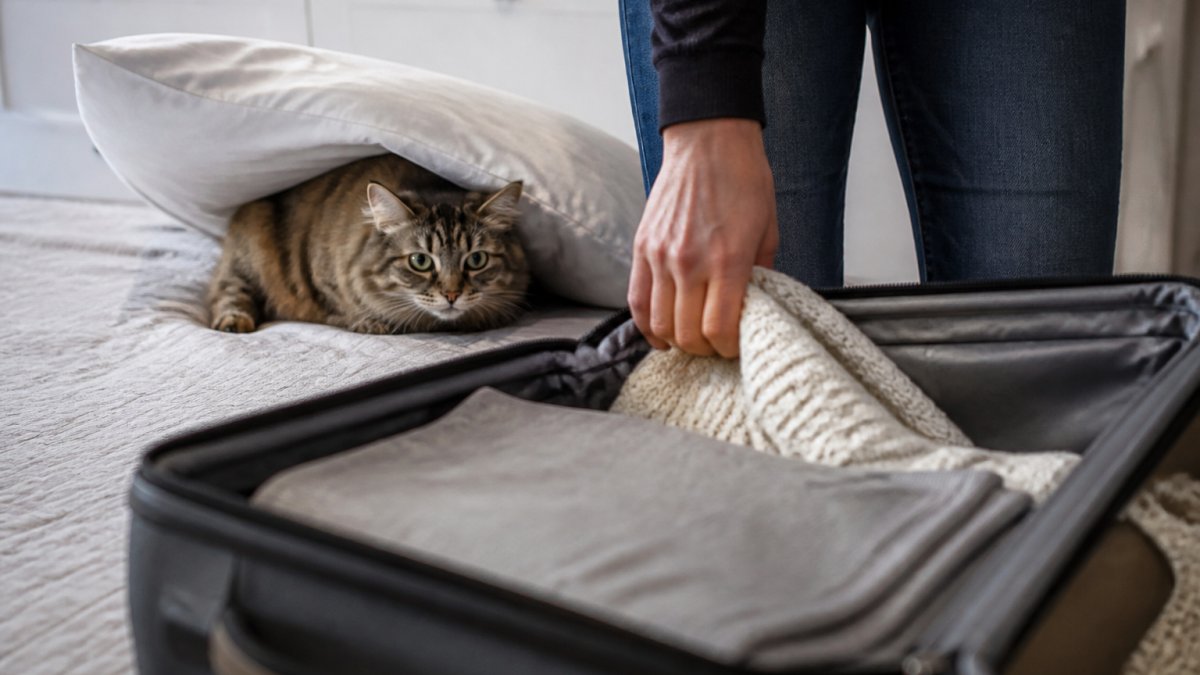
A professional in-home cat sitter keeps your cat in the environment where it feels safest: home. Unlike boarding facilities that move your cat to an unfamiliar space with other animals, in-home care maintains your cat's routine, territory, and stress levels.
Cats are creatures of habit. They rely on familiar surroundings, consistent feeding times, and predictable interactions. Boarding disrupts all three. A professional in-home cat sitter eliminates that disruption entirely. Your cat stays in its own home, eats from its own bowls, and uses its own litter box while you're away.
The behavioral difference is significant. Shy, nervous, or anxious cats often hide or refuse to eat in boarding environments (peer-reviewed research). In-home sitters work with your cat's natural temperament without forcing adjustment to new people and spaces simultaneously.
Tracy's Kitty Care specializes exclusively in in-home cat sitting, which means every sitter understands feline behavior deeply. They focus entirely on what cats need, how they communicate, and how to handle medical situations specific to feline health.
Beyond behavior, in-home sitting offers practical advantages. Your home stays occupied during your absence, providing security benefits. Your plants get watered, mail gets monitored, and your cat gets attention multiple times daily.
Questions to Ask a Cat Sitter Before Hiring
Before you hand over your keys and trust someone with your cat, you need answers. The right questions separate professional sitters from people who simply like cats.
Credentials and Safety Verification
A professional in-home cat sitter should be background-checked, licensed, bonded, and insured. Ask specifically what background screening they've completed and how recent it is. Bonding protects you if something goes wrong; insurance covers accidents or injuries.
Ask how they handle emergency situations. If your cat becomes ill or injured while you're away, what's their protocol? Do they contact your veterinarian immediately? Do they have authorization to make emergency decisions?
Request references from current clients. Ask those references specific questions: Has the sitter been on time? Has the sitter communicated clearly? Would you trust them again?
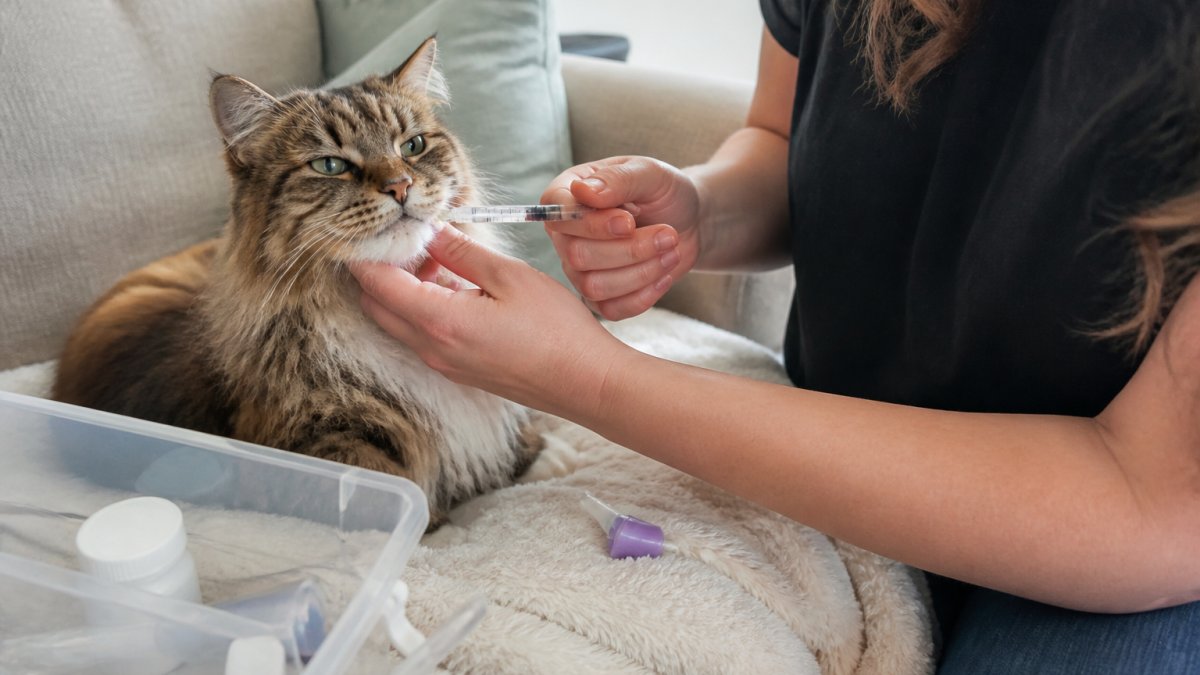
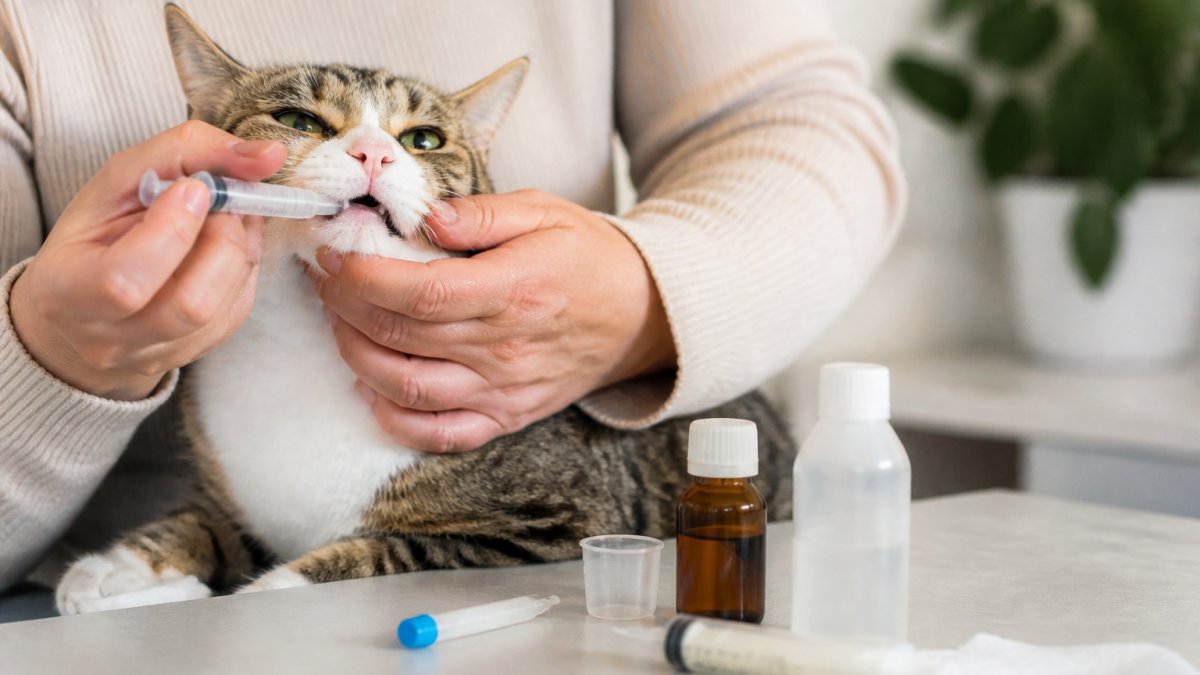
Ask about their experience with medication administration. A professional sitter should be comfortable discussing dosing, timing, and documentation.
Experience with Medical Care and Special Needs
Your cat might have diabetes, hyperthyroidism, kidney disease, or behavioral issues that require specific handling. A professional in-home cat sitter should have experience with these situations. Ask directly: Have they cared for cats with chronic conditions? Can they recognize signs of distress or illness?
If your cat requires insulin injections, the sitter needs to demonstrate competence (aafp.org). Ask if they've administered injections before and understand proper storage and hypoglycemia symptoms.
Ask about their experience with fearful or aggressive cats. If your cat hides from strangers or shows territorial behavior, the sitter needs strategies to work with that temperament, not against it.
Pet Sitter Meet and Greet Checklist
A consultation visit before your first booking is non-negotiable. This is where you assess whether a sitter is right for your cat and establish the foundation for reliable care.
What to Cover During Your Consultation Visit
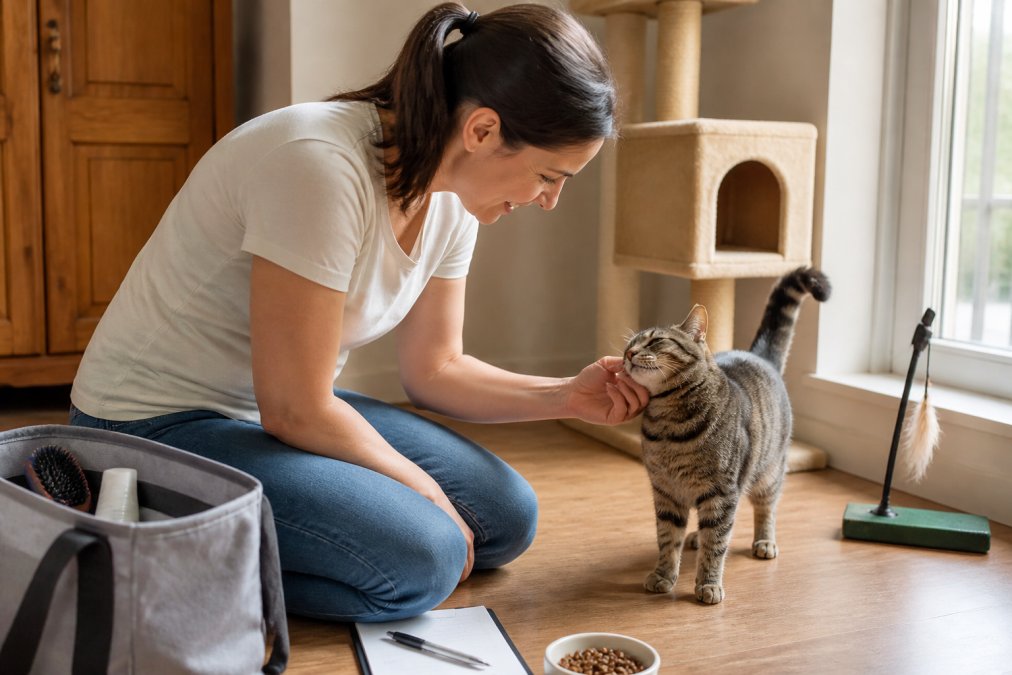
During the consultation visit, walk the sitter through your entire home. Show them where your cat sleeps, hides, eats, and plays. Explain your cat's personality and quirks. A good sitter adapts to your cat's actual needs, not a generic cat stereotype.
Review your cat's daily routine in detail. What time does your cat eat? How much food per meal? Does your cat have preferred toys or enrichment activities? Does your cat have any behavioral triggers you should warn about?
Go over medical information thoroughly. Show the sitter where medications are stored and demonstrate administration if needed. Leave written instructions with dosages, timing, and any side effects to watch for. Include your veterinarian's details and after-hours emergency clinic information.
Discuss what constitutes an emergency and how the sitter should handle it. Should they contact you first, or call the veterinarian immediately?
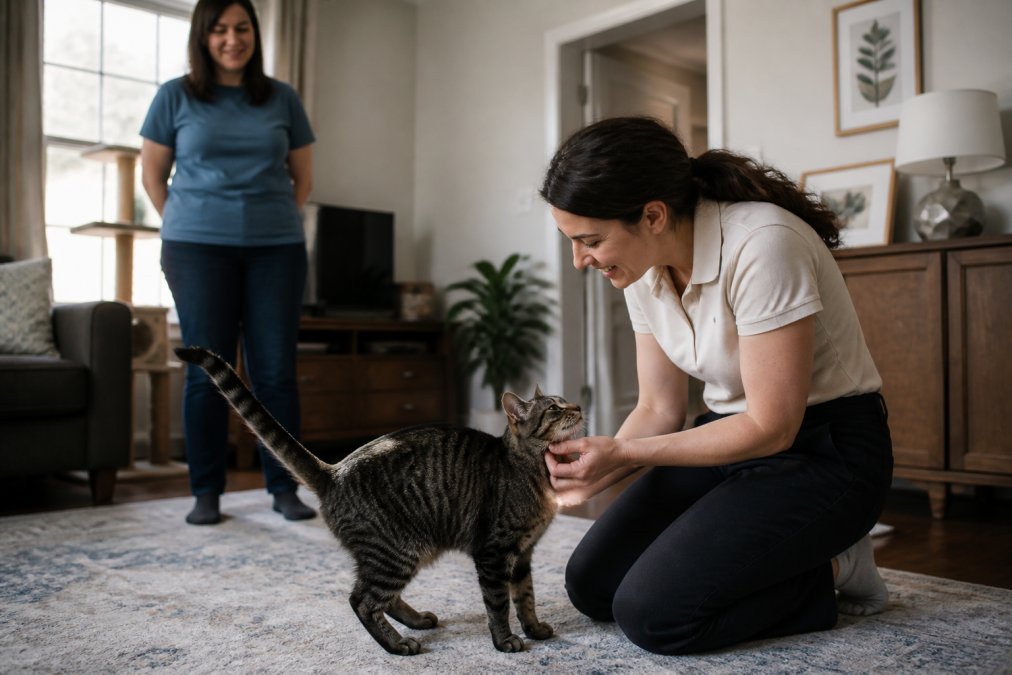
Assessing Your Cat's Comfort with the Sitter
Watch how your cat responds to the sitter during the consultation visit. A nervous cat might hide initially, that's normal. But does the sitter respect your cat's boundaries? Do they sit quietly and let your cat approach at its own pace?
A good sitter understands cat body language. They recognize when a cat is stressed versus playful. They know that slow blinks mean affection and that ears back means discomfort (peer-reviewed research).
Ask the sitter to spend 10-15 minutes quietly in the room with your cat. See if your cat warms up gradually. If your cat remains terrified after 15 minutes of calm presence, that might not be the right match. Trust your instincts.
Discuss whether you want the sitter to play with your cat or simply provide care. A professional sitter accommodates your preferences.
Cat Sitter Daily Check-In Process and What to Expect
Understanding what happens during each visit sets realistic expectations. A professional in-home cat sitter follows a consistent process that prioritizes your cat's welfare and your peace of mind.
Standard Drop-In Visit Components
A typical 30-minute drop-in visit includes several core elements. The sitter arrives, greets your cat, and assesses its condition. Are there any signs of illness or injury? Is the cat eating normally? Does the litter box show signs of normal elimination?
Fresh food and water are provided at each visit. The sitter removes uneaten food from previous meals and replaces it with fresh portions. Water bowls are refilled or replaced entirely. Litter boxes are scooped and cleaned. This maintains hygiene and allows the sitter to monitor your cat's health through elimination patterns.
Playtime and enrichment happen during the visit. A professional sitter engages your cat with toys, interactive play, or simply calm companionship depending on your cat's preference. The sitter documents everything, noting arrival and departure times, your cat's behavior and appetite, litter box activity, and any concerns.
Daily Updates and Communication
A professional in-home cat sitter provides updates after each visit. The frequency and format depend on your preference. Establish this expectation upfront.
Updates should include basic information: your cat ate well, used the litter box normally, played with toys, seemed happy. If anything seems off, the sitter should flag it immediately and potentially contact your veterinarian.
Photos or videos are a nice touch. Many sitters send a quick photo of your cat during the visit, which gives owners peace of mind.
Ask how the sitter handles emergencies during communication. If your cat seems unwell, will they contact you and the vet simultaneously? Will they act in your cat's best interest if you're unreachable? Clarify these scenarios before you need them.
How to Prepare Your Home for a Professional In-Home Cat Sitter
Preparing your home properly ensures smooth visits and eliminates confusion.
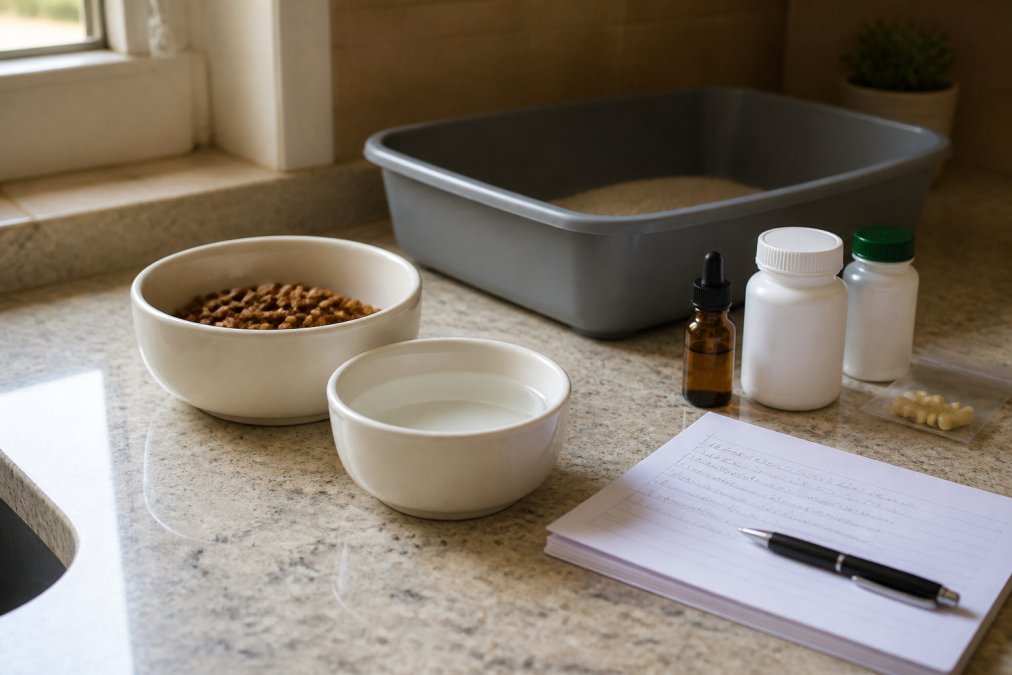
Leave clear, written instructions in an obvious location. Include your cat's name, feeding schedule, portion sizes, and dietary restrictions. Write down medication names, dosages, and administration times. Include your veterinarian's contact information and after-hours emergency clinic details. Leave your own contact information and a backup emergency contact.
Secure your home for the sitter's arrival. Leave the agreed-upon entry method accessible, whether that's a hidden key, a lockbox code, or a smart lock. Discuss home security with the sitter. Do you want them to lock doors behind them? Disarm an alarm system?
Ensure your cat can access all necessary areas safely. If your cat has a favorite hiding spot, make sure it's accessible. A professional sitter respects your cat's environment and doesn't rearrange things.
Leave out any supplies the sitter might need. If your cat uses special litter, have extra bags available. If your cat needs specific toys for enrichment, have them visible.
Create a comfortable space for your cat during your absence. Leave the home at a comfortable temperature. Provide hiding spots, perches, and windows where your cat can observe the outside. Leave soft music or calming sounds if your cat responds well to them.
Understanding Pricing and Service Options
Professional in-home cat sitting is an investment in your cat's welfare and your peace of mind. Understanding pricing structure helps you budget and compare options fairly.
Cat sitting service options vary depending on your cat's needs and your travel schedule. A typical 30-minute drop-in visit includes feeding, fresh water, litter box maintenance, and playtime or attention based on your cat's preference. For most cat owners traveling for a few days, one daily visit meets their cat's needs.
Some situations require additional visits. If your cat needs medication twice daily, you'll need morning and evening visits. Pricing typically increases proportionally with additional visits.
Ask about package pricing. Some sitters offer discounts for multiple visits or extended bookings. If you travel regularly, a package might save money compared to booking individual visits.
Understand cancellation policies before booking. If your travel plans change, can you cancel without penalty? What's the notice required?
Red Flags and What Not to Ignore
Certain warning signs indicate a sitter isn't right for your cat.
A sitter who can't provide references is a red flag. Any professional should have current clients willing to vouch for them.
A sitter who seems uncomfortable discussing medical care or special needs is a concern. If your cat has any health issues, the sitter must be confident handling them.
A sitter who pressures you to book without a consultation visit is problematic. The consultation is essential and protects both you and the sitter.
A sitter who doesn't ask questions about your cat's personality, routine, or preferences is concerning. Good sitters gather detailed information because they understand that every cat is different.
A sitter who won't provide written documentation or daily updates is risky. You need evidence of care and communication about your cat's status.
A sitter who seems uncomfortable with your home security measures or questions about your cat's medical history is a problem. A professional respects your concerns and works within your parameters.
If a sitter is consistently late, cancels frequently, or seems disorganized, that's a pattern worth noting. Reliability matters when your cat depends on them.
Hiring a professional in-home cat sitter requires careful evaluation, but the payoff is substantial. Your cat stays home, maintains its routine, and receives attentive care from someone you've thoroughly vetted. Start with a consultation visit, ask the right questions, and establish clear communication expectations. Your cat will thank you with lower stress levels and consistent wellbeing while you travel with confidence.
Frequently Asked Questions
Q: How much does a professional in-home cat sitter cost?
A: Professional in-home cat sitting services typically start at $30.00 for a 30-minute drop-in visit, which includes feeding, fresh water, litter box cleaning, and playtime. Costs vary based on visit frequency, duration, and any special services like medication administration. Overnight stays and multiple daily visits cost more. Many services offer discounts for regular bookings. Compare this to boarding facilities, which often charge $25-$50 per day but remove your cat from their familiar environment, potentially causing stress.
Q: What should be included in a daily cat sitter check-in?
A: A standard daily check-in includes feeding your cat with the food you provide, refilling water bowls with fresh water, scooping and cleaning litter boxes, and spending time with your cat through play or attention. Many professional sitters also provide daily updates via text or email with photos or notes about your cat's behavior, appetite, and mood. Some services monitor for health concerns like changes in eating habits or unusual behavior. This daily check-in process ensures your cat stays active, fed, and mentally stimulated while you're away.
Q: How do I verify if a cat sitter is licensed, bonded, and insured?
A: Ask the sitter directly for proof of bonding and insurance certificates before hiring. Licensed sitters should provide documentation of their credentials. Request references from previous clients and check online reviews. Professional services like Tracy's Kitty Care ensure all sitters are background-checked, bonded, and insured, which protects you if something goes wrong during visits. Never hire someone who cannot or will not provide proof of these credentials. A legitimate professional will have no problem sharing this information upfront.
Q: What questions should I ask during a meet-and-greet with a cat sitter?
A: Ask about their experience with cats, especially shy or anxious ones. Inquire how they handle medical needs like medication administration. Ask what happens if your cat is sick or injured during a visit. Discuss their communication style and how often you'll receive updates. Ask about their cancellation policy and emergency procedures. Request to see how they interact with your cat before booking. A good meet-and-greet lets you observe whether your cat feels comfortable and whether the sitter takes time to understand your cat's personality and needs.
This article was written using GrandRanker