 how-to
Cat Sitter Daily Check-In Process: A Complete Guide
Table of Contents
- What the Cat Sitter Daily Check-In Process Covers
- How Long Should a Cat Drop-In Visit Be?
- Essential Tasks During Every Cat Sitter Check-In
- Behavioral Monitoring and Stress Detection
- Environmental Enrichment During Drop-In Visits
- Best Practices for Pet Sitting Updates
- Cat Sitter Daily Report Template
- Conclusion
Last Updated: August 14, 2026
What the Cat Sitter Daily Check-In Process Covers
A structured cat sitter daily check-in process is the foundation of professional in-home pet care. Cats are creatures of routine, and disrupting that routine can trigger stress responses ranging from hiding to appetite loss to litter box avoidance. A disciplined check-in process prevents those disruptions by following a consistent protocol covering feeding, hygiene, behavioral observation, medication, enrichment, and owner communication at every visit.
This guide covers every component of the cat sitter daily check-in process, including what to do before the first visit, how long visits should run, what tasks are non-negotiable, and how to keep owners informed in real time.
Before the First Visit: Meet and Greet Essentials
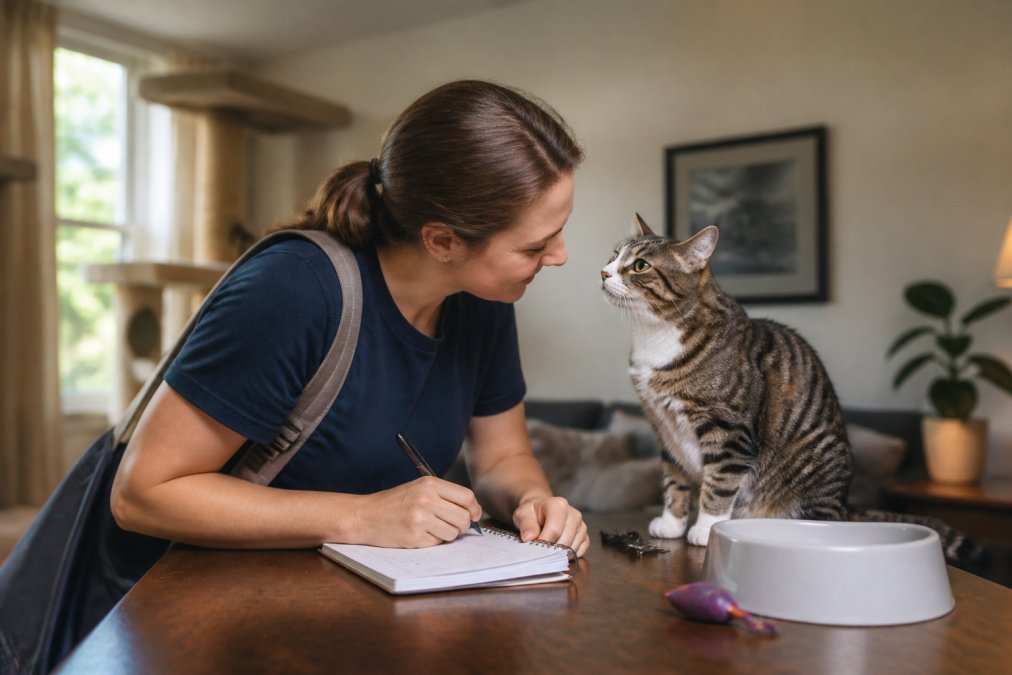
The meet and greet is the single most important step before any cat sitting engagement begins. This initial visit lets the sitter meet the cat in its own environment, observe its baseline behavior, and gather essential information.
During the meet and greet, sitters should collect:
- The cat's name, age, breed, and any known health conditions
- Feeding schedule, portion sizes, food type, and supply locations
- Litter box location and preferred cleaning frequency
- Favorite hiding spots, toys, and comfort objects
- Behavioral quirks (shy, territorial, prone to hiding with strangers)
- Veterinarian name, clinic address, and emergency contact number
- Any current medications, including dosage, timing, and administration method
For shy or nervous cats, the meet and greet provides the animal's first exposure to the sitter's scent and presence. Many cats won't come out during this visit, which is normal. A good sitter notes this and adjusts expectations accordingly.
Home Access, Alarm Codes, and Key Exchange
Home security logistics must be handled before the first paid visit. Sitters should receive a key or entry code during the meet and greet, test it before the owner leaves, and confirm the alarm sequence in writing.
Key details to document:
- Entry method (key, lockbox, keypad code)
- Alarm code and disarm/arm sequence
- Any doors that stick, locks requiring specific technique, or entry points to avoid
- Garage codes, gate codes, or building access if applicable
- Neighbor contact information for emergencies
According to the Pet Sitters International professional standards, professional sitters should maintain a signed service agreement that includes home access terms, liability acknowledgment, and emergency authorization before any visits begin.
How Long Should a Cat Drop-In Visit Be?
A cat drop-in visit should last a minimum of 30 minutes for most households. This allows time to complete all essential tasks, spend a few minutes on social interaction or play, and observe the cat's behavior and overall condition.
Shorter visits of 20 minutes or less are generally insufficient for anything beyond basic feeding and litter maintenance, leaving no time for behavioral observation or meaningful interaction. Cats left alone for extended periods can develop separation anxiety, and a rushed visit does little to address that.
| Visit Type | Recommended Duration | Best For |
|---|---|---|
| Standard drop-in | 30 minutes | Single cat, basic care needs |
| Multi-cat household | 45-60 minutes | Two or more cats |
| Medication administration | 45 minutes minimum | Cats requiring injections or oral meds |
| Senior or special needs cat | 45-60 minutes | Monitoring, mobility support, extra care |
| Shy or anxious cat | 30-45 minutes | Gradual trust-building, enrichment focus |
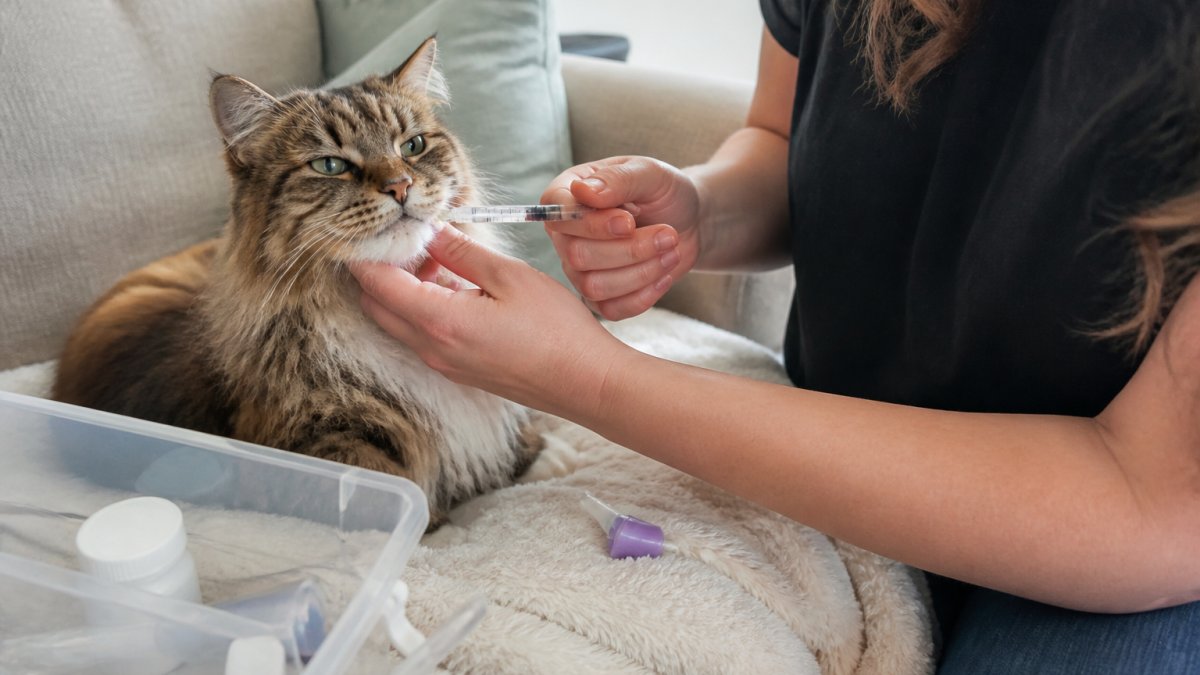
For cats with medical needs, especially those requiring insulin injections twice daily, 45 minutes per visit is a practical minimum.
Essential Tasks During Every Cat Sitter Check-In
Every visit follows the same core sequence. Consistency is the point, cats respond well to predictable routines, and a sitter who executes the same tasks in the same order each visit becomes a familiar, trusted presence faster than one who improvises.
Feeding Schedule and Fresh Water
Feeding should happen at the same time each visit, matching the owner's provided schedule. Portion sizes matter, particularly for cats on veterinarian-prescribed diets or weight management plans.
Fresh water is non-negotiable at every visit. Water bowls should be emptied, rinsed, and refilled, not just topped off. If the household uses a recirculating water fountain, check that the pump is running and the reservoir is full. If the owner uses an automatic feeder, verify that it dispensed correctly and the cat ate.
Litter Box Scooping and Hygiene Standards
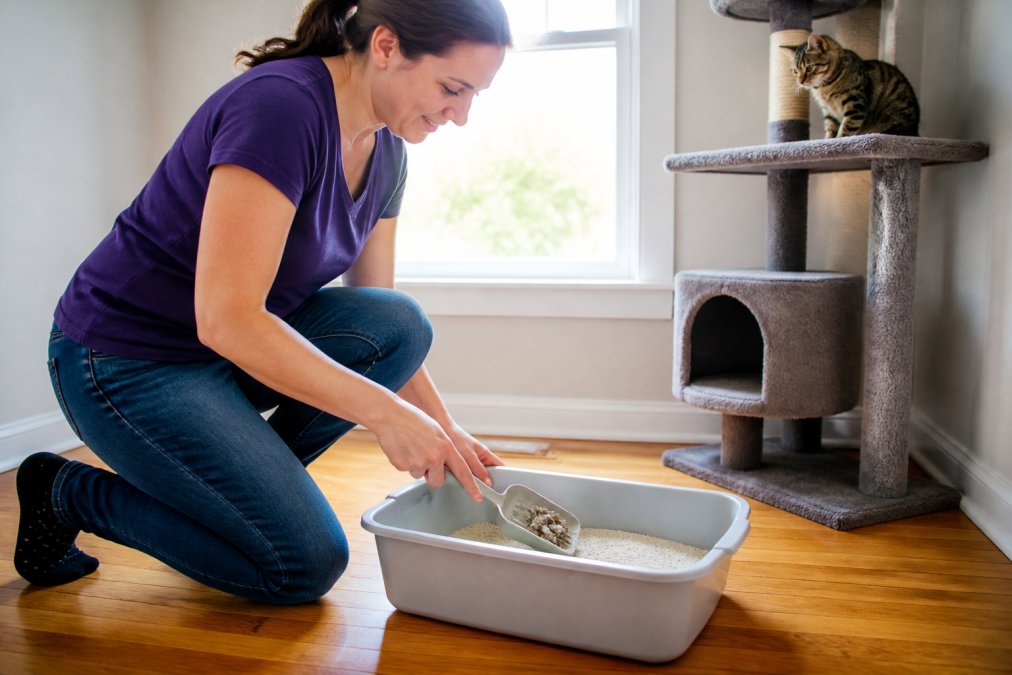
Litter box scooping is required at every visit without exception. A full box is one of the leading causes of cats eliminating outside the box.
Professional hygiene standards for litter box maintenance:
- Scoop all clumps and solid waste at every visit
- Check for unusual output: blood, diarrhea, very small or no deposits
- Add fresh litter if levels are low
- Note any changes in frequency or consistency and report to the owner
- For multi-cat households, scoop all boxes at every visit
The American Association of Feline Practitioners care guidelines recommend at least one litter box per cat plus one additional box.
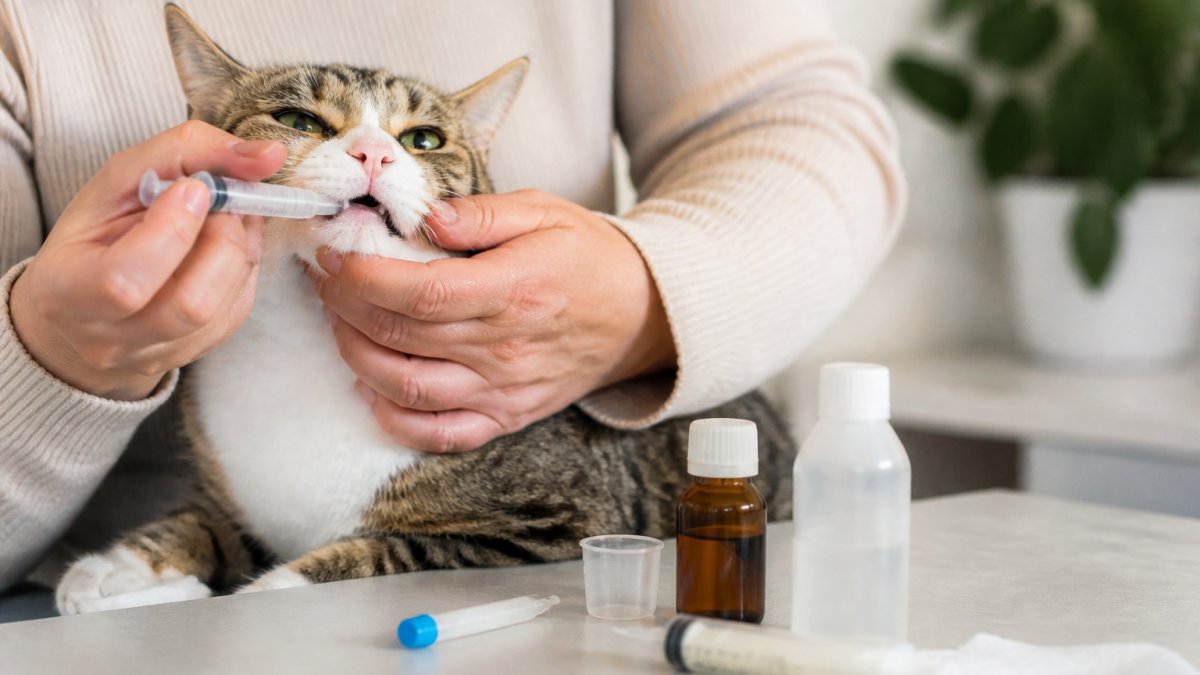
Medication Administration Protocols
Medication administration is one area where professional cat sitting clearly separates from informal arrangements. Before administering any medication, the sitter must have written instructions from the owner that include:
- Medication name and exact dosage
- Administration method (oral, injection, topical)
- Timing (before or after food, specific time of day)
- Storage requirements (refrigeration, light sensitivity)
- What to do if the cat refuses or the dose is missed
- Veterinarian contact information for questions
For insulin-dependent cats, sitters should record the time, dose, and the cat's food intake before each injection.
Behavioral Monitoring and Stress Detection
Behavioral monitoring is what separates a professional check-in from someone simply filling a bowl. Every visit should include a brief but deliberate health assessment of the cat's demeanor, mobility, and physical condition.
Signs to observe and document at each visit:
- Appetite: Did the cat eat since the last visit? How much?
- Activity level: Is the cat moving normally, or lethargic?
- Coat condition: Any matting, excessive shedding, or bald patches?
- Eyes and nose: Clear discharge is common; yellow, green, or thick discharge warrants a note
- Litter box output: Changes in frequency, consistency, or presence of blood
- Breathing: Any labored breathing, wheezing, or coughing
- Social behavior: Is the cat more withdrawn than usual, or unusually vocal?
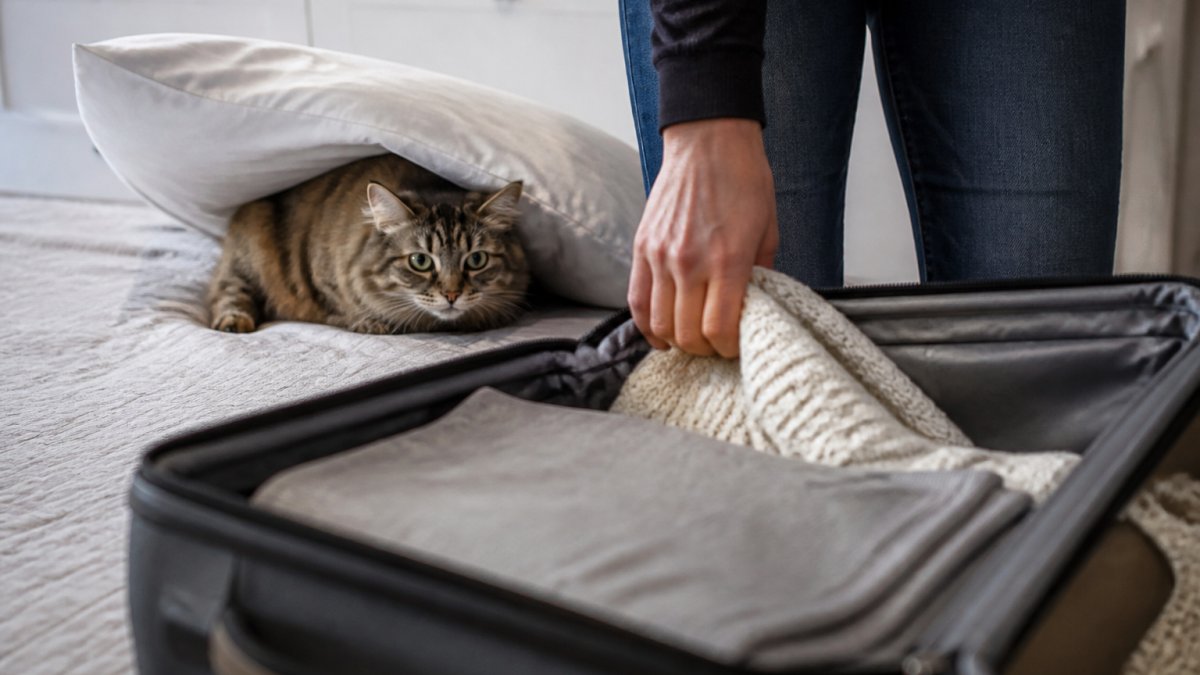
A cat that was friendly during the meet and greet but is hiding under the bed by day three may be stressed, ill, or both.
Special Needs and Senior Cat Protocols
Senior cats and those with chronic health conditions require elevated observation during every drop-in visit. For senior cat visits, add these steps to the standard protocol:
- Check mobility: can the cat reach its food, water, and litter box without difficulty?
- Assess body condition: weight loss in senior cats can be rapid and is often the first sign of illness
- Note any vocalizations that seem pain-related, particularly when moving
- Confirm the cat can access elevated resting spots safely, or has ground-level alternatives
- Review and administer any supplements or prescription foods in addition to medications
According to the Cornell Feline Health Center senior cat care resources, cats are considered senior at age 11 and geriatric at 15.
Environmental Enrichment During Drop-In Visits
Environmental enrichment during visits prevents behavioral deterioration that can occur when cats are left alone for extended periods. Enrichment doesn't require elaborate setups:
- Interactive play: A 5-10 minute play session with a wand toy provides physical activity and positive association with the sitter
- Window access: Confirm that at least one window perch or bird feeder view is accessible and unobstructed
- Puzzle feeders: If the owner has food puzzles, use them for at least one meal per day
- Comfort items: Leave a worn piece of the owner's clothing near the cat's favorite resting spot
- Rotation: Move toys between visits so the environment feels slightly novel without being disorienting
For cats showing signs of separation anxiety, enrichment becomes therapeutic rather than optional.
Best Practices for Pet Sitting Updates
Owners who are traveling want to know their cat is fine. The communication loop between sitter and owner is a core part of professional service.
Digital Check-In Verification and Photo Updates
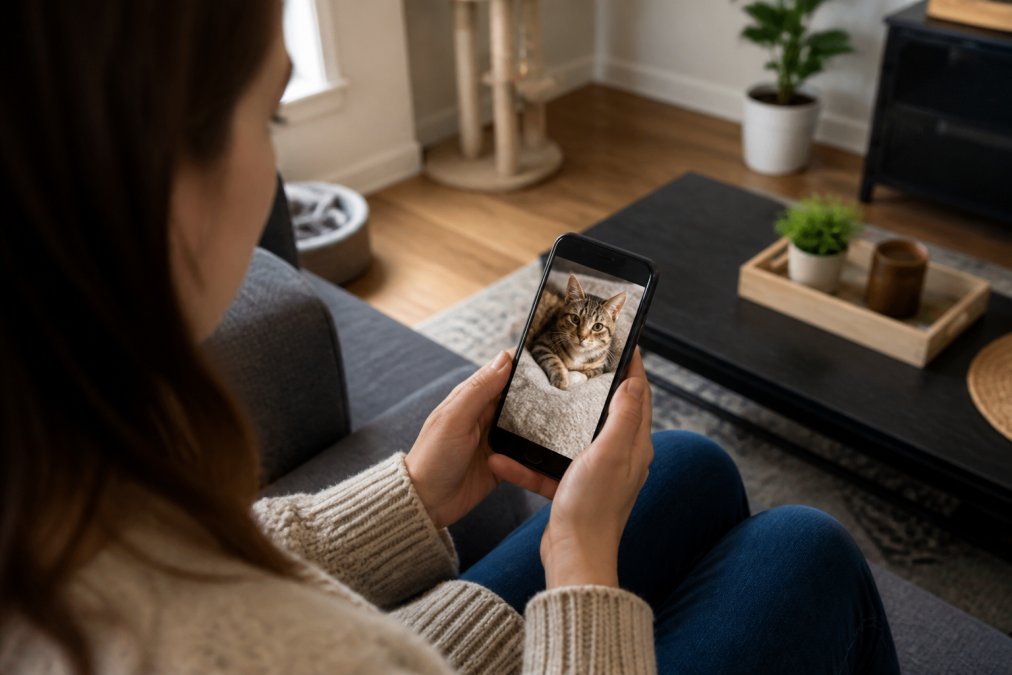
Every visit should be documented with a timestamped photo or short video sent to the owner. This gives the owner peace of mind and creates a verifiable record that the visit occurred and the cat was observed.
Best practices for digital updates:
- Send one photo or video per visit, minimum
- Include a brief written note covering what the cat ate, litter box status, and any behavioral observations
- Note the visit time and duration
- Flag anything unusual immediately rather than waiting for the next update
- For cats on medication, confirm in the update that the dose was administered successfully
Emergency Contacts and Veterinary Release Forms
Before any trip begins, the owner should provide a signed veterinary release form authorizing the sitter to seek emergency veterinary care on the owner's behalf.
The emergency contact file for every client should include:
- Primary owner contact (phone and email)
- Secondary emergency contact (friend, family member, neighbor)
- Regular veterinarian: name, address, phone, and hours
- Emergency veterinary clinic: name, address, and 24-hour phone number
- Pet insurance provider and policy number, if applicable
- Any known allergies or medications to disclose to emergency vets
Cat Sitter Daily Report Template
A standardized daily report removes ambiguity and creates a consistent record of care.
Cat Sitter Daily Visit Report
Date: ________________ Visit Time (arrival): ________________ Visit Duration: ________________ Cat Name(s): ________________
Feeding
- Food provided: Yes / No
- Amount given: ________________
- Food remaining from previous visit: ________________
- Water refreshed: Yes / No
- Automatic feeder checked: Yes / No / N/A
Litter Box
- All boxes scooped: Yes / No
- Number of boxes: ________________
- Observations (output, consistency, any concerns): ________________
Medication
- Medication administered: Yes / No / N/A
- Medication name and dose: ________________
- Time administered: ________________
- Notes: ________________
Behavioral Observations
- Overall demeanor: Normal / Withdrawn / Agitated / Other
- Activity level: Active / Moderate / Lethargic
- Eating observed: Yes / No / Unknown
- Any hiding, vocalizing, or unusual behavior: ________________
Enrichment
- Play session completed: Yes / No
- Duration: ________________
- Notes: ________________
Home/Security
- Home secured on exit: Yes / No
- Alarm set: Yes / No / N/A
- Any issues with entry or exit: ________________
Photo/Video sent to owner: Yes / No
Sitter notes for next visit: ________________
This template covers every core element of the cat sitter daily check-in process in a format that takes under three minutes to complete.
| Report Section | Purpose | Frequency |
|---|---|---|
| Feeding log | Confirm intake, catch appetite changes | Every visit |
| Litter box observations | Monitor health, maintain hygiene | Every visit |
| Medication record | Dosage accountability, vet reference | Every visit (if applicable) |
| Behavioral notes | Early stress or illness detection | Every visit |
| Enrichment log | Track engagement, adjust as needed | Every visit |
| Photo update | Owner peace of mind, visit verification | Every visit |
| Security check | Home safety, liability protection | Every visit |
Professional cat sitting is more structured than most people expect. The gap between a casual arrangement and a professional service comes down to documentation, consistency, and communication. Tracy's Kitty Care was built on exactly that foundation: background-checked, licensed, bonded, and insured sitters who follow a defined protocol on every visit so that cat owners can travel without second-guessing whether their animals are truly safe. If you're looking for reliable in-home care that goes beyond the basics, get in touch with Tracy's Kitty Care to discuss your cat's specific needs and schedule your meet and greet.
Frequently Asked Questions
How often should a cat sitter check on a cat?
Most cats do well with one drop-in visit per day for short trips, but two visits daily are strongly recommended for kittens, senior cats, cats on medication, or any cat prone to separation anxiety. Cats with medical needs, such as twice-daily insulin injections, require visits timed precisely to their treatment schedule. When in doubt, scheduling an extra visit is always the safer choice for your cat's health and comfort.
What should a cat sitter do during a daily visit?
A thorough cat sitter check-in covers feeding, refreshing water, scooping the litter box, administering any medications, and spending social time with the cat. The sitter should also scan the home for anything unusual, vomiting, changes in appetite, hiding behavior, or signs of injury. A written or digital daily report sent to the owner completes the visit and keeps everyone informed about the cat's wellbeing.
What information should I give my cat sitter before I leave?
Prepare a complete pet care instructions sheet that includes your cat's feeding schedule, food type and portion size, medication details with dosing times, your veterinarian's name and phone number, a signed veterinary release form, emergency contact numbers, home alarm codes, and Wi-Fi or app access if you use a smart feeder or camera. Sharing this at the meet-and-greet appointment, before your trip, gives the sitter time to ask questions and get comfortable with your cat's daily routine.
Do cats need more than one check-in per day?
One daily visit works for many healthy adult cats on short trips, but two visits per day is the better standard for any cat with medical needs, high-anxiety tendencies, or a history of health issues. Kittens and senior cats also benefit from more frequent contact. If your cat requires medication administration twice daily, two visits are not optional, they are necessary for safe, consistent care.
This article was written using GrandRanker