 how-to
How to Introduce Your Cat to a Sitter
Table of Contents
- Why the First Introduction Matters
- Understanding Signs of Anxiety in Cats
- Preparing Your Home Before the Cat Sitter Meet and Greet
- Cat Sitter Meet and Greet Checklist
- How Long Should a Cat Sitter Stay on Initial Visits
- Using a Cat Sitting Instructions Template
- Building Trust Through Positive Reinforcement and Scent Swapping
- Post-Introduction Monitoring and Adjustment
- Frequently Asked Questions
Last Updated: August 31, 2026
Why the First Introduction Matters
The first time your cat meets a new sitter sets the tone for every future visit. Cats thrive on predictability, and a rushed introduction can create anxiety that lingers for weeks, making your cat hide, refuse food, or become stressed each time the sitter arrives. A proper introduction builds familiarity and trust before you leave town, so your pet feels safe in your absence.
At Tracy's Kitty Care, we understand how a structured introduction can transform the entire pet-sitting experience. This guide walks you through every step of that process, from preparing your home to monitoring your cat's adjustment after regular visits begin.
Understanding Signs of Anxiety in Cats
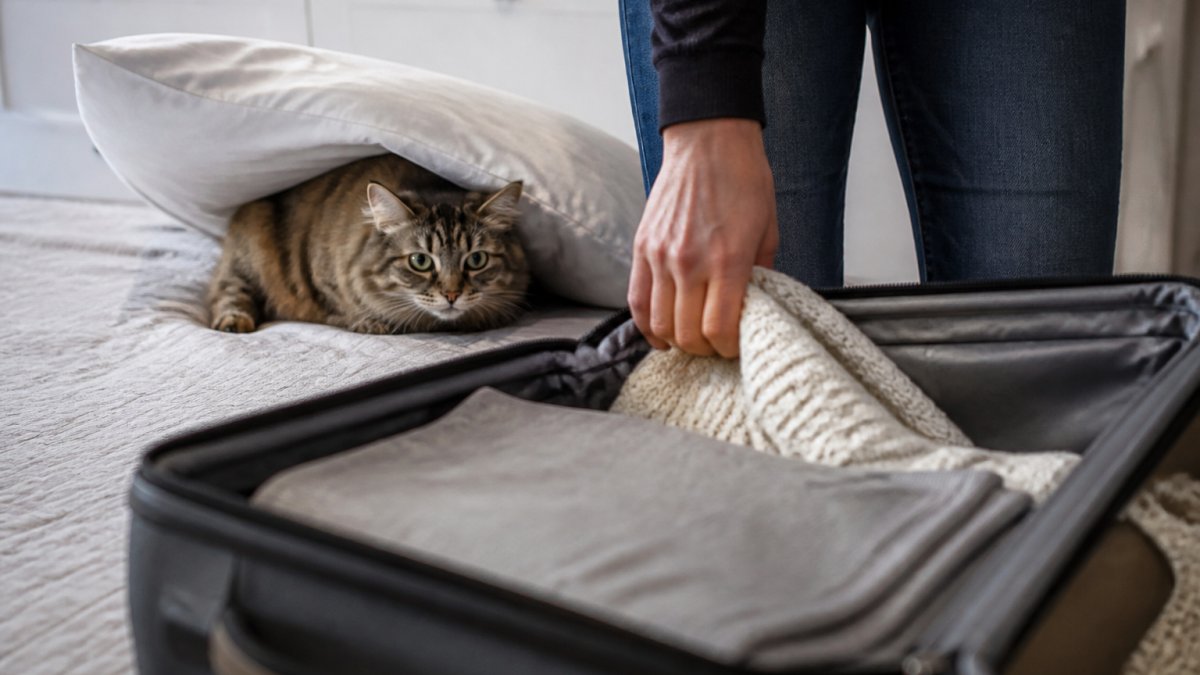
Cats communicate stress through body language long before they act out. Common anxiety indicators include crouching low, flattened ears, dilated pupils, and a tucked tail. A stressed cat may hide, refuse to eat, groom excessively, or become vocal with unusual meowing or rumbling sounds.
The key distinction is between normal caution and genuine distress. A cat investigating a new person with curiosity, approaching slowly, sniffing, and blinking slowly shows interest. A cat that backs away, hisses, or refuses to leave their hiding spot needs more time. Pay attention to these behavioral cues during the meet and greet, they guide how quickly you can move forward with regular visits.
Preparing Your Home Before the Cat Sitter Meet and Greet
Your home environment directly influences how your cat responds to a stranger's presence. Start by decluttering common areas where the sitter will spend time. Ensure the sitter has clear pathways to the litter box, food and water bowls, and any medication your cat takes.
Keep your home at a comfortable temperature, around 70 to 75 degrees Fahrenheit. Reduce ambient noise before the sitter arrives by turning off the television and minimizing background music. A calm soundscape helps your cat stay relaxed during the introduction.
Setting Up a Safe Room
A safe room is a dedicated space where your cat can retreat if overwhelmed. This room should contain a litter box, food and water bowls, a bed or blanket, and toys. Choose a room your cat already feels comfortable in, ideally a bedroom or quiet office. Leave the door open during the meet and greet so your cat can access it if needed.
Stock the safe room with items that carry familiar scents, a blanket you've slept on or a piece of worn clothing can comfort your cat and remind them of your presence while you're away.
Creating Familiar Scents and Environmental Enrichment
Before the introduction, ask the sitter to send you a small item of their clothing. Place this item in your home a few days before the meet and greet so your cat becomes accustomed to the sitter's scent before meeting them in person.
Pheromone diffusers that mimic feline facial pheromones create a calming effect. Plug one in the main living area and one in the safe room about a week before the introduction.
Environmental enrichment keeps your cat mentally stimulated and reduces stress. Provide climbing structures, window perches, puzzle feeders, and interactive toys. A cat engaged with their environment is less likely to fixate on anxiety about a stranger's presence.
Cat Sitter Meet and Greet Checklist
The meet and greet is your opportunity to assess the sitter's approach and your cat's response. You should be present during the entire introduction, observing how the sitter interacts with your cat.
Schedule the meet and greet for a time when your cat is typically calm and alert, usually mid-morning or early evening. A 30-minute introduction gives the sitter time to familiarize themselves with your home and cat without overwhelming your pet.
What to Discuss During the Introduction
Walk the sitter through your cat's daily routine, personality quirks, and behavioral concerns. Explain when your cat eats, uses the litter box, and prefers playtime. Share information about your cat's favorite toys, treats, and hiding spots.
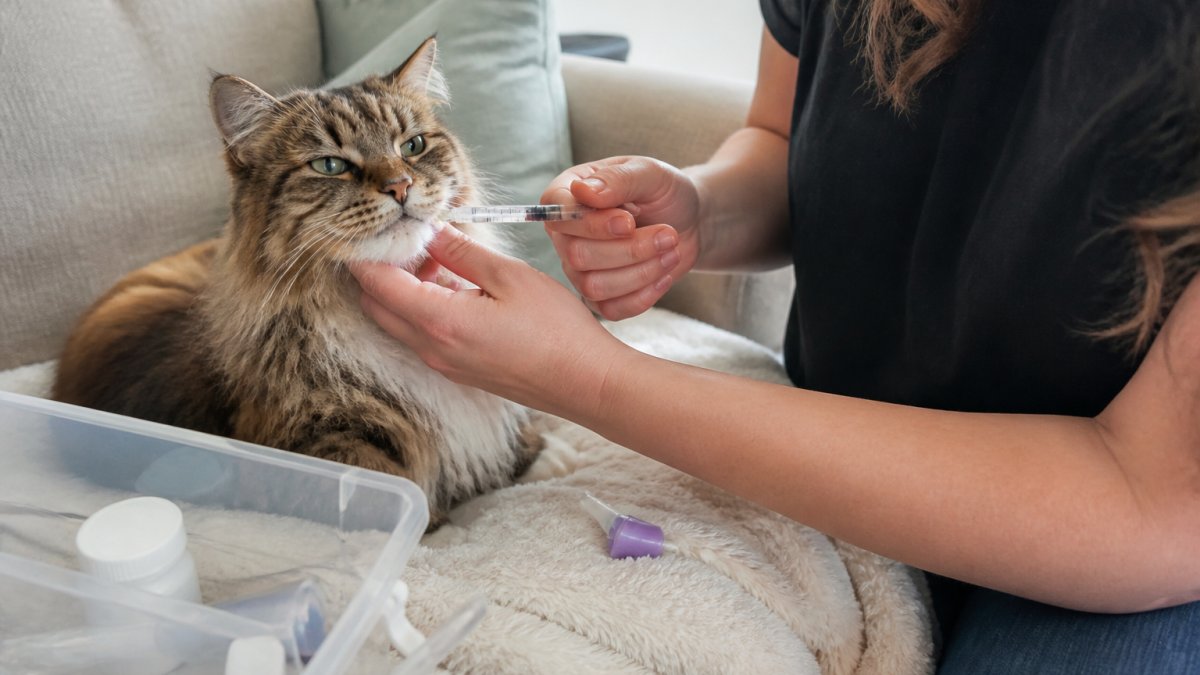
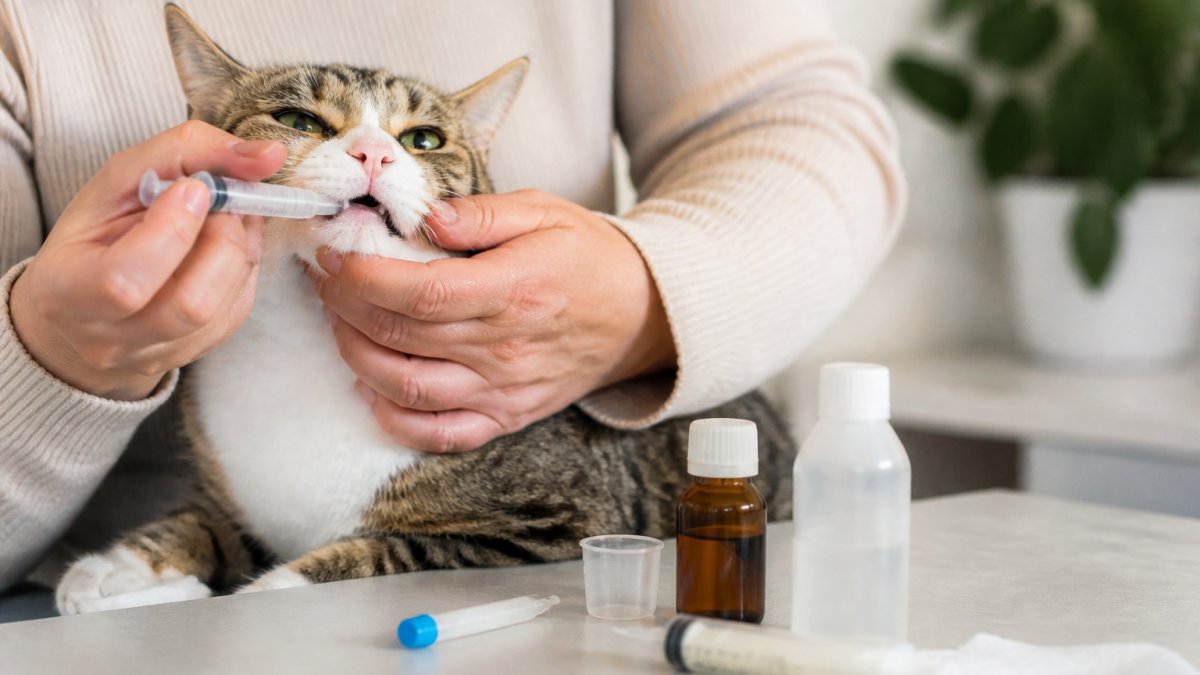
Discuss your cat's body language and stress signals. Explain what a relaxed cat looks like for your pet and what behavior would indicate anxiety. Go over medical needs in detail, if your cat takes medication, show the sitter exactly how to administer it, the dosage, frequency, and any special instructions. Provide your veterinarian's contact information and permission to call if your cat seems unwell.
Discuss emergency protocols. What should the sitter do if your cat escapes outdoors or stops eating? Having a clear plan prevents panic and ensures your cat gets appropriate care if something unexpected happens.
Observing Your Cat's Body Language
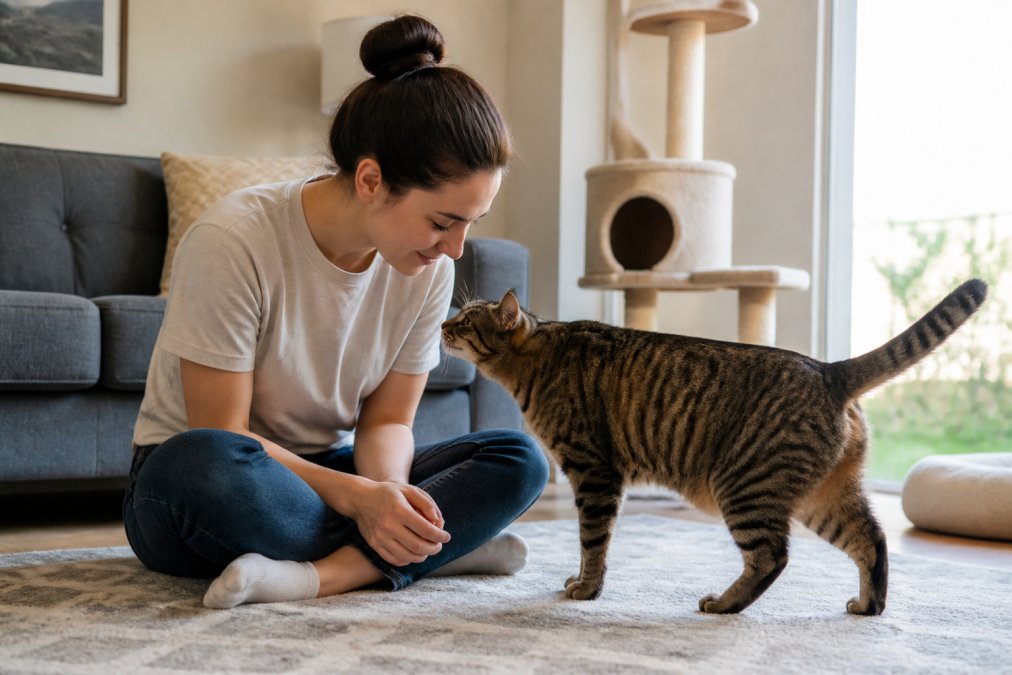
Watch how your cat responds to the sitter's presence. A cat that approaches with a relaxed posture, slow blinks, and gentle head bunts is showing positive interest. A cat that sits nearby without hiding is also a good sign.
If your cat immediately hides, that's not necessarily a failure. Some cats need multiple short exposures before feeling safe. What matters is whether anxiety decreases with each subsequent visit. Pay attention to the sitter's reaction to your cat's behavior. A good sitter respects your cat's pace, doesn't force interaction, and allows your cat to approach on their own terms.
How Long Should a Cat Sitter Stay on Initial Visits
Most cat sitter visits run 30 minutes, which is enough time for feeding, water refresh, litter box cleaning, and brief interaction. For anxious cats or those requiring medication, 30 minutes is appropriate because it keeps the visit predictable and less overwhelming.
For particularly shy or anxious cats, start with shorter 20-minute visits focused solely on essential care. Once your cat becomes accustomed to the sitter's presence, visits can extend to 30 minutes to include playtime.
The sitter should arrive and leave at the same time each day. Consistency is crucial for cats. Early visits should prioritize your cat's comfort over extended playtime. A sitter who respects this boundary demonstrates professionalism and cat-centered care.
Using a Cat Sitting Instructions Template
A written set of instructions ensures consistency and prevents miscommunication. Your template should include your cat's name, age, and identifying features. List your cat's daily schedule: feeding times and portion sizes, water refresh times, litter box cleaning frequency, and playtime preferences. Include your cat's favorite toys, treats, and play styles.
Document your cat's quirks and preferences. Does your cat prefer wet food or dry? Do they like to be petted, or prefer to be left alone? Are there sensitive areas of their body? These details help the sitter provide familiar and comfortable care.
Medical Needs and Special Care Requirements
If your cat requires medication, specify the medication name, dosage, frequency, and administration method. Include a photo or description of the medication so the sitter can identify it correctly.
If your cat has a health condition, document the symptoms to monitor and specific actions the sitter should take if symptoms appear. Include your veterinarian's full contact information, including after-hours emergency line. Provide your own phone number and a trusted backup contact.
List any allergies, dietary restrictions, or foods your cat should never eat. If your cat requires special equipment, include details about where items are stored and how to use them.
Building Trust Through Positive Reinforcement and Scent Swapping
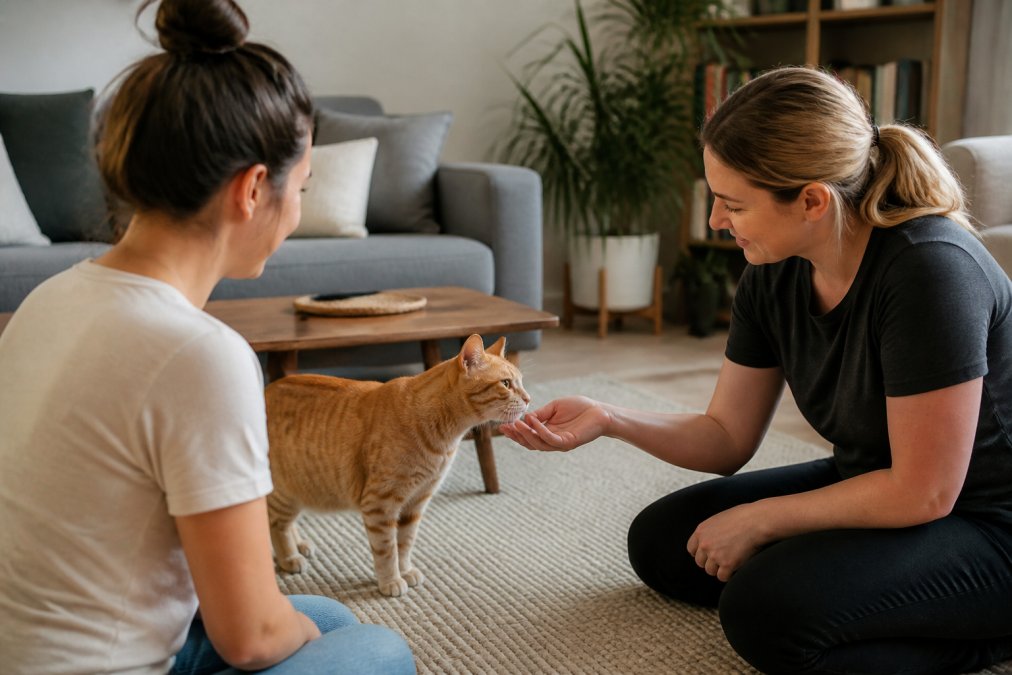
Trust develops faster when the sitter uses positive reinforcement. Treats are one of the most effective tools for building a positive association between your cat and the sitter. During the meet and greet, ask the sitter to offer your cat's favorite treats by hand.
Before the first visit, give the sitter a blanket or toy that carries your scent. The sitter can place this item in your home, and your cat will associate it with both you and the sitter. Conversely, ask the sitter to leave something with their scent after each visit. Your cat will gradually become accustomed to the sitter's scent in their territory.
Play therapy is another powerful tool. A sitter who engages your cat in play provides mental stimulation and creates positive memories. A cat that associates the sitter with fun and engagement is far more likely to feel relaxed during visits.
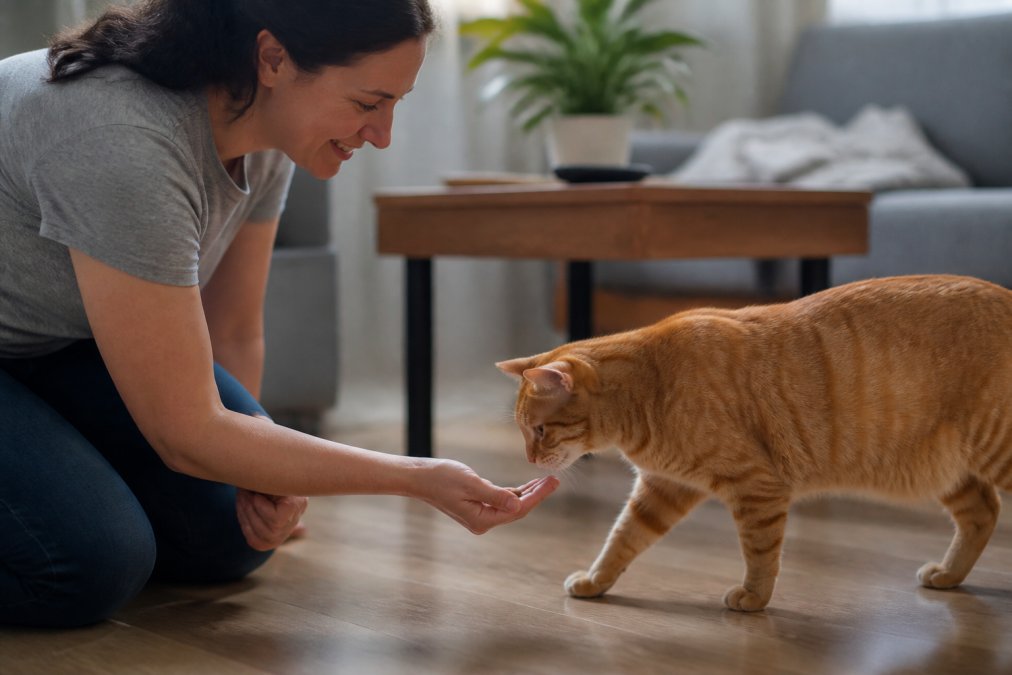
The sitter should never force interaction. If your cat approaches, that's the moment to offer treats or gentle play. If your cat keeps distance, the sitter should respect that boundary. Over multiple visits, your cat will gradually become more comfortable.
Post-Introduction Monitoring and Adjustment
After the meet and greet, continue observing your cat's behavior for signs of stress or adjustment. In the first week of actual sitter visits, your cat may show mild anxiety, slightly reduced appetite, more frequent hiding, or increased vocalization. This is normal and typically resolves within a few days.
If your cat's stress behaviors intensify or persist beyond a week, communicate this to the sitter. The sitter may need to adjust their approach, spending less time or focusing solely on essential care until your cat becomes more comfortable.
Pay attention to your cat's behavior after the sitter leaves. Does your cat return to normal within an hour, or remain anxious for the rest of the day? Does your cat eat normally on sitter days? These observations tell you whether the introduction is progressing well.
If your cat becomes increasingly anxious despite multiple visits, consider consulting your veterinarian. Chronic stress can affect your cat's health and immune function. Your vet may recommend calming supplements, pheromone products, or other interventions.
Regular communication with your sitter after the introduction phase ensures that any changes in your cat's behavior or health are caught early. A good sitter will provide updates on your cat's mood, appetite, and activity level during each visit.
Introducing your cat to a sitter requires patience, planning, and attention to your cat's emotional needs. The process builds a foundation of trust that makes every future visit smoother and less stressful for your cat. When you work with a professional sitter who understands feline behavior and respects your cat's pace, your cat gains confidence and your home gains a trusted caregiver.
Tracy's Kitty Care specializes exclusively in cat care and understands that each cat is unique. Our background-checked, licensed, and insured sitters follow a structured approach to introductions, ensuring your cat feels safe and secure from the very first visit. With Tracy's Kitty Care, you gain peace of mind knowing your cat is in experienced, caring hands. Learn more about our cat sitting service and schedule a meet and greet with a sitter who will treat your cat with the attention and respect they deserve.
Frequently Asked Questions
Q: How do I know if my cat is anxious about meeting a new sitter?
A: Signs of anxiety in cats include hiding, dilated pupils, flattened ears, excessive grooming, loss of appetite, and vocalization changes. Some cats show stress through crouching or avoiding eye contact. Watch your cat's body language during the meet and greet. If your cat displays these behaviors, work with your sitter to use slower introductions, treats, and calming techniques like pheromone diffusers to reduce stress.
Q: What should I include in a cat sitting instructions template?
A: A cat sitting instructions template should cover feeding schedules and portion sizes, litter box location and maintenance, medication administration (if applicable), emergency veterinary contact information, your cat's personality traits, behavioral cues that indicate stress or illness, and any special comfort items. Include details about your cat's preferred play therapy methods, hiding spots, and how to recognize when your cat needs space versus attention.
Q: How long should a cat sitter stay during the first visit?
A: Initial visits typically benefit from 30 minutes to allow proper introduction and observation. This gives your sitter time to meet your cat, discuss care instructions, and establish a routine. Tracy's Kitty Care's standard cat sitting service includes 30 minutes of feeding, fresh water, litter box cleaning, and playtime, a solid foundation for building comfort with your sitter.
Q: Should I be present during the first meeting with my cat sitter?
A: Yes, being present during the initial meet and greet is highly recommended. Your presence provides reassurance to your cat and allows you to observe how the sitter interacts with your pet. You can demonstrate your cat's personality, show the sitter where supplies are located, and answer questions about behavioral cues. This helps build trust between all three parties and ensures your sitter understands your cat's specific needs and comfort level.
This article was written using GrandRanker