 how-to
Why Your Cat Is Acting Shy and Hiding: A Guide
Table of Contents
- The Instinctual Nature of Feline Hiding
- Cat Hiding Behavior Medical Causes You Should Know
- Signs of Anxiety in Cats: Recognizing Stress-Induced Hiding
- How to Help a Shy Cat Adjust to Their Environment
- When Sudden Behavioral Changes Warrant a Veterinary Visit
- The Role of Consistent, Familiar Care in Reducing Stress
- Frequently Asked Questions
Last Updated: September 26, 2026
The Instinctual Nature of Feline Hiding
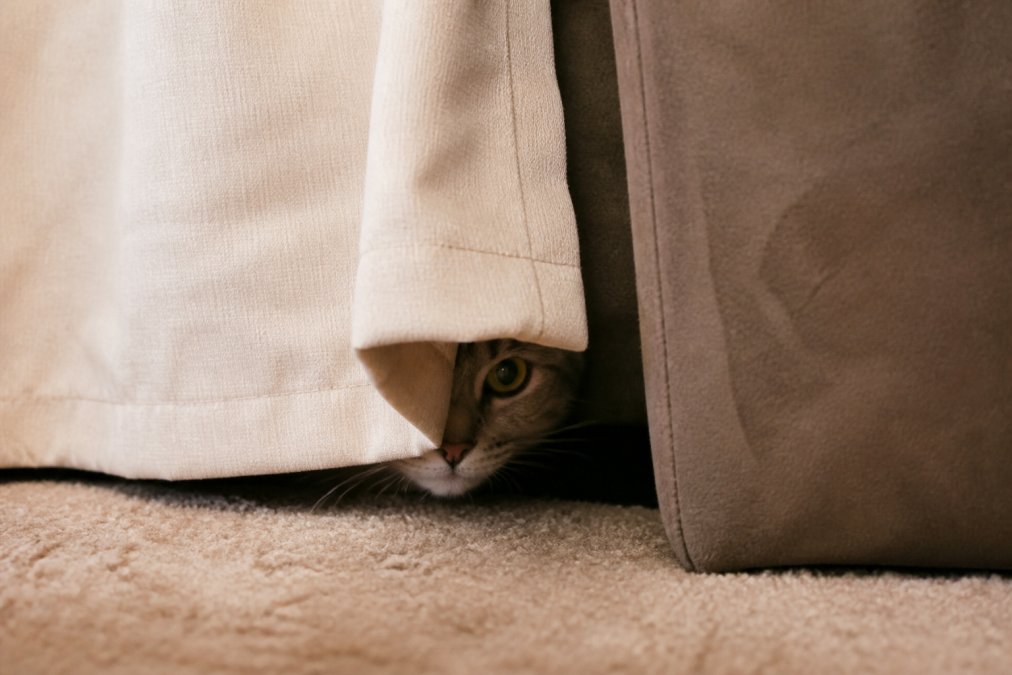
Cats hide for deeply rooted reasons tied to their evolutionary biology. When your cat acting shy hiding, they're often responding to something in their environment or their own physical state. Understanding this instinct is the first step to helping them feel safe again.
In the wild, a cat's survival depends on staying hidden from predators. That predatory instinct remains strong in domestic cats today. When they feel threatened or unwell, hiding becomes their default coping mechanism. It's not a behavior problem, it's a survival strategy hardwired into their DNA.
Sudden hiding often signals something specific has changed. Your job is to figure out what. Is it medical? Environmental? Behavioral? The answer determines how you help.
Cat Hiding Behavior Medical Causes You Should Know
Pain and Illness
When a cat is in pain or experiencing illness, hiding becomes their protective response. Cats mask discomfort instinctively because showing weakness makes them vulnerable in nature. Your cat may eat less, use the litter box differently, or move more slowly when they emerge.
Common painful conditions include arthritis, dental disease, and digestive issues. Older cats develop arthritis more frequently. A cat limping or stiffening when they move needs veterinary evaluation. Don't assume it's just age, many conditions are treatable.
Watch for these signs alongside hiding:
- Reduced appetite or refusing favorite foods
- Excessive grooming in one area
- Difficulty jumping or climbing stairs
- Changes in how they walk or move
- Unusual vocalizations or silence when normally vocal
Urinary Tract Issues and Other Clinical Signs
Urinary tract infections and blockages cause significant pain and stress. A cat with urinary issues may hide while also making frequent trips to the litter box. They may strain, cry out, or produce little to no urine. This is a medical emergency, urinary blockages can be fatal within 24-48 hours.
Other clinical signs that warrant immediate veterinary attention include lethargy, vomiting, and sudden changes in appetite. A cat that suddenly stops eating or drinks excessively may have a serious underlying condition. Hyperthyroidism, kidney disease, and diabetes all present with behavioral changes including increased hiding.
Signs of Anxiety in Cats: Recognizing Stress-Induced Hiding
Body Language and Behavioral Red Flags
An anxious cat displays specific body language that differs from a sick cat. Look for a tucked tail, flattened ears, dilated pupils, and a crouched posture. Anxious cats may also groom excessively or stop grooming entirely. They might vocalize more or become completely silent.
Stress-induced hiding often follows a specific trigger. Did a new person visit? Did you rearrange furniture? Did your schedule change? Cats thrive on routine and familiarity. Breaking that routine creates anxiety.
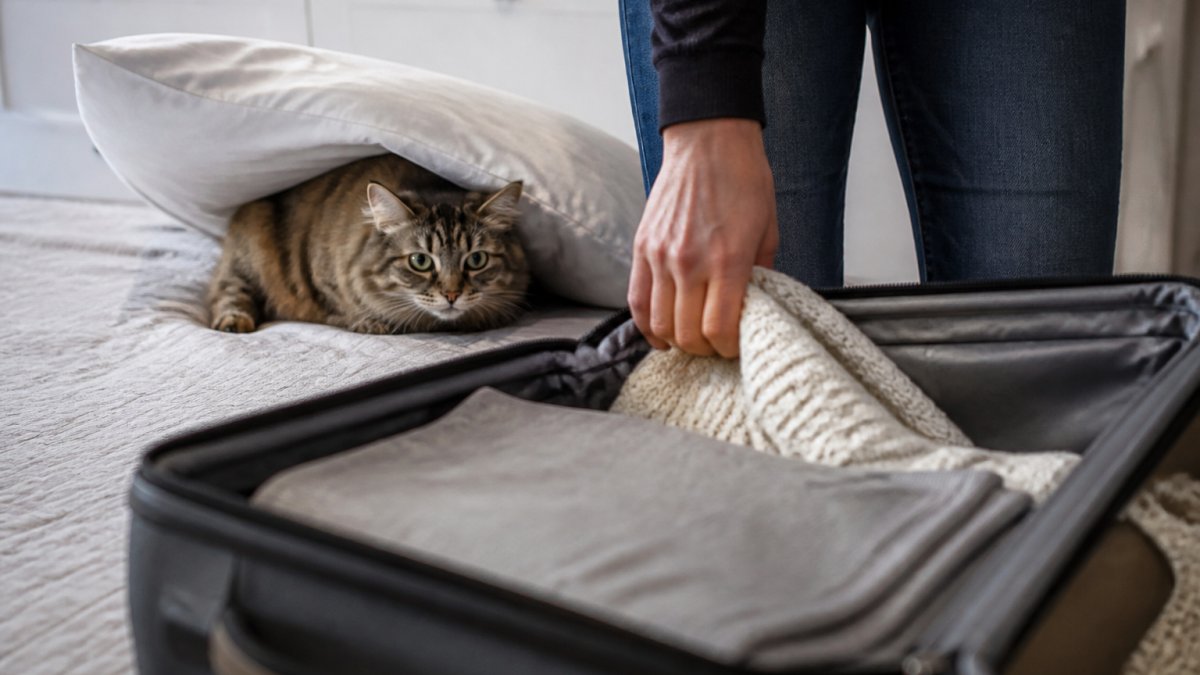
Some cats hide after loud noises, during storms, or when unfamiliar people arrive. Others hide during travel or when their owner's routine shifts. These are normal anxiety responses, not signs of illness.
Environmental Stressors and Triggers
Environmental changes are among the most common causes of cat acting shy hiding. Moving to a new home, introducing a new pet, or changes in your work schedule all trigger stress. Even subtle changes, like rearranging furniture or changing litter types, can stress sensitive cats.
Multi-cat households sometimes produce territorial insecurity. A cat being chased or bullied by another cat will hide to avoid conflict. This is a learned behavior. The hiding cat feels unsafe in shared spaces.
Loud noises, unfamiliar visitors, and changes in feeding schedules also create anxiety. Cats with limited early socialization tend to be shyer and hide more frequently when faced with novelty.
How to Help a Shy Cat Adjust to Their Environment
The approach to helping a shy cat depends significantly on the cat's age, because the underlying causes and recovery timelines differ across life stages. A kitten's shyness is often a socialization issue, while an adult cat's sudden hiding may signal medical change, and a senior cat's withdrawal frequently reflects pain or cognitive decline.
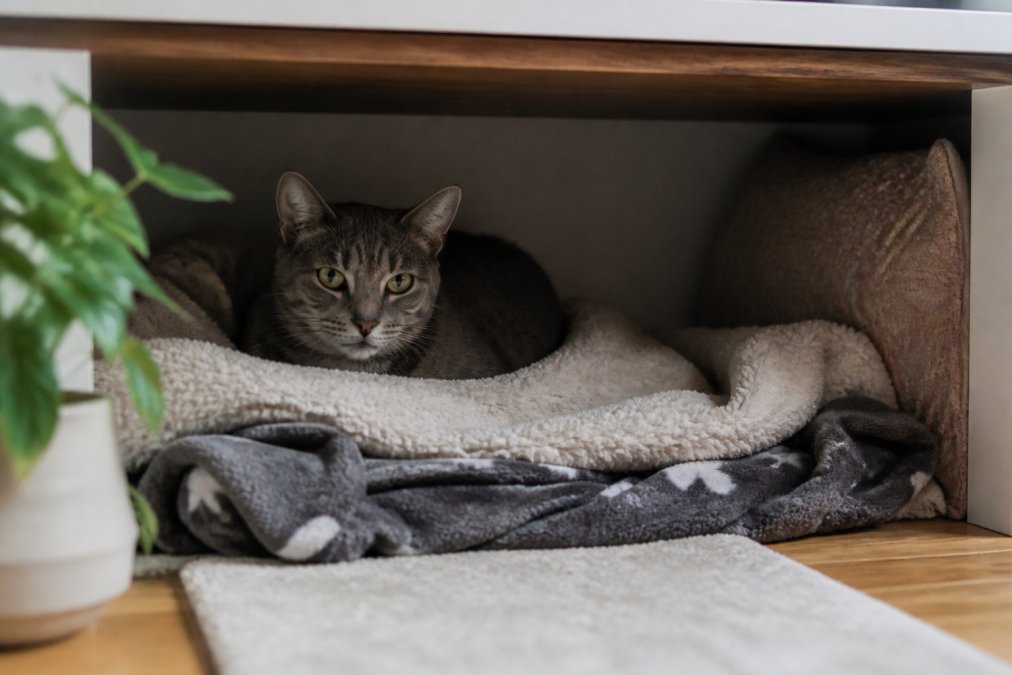
Age-Specific Hiding Causes and Solutions
Kittens (8 weeks to 1 year)
Kitten shyness is almost always a socialization issue. Kittens socialized to human handling, novel environments, and varied stimuli between 2-14 weeks of age develop significantly higher confidence as adults. A kitten that was not handled during this critical window will hide more frequently and take longer to adjust to new situations.
For a shy kitten, the goal is controlled exposure. Introduce one new stimulus at a time: a new person, a new room, a new sound. Allow 3-5 days between introductions so the kitten processes each change. Pair each new experience with treats, play, or affection. A kitten that associates novelty with positive outcomes will develop confidence faster than one left alone to "adjust naturally."
Kittens also hide when they are overstimulated. Unlike adult cats, kittens have limited emotional regulation. A kitten hiding after a long play session or a busy day with visitors is normal and healthy. Provide a quiet space and allow 1-2 hours of rest. This is not a sign of a problem; it is age-appropriate behavior.
Recovery timeline: A shy kitten typically shows measurable confidence gains within 2-4 weeks of consistent, positive exposure and play.
Adult Cats (1-7 years)
An adult cat that suddenly begins hiding is more likely experiencing a medical issue, environmental stressor, or behavioral change than a kitten. Sudden hiding in an adult cat warrants veterinary evaluation first, before assuming it is purely behavioral.
If medical causes are ruled out, environmental stressors are the primary culprit: a new pet, a change in your schedule, a move, or even rearranged furniture. Adult cats have established routines and expectations. Breaking those routines creates anxiety.
For an adult cat, the intervention is environmental consistency plus gradual exposure. Maintain feeding times, play schedules, and litter box locations exactly as they were. Simultaneously, introduce changes very slowly. If you've adopted a second cat, keep them separated for 2-4 weeks, allowing your original cat to acclimate to the new cat's scent before direct contact. If you've changed your work schedule, gradually shift your cat's feeding and play times to match the new schedule over 1-2 weeks rather than overnight.
Recovery timeline: An adult cat with a clear environmental stressor typically shows improvement within 1-3 weeks once the stressor is removed or the cat is given time to adjust.
Senior Cats (8+ years)
A senior cat that increases hiding behavior is often experiencing pain, cognitive decline, or a medical condition related to aging. Arthritis, hyperthyroidism, kidney disease, and cognitive dysfunction all present with increased hiding in older cats.
Before assuming behavioral causes, a senior cat needs thorough veterinary evaluation including bloodwork and urinalysis.
Creating a Safe Haven (All Ages)
Regardless of age, your shy cat needs a dedicated safe space where they feel completely secure. This should be a quiet room or corner away from household traffic. Stock it with their litter box, food, water, and a comfortable bed or hiding spot.
Gradual Exposure and Environmental Enrichment
Once a safe space is established, gradually expand your cat's comfort zone. Leave the safe space door open and place toys, treats, or a puzzle feeder just outside the entrance. This encourages exploration without pressure. Increase the distance of enrichment items from the safe space over days or weeks.
When Sudden Behavioral Changes Warrant a Veterinary Visit
Sudden changes in hiding behavior require professional evaluation. If your normally social cat suddenly hides for extended periods, something has shifted. Schedule a veterinary appointment to rule out medical causes first.
The Role of Consistent, Familiar Care in Reducing Stress
Consistency reduces stress for anxious cats dramatically. Feeding at the same time each day, maintaining the same play schedule, and keeping routines predictable all help. Cats with stable routines hide less frequently.
Frequently Asked Questions
Why is my cat suddenly hiding and acting scared?
Sudden hiding often signals stress, anxiety, or an underlying health issue. Common triggers include environmental changes, loud noises, new people in the home, or medical problems like pain or illness. If your cat is also showing lethargy, appetite changes, or other clinical signs, contact a veterinarian. Cats mask pain instinctively, so what looks like shyness may indicate a need for veterinary examination.
What are signs of anxiety in cats I should watch for?
Anxious cats often display slinking behavior, dilated pupils, flattened ears, and excessive grooming. They may avoid food or water, show territorial insecurity, or display non-recognition aggression toward familiar people. Some cats become overly vocal or destructive. If your cat combines hiding with these behavioral changes, stress or anxiety is likely at play.
Do cats usually hide when they are sick?
Yes. Cats instinctively hide when ill or in pain as a survival mechanism rooted in their predatory nature and prey drive awareness. Hidden illness is common because cats are masters at masking discomfort. If your cat is hiding more than usual and not eating, drinking, or using the litter box normally, seek veterinary examination promptly. Diagnostic testing can rule out urinary tract issues, pain, or other medical causes.
How can I help my shy cat feel more confident at home?
Create a safe haven with hiding spots, vertical spaces, and environmental enrichment like toys and scratching posts. Use positive reinforcement and interactive play to build confidence gradually. Pheromone products can reduce stress. Maintain consistent routines and minimize sudden changes. When you travel, in-home care from a trusted, familiar sitter helps prevent the stress and behavioral changes that come with boarding facilities or unfamiliar environments.
A shy cat acting shy and hiding is communicating something important. Your job is to listen. Start by ruling out medical causes with your veterinarian. Then address environmental stressors and build confidence through consistent, gentle care. When you need to travel, choose a caregiver who understands anxious cats and can maintain the familiar routines your cat depends on. Contact Tracy's Kitty Care to learn how our in-home cat sitting keeps your shy cat calm and secure while you're away.