 how-to
Managing Anxious Cats During Travel: A Practical Guide
Table of Contents
- Understanding Signs of Anxiety in Cats
- Preparing Your Cat for Travel: A Step-by-Step Approach
- Cat Travel Anxiety Medication and Veterinary Options
- In-Home Pet Sitting vs Boarding for Anxious Cats
- Creating a Stress-Free Travel Environment
- Post-Travel Decompression and Recovery
- Frequently Asked Questions
Last Updated: September 17, 2026
Understanding Signs of Anxiety in Cats
Recognizing anxiety signs early is essential for managing anxious cats during travel, letting you intervene before stress becomes serious.
Common anxiety signals include excessive vocalization, hiding, reduced appetite, destructive behavior, pacing, over-grooming, aggression, and litter box avoidance. These are stress responses, not character flaws.
Physical symptoms include dilated pupils, flattened ears, low body posture, drooling, vomiting, diarrhea, and constipation. These signals indicate your cat needs help managing the experience.
Anxious cats show warning signs days before travel: changes in sleep patterns, increased clinginess, or sudden withdrawal. Start preparation immediately when you notice these shifts.
Preparing Your Cat for Travel: A Step-by-Step Approach
The best way to reduce travel anxiety is preparation. Most cats need three to four weeks of gradual acclimatization before travel.
Carrier desensitization and training
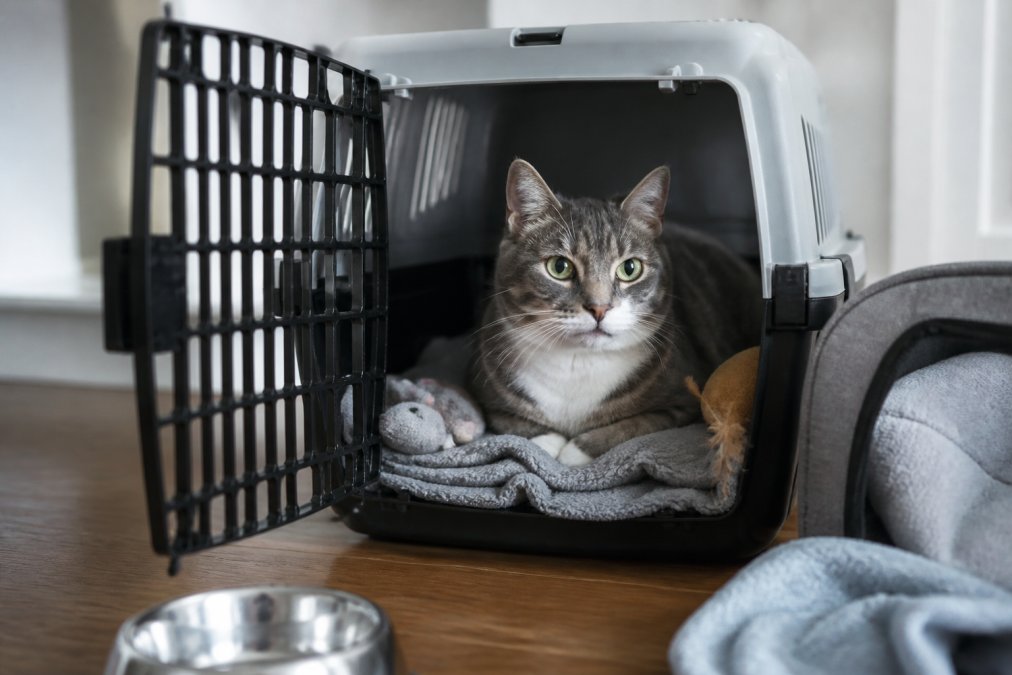
Your carrier is the foundation of stress-free travel. Many cats panic because they only see it during stressful events. Change that association through a structured four-week protocol.
Week 1: Familiarization Leave the carrier out permanently in a high-traffic area with the door open. Place soft bedding, a favorite toy, and treats inside. Toss high-value treats (cooked chicken, freeze-dried fish, or commercial treats) inside every few minutes. Do not close the door. The goal is voluntary entry and exit. Ignoring the carrier is normal.
Week 2: Positive Association Place meals inside the carrier with the door open. Increase treat-tossing to 2-3 times daily. Close the door for 10-15 seconds while your cat eats, opening before they notice. Gradually extend to 30 seconds by week's end. If your cat shows stress, return to Week 1 for 2-3 days.
Week 3: Duration and Movement Close the door for 1-2 minutes while your cat is calm, gradually extending to 5 minutes. Sit nearby. Once your cat tolerates 5 minutes calmly, pick up the closed carrier for 10-20 seconds daily. By week's end, your cat should enter voluntarily and remain calm with the door closed for 5+ minutes.
Week 4: Simulation and Short Trips Carry the closed carrier around your home for 30 seconds to 2 minutes. Place it in your car (engine off) for 5 minutes. Start the engine without driving. Take 2-3 minute neighborhood drives, keeping the car quiet and comfortable. Return home and reward your cat. Repeat 2-3 times. By travel day, your cat should have positive associations with the carrier and vehicle.
Troubleshooting common setbacks: If your cat refuses entry after week 1, place the carrier on its end (opening up) to feel less threatening. If your cat panics when the door closes, progress more slowly, some cats need 6-8 weeks. If your cat vomits or eliminates in the carrier, consult your veterinarian about motion sickness or medical anxiety.
Establishing a pre-trip routine
Cats thrive on consistency. Establish a predictable routine in the days before travel: maintain normal feeding schedules, consistent play sessions, unchanged litter box locations, and regular sleep patterns.
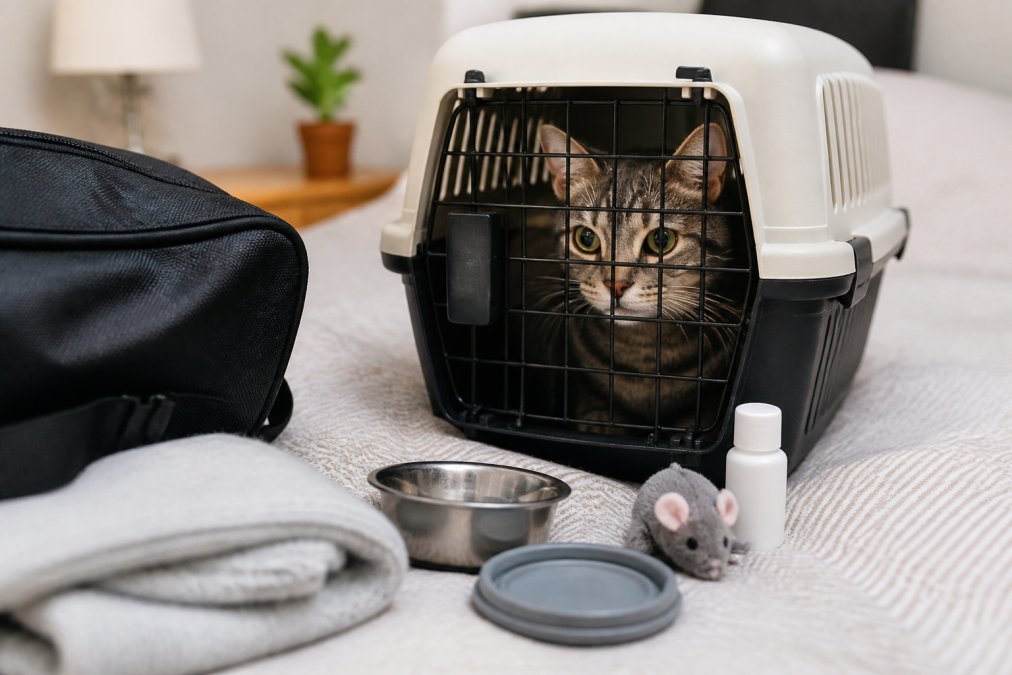
Two days before travel, create a "travel kit" with familiar blankets, favorite toys, and a piece of your worn clothing. Let your cat become accustomed to these items.
Visit your veterinarian one week before travel to discuss anxiety management options and fill any necessary prescriptions early.
On travel day, maintain morning routines, feed normally, and play as usual. Keep energy calm, cats sense panic and mirror it.
Cat Travel Anxiety Medication and Veterinary Options
When behavior modification alone isn't enough, your veterinarian can help with multiple approaches to managing anxious cats during travel.
Prescription anxiolytics and sedatives
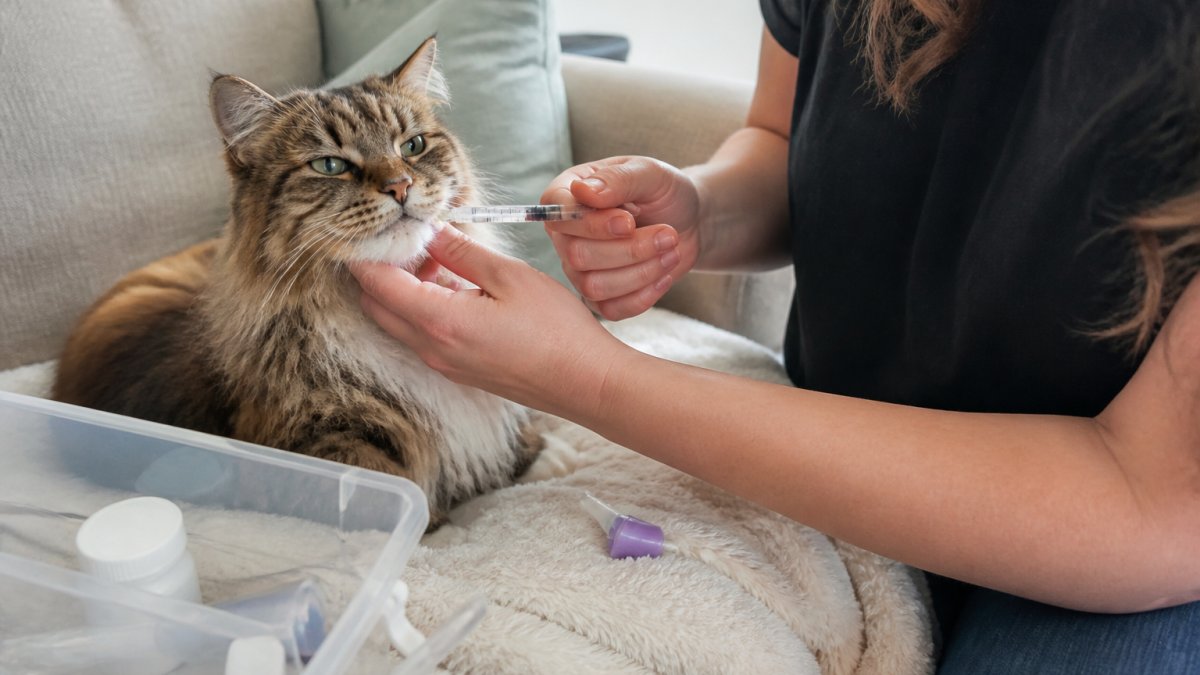
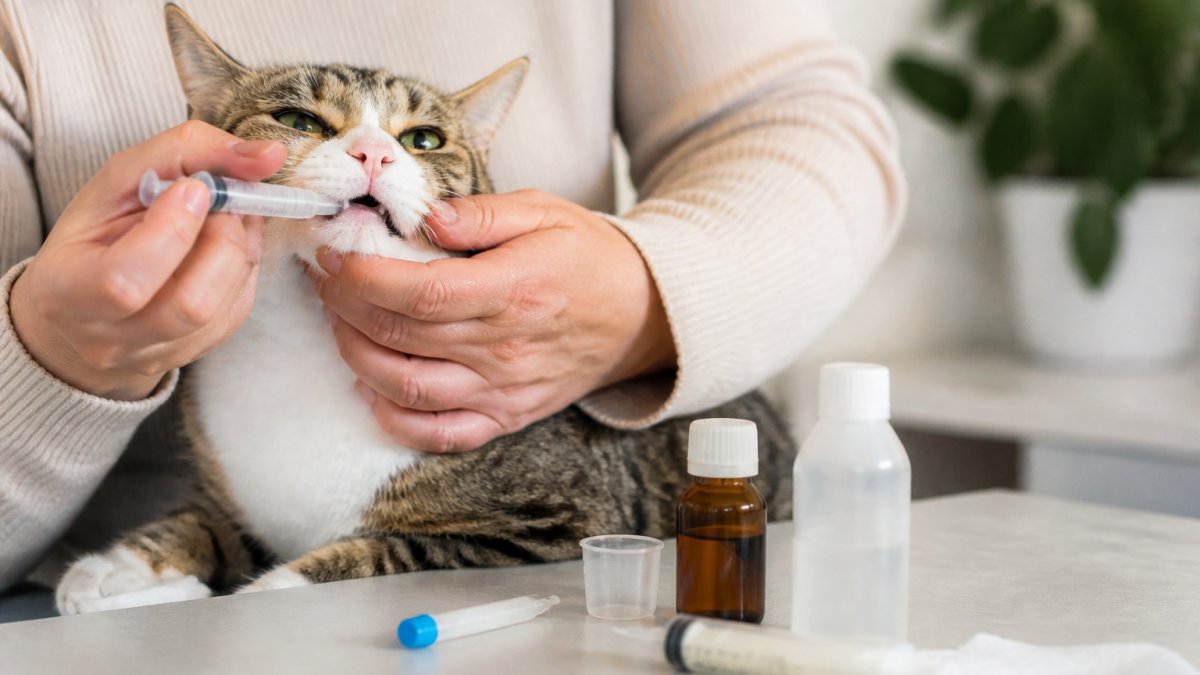
Your vet may recommend short-acting sedatives for travel (taking effect in 30-60 minutes, lasting 4-8 hours) or anti-anxiety medications that reduce panic without full sedation. These work best combined with carrier training and environmental management. Always discuss side effects, some cats experience drowsiness or decreased appetite, while others respond perfectly. Your vet will find the right medication and dosage for your cat.
Never give medication without veterinary guidance. Dosing depends on your cat's weight, health history, and specific anxiety triggers. What works for one cat may be wrong for another.
Natural calming aids and pheromone therapy
Natural alternatives include pheromone therapy (Feliway is most researched, spray on carrier, bedding, and car 15 minutes before travel), herbal supplements with valerian or chamomile (start 3-5 days before travel), and calming treats. Results vary, but these are low-risk options worth trying.
In-Home Pet Sitting vs Boarding for Anxious Cats
When you travel, anxious cats face a critical choice: stay home with a pet sitter, or go to a boarding facility. Each option carries distinct trade-offs for nervous cats.
In-home pet sitting
In-home pet sitting keeps your cat in their familiar environment with routine intact. A professional sitter visits once or twice daily for food, water, and litter box maintenance. Your cat experiences minimal disruption and can hide or relax without pressure to socialize. For anxious cats, this is often the lowest-stress option.
Advantages for anxious cats:
- No transportation stress
- Familiar environment reduces panic
- One-on-one attention from a consistent caregiver
- Medication can be administered reliably on schedule
- No exposure to other animals or unfamiliar sounds
- Cat maintains normal sleep and eating patterns
Disadvantages:
- Higher cost (pricing depends on quantity, dates, and delivery)
- Requires trust in a stranger entering your home
- Limited availability during peak travel seasons
- Sitter illness or emergency can leave you without backup care
- Requires detailed instructions and access to your home
Boarding facilities
Boarding introduces new environments, unfamiliar people, strange sounds, and other animals, amplifying stress for anxious cats. However, it may be necessary for extended trips (2+ weeks) or when pet sitters aren't available. Some facilities specialize in anxious cats with individual attention in quiet spaces.
Advantages:
- Professional staff available 24/7
- Backup care if primary staff member is unavailable
- Suitable for longer trips
- Some facilities offer medical care on-site
- No need to grant home access
Disadvantages for anxious cats:
- Unfamiliar environment triggers panic
- Exposure to other cats and noise
- Inconsistent handling by multiple staff members
- Disrupted eating and litter box habits
- Higher risk of stress-related illness (vomiting, diarrhea, loss of appetite)
- Cats may hide or refuse to eat for days
Choosing the right option
For anxious cats, in-home pet sitting is preferred. If boarding is necessary, select a facility offering individual quiet spaces, low cat-to-staff ratios, experience with anxious cats, medication administration, and trial visits. Prepare by visiting 1-2 weeks before, bringing familiar bedding and toys, providing behavioral notes, requesting a consistent staff member, and leaving an item with your scent.
Creating a Stress-Free Travel Environment
Environment shapes your cat's experience. Control what you can. Eliminate unnecessary stressors.
Packing essentials and familiar items
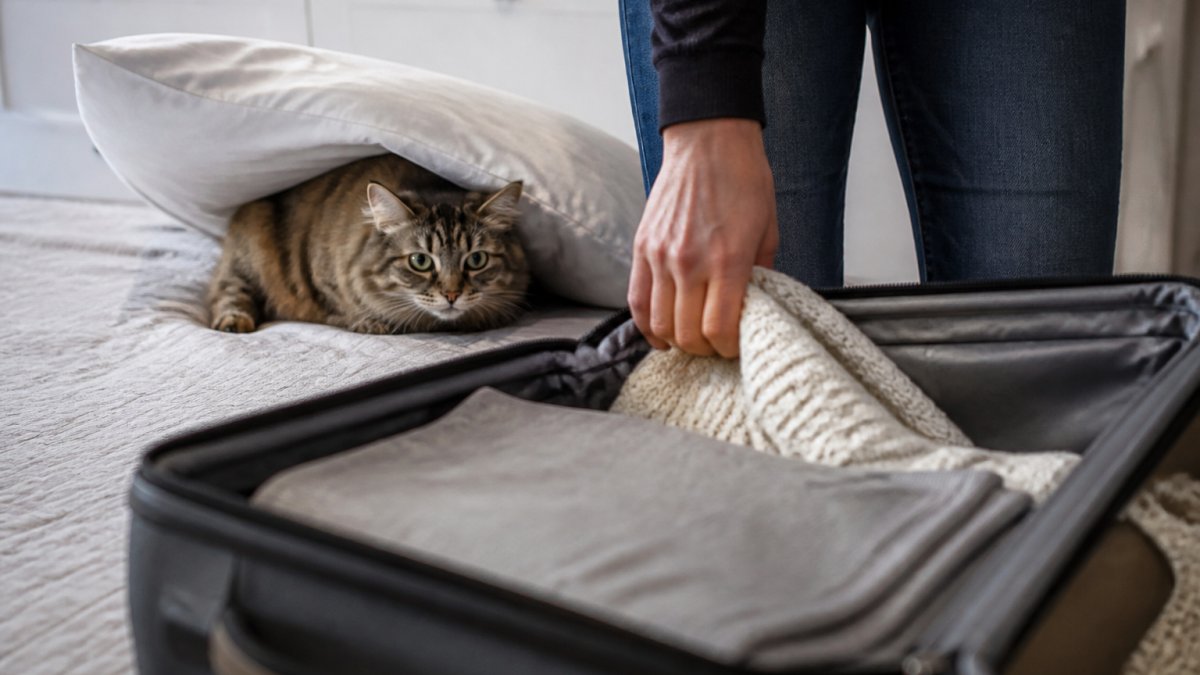
Pack favorite toys, preferred bedding, and a piece of your worn clothing to reduce anxiety through scent. Include a backup litter box, food and water bowls your cat recognizes, and enough regular food for the entire trip. Pack medications in original labeled bottles, veterinary records, a recent photo, a collar with ID tags, and a microchip registry card.
Safe driving and air travel techniques
Keep your cat in their carrier while driving, a loose cat is a distraction and safety hazard. Maintain comfortable temperatures and never leave your cat in a parked car. Check airline requirements in advance (health certificates, carrier dimensions). Book direct flights when possible and avoid extreme heat or cold. Keep your cat in their carrier during airport procedures for security.
Post-Travel Decompression and Recovery
Create a quiet space for your cat's first 24 hours home with food, water, litter box, and familiar bedding. Let your cat decompress without interaction pressure. Don't force interaction, let your cat approach when ready. Monitor eating and bathroom habits; most cats return to normal within 24-48 hours. Watch for behavioral changes persisting beyond a few days and contact your veterinarian if needed. Resume normal routines immediately to restore your cat's sense of control.
Travel doesn't have to mean stress for your anxious cat.
Frequently Asked Questions
What are the main signs of anxiety in cats during travel?
Common signs include excessive meowing, hiding, drooling, loss of appetite, vomiting, and destructive behavior. Some cats become unusually clingy or aggressive. Panting, dilated pupils, and trembling also indicate feline anxiety. If your cat shows these behaviors, mention them to your veterinarian before your trip so they can recommend appropriate interventions, whether behavioral training or medication.
Should I sedate my cat for travel, and what medication options exist?
Sedation isn't always necessary and depends on your cat's anxiety level and travel duration. Your veterinarian can prescribe anti-anxiety medication like gabapentin or trazodone, which calm without full sedation. Sedatives carry risks including side effects and unpredictable reactions. Discuss all options with your vet to determine whether medication, pheromone therapy, or behavioral training alone suits your cat's needs.
Is in-home pet sitting better than boarding for an anxious cat?
In-home pet sitting often suits anxious cats better because they stay in their familiar environment, which reduces stress-induced illness and behavioral problems. Boarding facilities, even quality ones, introduce new sights, sounds, and people that can worsen feline anxiety. Professional in-home sitters provide consistent care while your cat remains comfortable at home, making it an ideal option for nervous or shy cats who struggle with environmental changes.
How can I help my cat adjust to the carrier before travel?
Start carrier desensitization weeks before travel. Leave the carrier open in a familiar space, place treats inside, and let your cat explore at their own pace. Gradually increase time spent in the carrier with the door closed, using positive reinforcement. Never force your cat inside. This behavioral training builds confidence and reduces panic during actual travel, making the experience less traumatic for your feline companion.