 blog
Signs of a Reliable and Trustworthy Cat Sitter
Table of Contents
- Why Trust Matters More With Cats Than Almost Any Other Pet
- Signs of a Reliable and Trustworthy Cat Sitter: What to Look For
- Questions to Ask a Cat Sitter Before You Book
- How to Verify Credentials, Insurance, and Reviews
- The Cat Sitter Checklist: What a Professional Should Bring and Follow
- What to Tell a Cat Sitter Before Your Trip
- How Often Should a Cat Sitter Visit?
- Red Flags and a Simple Decision Framework
- Frequently Asked Questions
Last Updated: October 15, 2026
Why Trust Matters More With Cats Than Almost Any Other Pet
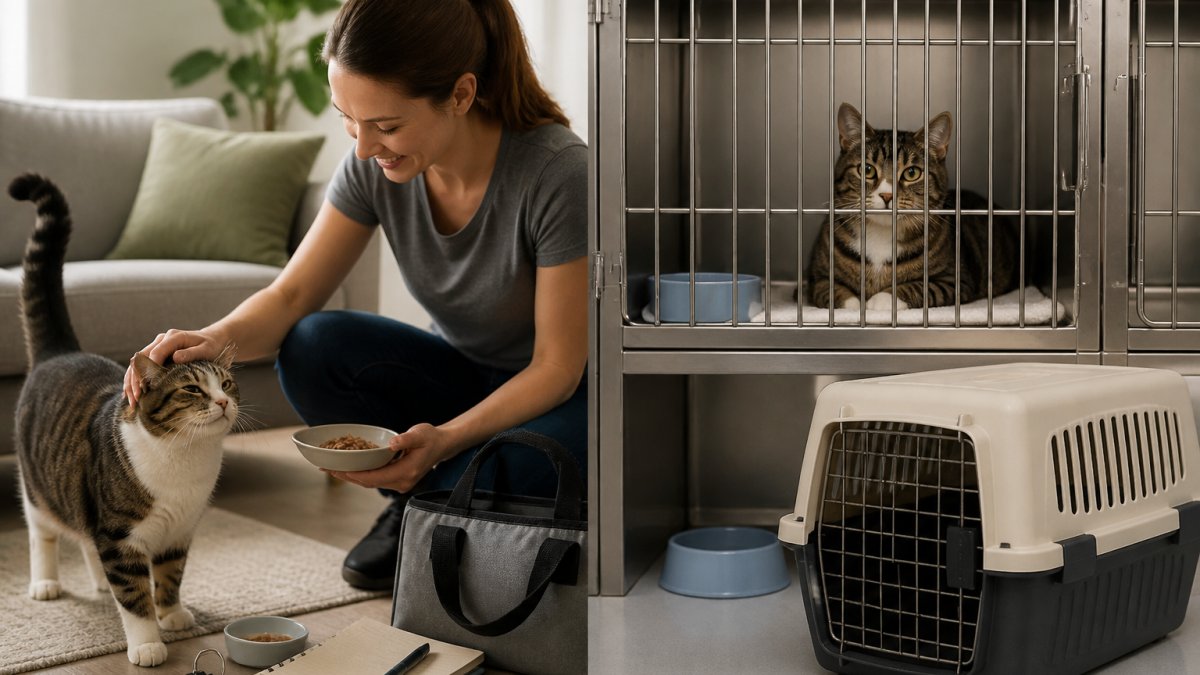
Cats hide illness and stress better than almost any other pet. That is why finding a reliable and trustworthy cat sitter is less about convenience and more about your cat's health.
Cats thrive on routine. A new person, a new smell, a new schedule all add up.
Below, we break down the exact signs that separate a true professional from someone who just likes cats.
Signs of a Reliable and Trustworthy Cat Sitter: What to Look For
A reliable cat sitter shows up on time, follows your instructions exactly, and sends proof of every visit. Trust is built on small, repeated actions, not on a friendly first impression.
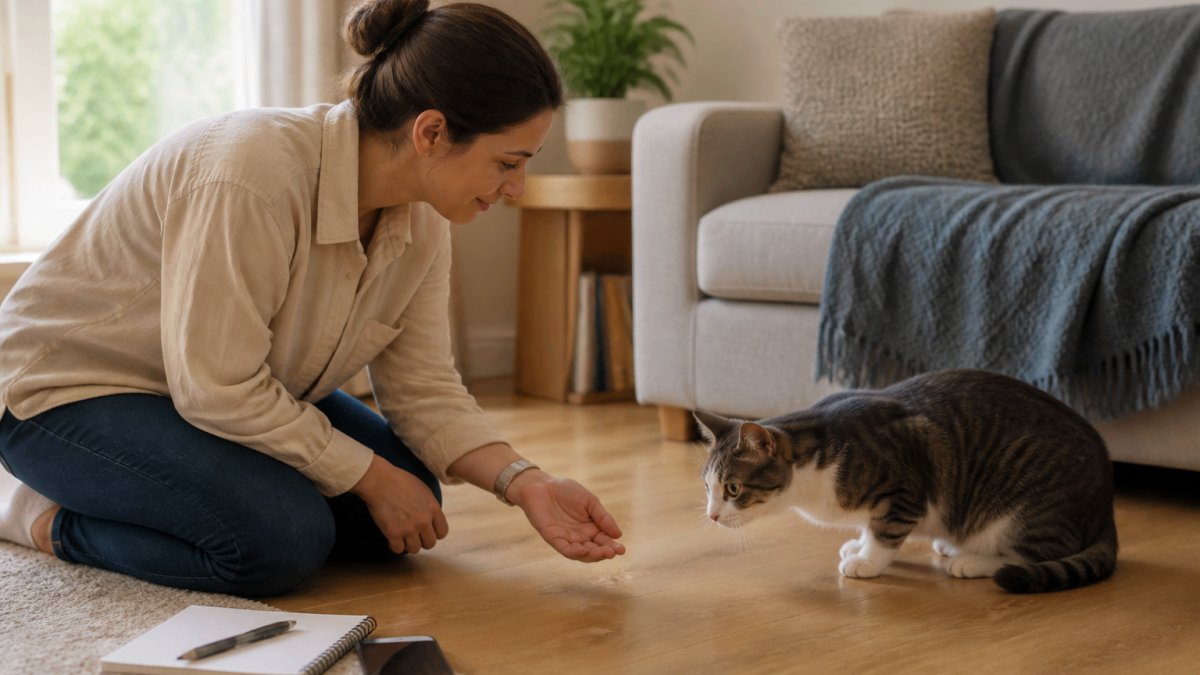
Look for these traits before you hand over your keys:
- Punctuality. They arrive within the agreed window, every time.
- Clear communication. They confirm bookings and reply to messages quickly.
- Cat-first mindset. They ask about your cat's habits before talking about themselves.
The best sign of all is simple: your cat acts normal when you get home. A calm, well-fed cat with a clean litter box tells you more than any review.
Observable Signs During a Meet-and-Greet or Trial Visit
Watch how the sitter moves, not just what they say. A professional sits low, speaks softly, and lets your cat set the pace. They will not chase, corner, or scoop up a nervous cat.
Here is what to watch for during that first visit:
- They let your cat approach them first.
- They avoid direct eye contact and slow-blink instead.
- They ask where your cat hides when scared.
A trial visit is your best test. Book a short paid visit before your trip. Ask for a photo update. If your cat eats and uses the litter box normally, that is a strong signal.
Questions to Ask a Cat Sitter Before You Book
Good questions reveal how a sitter thinks. Ask these before you commit, and listen for specific answers, not vague reassurance.
- How many visits do you do per day, and how long is each one?
- What happens if my cat hides the whole visit?
- Can you give medication, including injections?
- What is your backup plan if you get sick?
- Do you have a written care agreement?
- How do you handle keys and home access?
- What is your cancellation policy?
The answers matter as much as the questions. A pro will explain their process in plain terms. Someone guessing will give you short, fuzzy answers.
How to Verify Credentials, Insurance, and Reviews
Ask for proof, not promises. A trustworthy sitter will happily share documents, because they have nothing to hide. The difference between a good sitter and a great one is that the great one can show you exactly how each claim checks out.
Here is how to verify each claim instead of just taking it on faith:
- Background check. Ask which screening company ran it and the date it was completed.
- Insurance and bonding. Request a certificate of insurance (COI) and call the insurer's number listed on it to confirm the policy is active. Look for two things: general liability coverage and, if the sitter handles keys, a bond or theft coverage.
- References. Ask for two or three recent clients with cats, not just dogs. When you call, ask specific questions: Did the sitter send updates without being asked? What happened when a cat got sick or hid the whole visit? Would you book them again?
For guidance on hiring in-home service providers safely, see the Federal Trade Commission consumer advice on hiring. It covers red flags like pressure to pay upfront in cash.
How to Spot Fake or Inflated Reviews
A sudden burst of five-star reviews posted within a few days of each other is a common pattern for purchased reviews. So is a profile with dozens of reviews but no photos, no names, and no mention of specific cats or visits. Cross-check the reviewer's name against other platforms, a real client usually leaves a trace somewhere.
What to Do If a Sitter Cannot Provide Proof
If a sitter stalls, changes the subject, or says "I've been doing this for years, trust me," that is your answer. A professional who has invested in insurance, bonding, and screening is proud to show it. Someone who has not will deflect. You do not owe anyone your keys or your cat's safety because they seemed nice at the meet-and-greet.
The Cat Sitter Checklist: What a Professional Should Bring and Follow
A professional arrives prepared. If your sitter shows up empty-handed, that is a problem.
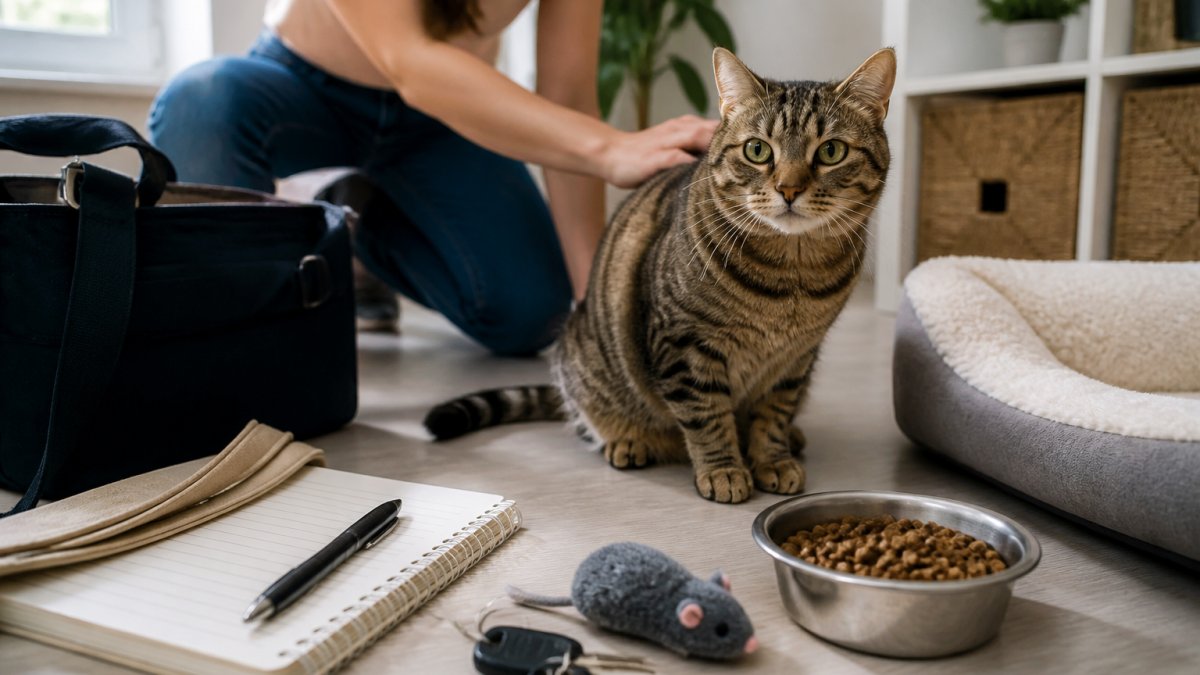
Here is what a good sitter brings and follows on every visit:
- A written copy of your care instructions
- Their own poop bags, paper towels, and cleaning supplies
- Any medications, syringes, or pill pockets you have set aside
And here is what they should do every single visit:
- Refresh food and water per your instructions.
- Scoop the litter box and note any changes.
- Check your cat's behavior and appetite.
- Send a photo and a short update.
- Lock up and confirm the visit is complete.
A sitter who skips the update or the photo is cutting corners. Those updates are your proof the visit happened.
What to Tell a Cat Sitter Before Your Trip
More detail is always better. Write it down so nothing gets lost in conversation, and keep a copy for yourself so you can confirm the sitter has everything they need.
Leave your sitter a clear brief covering:
- Your cat's feeding schedule and exact food amounts
- Food preferences and any treats to avoid
- Medication names, doses, and times
Walk your sitter through the home on the first visit. Show them where the food, litter, and carrier are kept.
For medication, leave written instructions and a quick demonstration. A sitter who gives insulin or pills should confirm they understand the dose and timing before you leave.
The Emergency and Safety Plan Every Sitter Should Have
This is the part most owners skip, and it is the part that matters most when something goes wrong. Before you leave, confirm four things in writing:
- Veterinary authorization. Give your sitter a signed letter authorizing emergency veterinary care up to a dollar limit you set, and confirm your vet will accept it. Include your regular vet's name and number plus the nearest 24-hour emergency animal hospital. Many sitters keep a template for this; if yours does not, write one yourself.
- Backup coverage. Ask who covers if the sitter gets sick, has a family emergency, or is stuck in traffic. A solo sitter should have a named backup who has already met your cat or can be briefed by phone. "I'll figure it out" is not a plan.
- Emergency transport. Confirm the sitter has a carrier on hand or knows where yours is, and that they can drive your cat to the vet if needed. Ask whether they have a car available during your trip.
- Owner contact procedure. Agree on how and when the sitter will reach you in an emergency, and what they should do if they cannot reach you. Give them a local emergency contact, a neighbor, friend, or family member, who can make decisions if you are unreachable.
What to Confirm on the First Real Visit
After the first paid visit of your trip, check three things: Did the sitter send a photo and a written update? Did they note anything unusual about your cat's appetite, litter box use, or behavior? Did they confirm the visit start and end times? If all three are yes, your plan is working. If any are missing, call or message before the next visit, not after you get home.
How Often Should a Cat Sitter Visit?
Most cats do best with one visit per day, and many need two.
Use this guide:
| Trip Length | Minimum Visits | Ideal Visits |
|---|---|---|
| 1-2 days | 1 per day | 2 per day |
| 3-5 days | 1 per day | 2 per day |
| 1 week or more | 1 per day | 2 per day |
Cats with medical needs, kittens, or seniors usually need two visits daily. Shy cats also do better with shorter, more frequent visits so they get used to the routine.
If you are away for a long trip, ask about a mid-stay check-in call or extra photos. Small updates keep you calm and catch problems early.
Red Flags and a Simple Decision Framework
Some warning signs should end the conversation fast. Walk away if a sitter:
- Will not provide proof of insurance or a background check
- Refuses a written agreement
- Pressures you to pay in full upfront in cash
Use this simple framework to decide:
- Verify first. Credentials, insurance, and reviews before anything else.
- Trial visit next. Book one short visit and watch how they handle your cat.
- Check the updates. If the first real visit comes with a photo and notes, that is a good sign.
- Trust your gut. If something feels off, it usually is.
For a deeper look at how in-home care compares to boarding, the American Veterinary Medical Association pet care resources offer useful guidance on reducing stress for cats.
At Tracy's Kitty Care, we built our cat sitting service around these exact standards. Every sitter is background checked, licensed, bonded, and insured. We specialize only in cats, so we understand shy, nervous, and senior cats better than a general pet sitter.
Frequently Asked Questions
How can you tell if a cat sitter is trustworthy?
Ask for proof of insurance, bonding, and a completed background check, then verify each one rather than taking a verbal yes. A trustworthy cat sitter also welcomes a meet-and-greet, shares references you can contact, and sends visit updates with photos after each drop-in. Watch how they behave around your cat during the first visit. Someone who lets a shy cat approach on its own terms and asks about feeding schedules, medication, and litter box habits is showing you the habits of a professional, not just a friendly neighbor.
What questions should you ask a cat sitter before hiring them?
Ask how many cats they care for at once, what happens if your cat gets sick or injured, and whether they can give medication such as insulin injections. Request their emergency plan in writing, including the name of the veterinarian they would call and how they would reach you. Ask about visit length, what is included, and how they document each visit. For a 30-minute visit, confirm that feeding, fresh water, litter box cleaning, and playtime are all covered, and get the price in writing before you book.
How often should a cat sitter visit while I'm away?
Most cats do well with one visit per day, and many owners book two visits daily for cats on medication or with special needs. Cats are territorial and stress easily when their routine breaks, so daily visits keep food fresh, water clean, and the litter box scooped. A 30-minute visit gives the sitter time to feed, refresh water, clean the box, and spend a few minutes playing or sitting with your cat. For short trips of two or three days, daily visits are still the safer choice over one long drop-in.
Is a meet-and-greet with a cat sitter important?
Yes. A meet-and-greet lets your cat meet the sitter while you are still home, which lowers stress on the first solo visit. Use that time to watch how the sitter approaches a shy cat, whether they ask about your cat's routine and food preferences, and how they handle the litter box and feeding area. It also gives you a chance to hand over keys, walk through home access, and confirm the care agreement. If a sitter refuses an introductory visit, treat that as a red flag.
Finding someone you trust with your cat takes real work. You have to check credentials, ask the right questions, and watch how a sitter acts around your cat. Tracy's Kitty Care makes that easier with background-checked, licensed, bonded, and insured sitters who focus only on cats. Our 30-minute visits cover feeding, fresh water, litter box cleaning, and playtime for $30.00. Get started with Tracy's Kitty Care and travel with real peace of mind.