 how-to
Hiring a Reliable Cat Sitter for Vacations: 7 Steps
Table of Contents
- Start With the Right Care Type for Your Cat
- How to Vet a Cat Sitter Before You Book
- Questions to Ask a Cat Sitter in the First Call
- How Often Should a Cat Sitter Visit?
- Set Up a Meet-and-Greet and Trial Visit
- Use a Cat Sitter Instructions Template
- Cat Sitter Red Flags to Walk Away From
- What Cat Sitting Costs and How to Budget
- Frequently Asked Questions
Last Updated: October 21, 2026
Start With the Right Care Type for Your Cat
Hiring a reliable cat sitter starts with one question: what care does your cat actually need while you're gone? At Tracy's Kitty Care, the answer depends on your cat's personality, not your schedule.
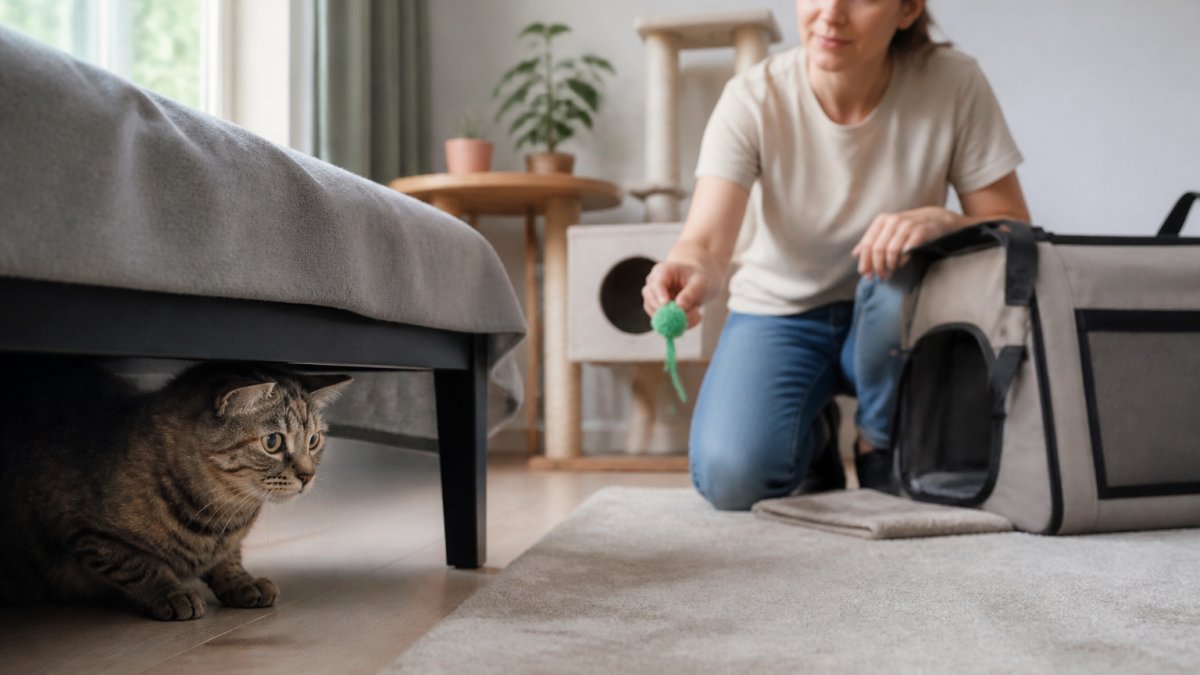
Cats are territorial. A shy cat who hides under the bed when the doorbell rings will usually do better at home than in a boarding facility full of unfamiliar smells and sounds, while a confident, social cat may handle either option well.
Here's how the main options break down:
- Drop-in visits: A sitter comes to your home for a set time, handles feeding, water, litter, and play, then leaves.
- In-home cat sitting: Scheduled visits in your cat's own space, often with notes and photo updates.
- Overnight stays: A sitter sleeps at your home, which suits cats who need company or medication at odd hours.
For most cats, in-home cat sitting is the least stressful path: your cat keeps its own smells, hiding spots, and schedule.
How to Vet a Cat Sitter Before You Book
Vetting a cat sitter means checking credentials, reading reviews, and asking direct questions before money changes hands. A friendly phone manner is not enough. You want proof that this person has handled cats like yours and carries real protection if something goes wrong.
Start with a simple screening checklist:
- Confirm the sitter is insured, bonded, and background-checked
- Ask how many years they've worked with cats specifically
- Read reviews and ratings from other cat owners
That last point matters. A solo sitter with no backup can leave you scrambling mid-trip. A service with a team can send someone else.
What Insurance, Bonding, and Background Checks Actually Cover
Most sitter listings say "insured and bonded" and stop there. That phrase means little until you know what each protection covers.
Liability insurance is the sitter's business policy.
Bonding is a fidelity bond that protects you if the sitter is accused of theft. It is not insurance, and many solo sitters aren't bonded at all.
Background checks confirm the sitter has no disqualifying criminal record.
How to Verify Credentials in Writing
Do not accept verbal confirmation. Ask for these documents before the first paid visit:
- A current certificate of liability insurance with the policy period visible
- The bond company name and coverage amount, if bonding is claimed
- The background-check provider and the date of the most recent screen
- A written service agreement that names the sitter or company, the visit length, the rate, and the cancellation window
If a sitter cannot produce the insurance certificate, that's not a red flag you can talk yourself out of, it's the most common gap between a professional operation and a hobby sitter.
Reviews and References: Reading the Signal
One glowing review is noise; a pattern of detailed, specific reviews is signal. Look for reviews that name the sitter, describe a specific cat's behavior, and reference a trip length, generic five-star reviews are easy to farm. Ask for two references you can call, and ask each: "What went wrong, and how did the sitter handle it?" A sitter with real experience will have a story; one who claims nothing ever goes wrong hasn't worked much or isn't being honest.
Questions to Ask a Cat Sitter in the First Call
The first call should take 10 to 15 minutes and cover cat experience, medication handling, and emergency plans. Come with questions written down. Vague answers to specific questions are your first red flag.
Ask these directly, and listen for the follow-up detail:
- How do you handle a cat that hides the whole visit?
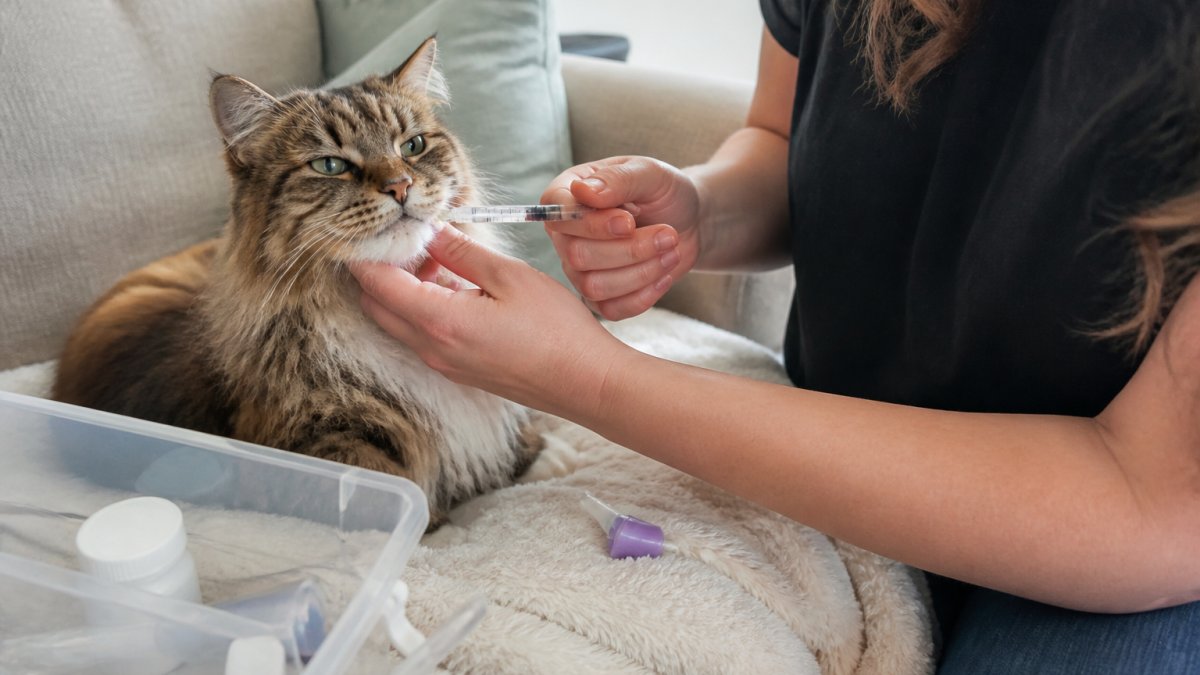
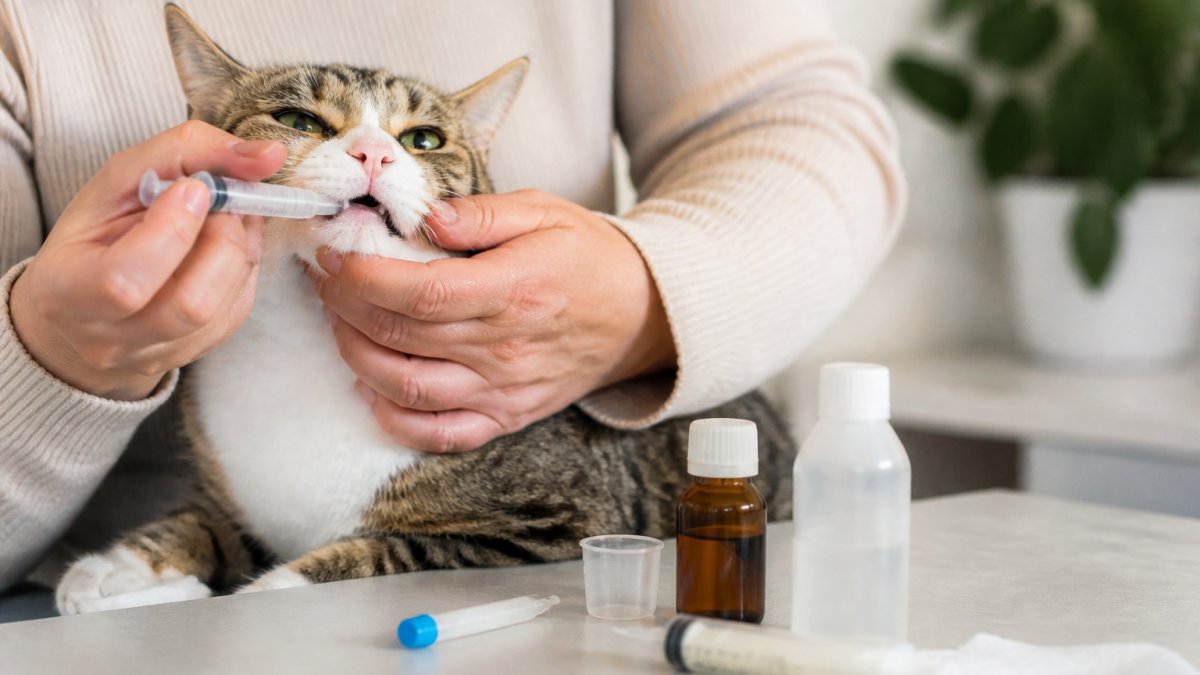
- Can you give insulin injections or oral medication?
- What's your policy if my cat seems sick or injured?
- How do you secure the house when you leave?
- Will you send photos or updates after each visit?
- What happens if my flight is delayed?
- How do you handle multiple cats with separate feeding spots?
Listen for specifics. A sitter who says "I've dealt with that before, here's how" is worth more than one who says "no problem" to everything.
What a Strong Answer Sounds Like
The questions above are only useful if you know how to score the answers. A strong answer names a specific behavior, tool, or backup; a weak answer is broad, reassuring, and short.
- Hiding cat: Strong, "I sit quietly, talk softly, do the food and litter first, and check hiding spots without pulling the cat out. I leave a note about where I found them." Weak, "Cats love me, they always come around."
- Medication: Strong, names the method (pill pocket, liquid syringe, subcutaneous injection), asks about the cat's temperament, and mentions a backup if the cat refuses. Weak, "I can do meds" with no detail.
- Sick or injured cat: Strong, describes a triage step, a call to you, a call to the vet, and a written authorization with a spending cap. Weak, "I'd figure it out."
The Follow-Up Probes That Separate Sitters
After each answer, ask one follow-up: "Tell me about a time that actually happened." A sitter with real cat experience will have a concrete story, a cat that bolted, refused insulin, or hid for three days. One who can't produce a single specific story is new or inflating their experience.
Ask two more questions that most owners skip:
- "What's your backup plan if you get sick or your car breaks down mid-trip?" The answer should name a specific person or team, not "I'll figure it out."
- "Can you send me a copy of your service agreement and insurance certificate before we book?" The answer should be yes, without hesitation.
Red Flags in the First Call
End the call early if the sitter dodges the insurance question, cannot name a backup, or pushes you to skip the meet-and-greet. Those three behaviors cover most of the risk you will ever face.
One red flag might be a bad day. Two or more is a pattern. There are plenty of sitters, and you do not owe anyone your business.
How Often Should a Cat Sitter Visit?
Most cats need at least one visit per day, and many do better with two. Daily visits keep food fresh, water clean, and the litter box usable, and let the sitter spot health problems early.
Use this guide to pick a frequency:
| Trip Length | Cat Profile | Recommended Visits |
|---|---|---|
| 1-3 days | Confident adult cat | 1 visit per day |
| 1-3 days | Shy or senior cat | 2 visits per day |
| 4-7 days | Most cats | 2 visits per day |
| 4-7 days | Cat on medication | 2-3 visits per day |
| 8+ days | Any cat | 2 visits daily plus an overnight option |
Visit duration matters too.
For cats, skipping a day is not like skipping a dog walk. Cats hide illness well, and a full litter box or an empty water bowl can turn into a real problem fast.
Set Up a Meet-and-Greet and Trial Visit
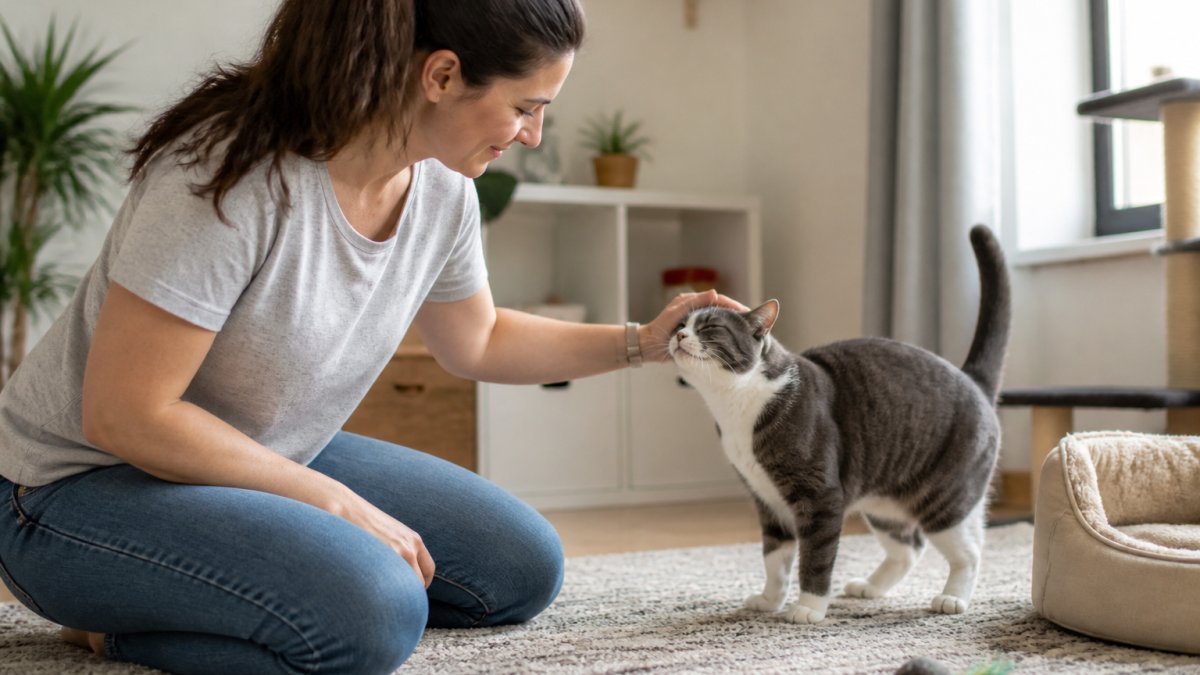
A meet-and-greet lets your cat meet the sitter before you leave and lets you watch how the sitter behaves in your home.
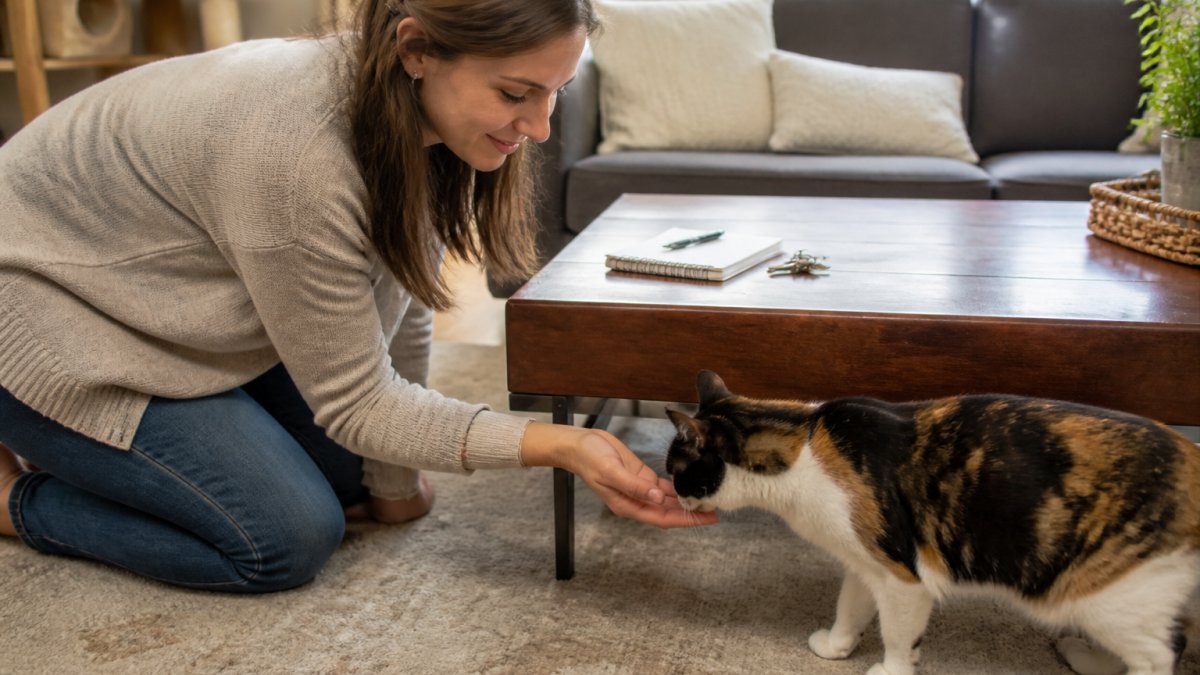
During the visit, watch three things:
- Does the sitter let the cat come to them, or do they chase?
- Do they ask where the food, meds, and cleaning supplies live?
- Do they take notes without being asked?
Then book a short trial. A single visit while you're still in town, or a weekend away, shows how the sitter handles your cat's routine without the pressure of a long trip.
If your cat hides the entire meet-and-greet, that's normal.
Use a Cat Sitter Instructions Template
A written care sheet removes guesswork. Fill one out for every trip, even with the same sitter for years, routines change, and a sitter juggling several homes won't remember every detail.
Use this template:
Cat Care Instructions Cat name(s) and photo: Feeding: food type, amount, times, bowl location Fresh water: bowl locations, how often to refresh Litter: box locations, scoop schedule, bag disposal Medication: name, dose, time, method, where it's stored Behavior notes: hiding spots, favorite toys, things that scare the cat Home access: key or code, alarm instructions, Wi-Fi network Emergency contacts: your phone, backup contact, vet name and number Vet authorization: signed permission to treat, spending limit House notes: plants to water, trash day, packages, thermostat
Emergency and Veterinary Authorization
Veterinary authorization is a signed note giving your sitter permission to seek treatment for your cat if you can't be reached. Without it, a vet may decline to treat a pet that isn't yours, and delays cost time you don't have.
Include your vet's name, address, and phone number, plus a spending limit you're comfortable with. Add a backup contact who can make decisions if you're on a plane, and note any allergies or chronic conditions.
Cat Sitter Red Flags to Walk Away From
Walk away when a sitter dodges questions about insurance, won't provide references, or pressures you to skip the meet-and-greet. Those three behaviors cover most of the risk you'll ever face.
Other warnings:
- No written agreement or vague rates
- Reluctance to give medication
- No backup plan for illness or emergencies
One red flag might be a bad day. Two or more is a pattern. There are plenty of sitters, and you don't owe anyone your business.
What Cat Sitting Costs and How to Budget
Cat sitting is priced per visit, and the total depends on visit length, frequency, and whether you need overnights. Budget by multiplying your visit rate by the number of visits across your trip.
At Tracy's Kitty Care, our 30-minute cat sitting visit is $30.00, including feeding, fresh water, litter box cleaning, and playtime or attention.
Budget line items to plan for:
- Base visit rate times number of visits
- Extra visits for medication or senior cats
- Overnight or live-in surcharge, if needed
Ask about cancellation policy before you pay. Good services spell out the window in writing.
Frequently Asked Questions
How much does a cat sitter charge for a week?
Cost depends on visit length and frequency. A 30-minute drop-in visit typically includes feeding, fresh water, litter box cleaning, and playtime. If your cat needs two visits a day for a seven-day trip, that is 14 visits, so multiply the per-visit rate by 14. Shorter 15-minute visits cost less but suit only cats that need basic feeding and litter care. Ask for the full rate sheet up front, including any holiday surcharge and cancellation terms, so the weekly total is clear before you book.
What questions should I ask a cat sitter before hiring them?
Ask whether they are insured and background-checked, and how they handle a cat that hides. Confirm they can give medication, including insulin injections, and ask what they do in a medical emergency and which vet they would call. Request two or three references from cat-only clients. Also ask about visit windows, backup sitter coverage if they get sick, and how they secure your home and keys after each visit.
How often should a cat sitter visit while I'm away?
Most adult cats do well with one 30-minute visit per day for short trips. Cats on medication, senior cats, kittens, and cats that eat wet food usually need two visits a day so meals and doses stay on schedule. Never stretch visits beyond 24 hours apart, because fresh water, food, and litter need daily attention. Build the schedule around your cat's routine, not your convenience.
Is it better to hire a cat sitter or board my cat?
In-home cat sitting keeps your cat in its familiar environment, which matters most for shy or nervous cats that stress in new places. A sitter also handles your mail, plants, and home security while you travel. Boarding can suit a confident cat on a short trip, but it means transport, a new space, and exposure to other animals. For vacations of a week or more, in-home drop-in visits usually cause less disruption and keep feeding and medication on the cat's normal schedule.
Travel plans change, cats get sick, and sitters cancel. The owners who handle it best are the ones who planned before the suitcase came out. Tracy's Kitty Care sends licensed, bonded, insured, and background-checked sitters into your home for cat-only care, with 30-minute visits that cover feeding, fresh water, litter, and playtime. If you want a sitter who knows cats and treats your home with care, book a visit before your next trip.