 how-to
Daily Drop-In Visits for Indoor Cats: Key Benefits
Last Updated: October 22, 2026
Quick Summary
Daily drop-in visits let your indoor cat stay home while a sitter feeds it, cleans the litter box, and plays with it during a roughly 30-minute visit. Because your cat keeps its own territory, food bowl, and routine, stress stays low and the sitter can spot health changes within 24 hours.
- Most healthy adult indoor cats do well with one 30-minute visit per day while you travel.
- Book two visits per day for cats on medication, wet food, seniors, or kittens under six months.
- Ask your sitter to photograph the food and water bowls to confirm the basics were done.
- Write vet authorization to treat up to a set dollar amount before you leave.
- Shy cats may need the full half hour just to settle before interacting.
Table of Contents
- Why Daily Drop-In Visits Beat Boarding for Indoor Cats
- What Happens During a Daily Visit: Feeding, Litter, and Play
- How Often Should a Cat Sitter Visit?
- How Long Should a Cat Sitter Stay?
- Drop-In Visits vs Overnight Cat Sitting
- Your Cat Sitter Checklist for Every Booking
- Cats That Need More Than a Standard Drop-In Visit
- Conclusion
- Frequently Asked Questions
Why Daily Drop-In Visits Beat Boarding for Indoor Cats
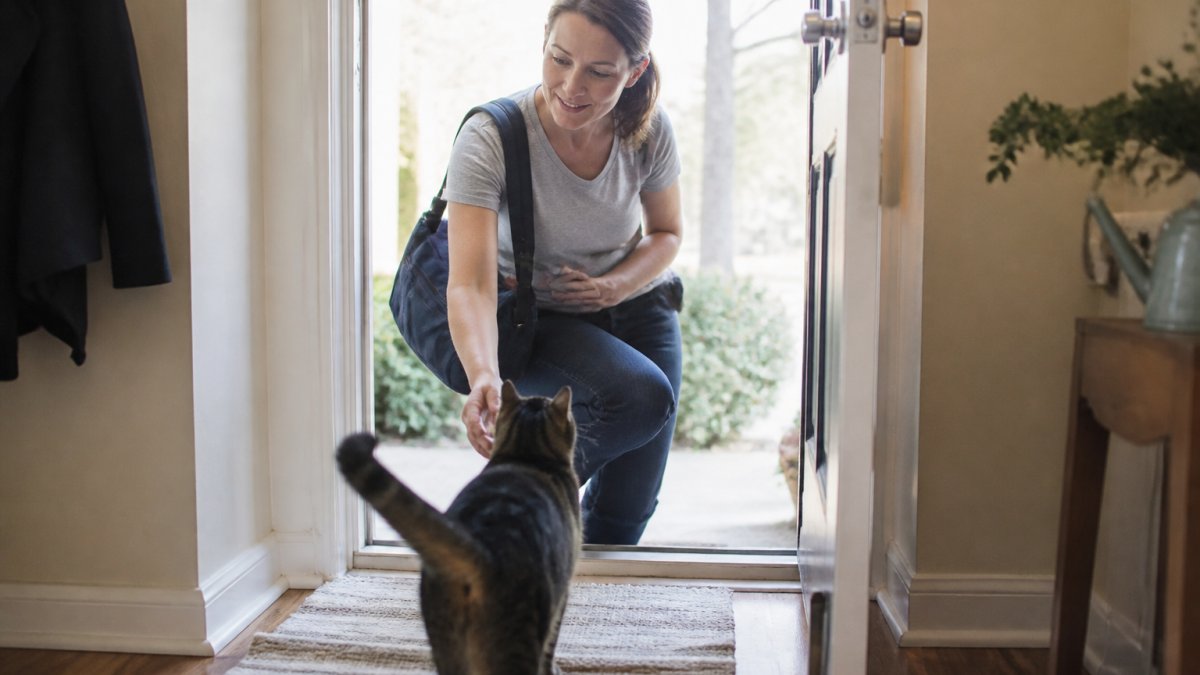
Daily drop-in visits for indoor cats give your cat care at home while you travel. A sitter comes to your house, feeds your cat, cleans the litter box, and spends time playing. Your cat never leaves the rooms it knows.
Here is the part most owners miss: boarding does not just move your cat. It changes everything at once. New smells. New sounds. Other animals nearby.
A Familiar Environment Keeps Stress Low
Stress is the main reason we push back on boarding for indoor cats. A boarded cat loses its territory, scent marks, and hiding spots, hard on a shy or nervous cat.
At-home care removes that problem. Your cat keeps its normal routine, same food bowl, window, and bed.
- No car ride and no strange cage
- Same feeding schedule and same food
- Same litter box in the same corner
Stress reduction is not a soft benefit: calm cats tend to eat and drink normally.
What Happens During a Daily Visit: Feeding, Litter, and Play
A standard drop-in visit covers the basics that keep an indoor cat healthy: fresh food, fresh water, a clean litter box, and one-on-one playtime. Most visits run about 30 minutes.
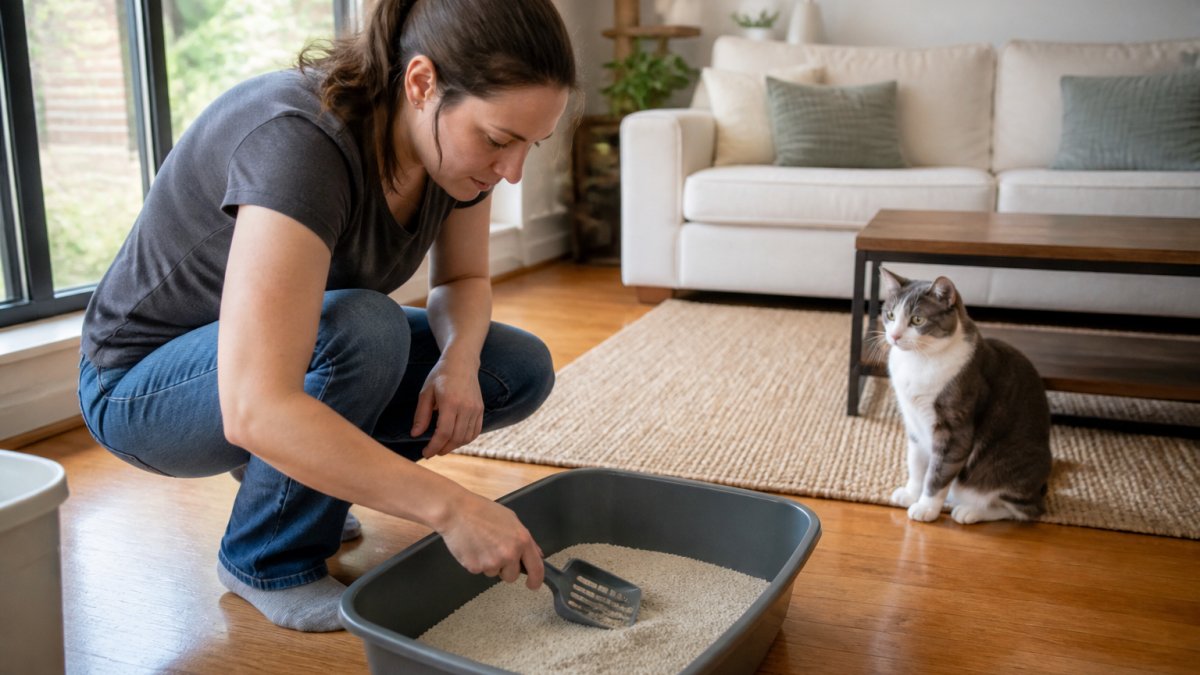
A well-run visit looks like this, in order:
- Food and water check. The sitter refills the bowl to your measured amount and swaps the water for fresh. Stale water is a common reason cats drink less.
- Litter cleaning. Scooping daily keeps the box usable and lets the sitter spot accidents early.
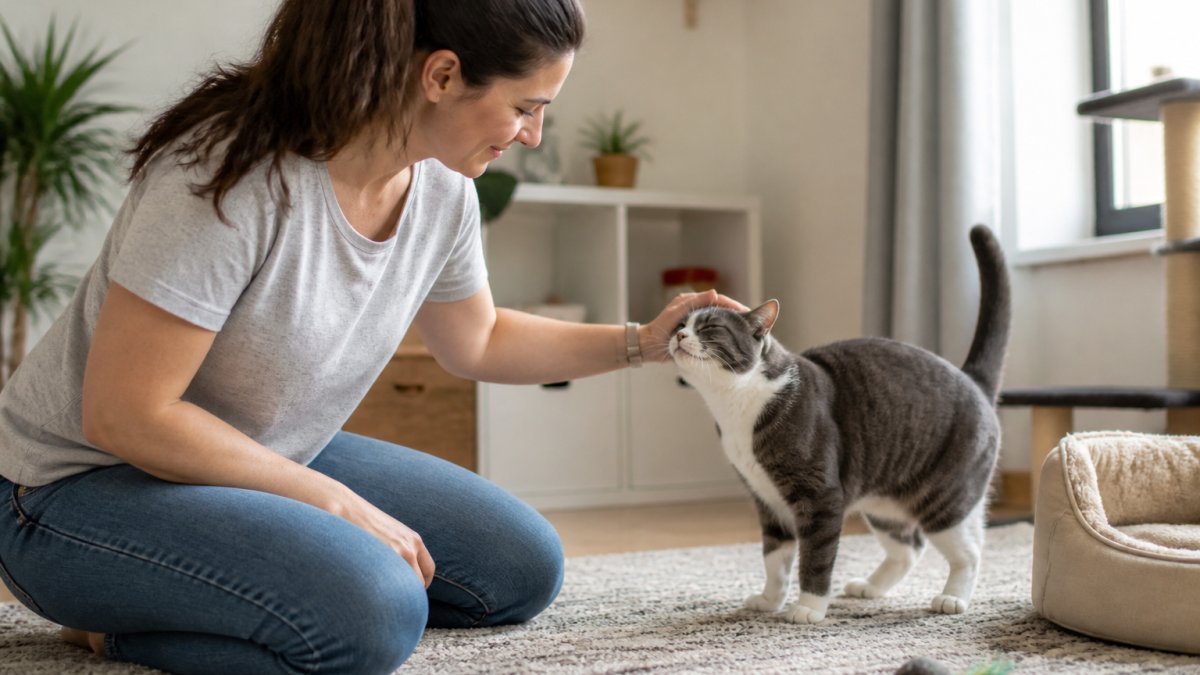
- Playtime and attention. Wand toys, laser pointers, or whatever your cat actually likes. Play is exercise and companionship in one.
- Health and safety checks. The sitter looks for changes in appetite, hydration, behavior, or anything stuck or tangled in the home.
- Daily updates. A short note or photo so you know the visit happened and how your cat seemed.
Our cat sitting service includes feeding, giving fresh water, cleaning litter boxes and playtime/attention during every 30-minute visit.
How Often Should a Cat Sitter Visit?
Most indoor cats do well with one visit per day while you are away, but the right frequency depends on your cat's age, health, temperament, and trip length.
A Practical Decision Guide for Visit Frequency
Work through these questions in order. The first "yes" answer sets your minimum.
- Does your cat take medication, eat wet food, or have a diagnosed condition (diabetes, kidney disease, hyperthyroidism, arthritis)? If yes, book two visits per day. Medication timing and wet food freshness cannot be stretched to a 24-hour gap.
- Is your cat a senior (generally 11 years or older) or a kitten under six months? If yes, book two visits per day. Seniors may eat smaller amounts more often and hide pain or appetite loss; kittens need more play, monitoring, and litter-box attention.
- Is your cat shy, anxious, or prone to hiding from strangers? If yes, book at least one 30-minute visit per day and consider a meet-and-greet before the trip so the sitter is not a stranger on day one.
- Will you be gone more than five days? If yes, keep the same daily schedule for the entire trip rather than tapering visits. Cats do better with consistency than with a front-loaded or back-loaded schedule.
- Is your cat a healthy adult on dry food with a normal routine? One 30-minute visit per day is usually sufficient.
What the Evidence Suggests About Time Alone
There is no universally accepted threshold for how long an indoor cat can be left alone.
Cats are also skilled at hiding illness. A sitter who sees your cat daily can catch a subtle change in appetite, water intake, litter-box use, or behavior within 24 hours; one who comes every other day may not see it until it is 48 hours old.
Visit Frequency by Cat Profile
| Cat Profile | Minimum Visits Per Day | Why |
|---|---|---|
| Healthy adult, dry food, outgoing | 1 | Routine, litter, play, and a daily health check |
| Healthy adult, wet food or twice-daily feeding | 2 | Wet food cannot sit out; feeding schedule holds |
| Senior cat (11+ years) | 2 | Smaller meals, medication, monitoring for subtle decline |
| Kitten under six months | 2 or more | Play, monitoring, and litter-box attention |
| Cat on medication or with a chronic condition | 2, sometimes more | Timing, dosing, and observation |
| Shy or anxious cat | 1 longer visit (30+ minutes) | Time to settle and come out |
When Daily Visits May Not Be Enough
Daily drop-ins are not right for every cat. Consider overnight sitting or veterinary boarding if:
- Your cat needs injections or medication at intervals shorter than 12 hours.
- Your cat has a condition that can deteriorate quickly, such as uncontrolled diabetes or recent surgery.
- Your cat is extremely social and shows distress when alone for long stretches.
If any of these apply, talk with your veterinarian before you book. A sitter can follow a care plan, but the plan should come from your vet.
How Long Should a Cat Sitter Stay?
A standard visit runs 30 minutes, enough for feeding, litter cleaning, play, and a health check on most cats. Shy cats often need the full half hour just to settle.
Visit duration matters: a 10-minute pop-in covers food and litter but skips companionship, while a 30-minute visit gives your cat real social interaction and the sitter time to notice small problems.
For cats with medical needs, ask for a longer visit. Medication, injections, and careful monitoring take time. Do not book a quick visit and hope it fits.
Drop-In Visits vs Overnight Cat Sitting
Drop-in visits vs overnight cat sitting comes down to how much time alone your cat can handle. Drop-ins give your cat care and company during the day. Overnight sitting adds a person sleeping in the home.
Most indoor cats do fine with daily drop-ins.
| Option | Best For | Time With Your Cat | Typical Setup |
|---|---|---|---|
| Daily drop-in visits | Most adult indoor cats | 30 minutes, once or twice daily | Sitter visits, then leaves |
| Overnight sitting | Cats needing frequent care or company | Evening plus morning | Sitter stays in the home |
| Boarding | Rarely ideal for indoor cats | Constant facility staff | Cat leaves home |
Overnight sitting suits cats with heavy medical needs or ones that get anxious alone. For a healthy adult cat on a normal routine, daily drop-ins usually cover everything.
Your Cat Sitter Checklist for Every Booking
A good cat sitter checklist covers your cat, your home, and what happens in an emergency. Hand this over before you leave.
Cat care instructions:
- Food type, amount, and feeding times
- Where food and treats are stored
- Water bowl locations and how often to refresh
Home safety:
- Loose cords, blind pulls, and small objects put away
- Windows and screens checked
- Plants that are toxic to cats removed or moved
Emergency planning and sitter handoff:
- Your vet's name, address, and phone number
- Approval to authorize treatment up to a set amount
- A backup contact who can make decisions
Cats That Need More Than a Standard Drop-In Visit
Some cats need more than a basic visit, and it is better to plan up front. Age, health, temperament, and time alone all change what your cat needs. Below is a protocol for each category, including what to ask a sitter and what to put in writing.
Senior and Elderly Cats
Senior cats often need two visits per day. They may eat less at one sitting, need medication, or have trouble reaching food and water. They are also more likely to hide pain or illness, so daily observation matters more.
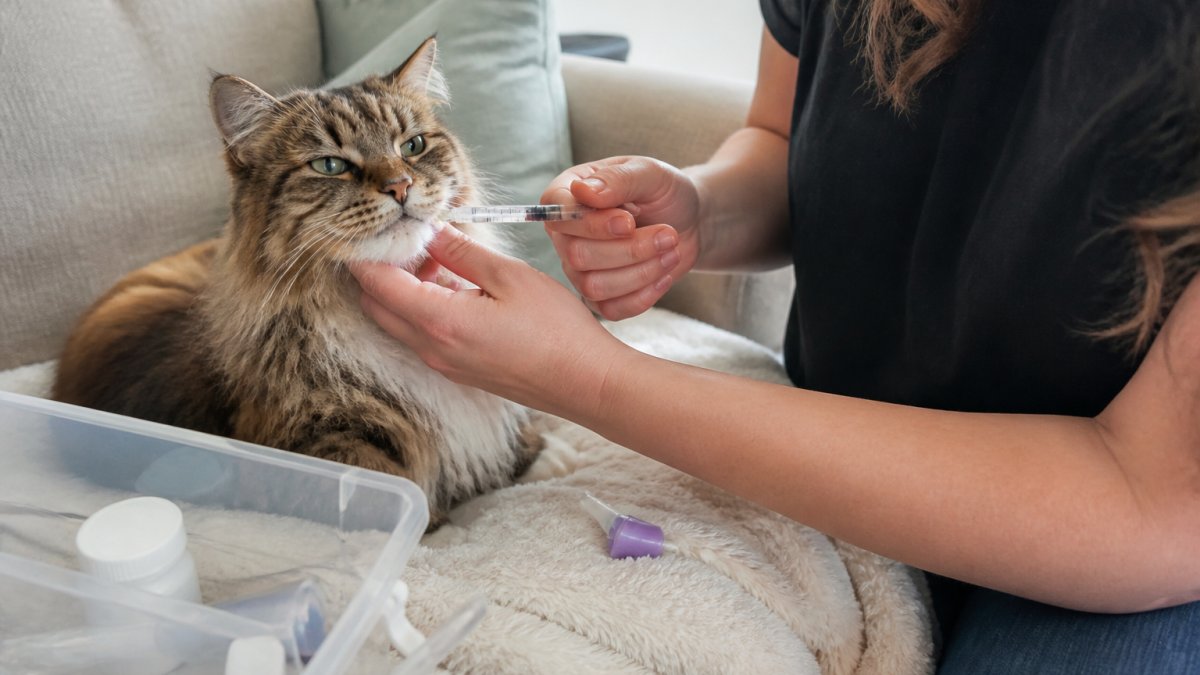
What to ask a sitter: Can you administer oral medication, including pills hidden in food or given by syringe? Can you recognize signs of dehydration, such as tacky gums or skin that does not spring back?
What to put in writing: A baseline description of your cat's normal appetite, water intake, litter-box habits, and activity level. A sitter who knows the baseline can flag a deviation the same day.
Cats With Medical Needs
Cats with medical needs require a sitter trained for the specific task. Insulin injections, pills, subcutaneous fluids, and special diets are not basic drop-in tasks.
Medication handoff checklist:
- Medication name, dose, route (oral, injection, topical), and exact timing
- Where medication is stored and how to handle it safely
- What to do if a dose is missed
What to ask a sitter: Have you administered this type of medication before? Can you provide a reference from a client with a medically fragile cat? Will you send a photo or timestamped note after each medication?
Shy and Nervous Cats
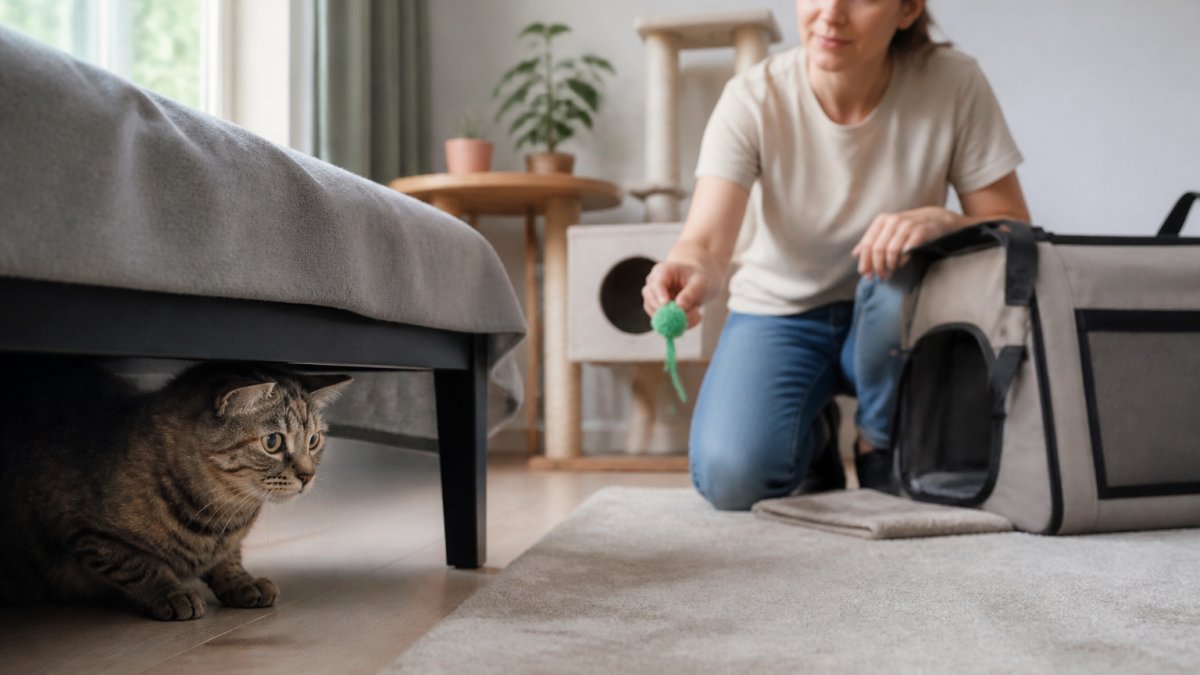
Shy and nervous cats need patience more than extra time. A sitter who sits quietly and lets the cat approach works better than one who chases it.
What to ask a sitter: How do you approach a cat that hides? Will you sit quietly and wait rather than pull the cat out?
What to put in writing: Your cat's favorite hiding spots, the toys or treats that draw it out, and the signals that mean "leave me alone" versus "I am warming up."
Kittens
Kittens need more play, more monitoring, and company. Two or more visits per day is a common minimum for kittens under six months.
What to ask a sitter: Will you kitten-proof the visit area before play? Can you supervise play so the kitten does not swallow string or small toys? Can you check that the litter box is clean enough for a kitten that uses it frequently?
Emergency Planning and Sitter Handoff
For any cat in these categories, the handoff should include an emergency plan. A sitter who cannot reach you and lacks written authorization may have to wait to get your cat treated.
Emergency handoff checklist:
- Your veterinarian's name, address, and phone number
- The nearest 24-hour emergency veterinary clinic
- Written authorization to approve treatment up to a set dollar amount
How to Match the Right Sitter to a Special-Needs Cat
Not every sitter is trained for every need. When you book, state your cat's category directly and ask for a sitter with relevant experience.
Sitter-vetting questions for special-needs cats:
- What experience do you have with this condition or medication?
- Can you provide references from clients with similar cats?
- Are you insured and bonded?
If your cat falls into any of these groups, say so when you book.
Conclusion
Leaving an indoor cat is stressful for you and the cat. Daily drop-in visits can help by keeping your cat home, on schedule, and watched closely.
Tracy's Kitty Care is built for exactly this. Our sitters are background checked, licensed, bonded, and insured, and we specialize only in cats. Get started with Tracy's Kitty Care and travel knowing your cat is cared for at home.
Frequently Asked Questions
Are daily drop-in visits enough for an indoor cat?
For most healthy adult indoor cats, one daily drop-in visit is the minimum that keeps food, water, litter, and social contact on track. Two visits a day suit cats that eat wet food, take medication, or get anxious when alone. Kittens, senior cats, and cats with medical needs usually do better with two or more visits. The right number depends on your cat's age, health, and temperament, so build the schedule around those factors rather than a fixed rule.
How often should a cat sitter visit while I'm away?
Plan for at least one visit every 24 hours, and two per day for cats on wet food, insulin, or other medication. A two-week trip works best with a consistent daily slot so your cat's feeding schedule and normal routine stay predictable. Shy cats often settle faster when the same sitter arrives at the same time each day. Discuss visit frequency with your sitter before you book.
What should a cat sitter do during a daily visit?
A solid visit covers fresh food and fresh water, litter box scooping, playtime, and a quick health check for appetite, hydration, behavior changes, and accidents. Sitters should also confirm doors and windows are secure and that your cat is not stuck or tangled anywhere. Leave a written cat sitter checklist covering feeding amounts, medication, vet contact, and emergency instructions so nothing depends on memory.
When does a cat need overnight care instead of drop-in visits?
Overnight sitting makes sense for cats with separation anxiety, kittens under a few months old, cats recovering from surgery, or cats on timed medication that cannot wait between daytime visits. It also helps when a cat has a history of stress signals like hiding, not eating, or over-grooming during owner absence. For most healthy adult indoor cats, daily drop-in visits provide the feeding, litter cleaning, and companionship they need at a lower cost.