 blog
5 Best Alternatives to Boarding Your Cat at a Kennel
Table of Contents
- Why Cat Owners Seek Alternatives to Boarding Kennels
- In-Home Cat Sitting: The Benefits of Keeping Your Cat in a Familiar Environment
- Professional Cat Sitter vs. Kennel: What Makes the Difference
- Five Practical Alternatives to Traditional Boarding Facilities
- Questions to Ask a Potential Pet Sitter Before You Book
- Preparing Your Cat for a Stay Away From Home
- Choosing the Right Care for Your Cat's Personality and Needs
- Frequently Asked Questions
Last Updated: September 22, 2026
Why Cat Owners Seek Alternatives to Boarding Kennels
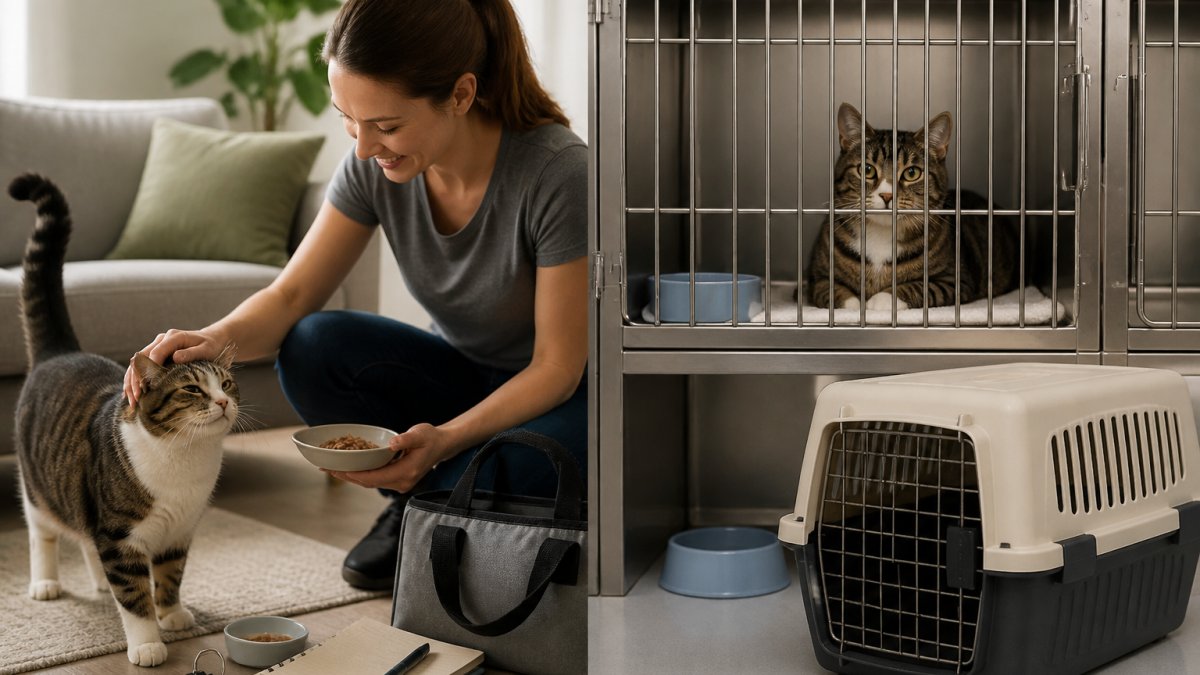
Traditional boarding kennels create unnecessary anxiety for cats. Cats thrive on routine and familiar surroundings, but kennels introduce loud noises, unfamiliar animals, and separation from home that trigger stress responses.
Some cats hide for days after kennel stays, stop eating, or develop behavioral issues. The 5 best alternatives to boarding your cat at a kennel help keep cats calm, healthy, and happy while you travel.
In-Home Cat Sitting: The Benefits of Keeping Your Cat in a Familiar Environment
In-home cat sitting keeps your cat in their own territory, eliminating the primary stress source kennels create. A trusted caregiver handles feeding, water, litter box maintenance, and playtime while your cat maintains their normal routine.
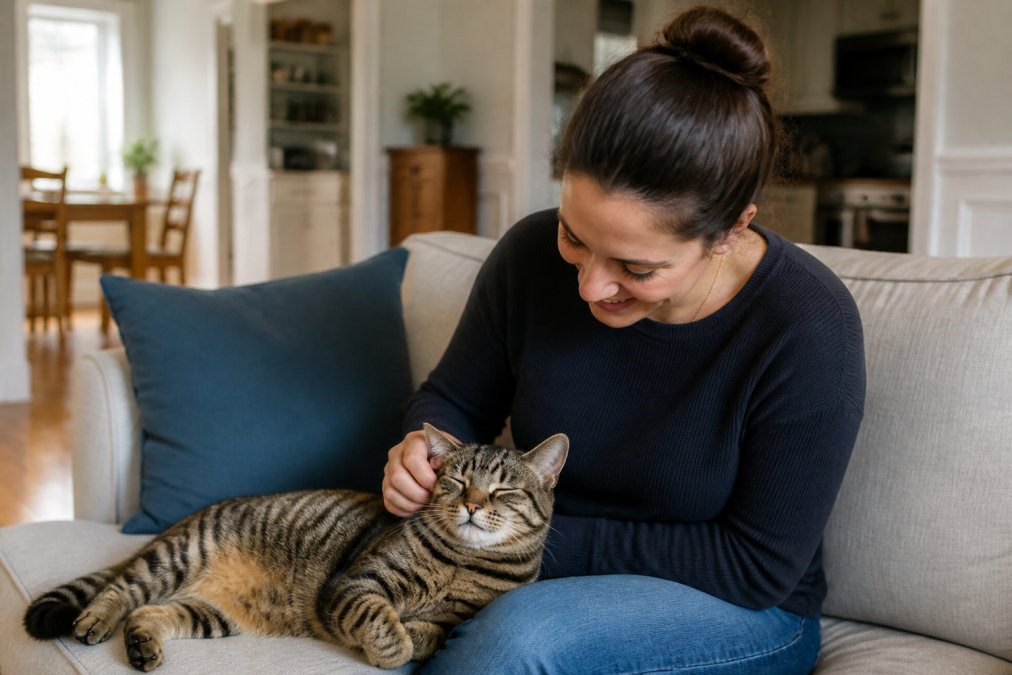
In-home care provides individualized attention tailored to your cat's needs. Sitters notice subtle behavior or appetite changes indicating health issues, administer medication on schedule, and maintain exact feeding routines.
Shy or nervous cats often hide and refuse food in kennels, but relax and eat normally at home with a familiar caregiver. Multi-cat households thrive with in-home care, allowing each cat to maintain their own space without kennel stress.
A pet sitter's regular visits deter break-ins and show occupancy, providing home security while you're away.
Professional Cat Sitter vs. Kennel: What Makes the Difference
A professional cat sitter provides one-on-one care in your home, while a kennel houses multiple animals in confined spaces. The difference is expertise, personalization, and stress reduction.
Professional cat sitters understand feline behavior, recognize signs of illness, and adapt to each cat's personality. They're trained in medication administration, dietary requirements, and emergency protocols. Many are background-checked, bonded, and insured for protection.
Kennels operate on fixed schedules with group playtime. Professional sitters customize care to your cat's specific routine, feeding at exact times and playtime when your cat prefers it.
Professional sitters who are bonded and insured provide accountability and legal protection.
Five Practical Alternatives to Traditional Boarding Facilities
| Alternative | Best For | Key Advantage |
|---|---|---|
| Professional In-Home Pet Sitters | Most cats, especially nervous or medical needs | Personalized care in familiar environment |
| Friends or Family Members | Cats comfortable with people, occasional trips | Low cost, trusted relationship |
| House Sitters Who Care for Multiple Pets | Multi-pet households | One caregiver for all pets |
| Veterinary Boarding Facilities | Cats with medical conditions | Professional medical oversight |
| Pet Hotels with Cat-Specific Services | Cats that socialize well, short stays | Specialized feline amenities |
1. Professional In-Home Pet Sitters
Professional in-home pet sitters are a great option for cat care. These trained caregivers visit daily to provide feeding, water, litter box cleaning, medication administration, and companionship.
The advantages are substantial. Your cat never leaves home. Daily visits maintain routine. Professional sitters notice health changes immediately. They're trained in emergency protocols and can contact your veterinarian if needed. Many are background-checked, bonded, and insured, providing accountability and legal protection.
Professional sitters charge per visit. Services like cat sitting service offer 30-minute visits that include feeding, fresh water, litter box cleaning, and playtime. For a week-long trip with daily visits, the cost adds up, but the investment is justified for many cat owners.
The screening process matters. Ask whether sitters are background-checked, bonded, and insured. These credentials ensure you're working with someone trustworthy who has been vetted and carries protection against liability.
2. Friends or Family Members
Asking a trusted friend or family member to care for your cat is a practical alternative, especially for short trips or occasional travel. Someone your cat already knows reduces stress significantly. They understand your cat's personality and preferences without needing extensive instruction.
This option works best when your cat is already comfortable with the person and the person has basic pet care knowledge. The cost is typically low or nonexistent, though offering payment or reciprocal pet care is courteous. The main drawback is reliability, friends and family have their own schedules and emergencies. If they can't make a visit, you're scrambling for backup care.
For cats with medical needs or behavioral issues, friends and family may lack the training to handle medication administration or recognize signs of distress. This alternative works well for healthy, social cats with occasional travel needs.
3. House Sitters Who Care for Multiple Pets
House sitters who care for multiple pets are professionals hired to stay in or regularly visit your home and care for all your animals. This option is ideal if you have cats, dogs, birds, hamsters, or other small caged animals. One caregiver manages all your pets' needs, maintaining consistency and reducing the number of people entering your home.
House sitters often live in your home during your absence, providing 24/7 presence and security. They're more expensive than daily pet sitters but offer comprehensive care. They can handle complex multi-pet dynamics, administer medications to multiple animals, and provide home security.
This works exceptionally well for multi-cat households where one sitter understands all the cats' personalities, feeding schedules, and behavioral patterns.
4. Veterinary Boarding Facilities
Veterinary boarding facilities are run by veterinary clinics and staffed by veterinary professionals. These are the best choice when your cat has medical conditions requiring professional oversight. If your cat needs insulin injections, has chronic illness, or requires monitoring, a veterinary facility provides medical expertise that general boarding kennels cannot.
5. Pet Hotels with Cat-Specific Services
Pet hotels designed specifically for cats are a newer alternative to traditional kennels. These facilities recognize that cats have different needs than dogs and create environments with vertical space, hiding spots, and individual attention. Cat-specific hotels often provide larger enclosures, enrichment activities, and quieter environments than multi-species kennels.
Questions to Ask a Potential Pet Sitter Before You Book
Before hiring any pet sitter, ask these essential questions to ensure they're trustworthy and qualified for your cat's needs:
Credentials and Background:
- Are you background-checked, bonded, and insured? (Non-negotiable for in-home care)
- How long have you been providing professional pet sitting services?
- Do you have training in pet first aid or emergency response?
Experience with Your Cat's Specific Needs:
- Have you worked with cats that need medication administration?
- How do you handle shy or anxious cats?
- What's your experience with multi-cat households?
Care and Communication:
- What's included in each visit, and how long does a typical visit last?
- How do you communicate updates during my absence?
- Can you provide references from other cat owners?
Emergency Protocols:
- What do you do if my cat seems ill or injured?
- Do you have authorization to contact my veterinarian if needed?
- What's your backup plan if you can't make a scheduled visit?
Practical Details:
- How do you handle access to my home? (Key, code, etc.)
- What's your cancellation policy if my travel plans change?
- Are there any additional fees beyond the per-visit rate?
Preparing Your Cat for a Stay Away From Home
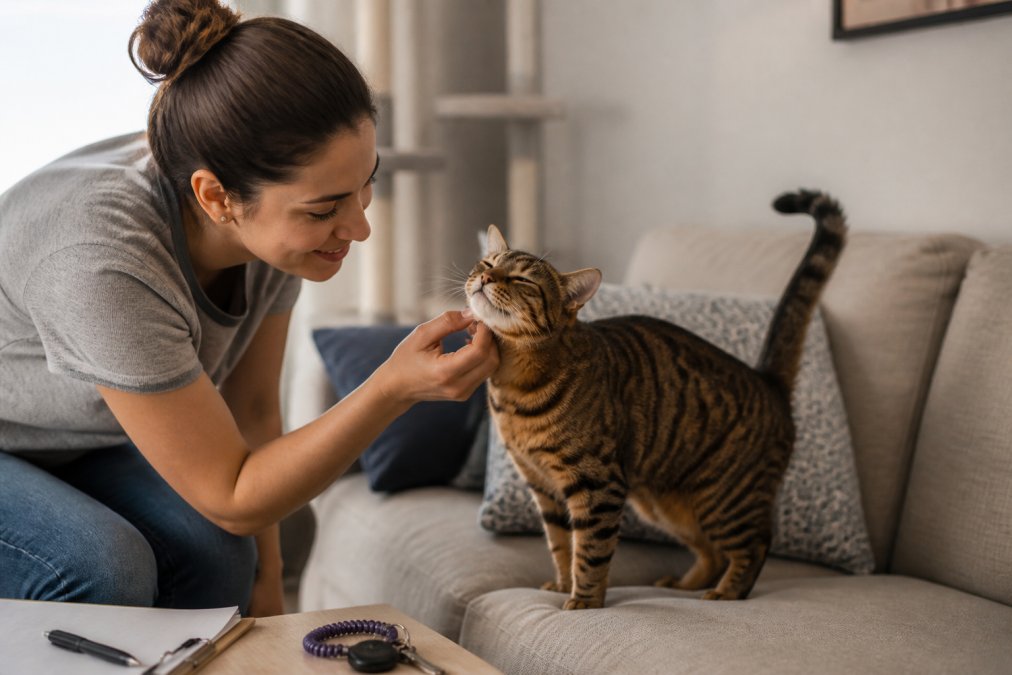
Preparation reduces stress whether your cat stays home with a sitter or goes elsewhere. Start by introducing your cat to whoever will care for them. If using a professional sitter, schedule a meet-and-greet visit where your cat can become familiar with the caregiver's voice, scent, and presence.
Choosing the Right Care for Your Cat's Personality and Needs
The best alternative to boarding kennels depends entirely on your cat's personality, health status, and your travel frequency. A shy cat with separation anxiety needs in-home care with a professional sitter. A healthy, social cat might thrive in a cat-specific hotel for short trips. A cat with medical needs requires veterinary oversight.
Consider these factors:
Personality Type:
- Anxious or shy cats: in-home care with a professional sitter
- Social, adaptable cats: pet hotels or boarding facilities
- Cats with strong bonds to specific people: trusted friends or family
Health Status:
- Healthy cats: any alternative works; choose based on personality
- Cats needing medication: professional sitter or veterinary facility
- Cats with chronic conditions: veterinary boarding facility
Travel Frequency:
- Occasional trips: friends, family, or professional sitter
- Regular travel: professional sitter with standing arrangement
- Extended trips: house sitter or veterinary facility
Budget Considerations:
- Tight budget: trusted friend or family member
- Moderate budget: professional in-home sitter
- Premium budget: house sitter or veterinary facility
Frequently Asked Questions
Is in-home cat sitting really better than boarding a cat at a kennel?
In-home cat sitting reduces stress by keeping your cat in a familiar environment where it maintains its normal routine. Cats experience less separation anxiety when they stay home with a professional sitter handling feeding, litter box maintenance, and playtime. Boarding facilities, even high-quality ones, expose cats to new environments, unfamiliar animals, and noise, which can trigger behavioral changes and health issues. For shy, nervous, or medicated cats especially, in-home care minimizes stress-related complications.
What questions should I ask a potential pet sitter before booking?
Ask about their experience with cats, especially any special needs your cat has like medication administration or behavioral concerns. Request information on their background check status, licensing, bonding, and insurance coverage. Inquire about their daily visit routine, emergency protocols, and how they handle unexpected situations. Ask for references from other cat owners and clarify their cancellation policy. For cats with medical requirements, confirm they're comfortable administering medications and understand your cat's specific health needs.
How do I know if a pet sitter is trustworthy?
Look for sitters who are background-checked, licensed, bonded, and insured, these credentials indicate professional accountability. Request references from current clients and follow up with them. Meet the sitter in person before booking to assess how they interact with your cat. Trust your instincts about their demeanor and professionalism. Professional cat sitters should ask detailed questions about your cat's personality, routine, and any medical needs, showing they take individualized care seriously.
What's the cost difference between in-home cat sitting and boarding facilities?
Professional in-home cat sitting typically costs $30 per 30-minute visit, which covers feeding, fresh water, litter box cleaning, and playtime. Boarding facilities often charge $25-$50 per day, but costs vary widely by location and facility amenities. For short trips (2-5 days), in-home sitting may cost more upfront. For longer trips, boarding may be more economical, though the stress factor on your cat remains a consideration.