 listicle
Benefits of Hiring Professional Sitters for Cats
Table of Contents
- Why a Professional Sitter Beats a Hobby Sitter
- The Benefits of Bonded and Insured Pet Sitters
- Stress Reduction: Your Cat Stays in Their Territory
- Maintaining Routines for Diet and Medication
- The Cat Sitter Daily Check In Process
- Home Security and Avoiding Travel Trauma
- Questions to Ask a Potential Cat Sitter
- Is Professional Sitting Worth the Cost?
- Frequently Asked Questions
Last Updated: September 6, 2026
Why a Professional Sitter Beats a Hobby Sitter
Leaving your cat behind while you travel is stressful, and the choice between a professional sitter and a neighbor who "loves cats" often comes down to peace of mind. Hiring professional sitters means choosing accountability, training, and a genuine commitment to pet wellness over convenience.
The gap between a hobby sitter and a professional isn't about affection. Most hobby sitters genuinely care, but they lack the infrastructure that protects your pet, your property, and your liability.
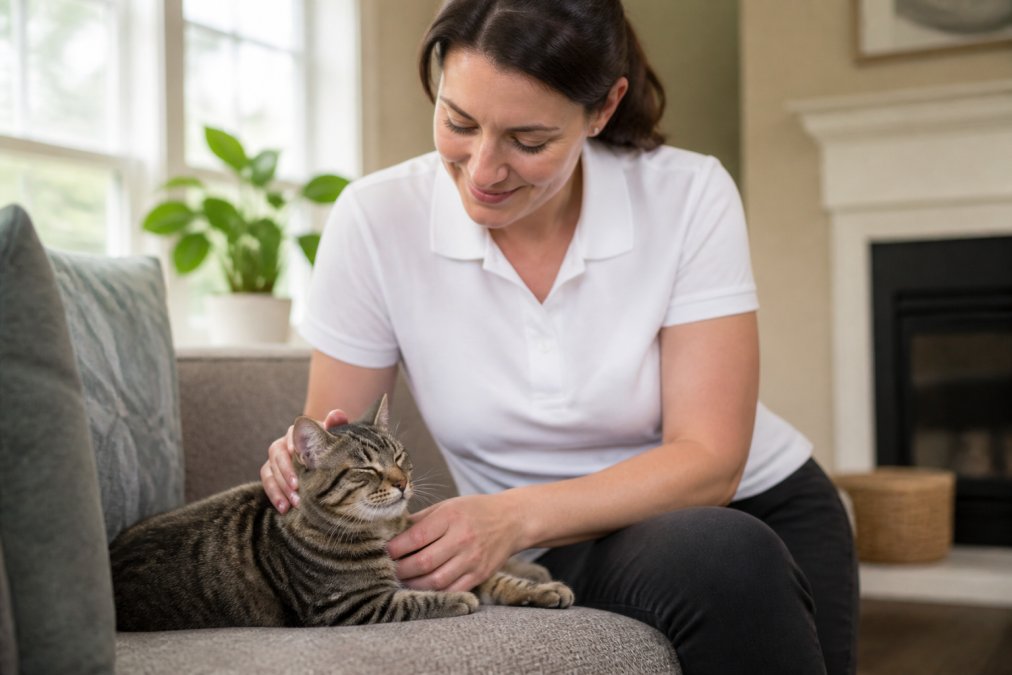
Consider what happens when something goes wrong. A hobby sitter might panic if your cat stops eating or if a storm knocks out the power. A professional has a documented plan for veterinary coordination, knows the nearest emergency clinic, and has the experience to recognize when a situation needs escalation.
The Benefits of Bonded and Insured Pet Sitters
Insurance and bonding are the safety net that separates a true professional from a well-meaning amateur. When you hire bonded and insured pet sitters, you gain liability protection that covers accidental damage to your home and injuries that might occur during a visit. Without it, you could be personally responsible for any mishap.
Liability insurance protects you if the sitter accidentally damages your property or if your cat injures someone during a visit. Bonding protects against theft or loss within your home.
Background checks are another layer of protection. Professional services vet their team members, ensuring that the person entering your home has a verified history.
Stress Reduction: Your Cat Stays in Their Territory
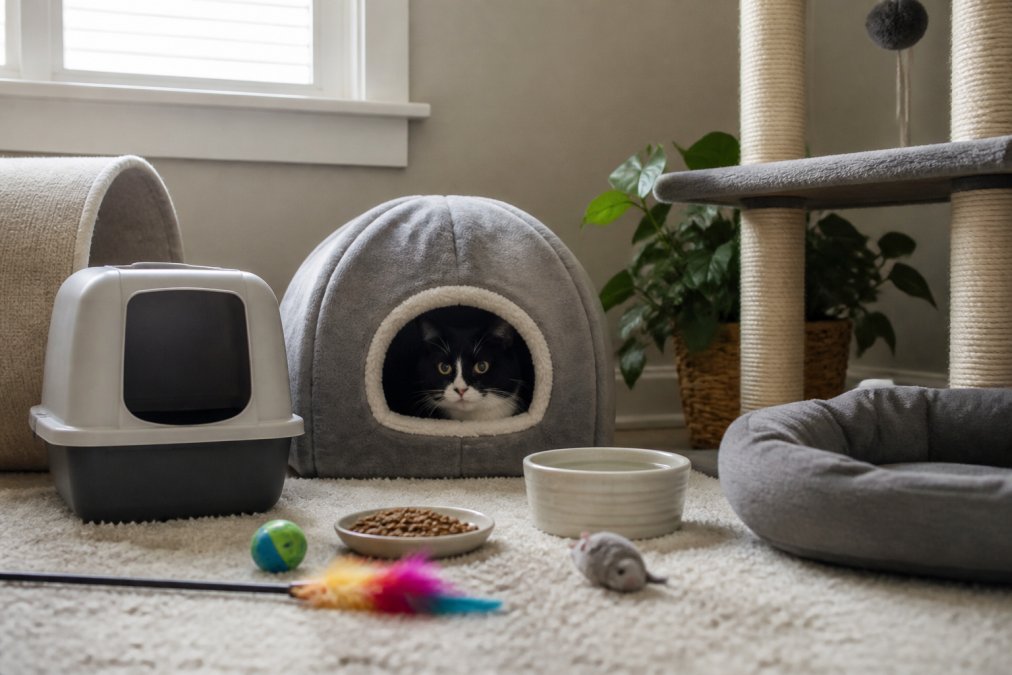
Cats are territorial creatures, and their home is their safe zone. Removing a cat from familiar surroundings for boarding introduces a cascade of stressors: unfamiliar smells, strange animals, and disrupted sleep cycles. In-home pet care eliminates all of that by keeping your cat exactly where they feel most secure.
A common mistake is assuming cats "get used to" boarding after a few visits. Many cats never fully adapt, and the anxiety can manifest as hiding, refusing to eat, or developing litter box issues. A professional sitter who comes to your home allows your cat to maintain their territory, their hiding spots, and their view of the window.
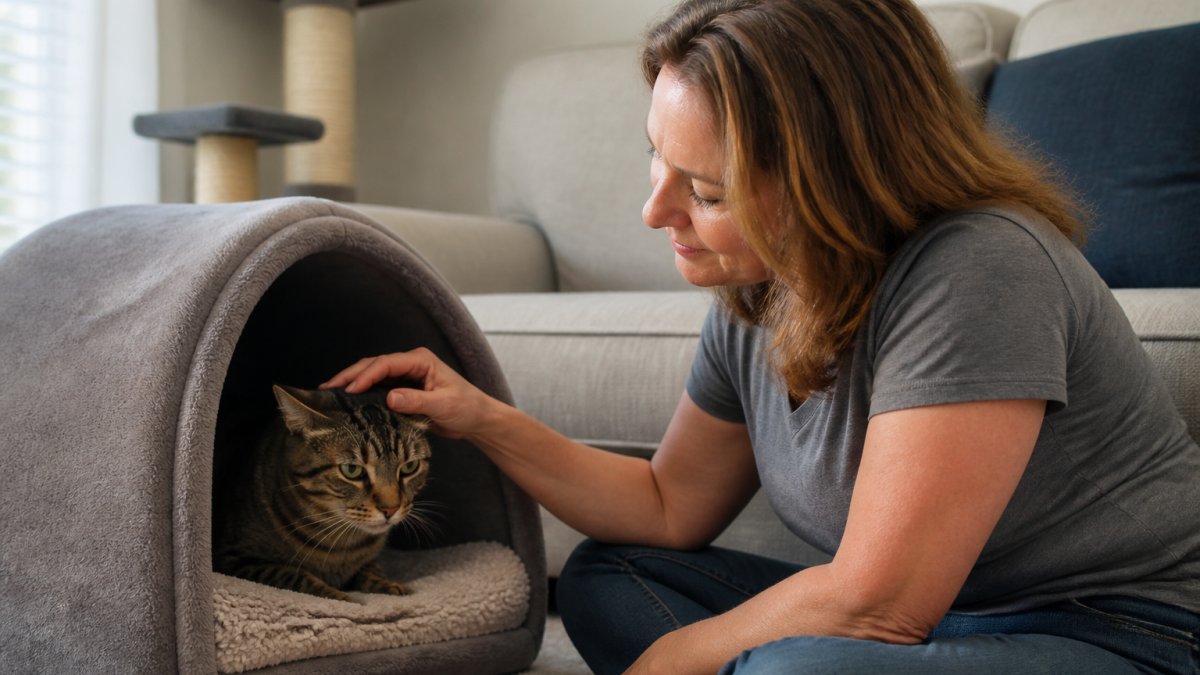
This approach is particularly valuable for shy or nervous cats. A stranger entering their space can still cause some initial wariness, but a professional sitter knows how to let the cat set the pace. They build trust gradually, often within the first visit, which keeps pet anxiety low and your cat's routine intact.
Maintaining Routines for Diet and Medication
Cats thrive on consistency, and that consistency becomes critical when medication is involved. A professional sitter maintains your cat's exact feeding schedule, portion sizes, and dietary consistency, which prevents the digestive upset that often comes from well-meaning but imprecise care.
Medication administration is where professional training really shows. Whether your cat needs a daily pill, liquid medication, or insulin injections, a professional sitter has the experience to handle it correctly. They know how to restrain a resistant cat safely, how to disguise pills effectively, and how to monitor for adverse reactions. This level of veterinary care access and coordination is simply not something you can expect from a neighbor.
Routine maintenance goes beyond food and medicine. It includes maintaining your cat's exercise regimen through play sessions, cleaning the litter box daily, and monitoring their overall health and behavior. A professional sitter documents each visit and can spot subtle changes in appetite, energy, or litter box habits that might indicate a problem.
The Cat Sitter Daily Check In Process
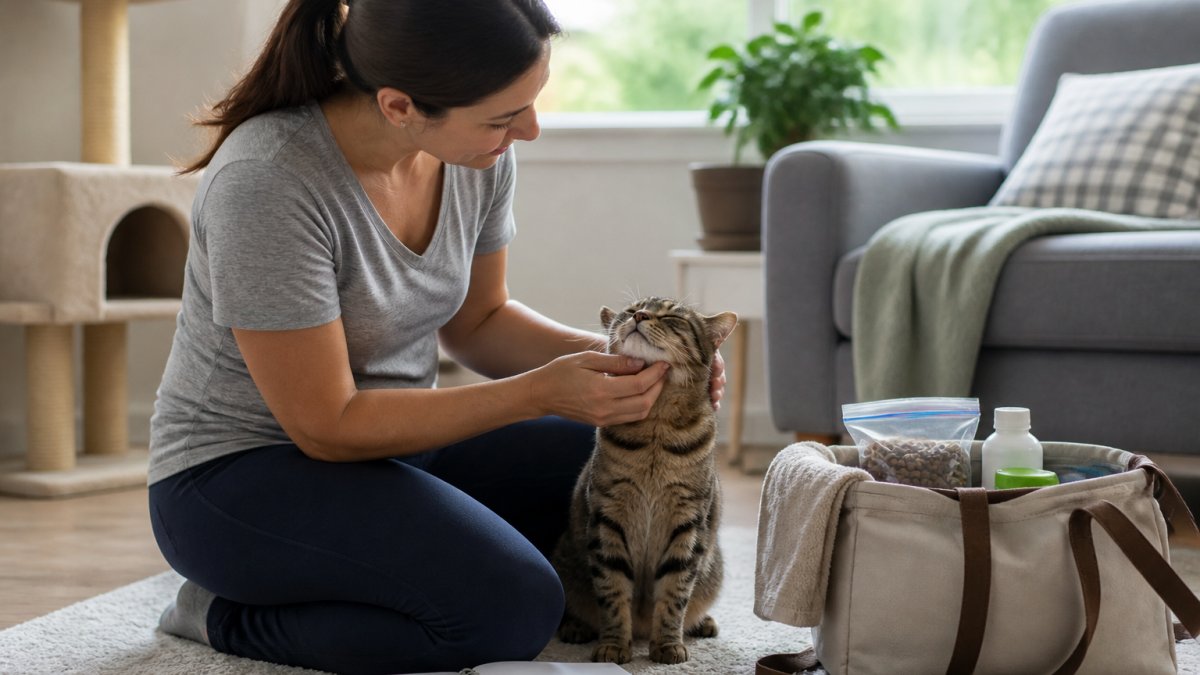
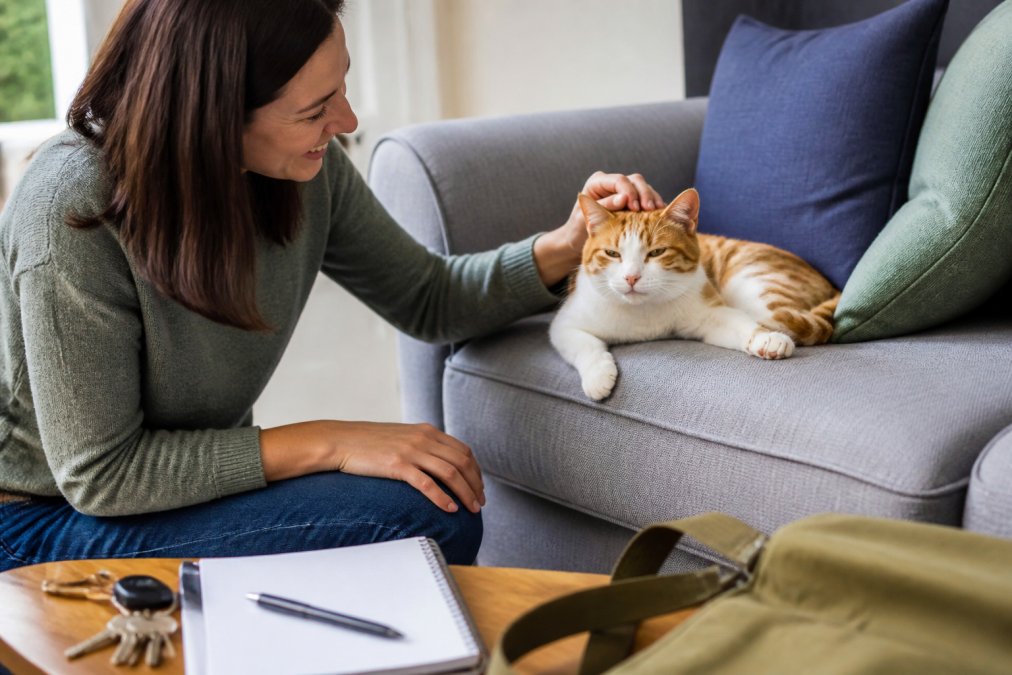
A structured cat sitter daily check in process is what separates a professional visit from a casual stop-by. During a standard 30-minute visit, a professional sitter follows a consistent protocol: feeding fresh food and water, cleaning the litter box, and then dedicating focused time to play and affection. This predictable structure ensures nothing is overlooked.
The daily check in process also includes a home security component. A professional sitter will rotate lights, collect mail, and make the house look occupied, which deters potential intruders.
Most professional services provide daily updates with photos and notes. This communication isn't just a nicety; it is a core part of the service. Knowing your cat ate well, used the litter box, and came out for playtime provides pet parent peace of mind that is hard to overstate.
Home Security and Avoiding Travel Trauma
Travel trauma affects both you and your cat. You worry about their well-being, and they sense your pre-departure anxiety. A professional sitter removes that emotional burden by ensuring your cat receives personalized attention and care while you are gone.
Beyond the emotional benefits, there are practical home security advantages. A professional sitter's visit creates activity in your home that discourages burglars. They can also spot maintenance issues, like a leaky faucet or an HVAC problem, before they become costly emergencies.
The contrast with boarding is stark. Boarding facilities often limit visiting hours, expose your cat to other animals' illnesses, and cannot provide the same level of individualized attention. For a cat that values their territory, the stress of a boarding facility can lead to illness or behavioral problems that linger long after you return home.
Questions to Ask a Potential Cat Sitter
Vetting a sitter requires more than a gut feeling. Most articles tell you to hire a professional, but few tell you how to verify that professionalism. This checklist is designed to do exactly that.
Round 1: Credentials and Legal Protection
Start with the fundamentals. Ask if they are licensed, bonded, and insured, and request proof. A legitimate professional will provide a certificate of insurance without hesitation. If they hesitate or say they are "covered through a friend," that is a red flag. Ask specifically whether their liability insurance covers property damage and injury to others, and whether their bond covers theft. These are two different protections, and a professional will know the difference.
Next, ask about background checks. If you are hiring through an agency, ask whether every sitter is background checked and how recently. If you are hiring an independent sitter, ask if they have undergone a national background check and whether they can provide a copy. You are giving this person access to your home and your pet; verification is non-negotiable.
Round 2: Experience and Specialized Knowledge
Ask about their experience with cats specifically. A sitter who primarily handles dogs may not understand feline body language, territorial behavior, or the subtle signs of stress in a cat. Ask how many cat clients they currently have and how long they have been sitting professionally.
Listen for specifics. A professional will describe how they restrain a resistant cat for a pill, how they disguise medication in food, and how they monitor for adverse reactions. If they do not ask those questions, they are not prepared to handle a medical emergency.
Round 3: Emergency Protocols
Ask what happens if your cat gets sick. A professional will have a documented plan: they will contact you first, then your vet, then the nearest 24-hour emergency clinic. Ask if they have a backup sitter in case they cannot make a visit due to illness or a personal emergency.
A common pattern among hobby sitters is vagueness. They will say "I would call you" or "I would figure it out." A professional will give you a step-by-step answer without pausing to think.
Round 4: Communication and Daily Process
Ask about their daily check in process. How often will they update you, and through what channel? Do they send photos? A professional will have a standard communication protocol, often using a dedicated app or a structured text update.
Ask about their cancellation policy and their policy for unexpected schedule changes. A professional will have clear, documented answers. A hobbyist will often hesitate or give vague responses.
Is Professional Sitting Worth the Cost?
The most common objection to professional sitting is the price tag, but that objection usually falls apart when you compare the actual cost against what you get. A boarding facility charges for a cage and basic care. A professional sitter charges for personalized attention, home security, and the preservation of your cat's routine and mental well-being.
Let's look at the numbers. The average cost for cat boarding in the United States ranges from $25 to $45 per night, according to industry surveys. Professional in-home cat sitting typically runs $20 to $35 per 30-minute visit, with most owners booking two visits per day. That puts daily in-home care at $40 to $70, compared to $25 to $45 for a boarding cage. On the surface, boarding looks cheaper. But that comparison ignores what you are actually buying.
Boarding facilities often charge extra for the things a sitter includes as standard. Want your cat to get more than 10 minutes of human interaction? That is a premium add-on at many kennels. Need medication administered? That is another daily fee. When you add those line items, the gap narrows significantly.
More importantly, the cost of boarding goes beyond the invoice. Consider the risks: a stressed cat that stops eating for three days may develop hepatic lipidosis, a serious liver condition that can cost $1,500 to $5,000 to treat. A cat exposed to upper respiratory infections at a facility might need a $200 vet visit afterward. A cat that escapes during a group play session could be lost entirely. These are not hypothetical scenarios; they are the documented risks of congregate care.
A professional sitter eliminates those risks by keeping your cat in their own territory. There is no exposure to other animals' illnesses, no forced interaction with unfamiliar cats, and no disruption to their established routine.
:::takeaway When you weigh the true cost of boarding, stress-related illness, extra fees, and the risk of injury or disease, professional in-home sitting is often the more economical choice. The price difference is small; the value difference is enormous.
Tracy's Kitty Care offers a 30-minute cat sitting service that includes feeding, fresh water, litter box cleaning, and dedicated playtime, all delivered by a team that specializes exclusively in cats. The peace of mind is part of the package.
Frequently Asked Questions
What is the difference between a professional cat sitter and a casual pet sitter?
A professional cat sitter operates a dedicated business with protocols, insurance, and training. Casual sitters, like neighbors or hobby sitters, lack formal vetting and liability protection. Professionals are typically licensed, bonded, and insured, protecting your home and pet. They also have established emergency procedures and experience with cat behavior. This professional accountability ensures your cat receives consistent, reliable care, even in unexpected situations.
Why is it important to hire a bonded and insured pet sitter?
Bonding and insurance protect you, your home, and your cat. If a sitter accidentally damages property, liability protection covers the cost. Insurance also covers veterinary care if your cat is injured while in the sitter's care. Hiring an uninsured hobby sitter leaves you financially responsible for accidents. Professional sitters with these credentials demonstrate a commitment to professional standards and service reliability, giving you peace of mind while you are away.
How do professional sitters handle cats that are shy or scared of strangers?
Professionals understand cat behavior and anxiety. They do not force interaction. During the first visit, they let the cat set the pace, using quiet voices and slow movements. They maintain your cat's routine, providing food, water, and litter cleaning without adding stress. Many offer a cat sitter daily check in process that includes photo updates, so you can see your cat is safe, even if they are hiding. This consistent, low-pressure presence helps shy cats warm up over time.
Can a professional cat sitter administer medication like insulin injections?
Yes. Professional sitters are trained to handle medication administration, including insulin injections, pills, and topical treatments. They follow your detailed instructions precisely and can coordinate with your veterinarian if issues arise. When you hire a professional, you get someone who can manage medical needs confidently, ensuring your cat's health is maintained. This expertise is a core benefit of hiring professional sitters over relying on a friend or neighbor.