 how-to
How to Prepare Your Cat for a Sitter: 2026 Checklist
Table of Contents
- Step 1: Organize Supplies and Vet Records
- Step 2: Write a Cat Sitter Information Sheet Template
- Step 3: Set Up Feeding and Litter Box Routines
- Step 4: Prepare Medication and Emergency Protocols
- Step 5: Secure Your Home and Discuss Visit Duration
- Step 6: Schedule a Meet and Greet Before You Leave
- Step 7: Establish a Cat Sitter Daily Check In Process
- Common Mistakes to Avoid When You Prepare Your Cat for Sitter Visits
- Frequently Asked Questions
Last Updated: September 5, 2026
Leaving your cat for a few days shouldn't feel like a guessing game. Preparing properly is the difference between a stressed-out pet and a smooth transition, and it is also the difference between you relaxing on vacation and you worrying the entire flight. A solid preparation plan covers everything from food and litter to medication and emergency contacts. At Tracy's Kitty Care, we have refined this process through years of exclusive in-home cat sitting, and this guide walks you through the exact steps to prepare your cat for a sitter.
The goal isn't perfection. The goal is clarity. When you hand over a well-organized home and a detailed set of instructions, your sitter can focus on what matters most: keeping your cat calm, fed, and happy. Below, we break down the seven essential steps to prepare your cat for a sitter, complete with a checklist you can adapt for any trip.
Step 1: Organize Supplies and Vet Records
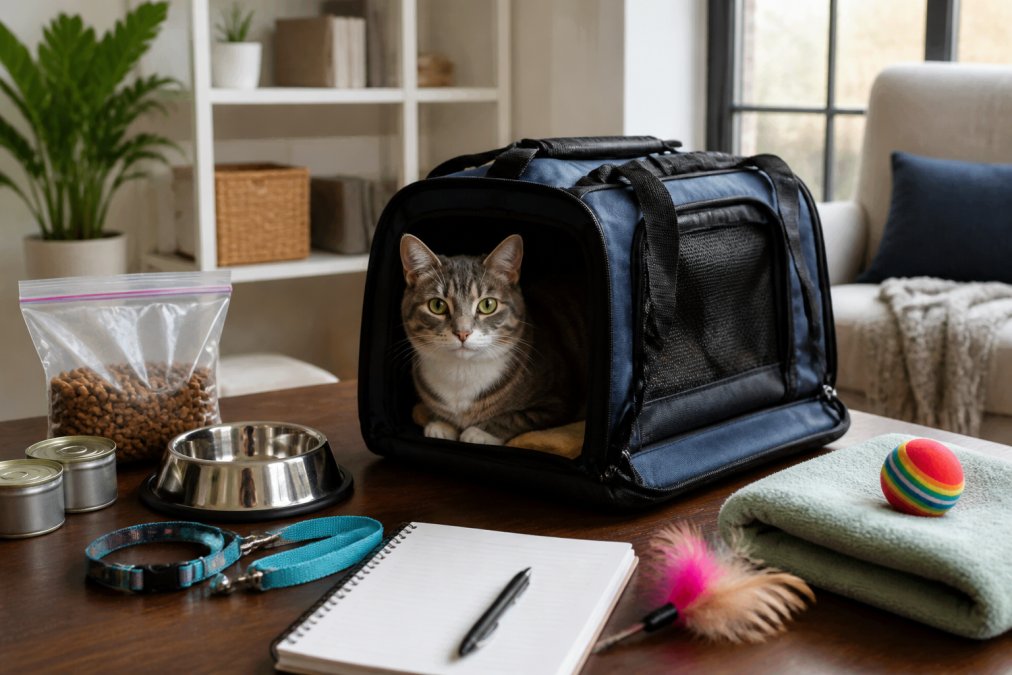
Start by gathering everything your sitter will need in one visible, accessible spot. This prevents frantic text messages about where you keep the scoop or which cabinet holds the food.
A common mistake is leaving supplies scattered across the house. Instead, dedicate a single bin or countertop area for the following essentials:
- Food and treats (enough for the entire trip, plus a few extra days)
- Fresh water bowl or fountain
- Litter and a clean litter box
- Scoop, liners, and cleaning supplies
- Your cat's favorite toys and a scratching post
- A cat carrier, clearly labeled
Your veterinary records belong in this same spot. A folder with your vet's contact information, proof of vaccination status, and a summary of any ongoing conditions gives the sitter instant answers. You should also include your cat's microchip information, just in case. Many professional services, including ours, keep these details on file, but having a physical copy at home is a responsible backup.

Step 2: Write a Cat Sitter Information Sheet Template
A verbal rundown is easy to forget. A written information sheet is permanent. This is where you document everything your sitter needs to know about your cat's daily routine and personality.
Your cat sitter information sheet template should include:
- Basic details: Name, age, breed, and microchip number
- Daily routine: Feeding schedule, portion sizes, and dietary restrictions
- Behavioral cues: Favorite hiding spots, signs of stress, and how your cat likes to be approached
- Household notes: Location of the circuit breaker, Wi-Fi password, and thermostat settings
Think about what you would want to know if you were walking into a stranger's home to care for their pet. The more context you provide about your cat's personality, the better equipped the sitter is to build trust. For example, noting that your cat takes an hour to warm up to new people helps the sitter avoid forcing interaction too early.
Step 3: Set Up Feeding and Litter Box Routines
Consistency is the single most important factor in reducing your cat's stress while you are away. Cats are creatures of habit, and disrupting their schedule can lead to anxiety or even digestive issues.
Before you leave, stick to your cat's normal feeding times for a few days. This reinforces the routine so the sitter can replicate it exactly. Write down precise measurements. Do not rely on a "handful" or "a scoop" as a unit of measurement. Your instructions should specify the exact amount of food and the exact time of day.
Litter box hygiene follows the same principle. A clean box is non-negotiable for most cats, and a dirty one can lead to inappropriate elimination. If you have multiple cats, the general rule is one box per cat plus one extra. Your sitter should plan to scoop at least once daily, and more often if your cat is particular. The American Veterinary Medical Association's pet care guidelines emphasize that maintaining a clean environment is a core component of responsible pet care.
Step 4: Prepare Medication and Emergency Protocols
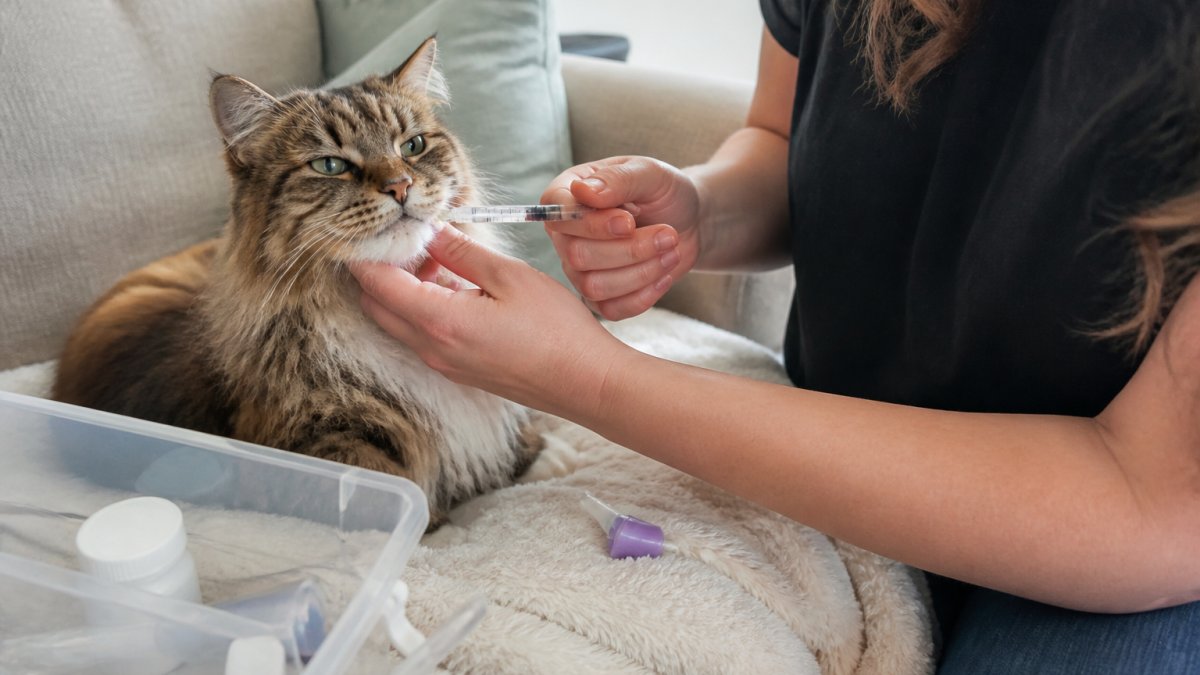
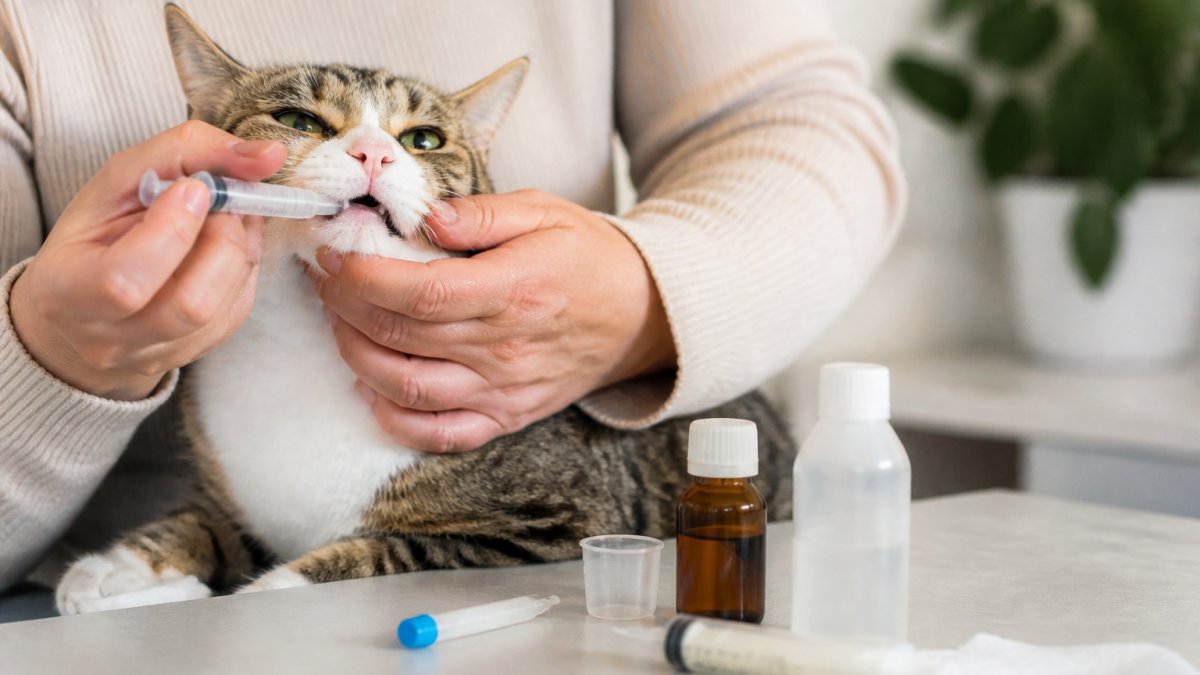
If your cat requires medication, this step is the most critical of all. A missed dose can have serious health consequences, so clarity is paramount.
First, organize all medications in a labeled container. For each one, write down:
- The medication name
- The exact dosage (e.g., 2 mg, not "one pill")
- The time of day it must be administered
- Whether it needs to be given with food
- Specific administration instructions (e.g., "place pill at the back of the tongue")
Your emergency protocols should be equally detailed. Provide the phone number and address for your regular veterinarian, as well as the nearest 24-hour emergency vet clinic. If your cat has pet insurance, include the policy number and the claims contact. It is also wise to leave a signed authorization form with your vet's office stating that your sitter is permitted to seek treatment on your behalf. This removes a major legal hurdle in an emergency.
Step 5: Secure Your Home and Discuss Visit Duration
Home security is about protecting your cat as much as your property. Before you leave, do a walkthrough of your home to identify any household hazards.
Common issues include:
- Loose electrical cords that could be chewed
- Toxic plants that are within reach
- Open windows without secure screens
- Access to balconies or unsafe ledges
- Small objects that could be swallowed
For cats with access to the outdoors, you need a clear policy. Many professional sitters, including Tracy's Kitty Care, recommend keeping indoor-outdoor cats inside during your absence. This eliminates the risk of your cat getting lost, injured, or picked up by animal control while you are not there to supervise. It is a temporary change that prioritizes safety.
Cat sitter visit duration matters too. A standard drop-in visit is typically 30 minutes. For most cats, this is sufficient time for feeding, litter box cleaning, and a focused play session. However, a shy cat that needs extra time to come out of hiding may benefit from a longer visit. Discuss your cat's needs with your sitter and agree on a visit length that allows for genuine interaction, not just a rushed chore list.
Step 6: Schedule a Meet and Greet Before You Leave
A meet and greet is non-negotiable. This is the single best way to set your cat up for success with a new sitter, and it is a standard practice for professional services.
During this session, the sitter should see your cat's environment and observe their behavior. You should demonstrate where supplies are kept, explain the feeding routine, and introduce the sitter to your cat. Crucially, you should let your cat set the pace. Do not force your cat into the sitter's arms. Instead, let the sitter sit quietly and offer a treat, allowing your cat to approach on their own terms.
This is also your opportunity to ask questions. How does the sitter handle a cat that refuses to come out from under the bed? What is their experience with administering medication? How do they handle a cat that exhibits signs of stress like hissing or growling? The answers will tell you a great deal about their expertise. The ASPCA's resources on cat behavior and stress reduction offer useful background on what to expect from a nervous cat during a first meeting.
Step 7: Establish a Cat Sitter Daily Check In Process
You should not have to wonder how your cat is doing while you are on a business trip or vacation. A clear cat sitter daily check in process gives you peace of mind and gives the sitter a structured way to report back.
Agree on a communication method and frequency before you leave. Many owners prefer a daily text message with a photo update. Some sitters use shared cloud folders or a pet sitting app where they log each visit, note food and water intake, and record any behavioral observations. This digital documentation creates a reliable record you can review at any time.
Your check-in should include more than just "all good." Ask your sitter to note:
- How much food was eaten
- Whether the litter box was used normally
- Your cat's general demeanor and activity level
- Any signs of stress, vomiting, or unusual hiding
This kind of structured reporting helps you spot potential health issues early. If your cat is not eating or is hiding for two consecutive days, you may need to ask the sitter to try a different approach or arrange for a vet visit.
Common Mistakes to Avoid When You Prepare Your Cat for Sitter Visits
Even with the best intentions, owners make a few predictable errors. Knowing what they are can save you and your cat from unnecessary stress.
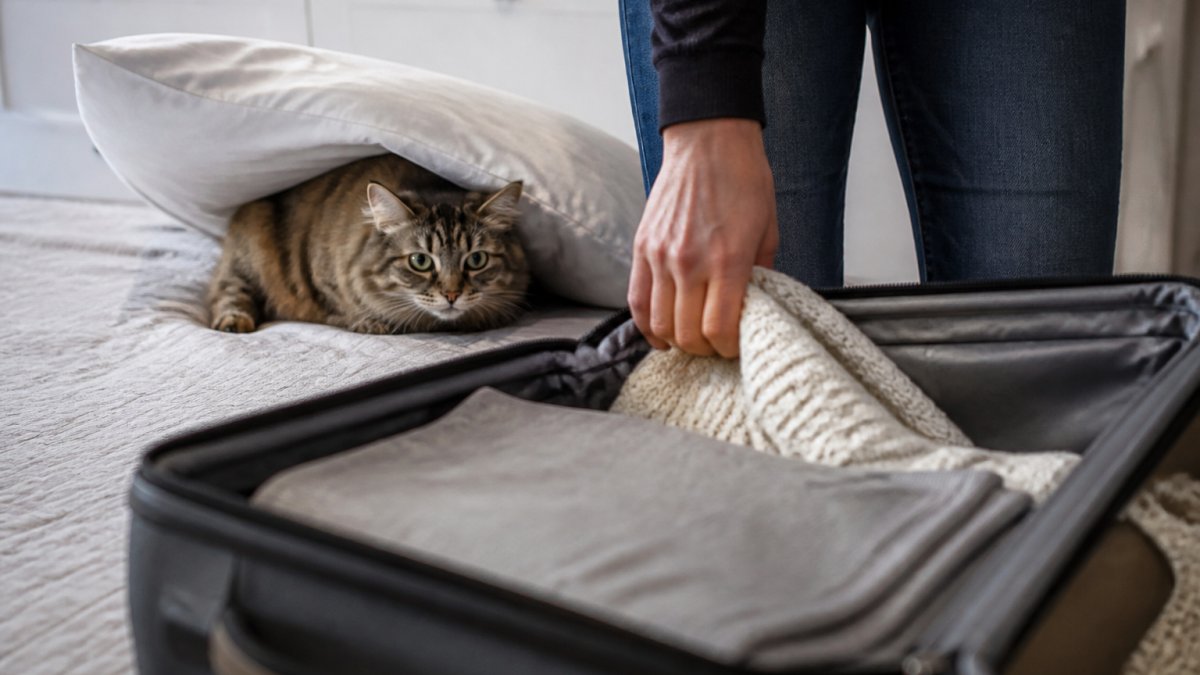
Waiting until the last minute. A rushed preparation leads to forgotten medications and unclear instructions. Start your preparation at least a week before you travel.
Skipping the meet and greet. This is the most common and most damaging mistake. A sitter who arrives cold on day one is far more likely to face a terrified cat.
Overfeeding as a goodbye gesture. Some owners leave an extra-large bowl of food "just in case." This can cause digestive upset and makes it harder to track your cat's appetite. Stick to the routine.
Ignoring the acclimation period. Your cat will likely need a few days to adjust after you return home. They may be extra clingy or, conversely, a little aloof. This is normal. Post-vacation behavioral adjustment is a real phenomenon, and the best thing you can do is resume your normal routine and give your cat plenty of quiet attention.
Failing to troubleshoot friction. If your sitter reports that your cat is hissing or hiding, do not assume the sitter is doing something wrong. It may simply be that your cat needs more time. A good sitter will adapt their approach, using quiet observation and treats rather than forcing contact.
| Common Mistake | Better Approach | Result |
|---|---|---|
| Skipping the meet and greet | Schedule a 20-minute session before you leave | Lower stress for cat and sitter |
| Leaving vague feeding instructions | Write exact measurements and times | Consistent diet, no digestive upset |
| Ignoring sitter reports of hiding | Ask for details and adjust approach | Faster acclimation and trust-building |
Preparing your cat for a sitter is an act of care. It reduces stress for your pet, simplifies the job for your sitter, and gives you genuine peace of mind while you are away. When you have a solid routine, clear documentation, and a trusted professional in place, you can focus on your trip instead of worrying about home. Professional services like Tracy's Kitty Care build their entire model around this kind of thorough preparation, with background-checked, licensed, bonded, and insured sitters who specialize exclusively in cats. For a complete 30-minute visit that covers feeding, fresh water, litter box cleaning, and playtime, explore our cat sitting service to see how we handle the details.
A well-prepared home is the foundation of a stress-free trip for everyone involved. The challenge is that preparation takes time and attention to detail, which is exactly what you are short on before a departure. That is where professional in-home care earns its keep. With a sitter who is trained to read feline behavior and handle the unexpected, you are not just booking a service. You are buying confidence. Get started with Tracy's Kitty Care and let a dedicated cat specialist manage the routine while you manage your trip.
Frequently Asked Questions
How long should a cat sitter visit last?
A standard professional cat sitting visit lasts about 30 minutes. That is enough time to refresh food and water, scoop the litter box, and give your cat attention or playtime. For cats needing medication or those with high energy, a longer visit may be necessary. Discuss the ideal cat sitter visit duration with your provider based on your cat's daily routine and needs.
What information should I leave for my cat sitter?
Leave a completed cat sitter information sheet. Include your vet's contact info, emergency contact details, feeding instructions, medication dosage, and notes on your cat's personality. Also list where to find supplies like food and litter. Providing this in a written format ensures the sitter has clear answers without needing to text you during your trip.
How do I prepare my home for a professional cat sitter?
Secure loose cords and remove household hazards your cat could reach. Set out enough food, litter, and medications for the entire trip. Leave clean towels and note where cleaning supplies are stored. Confirm your security code or key handoff works before you leave. A prepared home lets the sitter focus on care instead of hunting for items.
Why is a meet and greet important before hiring a cat sitter?
A meet and greet lets your cat see you interact positively with the sitter, which reduces stress. It also gives you a chance to walk through feeding routines, show where supplies are kept, and observe how the sitter handles your cat. This meeting builds trust and helps the sitter know your cat's hiding spots and behavioral cues before you leave.
This article was written using GrandRanker