 how-to
How to Ensure Cat Safety With a Sitter
Table of Contents
- Choosing a Trusted Pet Sitter
- Questions to Ask a Potential Cat Sitter
- Verify Credentials and Insurance
- Preparing Your Home and Securing Access
- Creating a Cat Sitter Instruction Sheet Template
- Establishing a Cat Sitter Daily Check-In Process
- Managing Medication and Health Care
- Monitoring Your Cat After the Sitter Leaves
- Frequently Asked Questions
Last Updated: September 27, 2026
Choosing a Trusted Pet Sitter
How to ensure cat safety with a sitter starts with finding the right person. Your cat depends on someone reliable, patient, and genuinely experienced with feline behavior. This isn't just about feeding and water, it's about trusting someone with a living creature you love.
The best sitters understand that cats are different from dogs. They need quiet, respectful handling. They can be stressed by strangers. A good sitter recognizes these signs and knows how to work with a nervous cat instead of against it.
When you're evaluating potential sitters, look for these core qualities:
- Years of specific cat care experience (not just general pet sitting)
- Clear communication about their approach and availability
- References from other cat owners they've worked with
- Willingness to follow detailed instructions without shortcuts
- Calm, patient demeanor that puts anxious cats at ease
Questions to Ask a Potential Cat Sitter
Before hiring anyone to care for your cat, ask direct questions about their experience and methods. Your questions reveal how they think about cat care and whether they take the role seriously.
Start with experience. How many years have they been sitting cats? Have they worked with cats that have behavioral issues, health conditions, or special needs? Ask for specific examples of challenging situations they've handled. A sitter who has managed a fearful cat or administered medication has real-world skills you need.
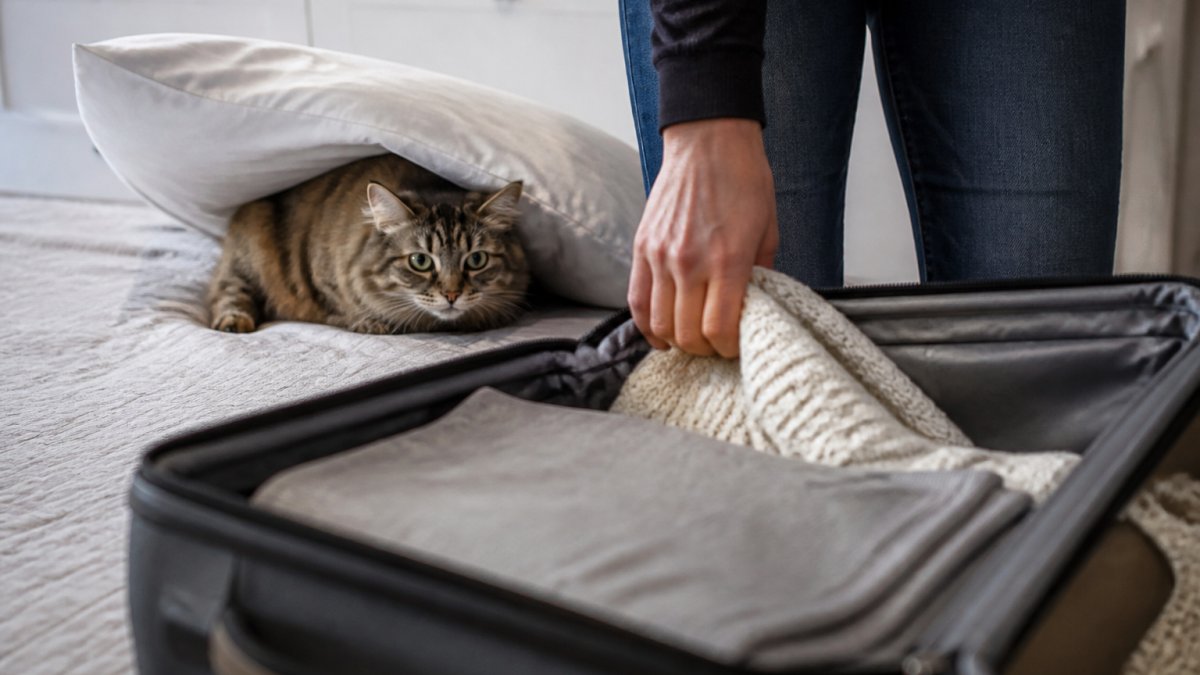
Ask about their daily routine during visits. What do they do during the 30 minutes they're in your home? How do they approach a cat that hides? Do they force interaction or respect the cat's boundaries? The answer tells you whether they understand feline psychology.
Key questions to ask:
- How do you handle a cat that won't come out from hiding?
- What's your experience giving medication or injections?
- How do you respond if something seems wrong with the cat?
- Can you describe your typical visit routine?
- What's your policy if you're running late or can't make a visit?
- How do you communicate updates to the owner?
- Have you ever dealt with a medical emergency? How?
Ask about communication too. Will they text you photos or updates? How quickly do they respond to messages? Do they provide a written report after each visit? Clear communication reduces anxiety when you're away.
Verify Credentials and Insurance
How to ensure cat safety with a sitter includes verifying that they're actually qualified and protected. Background checks, bonding, and insurance aren't optional details, they're your legal and practical safeguards.
A trustworthy sitter will have completed a background check. Ask to see proof. Don't accept vague assurances. Legitimate pet care professionals understand that owners need verification.
Bonding and insurance matter more than most people realize. If something goes wrong, a lost key, damage to your home, or an injury to your cat, bonded and insured sitters have protection in place. This protects both you and them.
Ask for these specific credentials:
- Proof of background check (criminal history clearance)
- Bonding certificate (protects against theft or property damage)
- Liability insurance (covers accidents or injuries)
- Any relevant pet care certifications or training
Request references from other cat owners. Contact at least two people who have used this sitter. Ask about their experience, reliability, and how their cat responded. References from real clients carry more weight than any credential.
Check their reviews if they're listed on platforms like Care.com or similar pet sitting networks. Look for patterns. One negative review might be an outlier. Multiple complaints about reliability or cat handling should be a red flag.
Preparing Your Home and Securing Access
Your home needs to be set up for a sitter to do their job safely and efficiently. This means securing hazards, organizing supplies, and giving them clear access without compromising security.
Start with physical safety. Remove anything toxic from easy reach, cleaning supplies, medications, plants that are poisonous to cats, small objects they could swallow. Secure loose cords and wires. Close off rooms where your cat shouldn't go. A prepared home prevents accidents and stress.
Create a designated care station with everything the sitter needs. Keep food, water bowls, litter supplies, medications, and first aid items in one accessible location. Label everything clearly. Don't make the sitter search your home for what they need.

For access, you have options.
- How to disarm the alarm system (if you have one)
- Which doors lock automatically when closed
- Where the circuit breaker is located
- How to use any smart home devices they need to access
- Emergency contact for your landlord or property manager if renting
Creating a Cat Sitter Instruction Sheet Template
A detailed instruction sheet is your most important communication tool. It removes guesswork and ensures consistent care. The sheet becomes a reference the sitter can check during each visit.
Your instruction sheet should cover these sections:
Cat Information
- Name, age, and description
- Photo of your cat (helps if sitter is new)
- Microchip number and vet registration info
- Any behavioral quirks or preferences
Daily Care Instructions
- Feeding schedule, portion sizes, and specific food brand
- Water bowl location and how often to refresh
- Litter box cleaning routine (scoop daily, full change frequency)
- Playtime preferences and favorite toys
- Any handling restrictions or comfort techniques
Health and Medical Information
- Medications, dosages, and administration instructions
- Allergy information
- Signs of illness to watch for
- Vet contact information and authorization to seek care
Emergency Procedures
- What to do if the cat seems ill or injured
- Authorization for emergency vet visits
- Your backup contact if you're unreachable
- Insurance information if applicable
Home Access and Security
- How to lock and unlock doors
- Alarm code and how to disarm it
- WiFi password if needed
- Any areas of the home that are off-limits
Establishing a Cat Sitter Daily Check-In Process
Regular communication during your absence gives you peace of mind and helps the sitter report any concerns. A structured check-in process keeps everyone on the same page.
A cat sitter daily check-in process should include:
- Confirmation that the visit happened (time and duration)
- Brief report on the cat's behavior and appetite
- Photo or video of the cat (shows it's healthy and happy)
- Any concerns or observations
- Confirmation that all tasks were completed
Managing Medication and Health Care
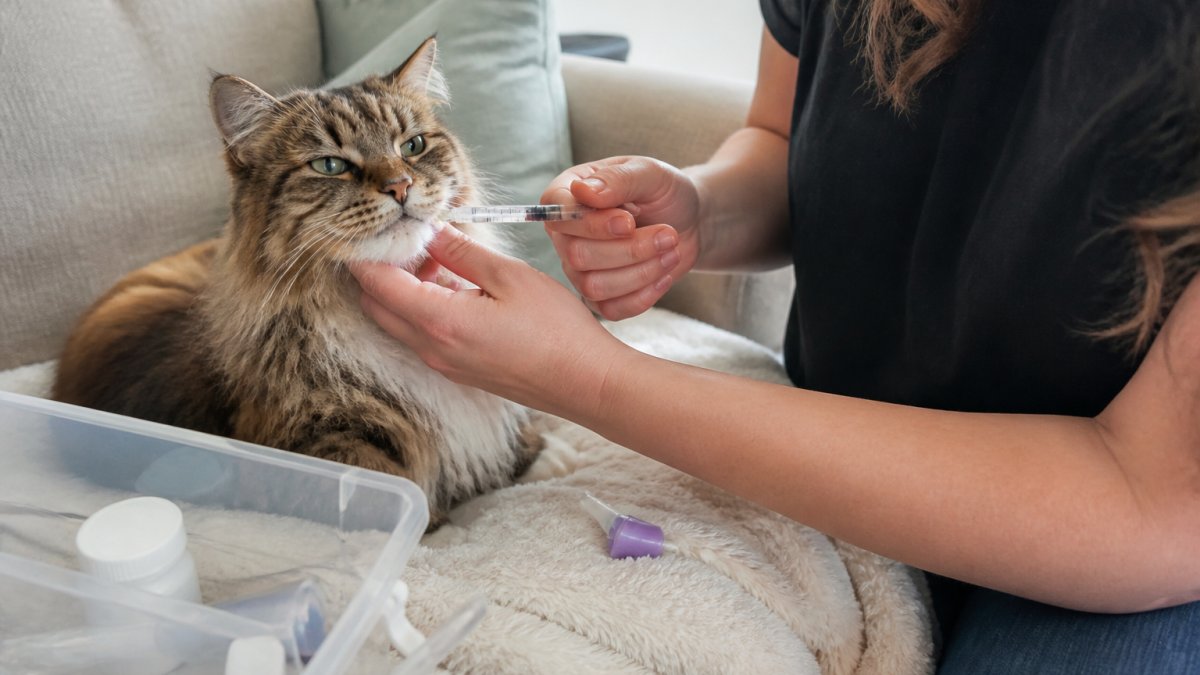
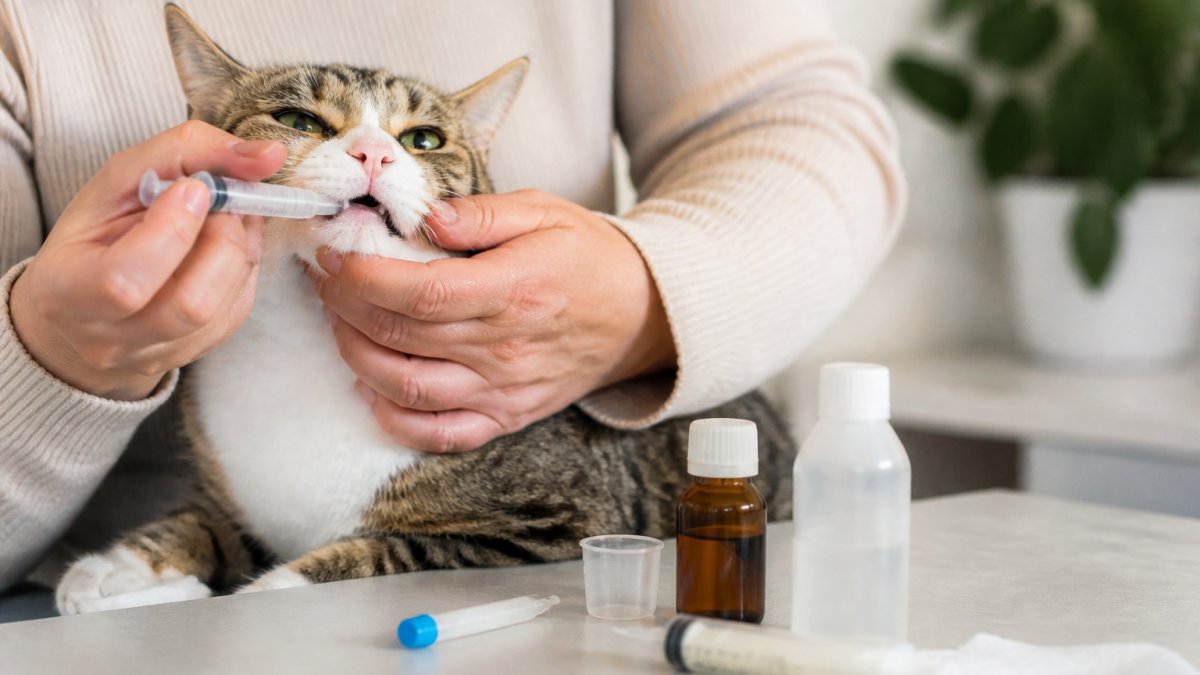
If your cat needs medication or has a health condition, the sitter must be trained and confident administering care. This is where credentials and experience matter most.
For medication administration, provide:
-
Clear written instructions with exact dosages
-
Demonstration before your first trip away
-
Pre-portioned medications labeled with dates and times
-
A written log where the sitter confirms each dose was given
-
Emergency vet contact and authorization to seek care if needed
-
Name of medication and what it treats
-
Exact dose and frequency
-
How to administer (pill, liquid, injection)
-
Side effects to watch for
-
Storage instructions
-
What to do if a dose is missed
Monitoring Your Cat After the Sitter Leaves
Your cat's behavior after the sitter stops visiting tells you whether the arrangement is working. Pay attention to stress signals and changes in routine.
- Changes in eating or drinking habits
- Excessive hiding or withdrawal
- Litter box problems or changes in bathroom habits
- Aggression or unusual irritability
- Excessive grooming or hair loss
- Vomiting or digestive issues
Frequently Asked Questions
How do I verify that a cat sitter is licensed and insured?
Ask for proof of liability insurance and bonding before hiring. Reputable sitters should provide documentation without hesitation. Request references from previous clients and confirm the sitter carries background check certifications. Professional services like Tracy's Kitty Care maintain these credentials as standard. Never hire someone unwilling to share proof of insurance or bonding, it protects both you and your cat.
What information should I include in a cat sitter instruction sheet template?
Include feeding amounts and schedules, medication instructions with dosages, emergency veterinary contact information, your cat's behavioral quirks, litter box location, and any safety concerns. Add your microchip number, vaccination records location, and preferred handling methods. List household rules, security codes, and alarm system instructions. Specify daily check-in expectations and how to reach you. A detailed instruction sheet prevents misunderstandings and ensures consistent care for your cat.
What are red flags when hiring a cat sitter?
Avoid sitters who cannot provide references, lack insurance or bonding, or seem uncomfortable discussing their background check. Skip anyone unwilling to do a meet-and-greet with your cat first. Red flags include vague answers about experience, no written service agreement, or reluctance to follow your specific instructions. Be cautious if they pressure you to make quick decisions or offer prices significantly below market rates. Trust your instincts, your cat's safety depends on hiring someone reliable and professional.
How can I ensure my cat sitter performs a daily check-in?
Establish a written daily check-in protocol before the sitter arrives. Request photo or video confirmation of feeding, fresh water, and litter box maintenance. Set specific times for check-ins and ask the sitter to text or email updates with timestamps. Use a secure shared document or app to track visits. Discuss what constitutes an emergency and establish backup contact procedures. Clear expectations about the cat sitter daily check-in process prevent gaps in care and give you real-time peace of mind while you're away.