 how-to
How Long Can a Cat Be Left With a Sitter
Table of Contents
- Why Cats Require Daily Visits From a Pet Sitter
- Cat Sitter Visit Duration: How Long Each Check-In Should Last
- Cat Sitter Daily Check-In Process: What Happens During Each Visit
- What to Include in Cat Sitting Instructions for Your Sitter
- Age-Specific Guidelines: Kittens, Adults, and Senior Cats
- Signs of Illness and Stress Indicators Your Sitter Should Know
- Technology-Assisted Monitoring While Your Cat Is With a Sitter
- Preparing Your Home and Setting Up Safety Protocols
- Frequently Asked Questions
Last Updated: September 29, 2026
Why Cats Require Daily Visits From a Pet Sitter
Cats are independent but depend on you for basic needs. When you're away, how long can a cat be left with a sitter matters because a professional pet sitter ensures consistent food, fresh water, and litter box maintenance.
Cats thrive on routine. Daily sitter visits maintain the structure your cat expects, preventing behavioral problems and stress while you're away.
Daily visits also provide health monitoring, sitters catch early signs of illness that can be lifesaving, especially for older cats or those with medical conditions.
Cat Sitter Visit Duration: How Long Each Check-In Should Last
Each visit should last approximately 30 minutes, allowing time for feeding, fresh water, litter maintenance, playtime, and health observation. Shorter visits risk skipping important details; longer visits aren't necessary unless your cat needs medication or special care.
Cat Sitter Daily Check-In Process: What Happens During Each Visit
A professional check-in follows a predictable pattern: arrival, greeting, and checklist completion. Consistency matters because cats recognize routine.
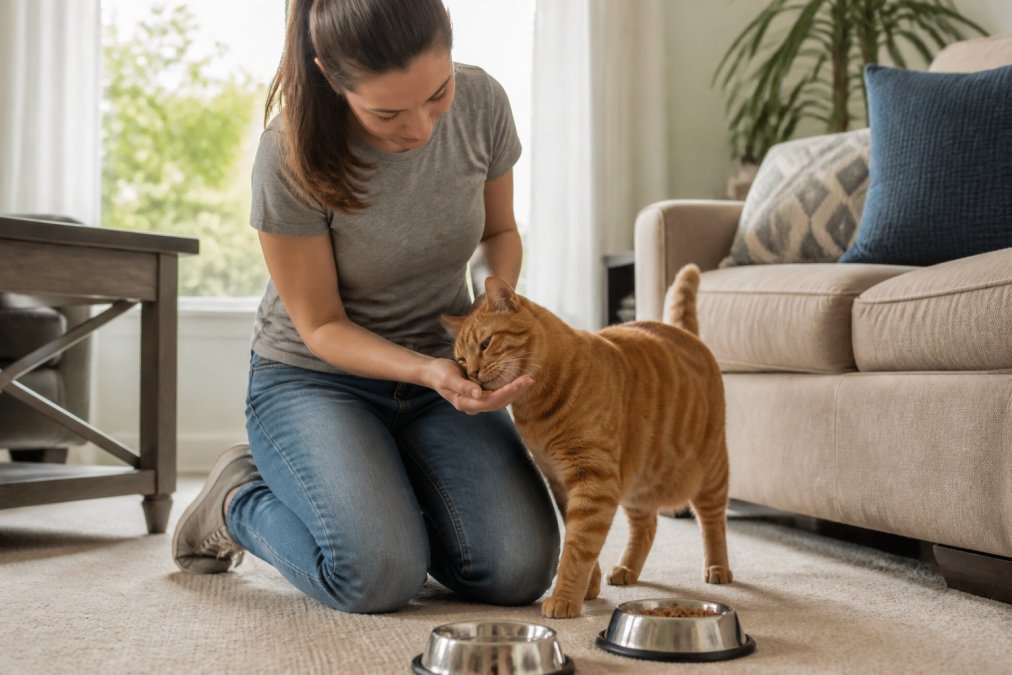
Feeding and Water Management
Your sitter feeds your cat at the same time each day to maintain digestive rhythm and prevent overeating, following your exact schedule and portion sizes. Water bowls need daily cleaning and refilling; some cats prefer running water from a fountain.
Litter Box Maintenance and Health Monitoring
Litter boxes must be scooped daily to prevent stress and behavioral problems. During maintenance, your sitter observes urine and stool for changes in color, consistency, or frequency that signal health issues. They also check your cat's physical condition, feeling for lumps, observing breathing, and noting discharge or unusual odors, which is especially critical for senior cats and those with health conditions.
Social Interaction and Environmental Enrichment
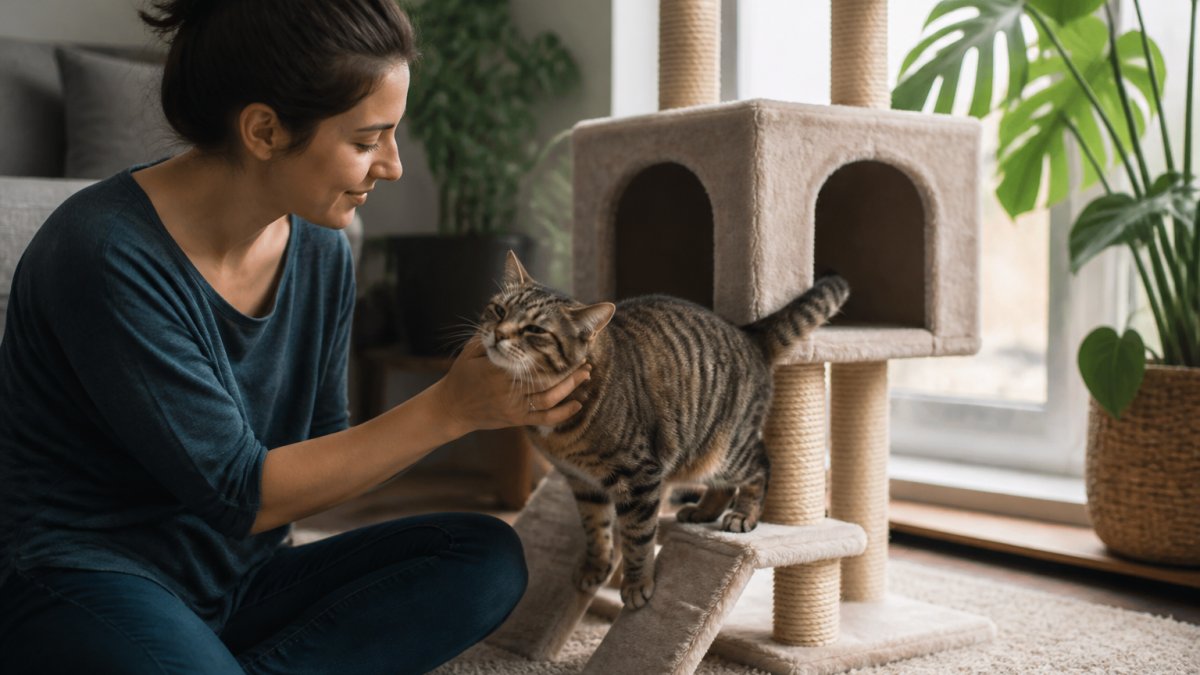
Playtime reduces stress and helps your sitter assess mood and energy, a cat that usually plays but refuses might be sick. Environmental enrichment like rotating toys, opening blinds, or providing climbing opportunities prevents cabin fever.
What to Include in Cat Sitting Instructions for Your Sitter
Written instructions ensure consistent care. Create a document covering: feeding schedule and portions, water and litter box locations, medications, behavioral traits, playtime preferences, home access areas, and emergency contacts.
Medical and Emergency Information
Provide your cat's medical history: current medications with dosages, allergies, dietary restrictions, veterinarian contact information, and after-hours emergency vet details.
Behavioral Notes and Personality Assessment
Describe your cat's typical behavior: friendliness level, stress responses, favorite toys, stranger reactions, safe areas, fear triggers, and normal energy level. This helps your sitter recognize abnormal behavior, a normally social cat that hides may be ill, sudden aggression indicates pain, and ignoring toys suggests lethargy.
Emergency Decision-Making Protocol
Create a tiered emergency protocol: Immediate Emergency (difficulty breathing, unconsciousness, severe bleeding, inability to urinate/defecate 24+ hours, extreme pain, seizures, paralysis, call emergency vet immediately); Urgent (vomiting/diarrhea lasting hours, refusal to eat a full day, excessive drooling, discharge, limping, contact you first); Monitor and Report (minor appetite changes, single vomiting episode, behavioral shifts that resolve within hours).
Sitter Instruction Template Checklist
Organize all information in a single document your sitter can reference. Include:
- Your cat's photo and physical description
- Daily feeding times and portion sizes (with photos of correct portions if helpful)
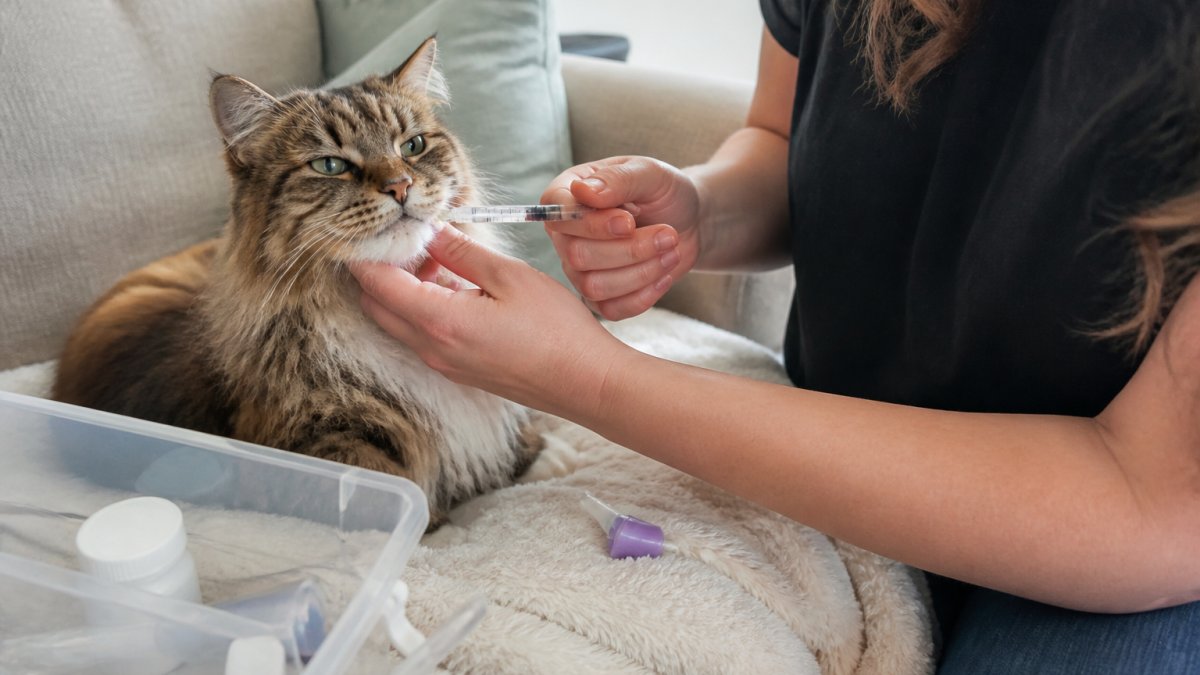
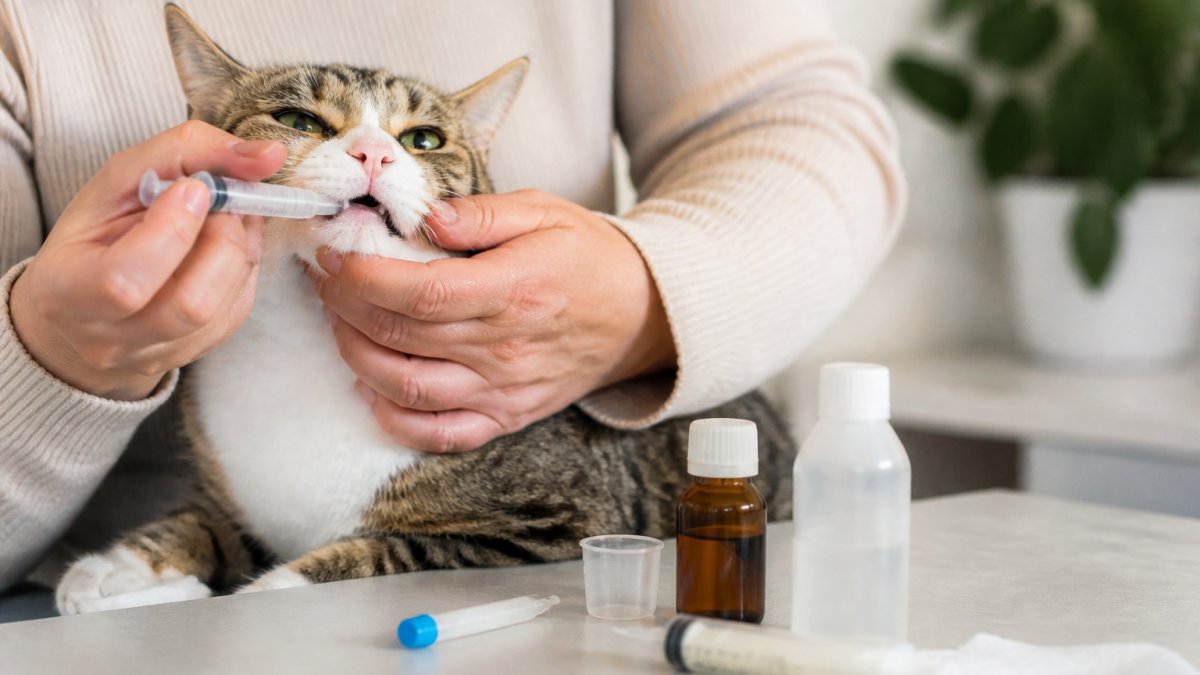
- Medication schedule and administration method
- Litter box location and your preferred cleaning method
- Favorite toys and play duration
- Areas of the home your cat can access (and any rooms to keep closed)
- Your veterinarian's contact information
- Emergency vet location and phone number
- Your cell phone, work phone, and backup emergency contact
- Authorization for emergency medical decisions
- Behavioral baseline and warning signs specific to your cat
- Your cat's microchip number and registration information
Age-Specific Guidelines: Kittens, Adults, and Senior Cats
How long can a cat be left with a sitter depends on age, health status, personality, and independence level. Combine age-based guidelines with personality assessment and health status rather than applying a generic "one visit per day" approach.
Kittens (Under 1 Year)
Kittens need multiple daily feedings (three to four meals until 6 months, then two daily) and more frequent visits due to lack of impulse control. Visit frequency: Check-ins every 12 hours; arrange twice-daily visits if away longer than 24 hours. Kittens left alone 24+ hours may stop eating, develop litter box avoidance, or injure themselves.
Adult Cats (1-10 Years)
Healthy adult cats are the most independent age group. Visit frequency: One daily visit is sufficient for most, but adjust based on personality. Social/dependent cats benefit from twice-daily visits or longer duration. Independent cats manage single 20-30 minute visits. Moderately social cats do well with one 30-minute visit including feeding, water, litter maintenance, and 10-15 minutes of interaction.
Senior Cats (Over 10 Years)
Senior cats have higher illness rates, medication needs, and reduced ability to compensate for environmental changes. Visit frequency: Daily visits minimum; twice-daily strongly recommended for cats over 12 or those with diagnosed conditions. Older cats develop health crises rapidly, a cat fine in the morning may be in acute kidney failure by evening.
Cats with Chronic Health Conditions
Regardless of age, cats with diagnosed medical conditions need visit frequency tailored to their specific needs:
- Diabetic cats requiring insulin: Twice-daily visits timed to medication and feeding schedules.
- Cats with kidney disease: Daily visits to monitor appetite, water intake, and litter box output.
- Cats with hyperthyroidism: Daily visits to administer medication and monitor appetite and weight.
- Post-surgical cats: Twice-daily visits for the first 10-14 days to monitor incision healing and pain levels.
- Cats with urinary issues: Daily visits to monitor litter box use and check for signs of blockage or infection.
Creating a Personality and Health Profile
Before hiring a sitter, assess your cat's independence level and health status. Ask yourself:
- How does my cat react when I leave the house? (Anxious, indifferent, or somewhere in between?)
- Does my cat eat normally when stressed, or does anxiety suppress appetite?
- Does my cat have any diagnosed medical conditions?
- Is my cat on any medications?
- How mobile is my cat? (Can they easily access litter box, food, and water?)
- Has my cat had any recent health issues or changes?
Signs of Illness and Stress Indicators Your Sitter Should Know
Your sitter must recognize warning signs. Early detection saves lives.
Common illness indicators include:
- Decreased appetite or refusing food
- Excessive thirst or urination changes
- Vomiting or diarrhea
- Lethargy or unusual sleeping patterns
- Labored breathing or coughing
- Discharge from eyes, nose, or ears
- Limping or reluctance to move
- Excessive grooming or hair loss
Stress indicators include:
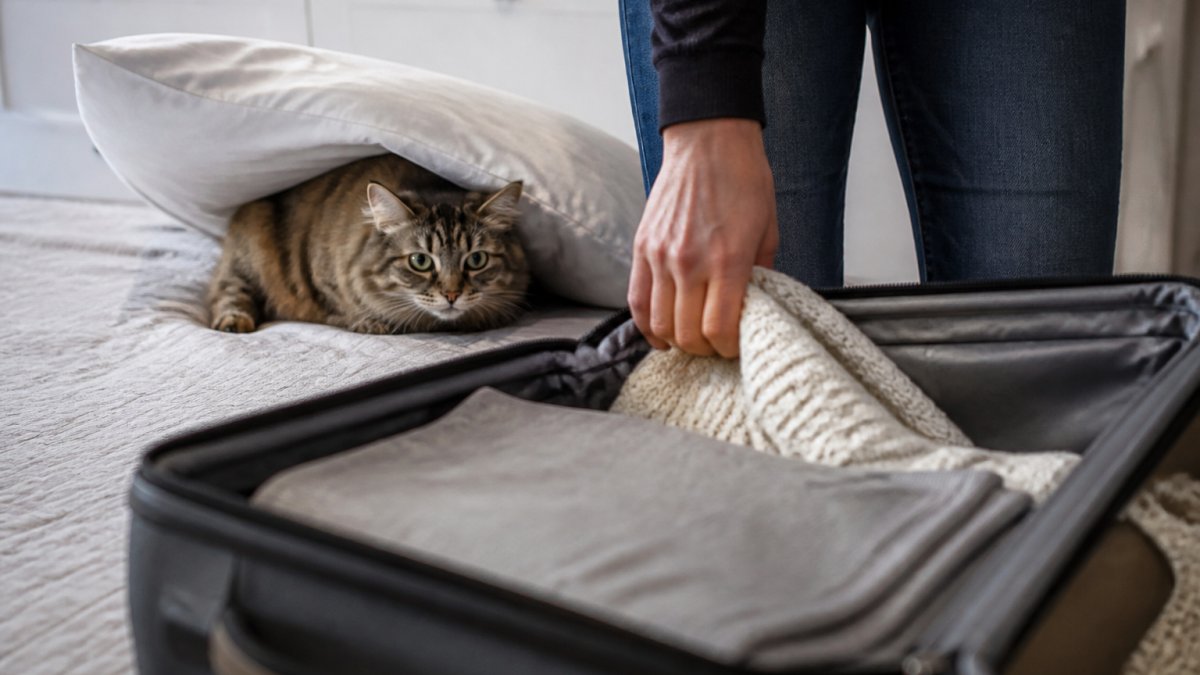
- Hiding for extended periods
- Aggression or hissing
- Inappropriate elimination outside the litter box
- Excessive vocalization
- Loss of appetite
- Over-grooming or pulling out fur
Technology-Assisted Monitoring While Your Cat Is With a Sitter
Modern technology helps you stay connected while away. Pet cameras with two-way audio let you check on your cat anytime.
Benefits of pet monitoring:
- Real-time video of your cat's behavior
- Two-way communication with your cat
- Verification that your sitter arrived
- Documentation of care quality
- Peace of mind during your absence
Preparing Your Home and Setting Up Safety Protocols
Before your sitter arrives, prepare your home for their visits. This ensures your cat's safety and your sitter's success.
Preparation steps:
- Leave doors unlocked or provide a key
- Stock food, treats, and supplies
- Leave detailed written instructions
- Provide emergency contact information
- Ensure your sitter knows where to find everything
- Test any automatic systems beforehand
- Leave a small tip or payment method
- Secure any hazardous items
Frequently Asked Questions
How long can I leave my cat with a pet sitter without daily visits?
Cats should not be left alone for more than 24-48 hours without a visit from a pet sitter or another caregiver. Most cats benefit from daily visits, especially for feeding, fresh water, and litter box maintenance. Kittens and senior cats may need visits twice daily. A reliable pet sitter ensures your cat receives consistent care, medication administration if needed, and monitoring for signs of illness or stress during your absence.
What should a cat sitter daily check-in process include?
Each visit should include feeding your cat according to their regular schedule, providing fresh water, cleaning the litter box, and spending time for social interaction and playtime. The sitter should also monitor your cat's behavior and health, check for any signs of illness, and document any changes. If your cat requires medication, the sitter should administer it as directed. A typical 30-minute visit covers these essentials, though some cats may need longer depending on their age, health status, and personality.
What information should I include in cat sitting instructions?
Provide your sitter with feeding schedules and portion sizes, medication instructions with administration details, emergency contact information including your veterinarian, and your cat's medical history and current health concerns. Include behavioral notes about your cat's personality, hiding spots, and how to handle them if they're shy or anxious. Document any known stress indicators, what your cat enjoys during playtime, and safety protocols for your home. Clear, detailed instructions help your sitter provide consistent, trustworthy care.
How do I know if a pet sitter is reliable and trustworthy?
Choose a sitter who is background-checked, licensed, bonded, and insured. Ask for references from other cat owners and verify their experience with cats specifically. A trustworthy sitter should be willing to provide regular updates, communicate clearly about your cat's behavior and health, and follow your instructions precisely. Professional pet sitting services like Tracy's Kitty Care ensure all sitters meet rigorous standards, giving you peace of mind that your cat receives reliable, professional care in your home.