 how-to
Finding Cat Sitters in Williamsville: A 2026 Guide
Table of Contents
- Why In-Home Cat Sitting Beats Boarding for Most Cats
- Cat Sitting Services Amherst NY: What to Look For
- Cost of Cat Sitting Per Visit: What You Should Expect to Pay
- Questions to Ask a Cat Sitter Before You Book
- Special Needs Cat Care: Medication, Shy Cats, and More
- Emergency Preparedness: What Your Cat Sitter Should Have Ready
- How to Book Cat Sitters in Williamsville: Step-by-Step
- Conclusion
Last Updated: August 16, 2026
Why In-Home Cat Sitting Beats Boarding for Most Cats
Cats are creatures of habit, and disrupting their environment is one of the fastest ways to spike their stress levels. Unlike dogs, most cats don't adapt well to new surroundings, a boarding facility introduces unfamiliar smells, sounds, and animals that can cause anxiety, appetite loss, and behavioral changes that persist long after you return home. For the vast majority of cats, staying home is simply better medicine than any boarding arrangement.
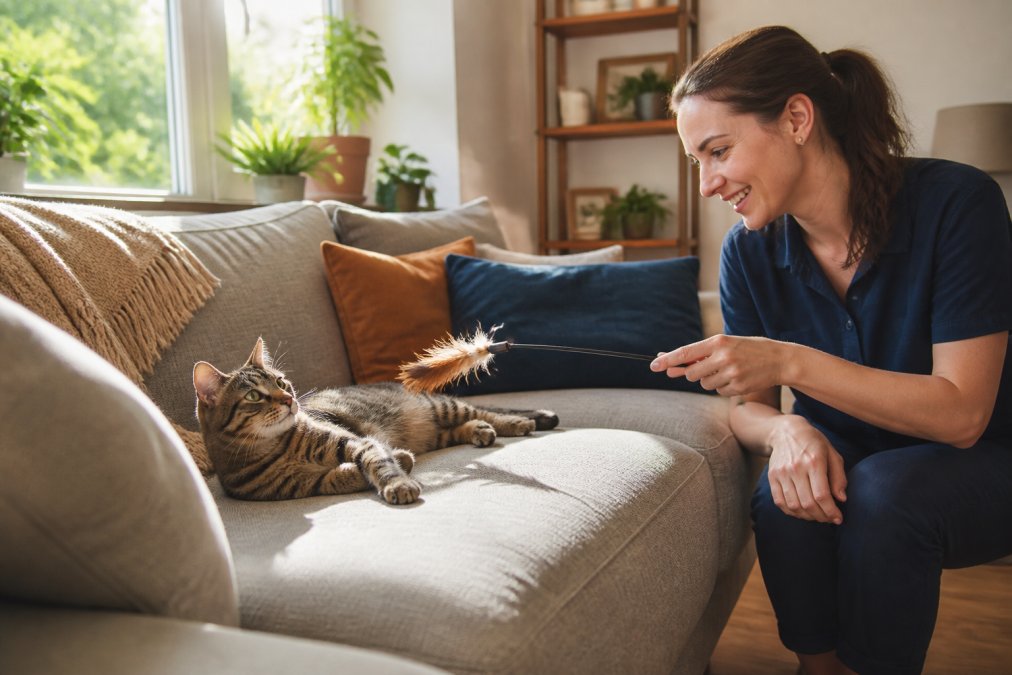
Finding cat sitters in Williamsville who come directly to your home solves this problem entirely. Your cat keeps her routine, her territory, and her sense of security. The litter box stays in the same corner. The food bowl sits where it always has. A familiar environment means a calmer cat, and a calmer cat is a healthier one. Tracy's Kitty Care was built around this exact principle: cats deserve care that works with their nature, not against it.
There's a practical upside for you, too. In-home sitting means no carrier trips, no drop-off logistics, and no scrambling to pick up your cat before the facility closes. For cat owners who travel for work or take extended trips, that convenience compounds quickly.
According to the American Veterinary Medical Association's pet care guidelines, minimizing environmental disruption is a core component of feline welfare. Boarding should be a last resort, not a default.
Cat Sitting Services Amherst NY: What to Look For
Not every cat sitter is equal, and the difference between a great one and a risky one isn't always obvious from a profile photo. Cat sitting services Amherst NY residents rely on should clear a few non-negotiable bars before you hand over your house key.
Background Checks, Bonding, and Insurance
A background check is the baseline. Any professional cat sitter should be able to confirm they've passed one, not just claim it. Beyond that, look for sitters who are bonded and insured. Bonding protects you if something goes missing from your home. Insurance covers liability if a sitter is injured on your property or if an incident occurs during a visit.
These aren't bureaucratic technicalities. They're the difference between a professional service and a favor from a neighbor. Tracy's Kitty Care sitters are background-checked, licensed, bonded, and insured, and that's verifiable, not just a marketing claim.
A pet sitting contract is another strong signal. A professional service will put the terms of care in writing: visit frequency, services included, emergency protocols, and cancellation policies. If a sitter won't provide a contract, that's a reason to keep looking.
Service Area Coverage and Availability
Cat sitting services Amherst NY providers typically cover a defined radius. Confirm that your address falls within the sitter's service area before you get attached to a particular provider. Tracy's Kitty Care serves Williamsville, Amherst, Clarence, East Amherst, and Eggertsville/Snyder, a geographic footprint that covers most of the western New York suburbs where cat owners are actively searching for reliable care.
Availability matters as much as geography. Ask whether the sitter can accommodate your specific travel dates, including holidays and peak travel periods when demand is highest. Booking early, especially for summer travel or major holidays, is strongly recommended.
Cost of Cat Sitting Per Visit: What You Should Expect to Pay
The cost of cat sitting per visit varies by provider, but the structure is fairly consistent. Most professional in-home cat sitters charge a flat rate per visit, with visit length and services included determining the price.
Tracy's Kitty Care charges $30 per visit for a 30-minute session. That visit includes feeding, fresh water, litter box cleaning, and playtime and attention for your cat. For most single-cat households, one visit per day covers the essentials. Owners with multiple cats, cats on medication, or cats that need more interaction often schedule two visits daily.
Here's a quick breakdown of what a standard cat sitting visit typically covers:
| Service Element | Included in Standard Visit |
|---|---|
| Feeding (wet and/or dry food) | Yes |
| Fresh water | Yes |
| Litter box cleaning | Yes |
| Playtime and attention | Yes |
| Medication administration | Confirm with provider |
| Written or photo update | Confirm with provider |
| Overnight staying | Separate rate applies |
The cost of cat sitting per visit is almost always competitive with boarding when you factor in the full picture. Boarding facilities charge per night, often per cat, and add fees for individual attention, medication, and special handling. In-home sitting rolls most of that into a single, predictable rate.
Questions to Ask a Cat Sitter Before You Book
Most people ask one or two questions and then book based on gut feel. That's understandable, but it leaves a lot of important ground uncovered. A structured vetting conversation takes fifteen minutes and can prevent a lot of problems.
Vetting Checklist for Cat Owners
Use this checklist before committing to any cat sitter:
- Are you background-checked? Can you confirm this in writing?
- Are you bonded and insured? What does your coverage include?
- Do you provide a pet sitting contract before the first visit?
- How long have you been providing professional cat sitting services?
- Do you have veterinary references or experience working with a vet?
- What is your protocol if my cat stops eating or shows signs of illness?
- Who do I contact in an emergency, and what is your response time?
- Can you administer medication, including injections?
- How do you handle a cat that hides or refuses interaction?
- What is your cancellation policy if my travel plans change?
- Will you provide updates, photos, texts, or written notes, during visits?
- Do you do a meet-and-greet before the first paid visit?
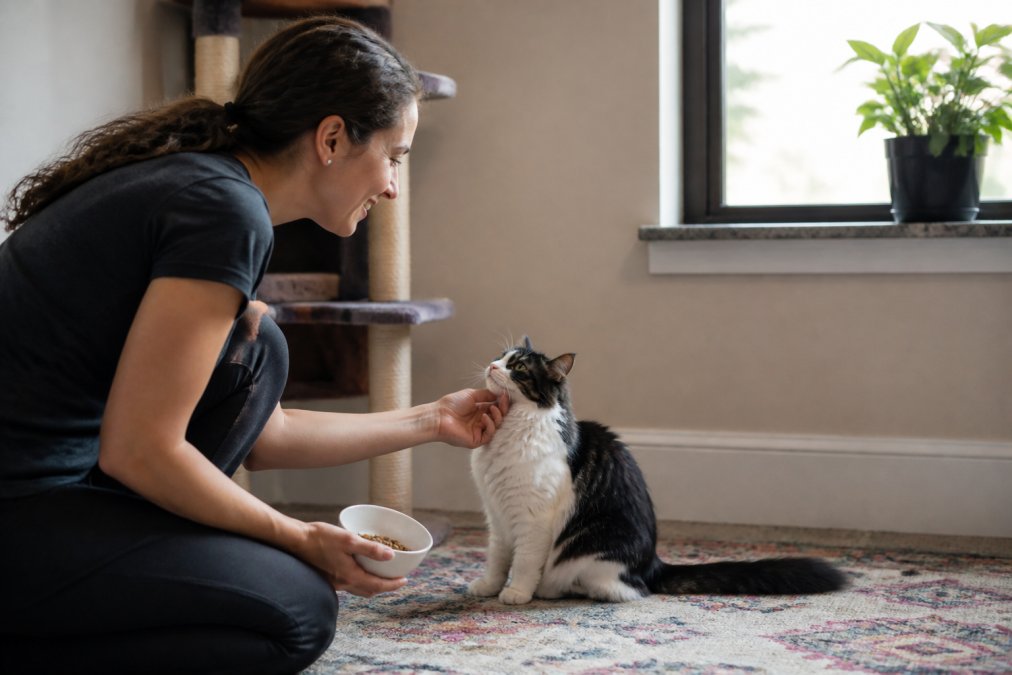
A meet-and-greet consultation is worth insisting on. It lets your cat get a first impression of the sitter in her own territory, and it gives you a chance to walk through feeding routines, hiding spots, favorite toys, and any behavioral quirks before you're already on a plane.
Special Needs Cat Care: Medication, Shy Cats, and More
Special needs cat care is where the gap between a casual sitter and a professional service becomes most visible. Many cat owners assume that medication administration, shy cat handling, or senior cat care falls outside what a sitter can manage. That assumption causes people to over-rely on boarding facilities that aren't actually better equipped for these situations.
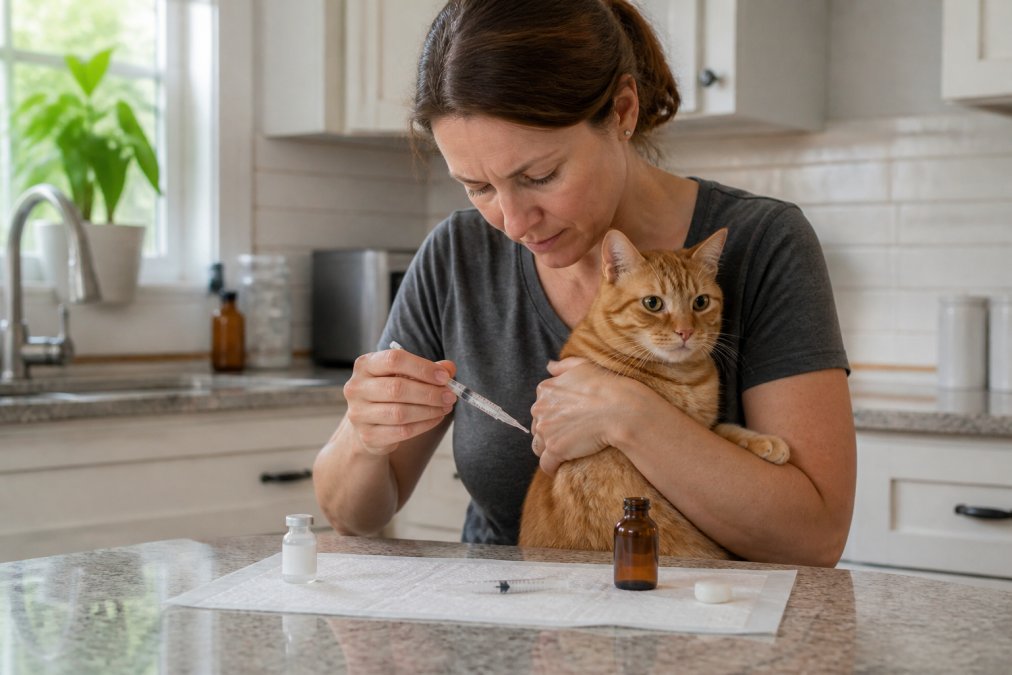
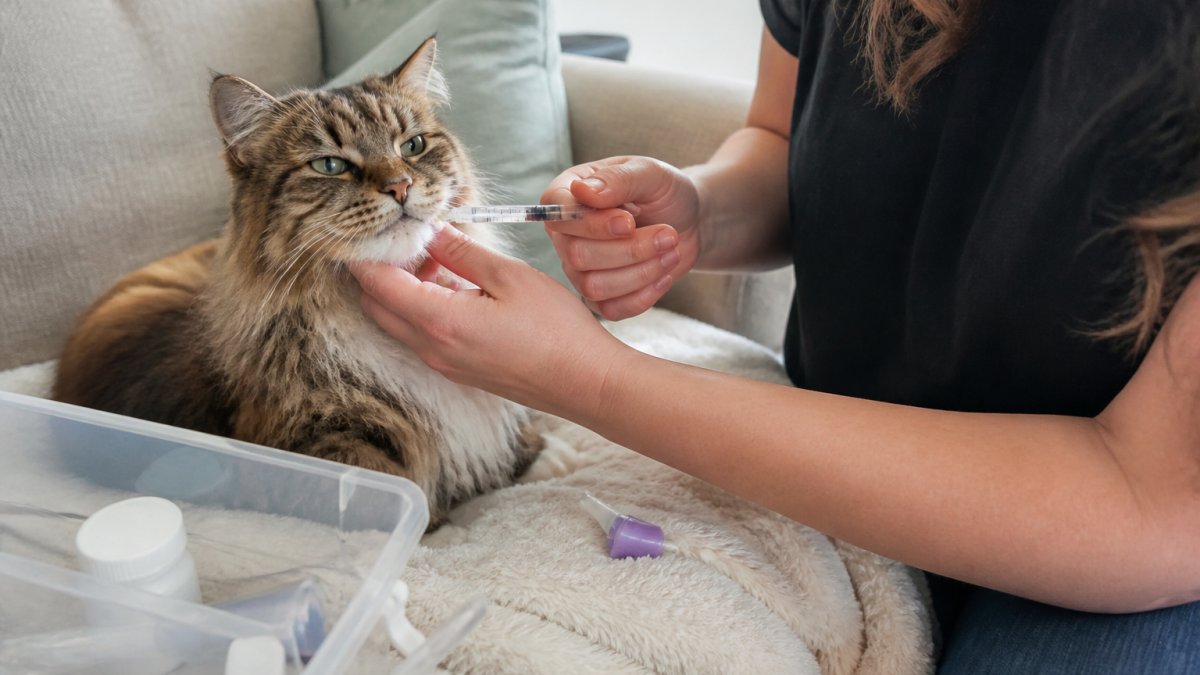
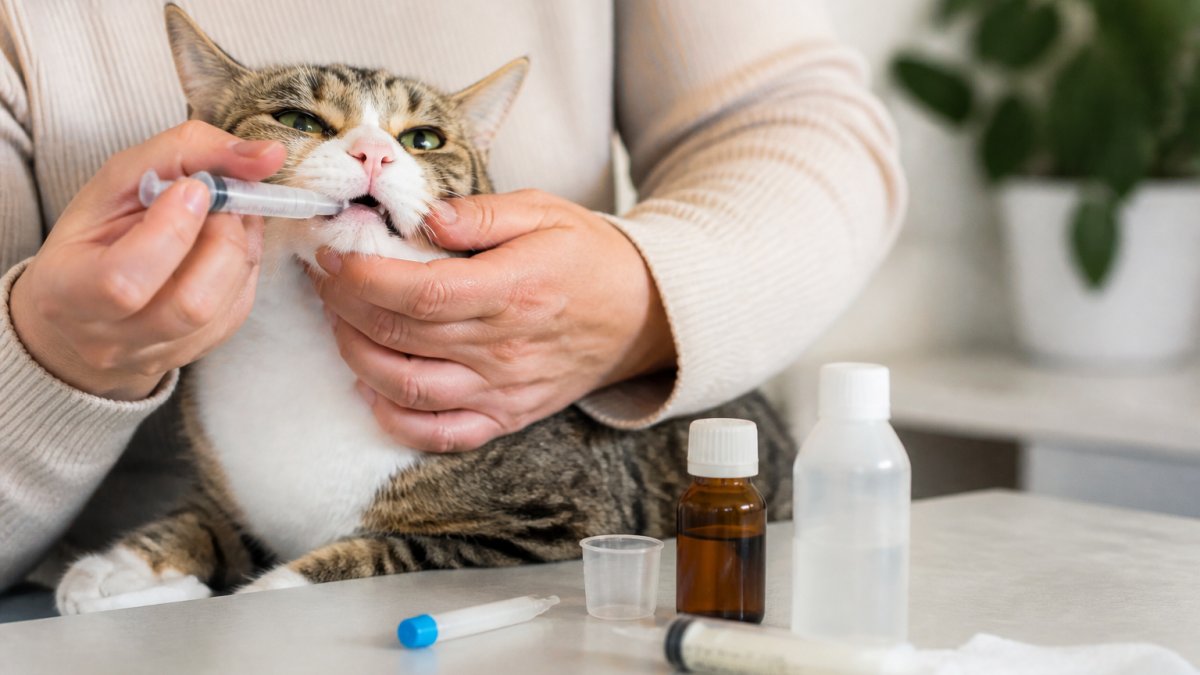
Medication administration is one of the most common special needs requests. Cats on twice-daily insulin, thyroid medication, or antibiotics need a sitter who is comfortable with the specific delivery method, oral, transdermal, or injectable. Before booking, confirm that your sitter has direct experience with your cat's medication type. This is a conversation to have explicitly, not something to assume.
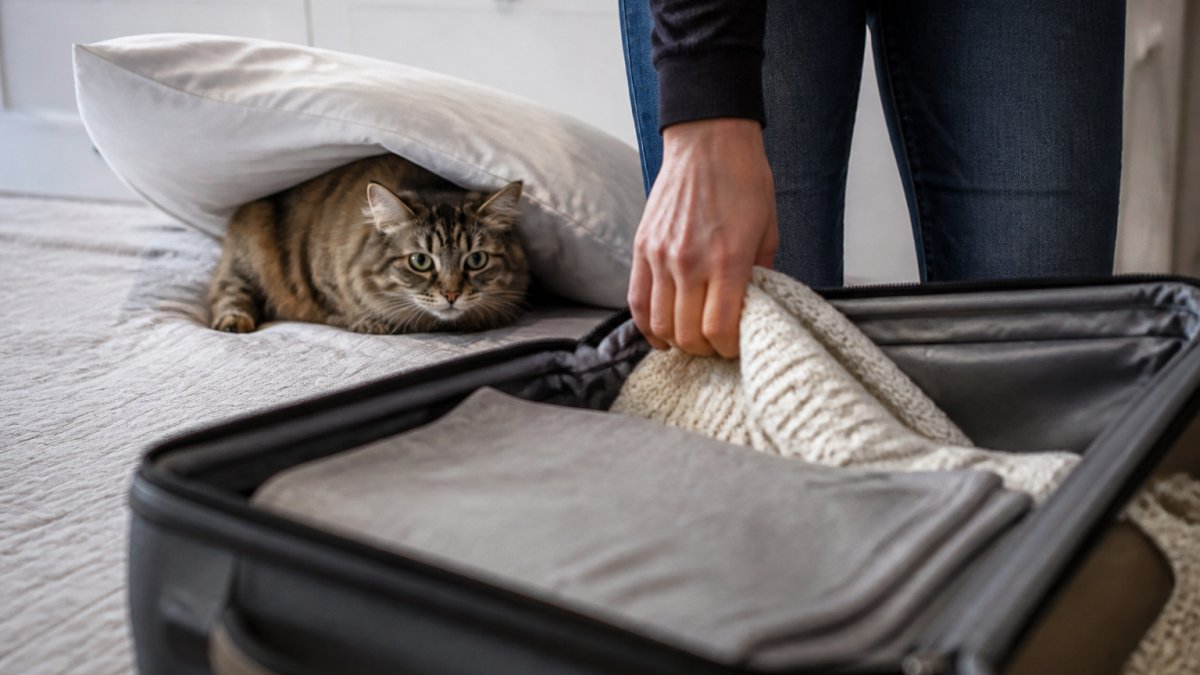
Shy and nervous cats present a different challenge. A cat who hides under the bed when a stranger enters the house isn't going to warm up immediately, and a sitter who tries to force interaction will make things worse. Experienced sitters understand that with fearful cats, the goal of the first few visits is simply presence, not contact. Sitting quietly, speaking softly, and letting the cat set the pace is the right approach. Over multiple visits, most shy cats do acclimate.
According to guidance from the American Association of Feline Practitioners on feline stress, low-stress handling techniques are essential for cats with anxiety or fearful temperaments. A sitter who understands cat body language, flattened ears, dilated pupils, a tucked tail, is far safer than one who doesn't.
Senior cats and cats with chronic conditions need behavioral monitoring on top of basic care. A good sitter notices when a cat is drinking more water than usual, seems lethargic, or is avoiding the litter box. These observations can be the difference between catching a health issue early and returning home to a crisis.
Emergency Preparedness: What Your Cat Sitter Should Have Ready
Emergency preparedness is the topic most cat owners forget to ask about until something goes wrong. A professional sitter should have a clear protocol before the first visit begins.
At minimum, your sitter needs:
- Your primary contact number and a backup (travel companion, family member)
- The name, address, and phone number of your regular veterinarian
- The name and number of a 24-hour emergency veterinary clinic in the area
- Written authorization to seek veterinary care on your behalf if you're unreachable
- Your cat's medical history summary, including current medications and known conditions
The Pet Sitters International professional standards for emergency preparedness outline exactly this kind of pre-visit documentation as a baseline for professional pet care. If a sitter hasn't asked for your vet's contact information before the first visit, that's a gap worth flagging.
Authorization for emergency vet care is the piece most people overlook. Without written permission, a sitter may be unable to authorize treatment even in a genuine emergency. A simple signed note, or a clause in the pet sitting contract, covers this.
How to Book Cat Sitters in Williamsville: Step-by-Step
Booking cat sitters in Williamsville is more straightforward than most people expect, but there's a right sequence to follow if you want the process to go smoothly.
Step 1: Define your care requirements. Before you contact anyone, know your dates, how many cats need care, whether medication is involved, and whether you need one or two visits per day. This information drives every conversation that follows.
Step 2: Confirm the service area. Verify that the sitter covers your specific address, not just your general neighborhood. Service area boundaries matter, especially in areas where multiple suburbs sit close together.
Step 3: Request a consultation. A professional service will offer a meet-and-greet before the first paid visit. Use this to introduce your cat, walk through the home, and ask every question on your vetting checklist.
Step 4: Review and sign a contract. Before any keys change hands, you should have a signed pet sitting contract that covers visit schedule, services included, emergency protocols, and the cancellation policy.
Step 5: Provide the emergency information sheet. Hand over your vet's contact details, your travel itinerary, and written authorization for emergency care.
Step 6: Book and confirm. Confirm the booking in writing, email or text, so there's a clear record of dates, times, and rates. For peak travel periods, book as early as possible.
Step 7: Arrange key exchange. Decide in advance how the sitter will access your home. A lockbox is a practical option for frequent travelers.
Tracy's Kitty Care makes the booking process straightforward, you can review service details and pricing directly at tracyskittycare.com/pricing. The team serves Williamsville and the surrounding Amherst area, and all sitters are background-checked before their first assignment.
For cat owners who travel even occasionally, having a reliable, vetted sitter already on file is far better than scrambling to find someone the week before a trip. The first booking takes the most effort. Every trip after that is just a confirmation.
According to the National Association of Professional Pet Sitters on choosing a qualified sitter, establishing a relationship with a sitter before you need them urgently is one of the most practical steps any pet owner can take.
Cat owners who travel deserve the peace of mind that comes from knowing their cat is safe, comfortable, and in good hands at home. Tracy's Kitty Care provides professional in-home cat sitting across Williamsville and the wider Amherst area, with background-checked, licensed, bonded, and insured sitters who specialize exclusively in cats. Services include standard feeding and litter visits, medication administration, and attentive care for shy or special needs cats. Get started with Tracy's Kitty Care and leave for your next trip knowing your cat's routine is in reliable hands.
Frequently Asked Questions
What is a fair amount to pay a cat sitter per visit?
A 30-minute drop-in visit that covers feeding, fresh water, litter box cleaning, and playtime typically runs around $30 per visit with professional providers. Overnight sitting costs more. The rate reflects the sitter's credentials: background-checked, insured, and bonded sitters cost more than informal arrangements, and that difference directly affects how protected your cat is while you're away.
What questions should I ask before hiring a cat sitter?
Ask whether the sitter is background-checked, licensed, bonded, and insured. Find out how they handle medical needs like insulin injections or daily medication. Ask for client reviews or veterinary references, confirm their service area, and clarify their cancellation policy. Also ask what happens in a pet emergency, specifically, which veterinarian they would contact and whether they carry a signed pet sitting contract.
What are the red flags in a pet sitter?
Avoid any sitter who cannot provide proof of insurance and bonding, refuses a meet-and-greet before the first visit, has no verifiable client reviews or references, and cannot explain their emergency protocol. Sitters who are vague about their background check status or who don't use a written pet sitting contract are also worth avoiding. Price alone is never a reliable indicator of quality or safety.
Are professional cat sitters required to be bonded and insured?
No federal or New York State law mandates that pet sitters carry bonding or insurance, but reputable professional sitters carry both voluntarily. Bonding protects against theft, while liability insurance covers accidents or injuries on your property. Always ask for documentation before booking, a sitter who claims coverage but cannot produce proof should be treated the same as one who carries none at all.
This article was written using GrandRanker