 how-to
Cat Sitting Services in Amherst NY: A 2026 Guide
Table of Contents
- Why In-Home Cat Sitting Beats Boarding for Most Cats
- Average Cost of Cat Sitting Per Day: What to Expect
- Cat Sitting Services in Amherst NY: What a Visit Actually Includes
- How to Verify a Cat Sitter's Credentials and Trust Signals
- Questions to Ask a Potential Cat Sitter Before You Book
- In-Home Pet Sitting Checklist: How to Prepare Your Home
- What a Cat Sitting Service Contract Template Should Cover
- Conclusion
Last Updated: August 15, 2026
Why In-Home Cat Sitting Beats Boarding for Most Cats
Most cats are not small dogs. They map their territory, memorize routines, and treat disruption as a genuine threat. This is why cat sitting services consistently outperform boarding facilities for feline wellbeing.
When a cat stays home, stress disappears. No unfamiliar smells, no cage, no exposure to barking dogs or distressed cats. The feeding schedule, litter box location, and familiar scents remain unchanged. For cats, this consistency is the foundation of emotional health.
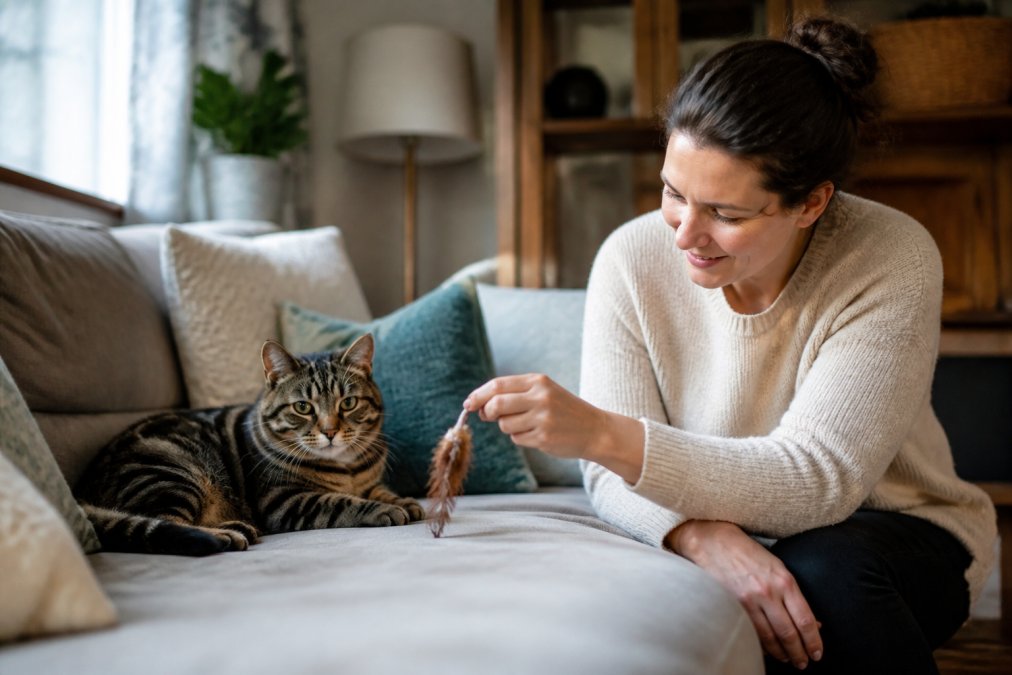
According to the American Association of Feline Practitioners' feline stress guidelines, environmental disruption is one of the leading triggers of stress-related illness in domestic cats, including urinary problems, reduced appetite, and behavioral regression. In-home care preserves all comfort markers a cat relies on.
How Shy and Nervous Cats Respond to In-Home Care
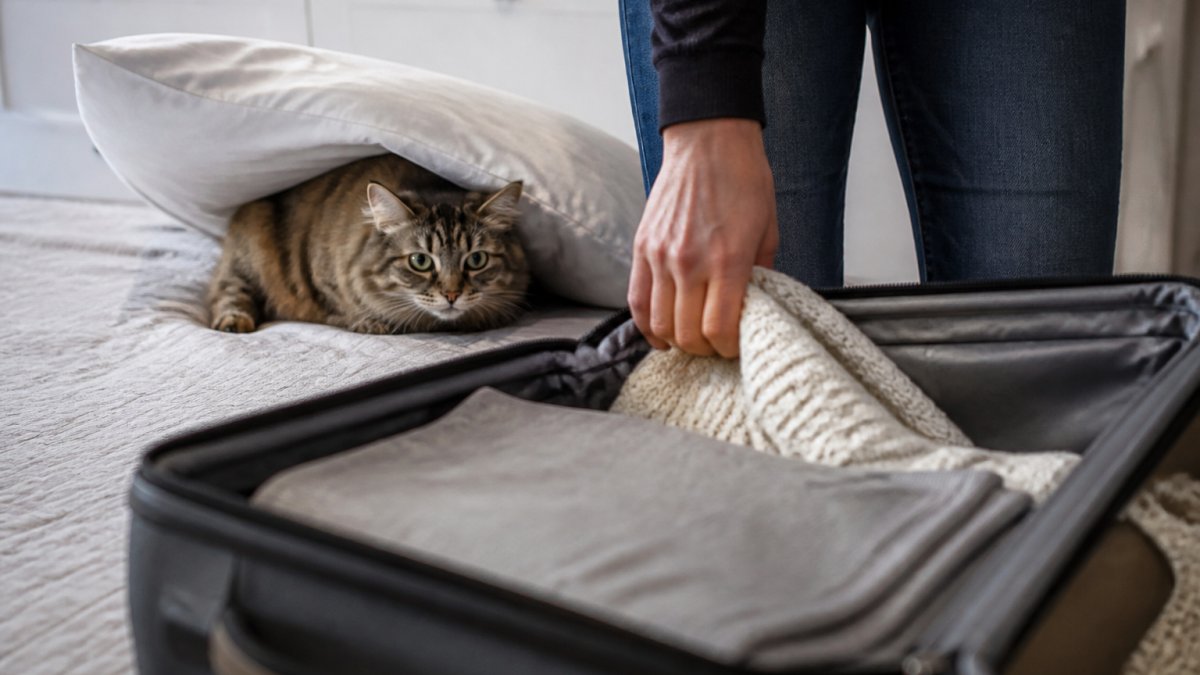
Shy and nervous cats present a specific challenge that boarding facilities cannot handle effectively. A cat that hides under the bed when a stranger arrives will not become sociable in a kennel.
The most effective approach is consistency. A good sitter visits at the same times each day, moves quietly, and never forces interaction. Over multiple visits, most shy cats will emerge to investigate. What matters most is that the cat never has to leave. Forcing a timid cat into a carrier, transporting them, and placing them in a new environment multiplies anxiety significantly. In-home care sidesteps this entirely.
Special Needs Cats: Medication, Insulin, and Health Monitoring
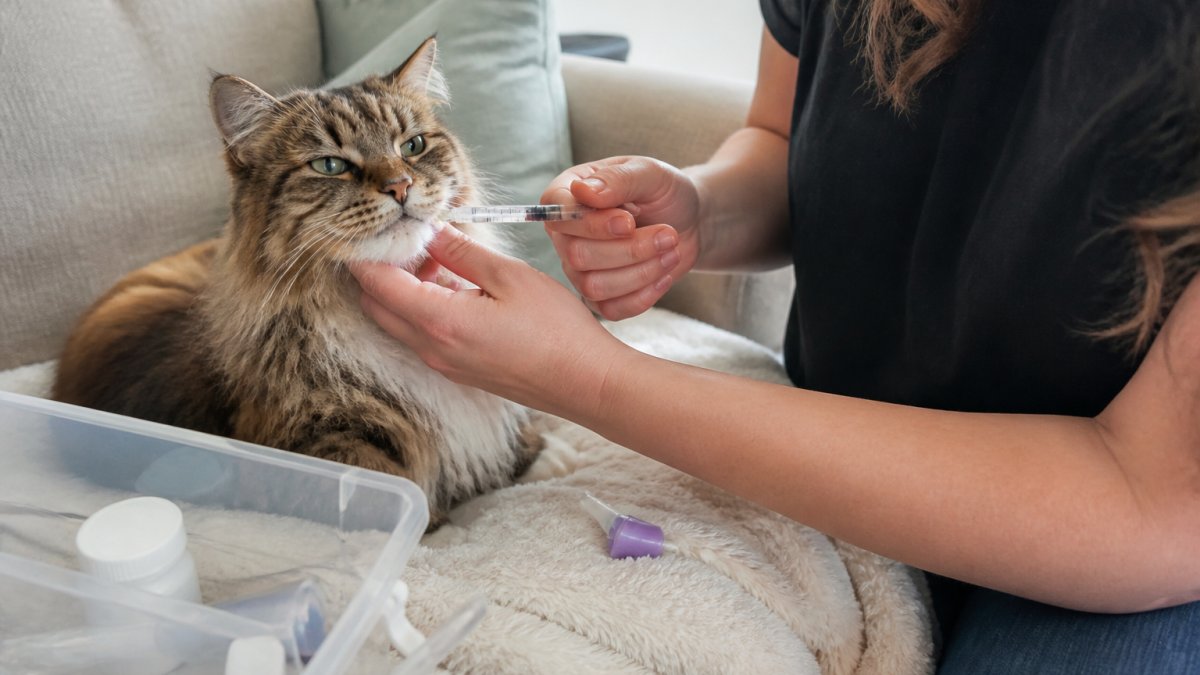
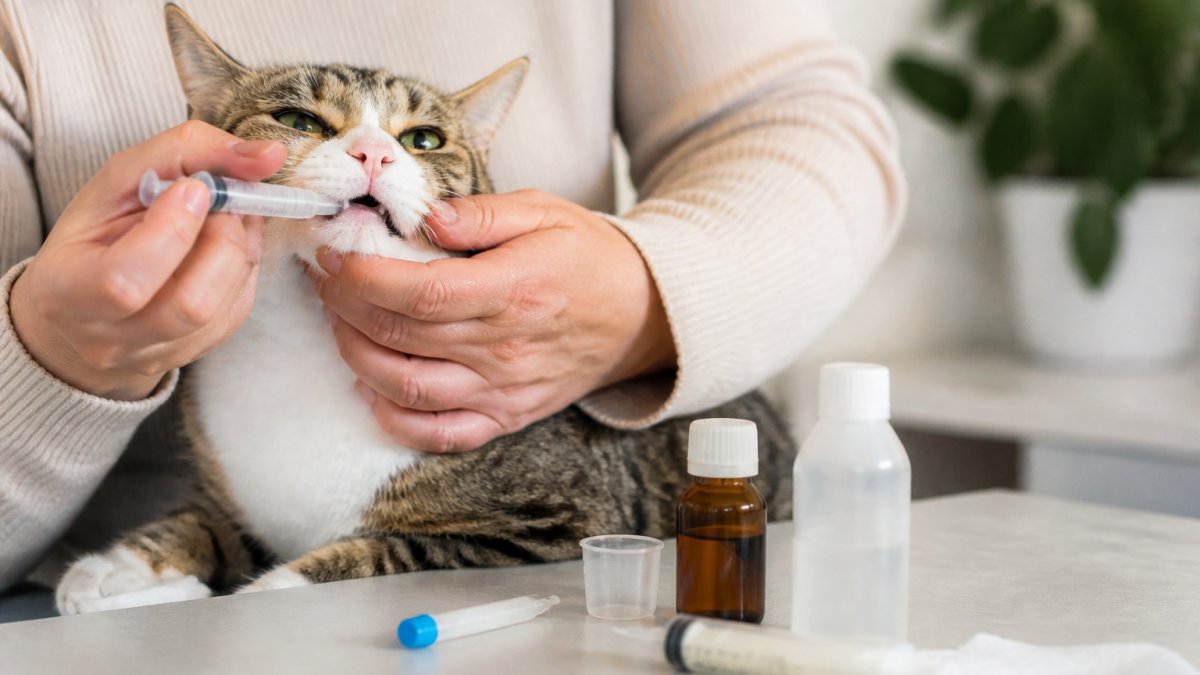
Special needs cats require medication administration on a precise schedule. A qualified in-home sitter handles oral medications, subcutaneous fluids, and insulin injections when trained. Before booking, confirm what your cat needs and ask whether the provider's sitters are equipped to manage it.
Pet health monitoring during each visit, watching for changes in appetite, water intake, mobility, or litter box output, is part of responsible special needs care. This level of attention is simply not available at most boarding facilities.
Average Cost of Cat Sitting Per Day: What to Expect
The average cost of cat sitting per day varies based on visit frequency and service type. In-home care often compares favorably to boarding once you account for no carrier stress, no transport, and no exposure to other animals' illnesses.
Tracy's Kitty Care's cat sitting service is priced at $30 per visit. Each 30-minute visit includes feeding, fresh water, litter box cleaning, and dedicated playtime and attention. For most cats, one visit per day is sufficient for short trips.
| Service Type | What's Included | Typical Visit Length |
|---|---|---|
| Standard in-home visit | Feeding, fresh water, litter box, playtime | 30 minutes |
| Special needs visit | All standard care + medication administration | 30-45 minutes |
| Extended companion visit | All standard care + extended enrichment time | 45-60 minutes |
| House sitting (overnight) | Full-time presence, all care tasks | Overnight |
The $30 per visit price covers professional service from background-checked, insured sitters. Independent sitters may charge less but typically carry no insurance, have no bonding, and offer no accountability if something goes wrong.
Cat Sitting Services in Amherst NY: What a Visit Actually Includes
Cat sitting services in Amherst NY from a professional provider cover considerably more than a quick food refill. A well-run visit follows a consistent protocol. The sitter arrives within the agreed window, checks that the cat is present and behaving normally, then works through care tasks in logical order. Everything is documented.
Daily Check-In Routines and Litter Box Maintenance
Daily check-ins are the backbone of professional cat sitting. Each visit should include a visual health check: is the cat eating? Is their water being used? Are they moving normally? Any deviation gets noted and communicated to the owner.
Litter box maintenance is non-negotiable. A dirty litter box causes cats to avoid it, leading to urinary problems and house soiling. A proper visit includes scooping and, where needed, a full litter change. The sitter should also check food and water levels, refresh both, and note any changes in consumption. A cat that hasn't touched their food in 24 hours needs attention.
Cat Enrichment and Companionship During Each Visit
Cat enrichment is the part of in-home pet sitting that gets undervalued. Cats need stimulation, and a cat left alone for days without meaningful interaction will show it through increased vocalization, destructive behavior, or withdrawal.
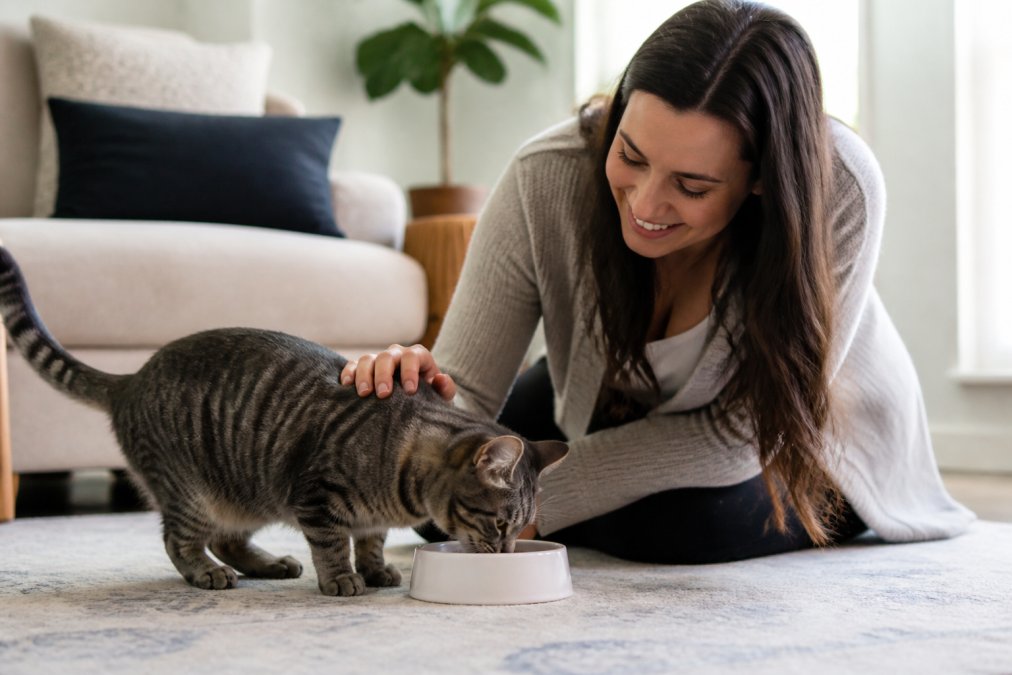
A quality visit includes playtime with the cat's own toys, interactive engagement, and genuine companionship time. For cats that accept it, this means lap time or gentle grooming. For independent cats, it means active play with a wand toy or laser pointer. The goal is to ensure the cat's mental and physical needs are met.
How to Verify a Cat Sitter's Credentials and Trust Signals
Background-checked and insured sitters are the minimum standard for professional pet care. Ask for proof of business insurance and bonding. A licensed, bonded, and insured provider should produce documentation without hesitation.
Background checks are equally important. Ask whether sitters undergo criminal background screening through a third-party service. Self-reported background checks are not meaningful.
Look for:
- Client reviews on independent platforms
- A clear service agreement outlining responsibilities and emergency protocols
- Transparency about backup coverage if a sitter is unavailable
- A meet-and-greet process before the first visit
According to the Pet Sitters International professional standards guide, professional pet sitters should maintain current pet first aid and CPR certification. Ask whether sitters hold this certification.
Questions to Ask a Potential Cat Sitter Before You Book
About credentials and coverage:
- Are you licensed, bonded, and insured? Can you provide documentation?
- Do your sitters undergo third-party background checks?
- What happens if my assigned sitter is unavailable?
About your specific cat:
- Have you worked with shy or nervous cats? What's your approach?
- Can you handle medication administration? What types?
- How do you handle a medical emergency during a visit?
About the service itself:
- What does a standard visit include, and how long does it last?
- How do you communicate with owners during a trip?
- Do you send updates or photos after each visit?
About logistics:
- What is your cancellation policy?
- Do you require a meet-and-greet before the first booking?
- What is your service area?
The answers to these questions tell you more than any marketing copy. A provider who hesitates on credentials or gives vague answers about emergency protocols is one to avoid.
In-Home Pet Sitting Checklist: How to Prepare Your Home
Preparing your home properly for a sitter's arrival makes the entire experience smoother.
Food and water:
- Leave enough food for the full duration of your trip, plus two extra days
- Show the sitter where food is stored and how much to serve per meal
- Leave fresh water accessible in the cat's usual location
- Note any dietary restrictions or feeding schedule variations
Litter box:
- Clean the litter box before you leave
- Leave enough litter for the full trip
- Show the sitter where cleaning supplies are stored
Medications and health:
- Leave all medications clearly labeled with dosage and timing
- Write out administration instructions in plain language
- Include your veterinarian's name and contact number
- Note any symptoms that should trigger an emergency call
Access and safety:
- Provide a working key or door code
- Show the sitter how to arm and disarm any security system
- Identify any rooms that should remain off-limits
- Point out any hazards: loose screens, escape routes, toxic plants
Emergency contacts:
- Leave your cell number and the number of a local emergency contact
- Confirm your vet's emergency after-hours line
- Authorize the sitter in writing to seek emergency veterinary care
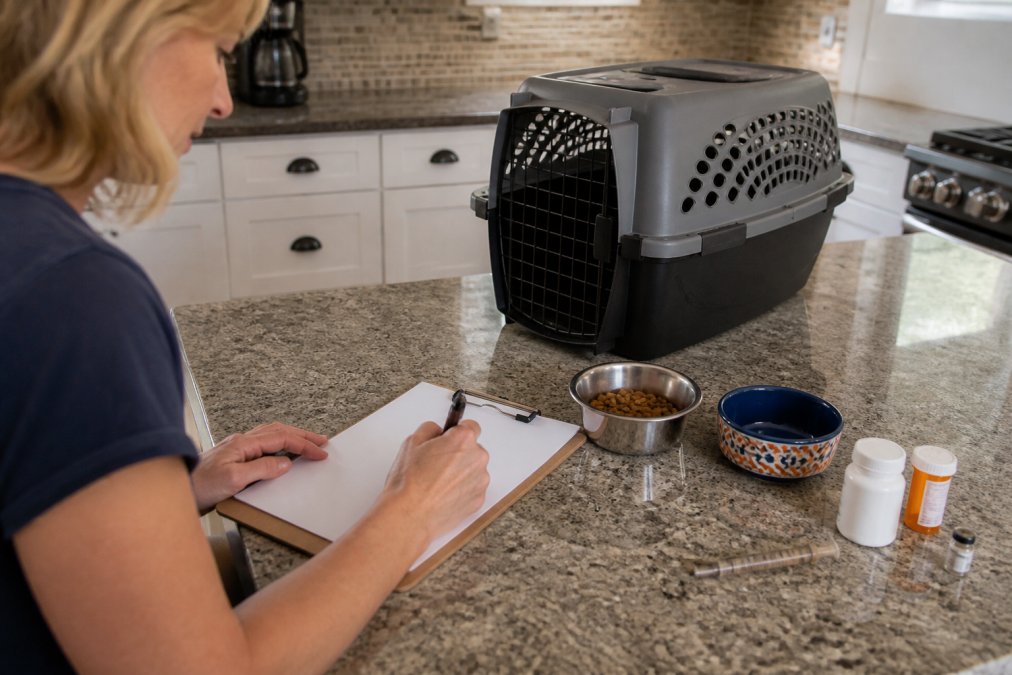
The ASPCA's pet emergency preparedness guidance recommends keeping a written profile for each pet that includes medical history, behavioral notes, and veterinary contacts.
What a Cat Sitting Service Contract Template Should Cover
A cat sitting service contract template protects both the owner and the sitter. A provider who doesn't use one is operating without accountability.
Owner and pet information:
- Owner's name, address, and emergency contact details
- Cat's name, breed, age, and any known health conditions
- Veterinarian's name, clinic, and contact number
Service details:
- Visit schedule: dates, times, and frequency
- Specific tasks included in each visit
- Any special instructions (medication, feeding quirks, behavioral notes)
Financial terms:
- Service rate per visit
- Payment schedule and accepted methods
- Cancellation policy with specific notice periods and any applicable fees
Emergency authorization:
- Written permission for the sitter to seek veterinary care if needed
- Spending limit for emergency treatment, if applicable
- Owner's preference if the cat cannot be stabilized
Liability and insurance:
- Confirmation that the provider carries liability insurance
- Statement of what the provider is and is not responsible for
- Process for reporting damage or incidents
Access terms:
- Key or code handover procedure
- Security system instructions
- Key return policy at the end of the engagement
A clear contract is a sign of professionalism. According to the National Association of Professional Pet Sitters' contract guidelines, a written service agreement is considered an industry best practice and is strongly recommended regardless of the length of the engagement.
Frequently Asked Questions
What is a fair amount to pay a cat sitter per day?
A fair rate depends on what the visit includes. Tracy's Kitty Care charges $30 for a 30-minute visit that covers feeding, fresh water, litter box cleaning, and playtime. Other providers may charge less but skip enrichment or charge extra for medication. For most cat owners, one to two visits per day at that rate is both affordable and sufficient to keep cats healthy and calm while you travel.
What should I ask before hiring a cat sitter?
Ask whether the sitter is background-checked, licensed, bonded, and insured. Confirm they have experience with your cat's specific needs, whether that's medication administration, shy behavior, or multiple pets. Ask how they handle emergencies, what their communication routine looks like during visits, and whether they use a written service agreement. Getting clear answers to these questions upfront protects both your cat and your home.
Is in-home cat sitting better than boarding?
For most cats, yes. Cats are territorial animals that thrive on routine. Staying home means no exposure to unfamiliar animals, no transport stress, and no disruption to their normal feeding and sleep schedule. Shy, anxious, or senior cats especially benefit from consistent in-home cat sitting services rather than boarding. The familiar environment reduces stress, supports normal behavior, and makes it easier for sitters to spot any changes in health or appetite.
How do I verify a local cat sitter's credentials?
Ask directly for proof of insurance, bonding, and licensing, and confirm that background checks are run on all sitters, not just the owner. Reputable providers will share this information without hesitation. Check for client reviews on independent platforms and ask for references from current clients. A professional cat sitting service should also provide a written contract before any visit begins, which is a strong indicator of a legitimate, accountable operation.
Finding reliable, professional cat sitting services takes more than a quick online search. The difference between a stressful trip and a peaceful one often comes down to whether your cat's sitter is genuinely vetted, trained, and accountable. Tracy's Kitty Care provides background-checked, licensed, bonded, and insured in-home cat sitting with a team that specializes exclusively in feline care. Get started with Tracy's Kitty Care and leave knowing your cat is in safe, professional hands.
This article was written using GrandRanker