 blog
Two Cat Sitters vs. One: Which Works Best for Long Trips
Table of Contents
- The Case for Two Cat Sitters on Extended Trips
- Why One Reliable Sitter May Be Sufficient
- Understanding the Cat Sitter Daily Check-In Process
- Building a Cat Sitter Emergency Backup Plan
- Hiring a Licensed and Insured Pet Sitter: What to Look For
- Logistics and Cost: Managing Multiple Sitters vs. Single Coverage
- Frequently Asked Questions
Last Updated: September 30, 2026
The Case for Two Cat Sitters on Extended Trips
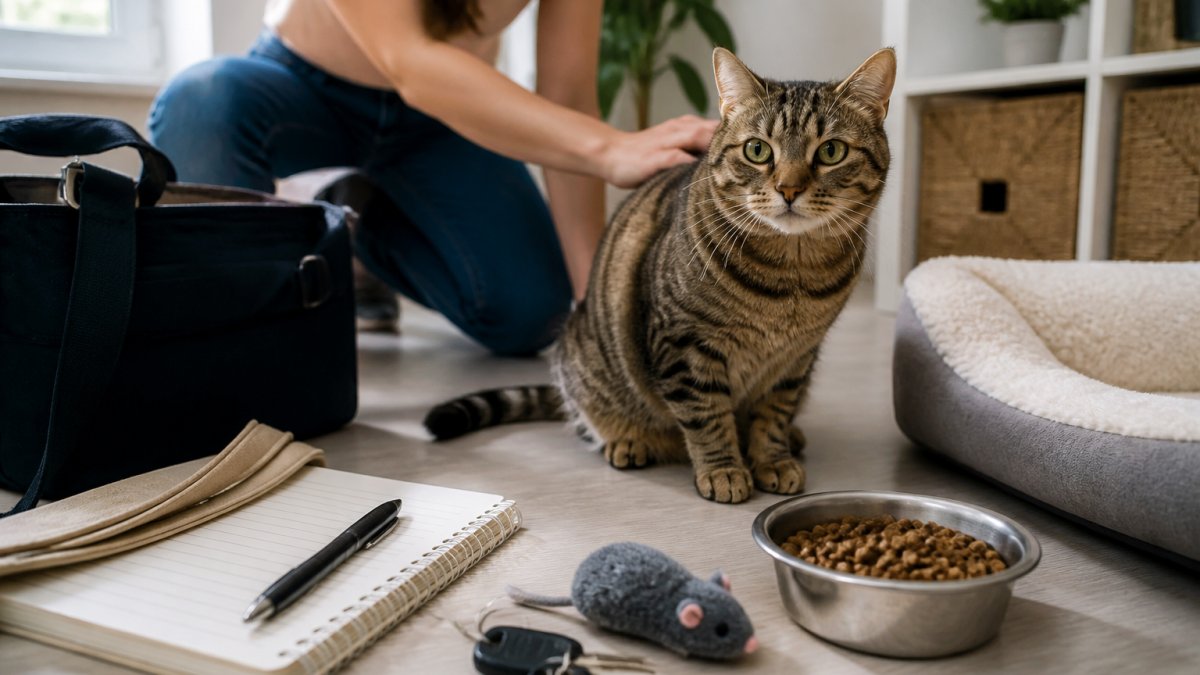
When you're away for more than a few days, cat sitters long trips offer a critical advantage: redundancy. If one sitter gets sick, faces an emergency, or becomes unavailable, your cat still receives care on schedule. This isn't theoretical, it's a practical safeguard that prevents the stress of scrambling for last-minute coverage while you're traveling.
A second sitter also maintains routine when one is unavailable. For cats with anxiety or behavioral sensitivities, this continuity reduces stress and keeps the familiar environment stable.
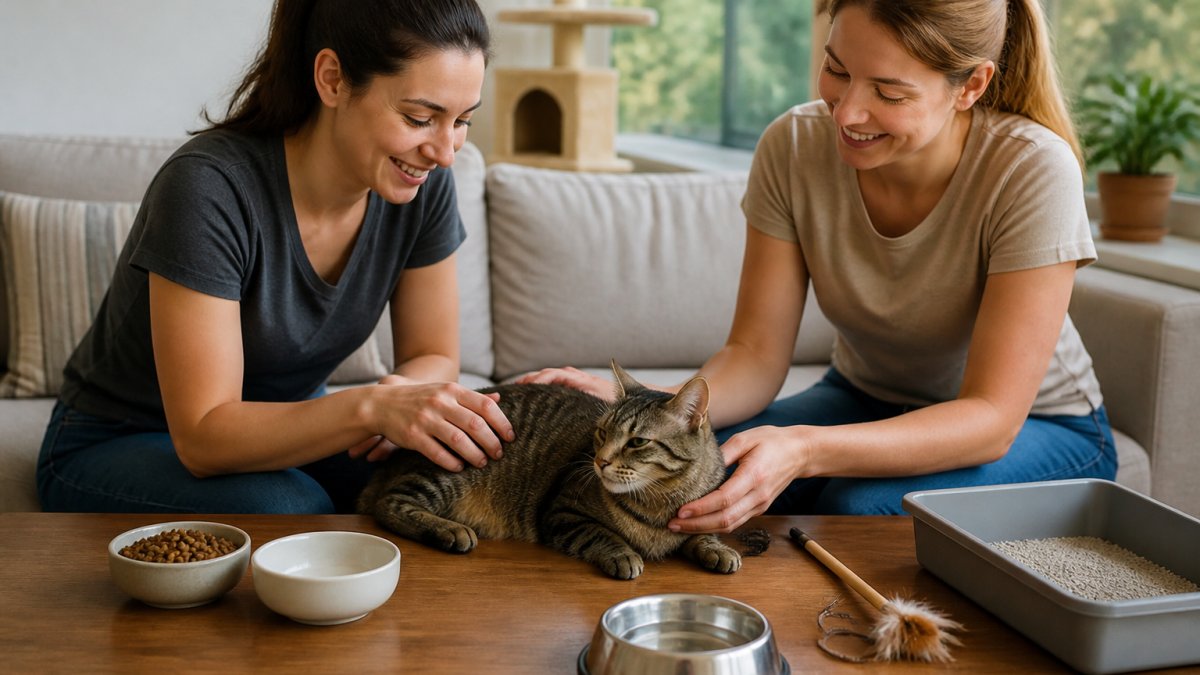
Two sitters also divide responsibility in ways that reduce errors. One person handles feeding and water while the other focuses on litter box maintenance and medication administration. This division of labor, especially critical for cats requiring insulin injections or other medical care, means each task receives dedicated attention. Our background-checked, licensed, bonded, and insured sitters ensure nothing gets overlooked during extended trips.
Why One Reliable Sitter May Be Sufficient
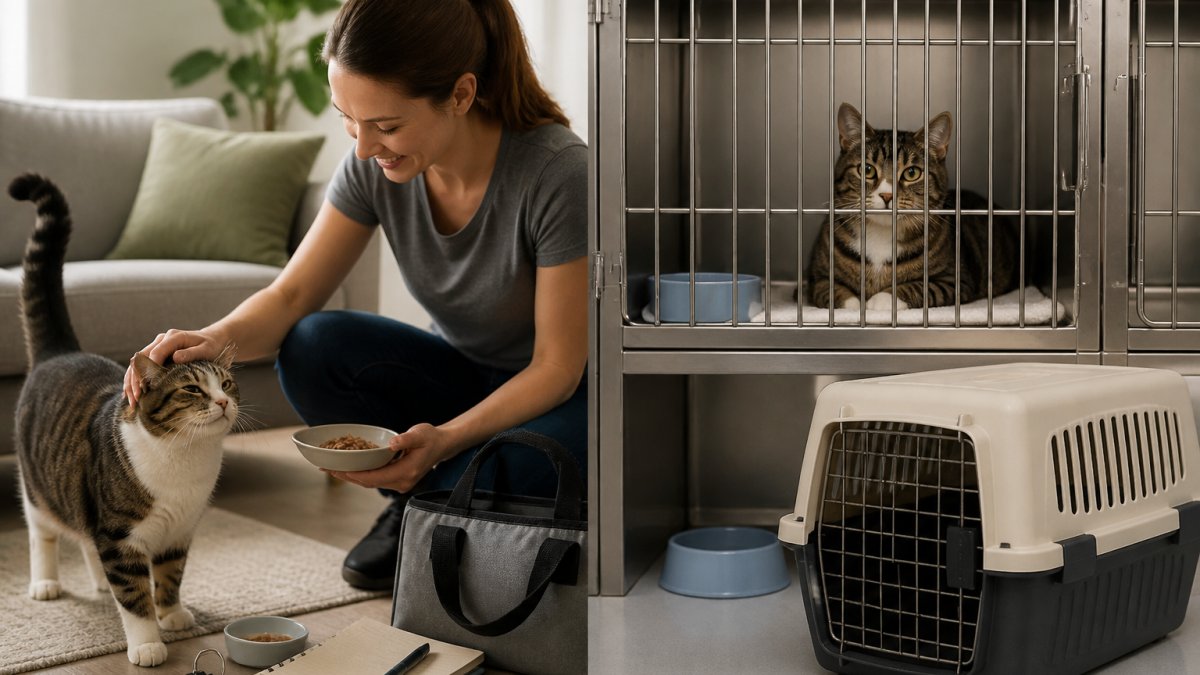
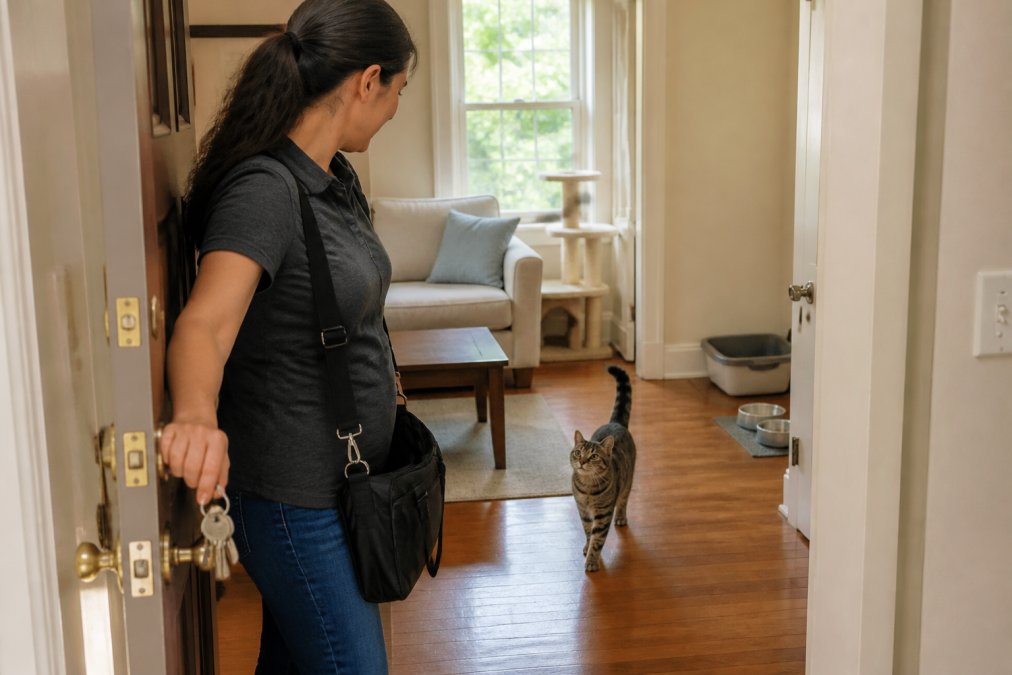
A single, highly vetted sitter works for short absences (weekend getaways or 3-day trips) if your cat is social, adaptable, and has no medical needs.
One sitter simplifies logistics: a single point of contact, one set of instructions, and one payment arrangement.
A licensed, insured professional who has cared for your cat before understands their temperament, dietary needs, and behavioral quirks, familiarity that can outweigh the redundancy benefit of a second sitter.
Single-sitter arrangements carry hidden risks: illness, family emergencies, or scheduling conflicts leave your cat without care. For trips longer than a week, this vulnerability is significant.
Understanding the Cat Sitter Daily Check-In Process
A professional cat sitter's 30-minute daily check-in can include feeding, fresh water, litter box cleaning, and playtime, maintaining physical health and mental stimulation.
A skilled sitter observes behavior and health status, noting changes in appetite, litter box habits, or energy levels. This monitoring catches emerging problems early, a cat refusing food or showing lethargy may signal illness requiring veterinary attention.
Daily check-ins maintain routine and security. Cats thrive on predictability; knowing someone arrives at the same time each day reduces anxiety and becomes comforting over time.
For cats requiring medication, insulin injections, thyroid medication, or behavioral supplements, the daily check-in is essential. Tracy's Kitty Care sitters are equipped to handle medication protocols, giving you peace of mind that your cat's health management continues seamlessly while you travel.
Building a Cat Sitter Emergency Backup Plan
An emergency backup plan requires identifying a second sitter and establishing clear protocols for home access, liability, and veterinary authorization.
Identifying and Vetting Your Backup Sitter
Identify a backup sitter before you need one, a trusted friend, family member, or second professional. Establish the relationship and share care instructions in advance. If using a professional service, ask whether they have backup sitters on staff already familiar with your cat.
If your backup is a friend or family member, schedule a practice visit before your trip to demonstrate feeding, litter box maintenance, and medication administration. This builds confidence and reveals gaps in your instructions.
Home Access and Key Exchange Security
Multiple people with home access during a long trip introduces security risks requiring careful planning.
Establish a clear key exchange protocol:
- Use a secure lockbox with a combination code stored in a less obvious location (garden shed or deck railing).
- Provide each sitter with the code separately and change it after your trip.
- For keypad entry systems, create a temporary access code valid only for your travel dates; most smart locks allow time-limited codes through a mobile app.
- Never give a sitter access to your car, mailbox, or other property.
Brief both sitters on security: lock the door immediately after entering and exiting, don't prop it open, don't discuss your absence publicly, and report any signs of tampering or unusual activity immediately.
Notify a trusted neighbor that sitters will be visiting; they're more likely to notice and report suspicious activity.
Veterinary Authorization and Emergency Protocols
Create a written veterinary authorization document stating your cat's name, age, chronic conditions, veterinarian contact information, authorization for emergency care up to a specified cost threshold, and your contact information.
Provide this document to both sitters. Call your veterinarian in advance to confirm what authorization they require.
Provide sitters with the location of medical records, vaccination certificates, and medications. The vet will need to know about existing conditions, allergies, and current medications.
Documentation and Accessibility
Create a printed binder or digital document including: feeding schedule and dietary restrictions, medication protocols, litter box location, behavioral quirks, veterinary contact information, your contact information, photos of your cat, and Wi-Fi password.
Leave this binder in a visible location, like the kitchen counter or near the cat's food bowls. If your backup sitter is a professional, upload the information to a secure platform so they can access it remotely.
Communication Protocol During Your Trip
Establish communication protocols: provide your cell phone, email, emergency contact number, and preferred communication method (text, call, or email).
Clarify when sitters should contact you: a cat refusing food warrants an email; vomiting or inability to urinate warrants a phone call and vet visit.
Liability and Insurance
Verify professional sitters carry liability insurance. Ask for proof before hiring.
If your backup is a friend or family member, check your homeowner's insurance policy to confirm coverage for liability and pet-related incidents.
Cat sitters long trips, combined with clear protocols for home access, veterinary authorization, and emergency communication, ensure your cat's care continues uninterrupted. For trips longer than a week, this preparation is essential.
Hiring a Licensed and Insured Pet Sitter: What to Look For
Look for a sitter who is licensed, bonded, and insured, credentials that indicate background checks, liability coverage, and accountability.
Ask about their experience with cats specifically. Sitters who specialize in cats understand feline behavior more deeply and recognize stress signals.
Request references from cat owners with similar situations (multi-cat households, medical needs, anxious animals). Ask about response time, flexibility, and communication style.
Verify their key exchange and home security practices. Ask how they handle unexpected situations like a door that won't lock or an escaped cat.
Logistics and Cost: Managing Multiple Sitters vs. Single Coverage
Tracy's Kitty Care's 30-minute cat sitting service costs $30.00. For a 7-day trip with once-daily visits, a single sitter from Tracy's Kitty Care would cost $210. Two sitters sharing the load may cost approximately the same, but operational complexity increases.
The Tag-Team Communication Challenge
Two sitters require coordination: both must know visit schedules, medication responsibilities, communication protocols, and whether the cat has already been fed (critical to prevent double-feeding).
Many cat owners assume their two sitters will naturally coordinate. They don't. Without explicit protocols, Sitter A may feed your cat at 8 a.m., and Sitter B, unaware, feeds again at 6 p.m., a mistake that causes digestive upset and undermines trust in the arrangement. The solution is a shared digital log or checklist that both sitters access and update after each visit. If you're using independent sitters, a simple shared Google Sheet or a printed checklist left in a visible location (kitchen counter, near the food bowls) prevents these errors.
Medication and Health Monitoring Across Two Sitters
For cats requiring medication, the two-sitter model introduces additional risk if not managed carefully.
Scheduling and Backup Logistics
| Trip Duration | Single Sitter (once daily) | Two Sitters (alternating days) | Two Sitters (same day, different times) |
|---|---|---|---|
| 3 days | $75-$105 | $75-$105 | $150-$210 |
| 7 days | $175-$245 | $175-$245 | $350-$490 |
| 14 days | $350-$490 | $350-$490 | $700-$980 |
Hidden Costs of Single-Sitter Reliance
Key Takeaway on Logistics
Frequently Asked Questions
How many times a day should a cat sitter visit during a long trip?
For trips lasting more than 24 hours, cats benefit from at least one daily visit, ideally at the same time each day to maintain their routine. Twice-daily visits (morning and evening) are optimal for cats with medical needs, behavioral concerns, or those prone to separation anxiety. The frequency depends on your cat's age, health status, and temperament. Shy or nervous cats may adjust better with consistent single visits rather than multiple different sitters disrupting their environment.
What are red flags when hiring a licensed and insured pet sitter?
Avoid sitters who cannot provide proof of background checks, licensing, or insurance coverage. Be cautious of those unwilling to discuss your cat's specific needs, medication administration, or emergency protocols. Red flags include vague responses about experience with cats, reluctance to provide references, or pressure to book without a meet-and-greet. Trustworthy sitters ask detailed questions about your cat's behavior, dietary requirements, and health conditions before your trip.
Is it better to have a backup sitter for long-term travel?
A backup sitter provides critical protection against illness, emergency, or scheduling conflicts. For trips exceeding one week, having a secondary sitter ensures continuous care if your primary sitter becomes unavailable. The backup doesn't need to visit as frequently, but should be familiar with your home, cat, and care instructions. This approach eliminates the stress of scrambling for last-minute coverage and protects your cat from missed meals or litter box maintenance during extended absences.
How do I know if my cat will be stressed by having two different sitters?
Cats thrive on routine and familiar environments. A single trusted sitter minimizes stress by providing consistent handling and predictable visits. However, if one sitter becomes unavailable, your cat may experience more stress from missed care than from meeting a second sitter. The key is proper introduction: have both sitters meet your cat before your trip so the animal recognizes them. Many cats adjust well to two sitters if visits remain consistent in timing and care routine.