 how-to
Cat Sitter for Short Trips: A Complete Guide
Table of Contents
- Why a Cat Sitter Makes Sense for Short Trips
- Questions to Ask a Potential Cat Sitter
- Cat Sitter Checklist for Short Trips
- Preparing Your Home and Setting Up a Daily Routine
- Drop-In Visits vs. Overnight Stays: Which Option Fits Your Trip
- Managing Cat Anxiety During Your Absence
- Cost Comparison: In-Home Sitting vs. Boarding Facilities
- Conclusion
Last Updated: August 18, 2026
Why a Cat Sitter Makes Sense for Short Trips
When you're away for a few days, your cat faces disrupted routines and stress from unfamiliar surroundings if boarded elsewhere. A cat sitter for short trips brings professional care directly to your home, keeping your cat in their familiar environment where they feel safe and maintaining their normal schedule.
Cats are territorial animals that thrive on consistency and control. Boarding facilities, even good ones, disrupt both. A sitter who visits your home keeps everything exactly as your cat expects it, reducing anxiety and preventing stress-related behaviors. For shy, nervous, or special-needs cats, this difference is profound.
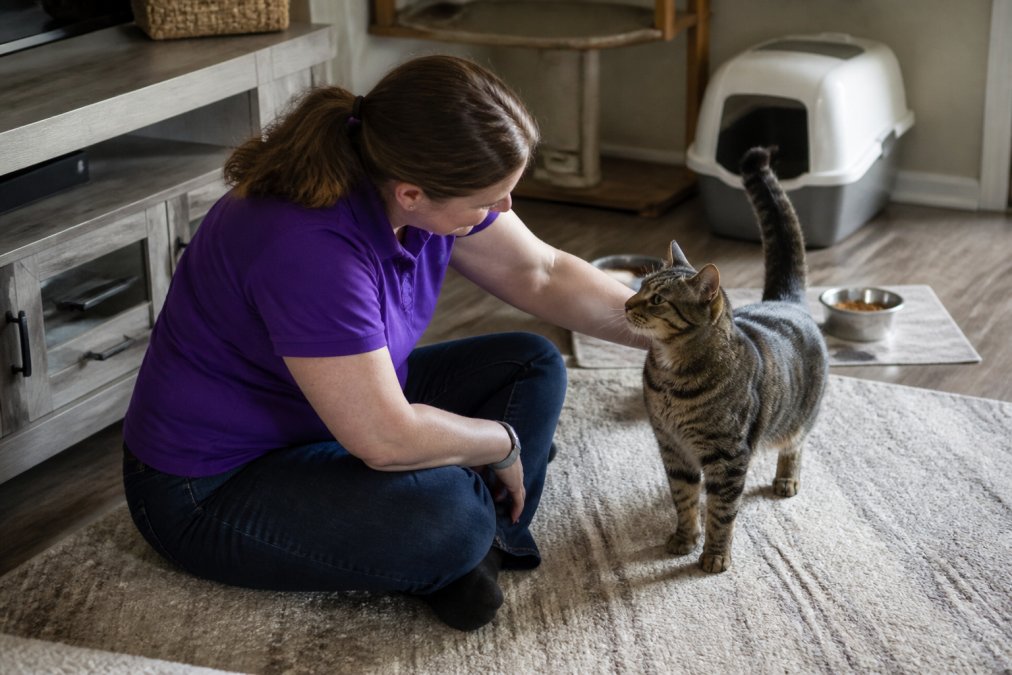
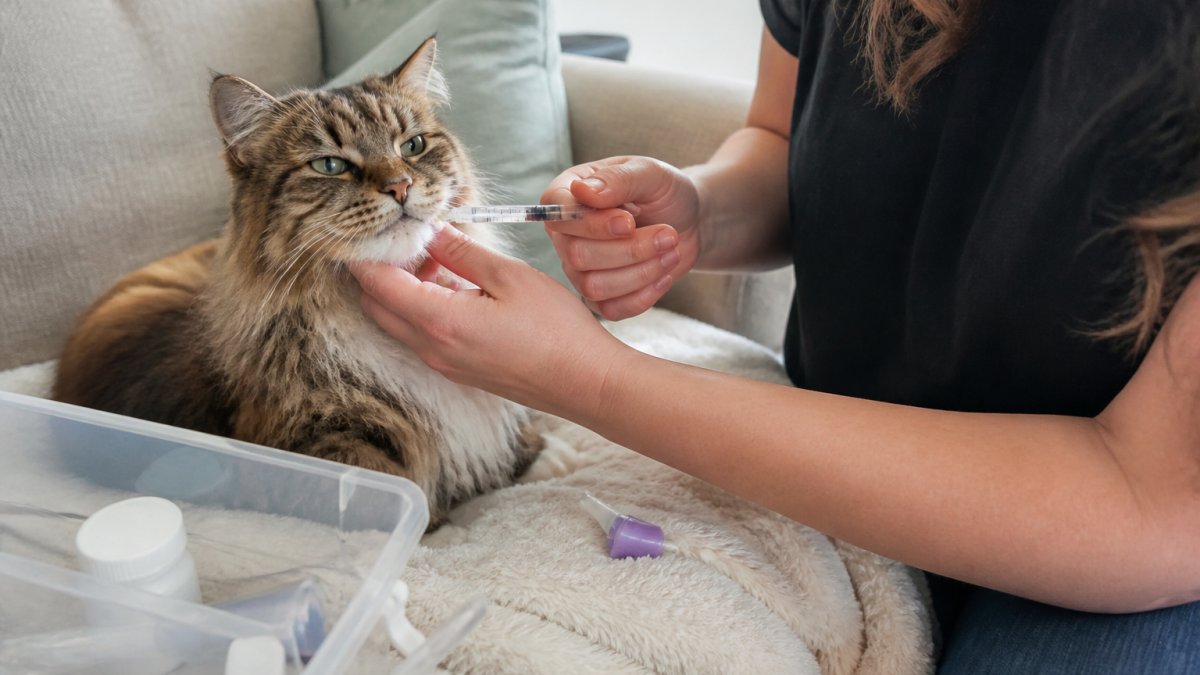
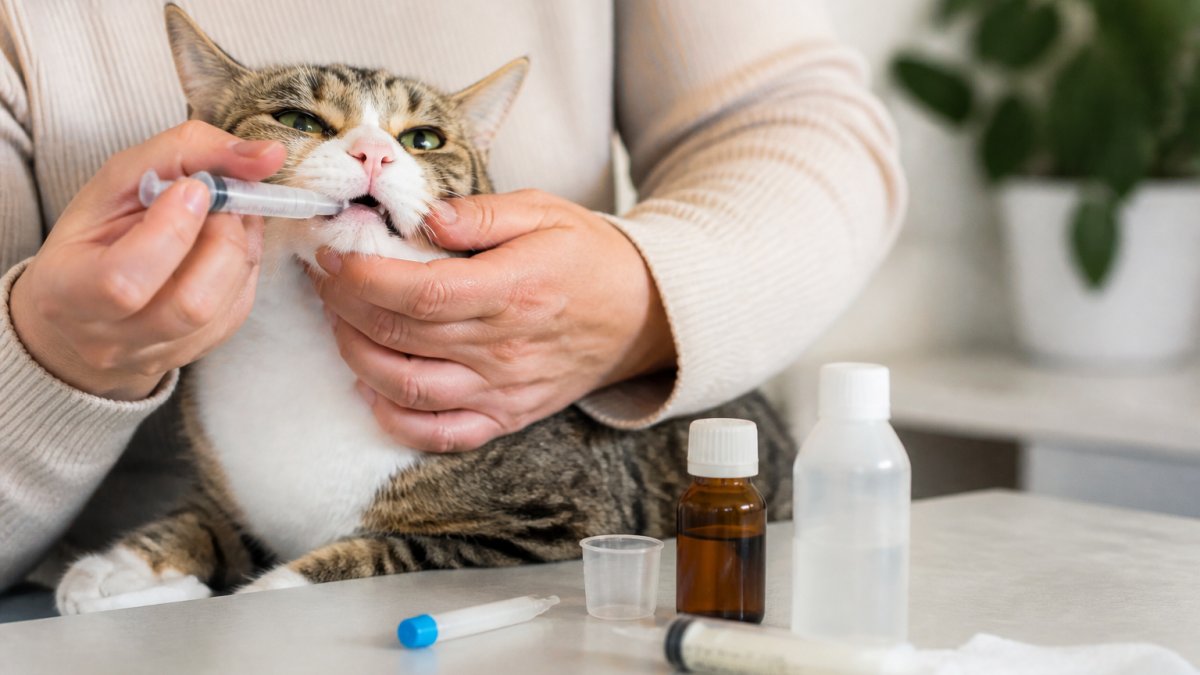
If your cat requires medication, a trained sitter administers it on schedule without transport stress. A sitter also maintains litter box hygiene, ensures fresh water is available, and provides enrichment that keeps cats mentally stimulated while you're gone.
In-home sitting is often cheaper than boarding when you factor in stress-related vet bills that sometimes follow facility stays. Your cat avoids illness exposure, behavioral regression, and the anxiety that can trigger digestive issues or litter box problems for weeks afterward.
Questions to Ask a Potential Cat Sitter
Before hiring anyone to care for your cat, ask specific questions that reveal genuine qualification.
Credentials and Background Verification
Ask directly: "Are you background-checked, licensed, bonded, and insured?" Background checks catch criminal history. Bonding protects you financially if something goes wrong. Insurance covers liability if the sitter is injured on your property.

Request references from other cat owners, ideally with similar cats. Call at least two and ask: "How did the sitter handle your cat's personality?" and "Did your cat show any stress or behavior changes after visits?"
Inquire about training. Have they completed formal pet-sitting certification? Do they have CPR and first aid training for animals? Ask about their experience with medication administration. If your cat needs injections, can they do them? A hesitant answer is a red flag.
Experience with Shy, Anxious, or Special-Needs Cats
Ask: "How do you handle cats that are fearful or anxious?" Listen for specifics about giving cats time to adjust and avoiding forced interaction. For your specific cat, ask how they'd ensure eating if your cat hides. A good sitter has a strategy.
For cats with special needs, ask whether they've cared for similar cases and request they walk you through their protocol. How would they handle medication refusal? A seizure? A professional sitter should have thought through these scenarios.
Cat Sitter Checklist for Short Trips
This checklist ensures you and your sitter are aligned before you leave.
Pre-Trip Consultation and Documentation
Schedule a face-to-face meeting at least one week before your trip. Your cat needs to meet the sitter in a low-pressure environment. Your sitter needs to see your home layout and how your cat responds to them.
Create written documentation: your cat's daily routine, feeding times, portion sizes, water preferences, playtime preferences, and behavioral quirks. Include your cat's full name, age, medical history, current medications with dosages and administration times. Write step-by-step instructions for anything non-obvious: "She only eats if the bowl is on tile, not carpet."
Provide clear photos of your cat from multiple angles. Include photos of normal behavior and what abnormal behavior looks like for reference in emergencies.
Emergency Protocols and Veterinary Information
Write down your veterinarian's full name, clinic address, phone number, and hours. Include after-hours emergency clinic information and provide your vet's authorization to discuss your cat's care with your sitter.
Create a detailed emergency protocol: "If my cat is not eating, contact [vet name] immediately. If she vomits more than once, contact the emergency clinic." Be specific about what constitutes an emergency requiring immediate vet care versus something that can wait.
Leave your contact information, travel itinerary with phone numbers, and a trusted friend or family member's contact who can authorize emergency vet care if you're unreachable. Provide copies of recent vet records, vaccination records, and allergy information. Leave a signed authorization form allowing your vet to discuss your cat's care with your sitter and treat your cat in an emergency.
Preparing Your Home and Setting Up a Daily Routine
Your home should be set up so your sitter can care for your cat efficiently and your cat maintains normal routines.
Ensure your sitter can enter easily. Discuss key exchange logistics: hidden key, keypad, or neighbor storage. Make the process simple and secure.
Set up a designated care station with food and water bowls in a consistent location. Leave feeding instructions in writing: "One can of chicken pâté, twice daily, 7 AM and 5 PM." Use an automated feeder for dry food if applicable.
Place the litter box in a quiet, accessible location away from food and water bowls. Leave litter box maintenance instructions and a small bag of your current litter so the sitter uses the same brand.
Set up enrichment stations with toys, window perches, or interactive feeders in places your cat frequents. Leave written instructions for anything unusual: "He gets anxious at 4 PM; this is normal. Offer playtime." Provide your sitter with a phone number or email for non-emergency questions.
Drop-In Visits vs. Overnight Stays: Which Option Fits Your Trip
For short trips, you have two main options: drop-in visits where the sitter comes multiple times daily, or overnight stays.
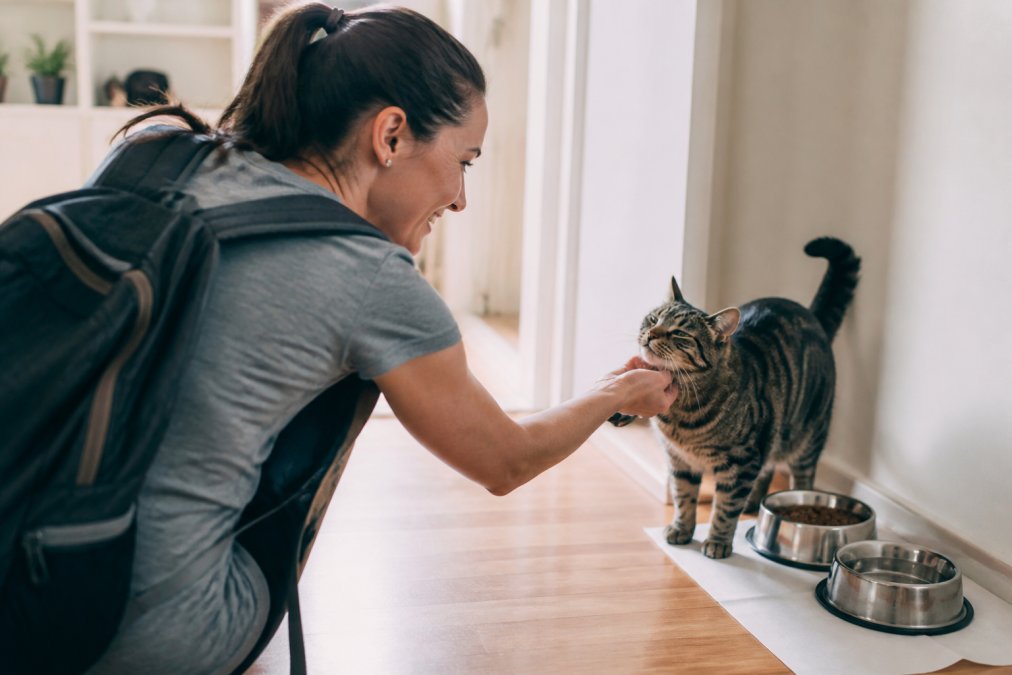
Drop-in visits work well for trips of two to five days. A sitter typically visits twice daily: morning for feeding, litter box cleaning, and playtime, then evening for feeding, fresh water, and interaction. This maintains your cat's routine and costs less than overnight care. Most cats handle two daily visits well.
The downside: your cat is alone between visits. For most adult cats, this is fine since they sleep 12-16 hours daily. But for anxious cats or those with separation anxiety, the alone time can be stressful.
Overnight stays are ideal for trips longer than five days or for cats that struggle with alone time. Your sitter is present during evening and morning, providing company and ensuring immediate response to any issues. This is essential for cats with medical conditions requiring frequent monitoring.
For short trips of two to four days, drop-in visits are usually sufficient and more economical. A cat sitting service like Tracy's Kitty Care offers 30-minute drop-in visits that include feeding, fresh water, litter box cleaning, and playtime. For most cats, two daily visits maintain routine and prevent stress.
Managing Cat Anxiety During Your Absence
Even with a sitter present, some cats experience separation anxiety. Understanding this helps you and your sitter manage it effectively.
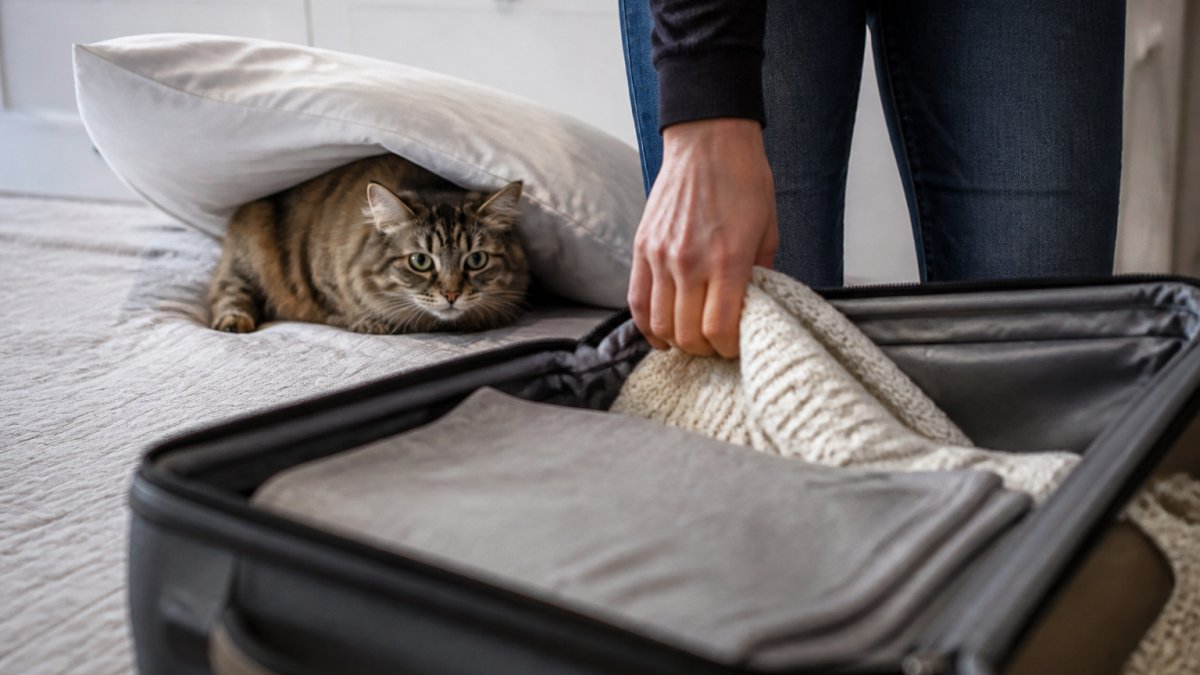
Cats don't understand that you're coming back. Anxiety manifests as hiding, reduced eating, excessive vocalization, or litter box avoidance. Some cats become destructive or stop grooming.
Start preparing weeks before your trip. Gradually acclimate your cat to your sitter's presence through multiple visits before your trip. This builds familiarity and reduces shock.
Use pheromone products like Feliway, which create a calming effect. Plug one in a few days before you leave. Some cats respond well to calming supplements or medications prescribed by your vet.
Maintain extreme consistency in routine. Feed at exact same times every day for a week before you leave. Your sitter should maintain this identical routine. Predictability reduces anxiety.
Leave an item with your scent: a worn t-shirt or blanket. Ensure your sitter knows your cat's anxiety signs and won't force interaction, which would increase stress.
Cost Comparison: In-Home Sitting vs. Boarding Facilities
In-home sitting costs $30 for a 30-minute drop-in visit. For a three-day trip with twice-daily visits, that's six visits: $180. For a five-day trip, that's ten visits: $300.
Boarding facilities typically charge $25-50 per day. A three-day stay might cost $75-150. A five-day stay might cost $125-250. On the surface, boarding seems cheaper.
But boarding doesn't include veterinary care or medications. If your cat becomes stressed and develops a urinary blockage or other stress-related condition, emergency vet bills can easily exceed $1,000. Cats that return from boarding often exhibit stress behaviors for weeks, requiring additional vet visits.
In-home sitting avoids these complications. Your cat stays home, maintains routine, and avoids illness exposure. The sitter handles medications on schedule. There are no stress-related health consequences. The total cost is predictable and usually comparable to boarding, often lower when you factor in post-boarding vet visits.
For cats with medical needs, in-home sitting is often the only practical option since a sitter can administer insulin at precise times.
Finding reliable care for your cat during short trips shouldn't require choosing between your cat's comfort and your travel plans. When you book a cat sitting service with Tracy's Kitty Care, you're not just hiring someone to visit your home, you're gaining a trusted partner who ensures your cat stays calm, healthy, and happy while you're away. Our background-checked, licensed, and insured sitters understand feline behavior and can handle everything from routine feeding and litter box maintenance to medication administration. The American Veterinary Medical Association emphasizes that maintaining a cat's home environment reduces stress-related health issues. Travel with confidence, knowing your cat is receiving the professional attention they deserve in the comfort of their own home.
Frequently Asked Questions
How much does a cat sitter cost for a short trip?
Professional in-home cat sitting typically costs $30 for a 30-minute visit, which includes feeding, fresh water, litter box cleaning, and playtime. For a weekend trip (2-3 days), you might need one or two visits per day depending on your cat's needs. This is often comparable to or less expensive than boarding facilities when you factor in reduced stress on your cat and the convenience of in-home care.
What questions should I ask a potential cat sitter before hiring?
Ask about their background check, licensing, bonding, and insurance status. Inquire about their experience with shy or anxious cats, medication administration, and emergency protocols. Request references from other cat owners and clarify their cancellation policy. Ask how they handle behavioral changes and what they'll do if your cat seems unwell. Understanding their communication methods during your absence is also important for peace of mind.
Is in-home cat sitting better than boarding for short trips?
In-home cat sitting offers significant advantages for short trips. Your cat stays in their familiar environment, reducing stress and anxiety. Sitters maintain your cat's regular routine, which is especially important for cats with medication needs or behavioral sensitivities. Your home remains monitored, and shy cats often adjust better to a visiting sitter than to a noisy boarding facility. For cats with special needs, in-home care is typically the safer and more comfortable choice.
What should I include in a cat sitter checklist before I leave?
Provide detailed feeding instructions, medication schedules, and behavioral notes. Leave your veterinarian's contact information, your cat's medical history, and authorization for emergency vet care. Show the sitter where supplies are kept and your cat's preferred hiding spots. Include emergency contact numbers for yourself and a trusted backup. Document any behavioral cues that indicate stress or illness, and establish a communication protocol for daily updates or concerns.
This article was written using GrandRanker