 blog
Best Cat Sitter in Amherst: How to Find Trusted Care
Table of Contents
- Why In-Home Cat Sitting Matters More Than You Think
- Average Hourly Rates for Cat Sitting Services
- Questions to Ask a Potential Cat Sitter Before Booking
- How to Prepare Your Home for a Cat Sitter
- What Makes a Cat Sitter Truly Trustworthy
- Cat-Specific Care: Handling Shy Cats and Medical Needs
- Finding the Right Cat Sitter in Amherst
- Frequently Asked Questions
Last Updated: September 4, 2026
Leaving a cat behind while you travel is rarely a simple decision, and finding the best cat sitter in Amherst often comes down to trust over convenience. At Tracy's Kitty Care, we have spent years watching cat owners weigh the stress of boarding against the comfort of keeping their pet at home. The reality is that most cats thrive in familiar surroundings, which is why in-home care has become the preferred choice for many owners in the Amherst area. This guide breaks down what quality care looks like, what it costs, and the specific questions you should ask before handing over your keys.
The gap between a good experience and a stressful one usually comes down to preparation. A professional sitter does more than fill a bowl and scoop a box; they monitor health, adapt to your cat's personality, and provide the quiet companionship that keeps anxiety low. Below, we will show you exactly how to vet a sitter, prepare your home, and ensure your cat gets the attention they deserve while you are away.
Why In-Home Cat Sitting Matters More Than You Think
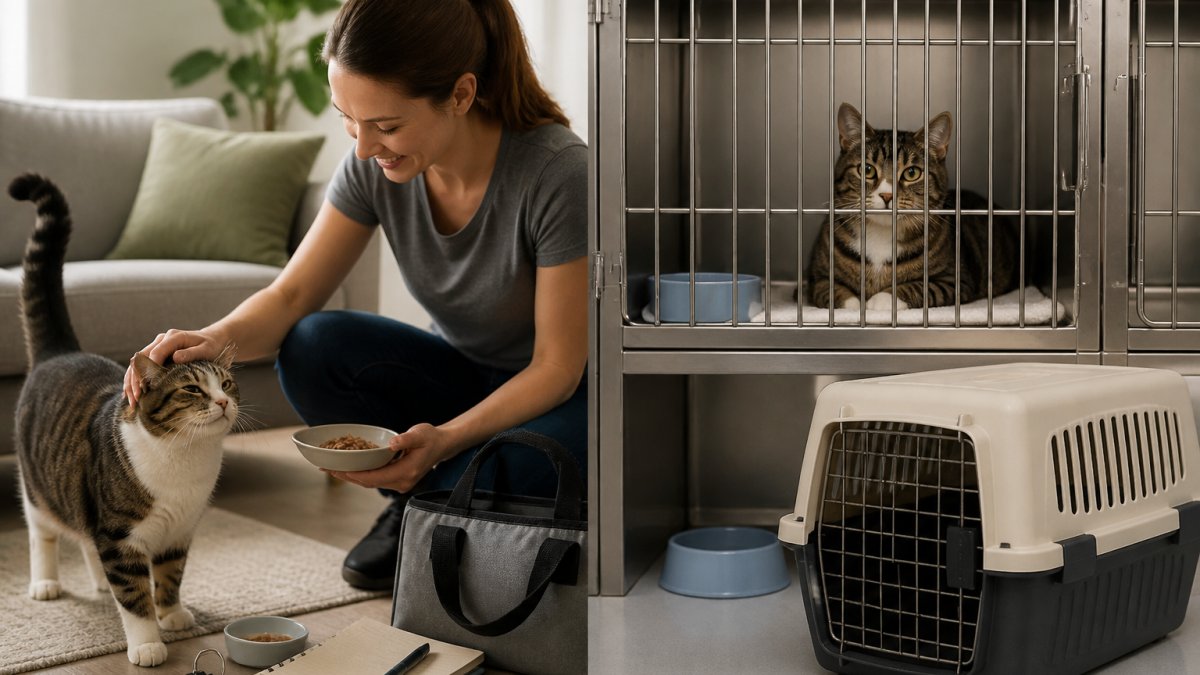
Cats are creatures of habit, and their territory is their security. Removing them from that territory to a boarding facility introduces unfamiliar sounds, smells, and other animals, which can trigger stress-related behaviors like hiding, over-grooming, or refusing to eat. In-home cat sitting keeps your pet in their established environment, maintaining their routine for feeding, play, and rest without disruption.
This approach also reduces exposure to illnesses that can spread in facilities with multiple animals. A sitter who visits your home provides one-on-one attention, which means your cat gets personalized care rather than being one of many. For owners of shy or nervous cats, the benefit is even clearer: a calm, familiar space helps them adjust to a stranger far more easily than a cage in a busy facility.
Average Hourly Rates for Cat Sitting Services
Pricing for in-home cat care in the Amherst area generally falls into a predictable range based on visit length and the level of service. Standard visits typically last around 30 minutes and cover feeding, fresh water, litter box maintenance, and playtime or attention. Many owners find that the cost of a professional visit is comparable to boarding once you factor in the reduced stress for the cat and the added security of someone checking on your home.
When comparing rates, ask what the visit includes beyond the basics. Some sitters charge extra for medication administration or additional visits during the day, while others bundle these into a single rate. A clear pricing structure matters as much as the total cost, so you are not surprised by add-ons later. For reference, Tracy's Kitty Care offers a 30-minute cat sitting service at $30.00, which includes feeding, fresh water, litter box cleaning, and dedicated playtime or attention.
Questions to Ask a Potential Cat Sitter Before Booking
Interviewing a sitter is your first line of defense against a bad experience. Ask about their experience specifically with cats, not just pets in general, since feline behavior differs significantly from dogs. Inquire about their process for handling a cat that hides or refuses to eat, and listen for answers that show patience and a cat-first approach.
Key questions to cover include:
- Are you licensed, bonded, and insured, and are your sitters background-checked?
- How do you handle medical emergencies or a cat that becomes ill during a visit?
- Can you administer medications, including injections, if my cat requires them?
- Will you provide updates with photos or messages after each visit?
- What is your cancellation policy if my travel plans change?
These questions to ask a potential cat sitter are not just about logistics; they reveal how the sitter thinks about safety and communication. A professional will answer confidently and may even offer a meet-and-greet before the first booking.
How to Prepare Your Home for a Cat Sitter
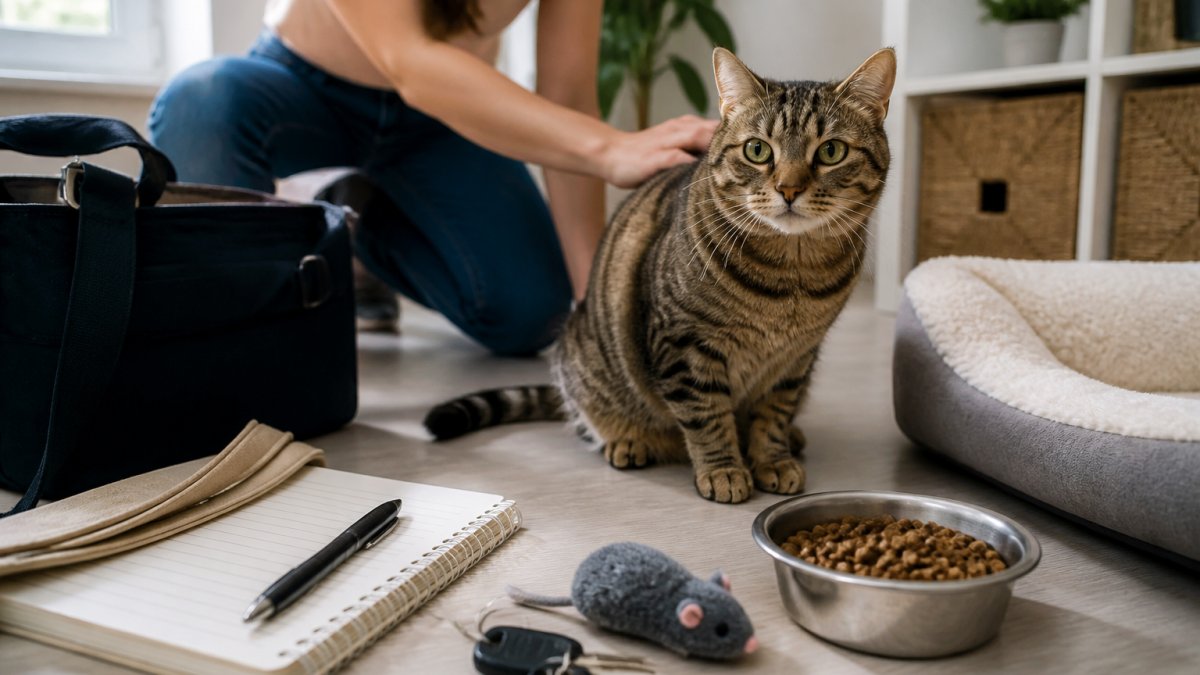
Preparation extends beyond stocking supplies; it includes readying your cat's behavior and mindset for a sitter's arrival. Start by leaving clear written instructions for feeding amounts, medication schedules, and your vet's contact information. Stock enough food, litter, and any medications for the entire time you are away, plus a small buffer in case of delays.
Behavioral Preparation: Getting Your Cat Ready
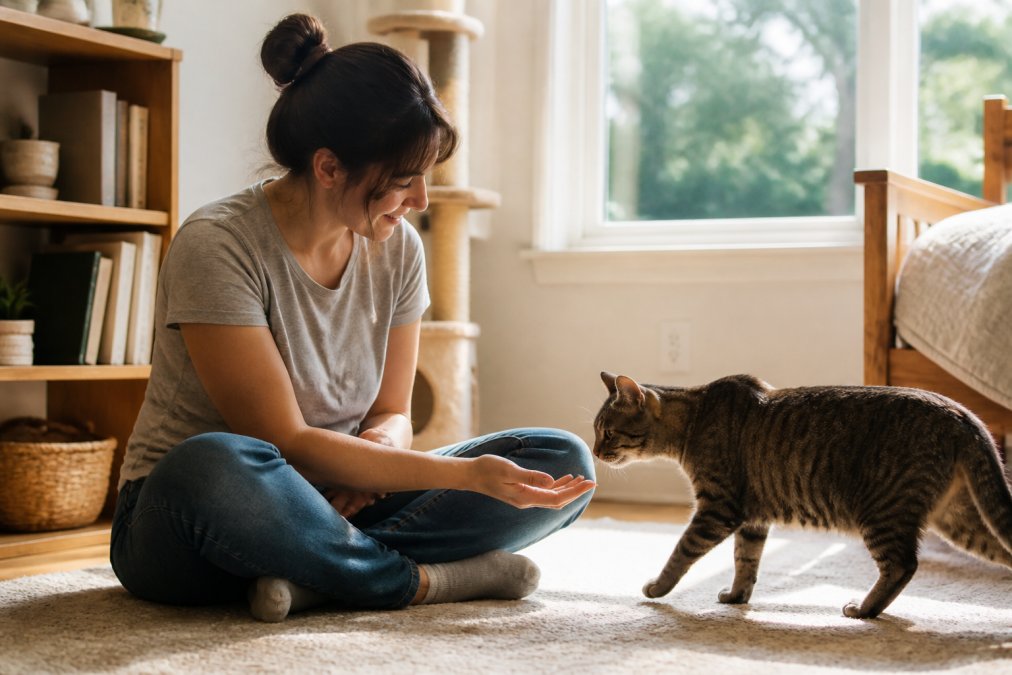
Cats thrive on predictability, so introduce the sitter gradually if possible. Schedule a meet-and-greet visit one to two weeks before your departure, allowing your cat to become familiar with the sitter's voice, scent, and movement patterns. During this visit, have the sitter sit quietly in a common area while your cat explores at their own pace, no forced interaction. This low-pressure introduction significantly reduces stress during actual sitting visits.
If your cat is shy or anxious, consider a second pre-visit to reinforce familiarity. Some sitters recommend leaving an article of the sitter's clothing (a scarf or small blanket) in your home for a few days before travel, so your cat becomes accustomed to their scent. This simple step can ease the transition when the sitter arrives.
Environmental Setup
Set up a designated safe zone where your cat feels secure, with access to food, water, and a clean litter box. Many sitters appreciate knowing where your cat hides or prefers to rest, so they can check on them without causing unnecessary stress. Leave a worn t-shirt or blanket with your scent on it near your cat's sleeping area, familiar smells can ease anxiety while you are gone and provide comfort during visits.
Secure any hazards, such as exposed cords, toxic plants, or medications left on counters. Open a window slightly or use a white noise machine to mask outside sounds that might startle your cat. If your cat is prone to knocking items off shelves when anxious, remove breakables from high surfaces.
Documentation and Communication Setup
Create a one-page cat profile that includes your cat's name, age, personality quirks, favorite toys, and any triggers that cause stress (loud noises, certain handling). Note whether your cat prefers interactive play or quiet companionship, and which toys or treats work best for building rapport. Leave your sitter's contact information, your veterinarian's phone number, and the nearest emergency veterinary clinic's address and hours. Include authorization for emergency medical care and your preferred payment method for any unexpected expenses.
What Makes a Cat Sitter Truly Trustworthy
Credentials separate a professional from someone who simply likes animals. A trustworthy sitter carries proper licensing, bonding, and insurance, and their staff should pass background checks. These protections cover you and your pet if something goes wrong, from an accidental injury to property damage. While it may feel awkward to ask for proof, any legitimate service will provide it without hesitation.
Beyond paperwork, look for a sitter who specializes exclusively in cats. General pet sitters may split their attention across dogs and other animals, while a cat-only provider brings focused knowledge of feline behavior, health, and handling. Verified reviews from other cat owners in your area also offer a reliable window into how a sitter performs in real homes.
Cat-Specific Care: Handling Shy Cats and Medical Needs
Not every cat greets a stranger at the door. Shy or nervous cats require a sitter who understands feline body language and knows when to give space versus when to encourage interaction. A skilled sitter will let the cat set the pace, using treats and quiet voices to build trust over multiple visits. Forcing contact with a scared cat usually backfires, making future visits harder.
Medical needs add another layer of responsibility. Sitters who can administer medication, whether oral pills or twice-daily insulin injections, provide critical support for owners of cats with chronic conditions. Confirm the sitter's experience with your cat's specific needs during the initial consultation, and request a demonstration visit before you leave. Cat health monitoring is part of the job, so a sitter should notice changes in appetite, litter box habits, or energy levels and report them promptly.
Finding the Right Cat Sitter in Amherst
Choosing the best cat sitter in Amherst comes down to matching your cat's personality with a provider who offers verified credentials and genuine feline expertise. Local resources like the American Veterinary Medical Association's pet care guidance emphasize the value of consistent, low-stress environments for pets, which supports the case for in-home care. You can also consult Pet Sitters International's tips for selecting a professional sitter for a checklist of what to verify before booking. For owners who prefer a service that handles everything, the Better Business Bureau's directory of accredited pet services can help confirm a company's standing in the community.
Emergency Contingency Planning: What Happens If Something Goes Wrong
Before you book, ask your sitter about their emergency protocols, a critical question most cat owners overlook. What happens if the sitter becomes ill and cannot make a scheduled visit? A professional service should have a backup sitter on call or a clear protocol for notifying you immediately so you can arrange alternative coverage. If you are hiring an independent sitter, ask for the names and contact information of one or two backup sitters they recommend, and confirm those backups are willing to step in on short notice.
Discuss medical emergencies explicitly. Ask your sitter: "If my cat stops eating, vomits, or seems lethargic during your visit, what is your first action?" The answer should be immediate contact with you and, if you are unreachable, authorization to take your cat to an emergency veterinary clinic at your expense. Provide written consent for emergency care and ensure your sitter has your veterinarian's number and the address of the nearest 24-hour emergency clinic. Many owners find it worthwhile to pre-authorize a specific emergency clinic and leave a credit card on file there, so no time is lost in a crisis.
Confirm that your sitter carries liability insurance, which protects both of you if an accident occurs, a cat escapes, property is damaged, or an injury happens. Ask whether their insurance covers emergency veterinary expenses if the sitter is found liable.
Local Resources and Verification
For cat owners in Amherst, Clarence, East Amherst, Eggertsville, Snyder, and Williamsville, Tracy's Kitty Care provides a cat-only sitting service with background-checked, licensed, bonded, and insured sitters. The focus on cats exclusively means every visit is tailored to feline needs, from gentle play to medication administration. Before finalizing any booking, verify the sitter's credentials directly: ask for proof of bonding and insurance, request references from at least three recent clients in your area, and confirm their background check status with the service or agency.
If you are weighing the cost against boarding, remember that in-home care protects your cat's routine and your home's security, which most owners find justifies the investment. More importantly, a well-vetted sitter with clear emergency protocols gives you peace of mind, knowing that if something unexpected happens, your cat will receive immediate, appropriate care.
Frequently Asked Questions
What is a fair amount to pay a cat sitter?
Professional in-home cat sitting typically costs $30 per 30-minute visit, which includes feeding, fresh water, litter box cleaning, and playtime. Rates vary based on visit frequency, additional services like medication administration, and whether you need overnight stays. Many owners find in-home care worth the investment because their cat stays in a familiar environment, reducing stress compared to boarding facilities.
What should I include in my cat sitting instructions?
Provide detailed written instructions covering feeding amounts and times, medication schedules with administration steps, litter box locations, emergency contact information, your veterinarian's details, and your cat's behavioral quirks. Include photos of your cat, information about hiding spots for nervous cats, and any special routines. Document allergies, health conditions, and the location of first-aid supplies. Clear instructions help your sitter provide consistent, stress-free care.
What are the red flags to look for when hiring a cat sitter?
Avoid sitters who cannot provide background checks, proof of insurance, or bonding. Be wary of those unwilling to discuss their experience with cats or medication administration. Red flags include no written contract, inflexible cancellation policies, poor communication, or reluctance to answer questions about their qualifications. Trustworthy sitters are background-checked, licensed, insured, and bonded, and they'll gladly provide references and explain their safety protocols.
Is it better to board my cat or hire an in-home sitter?
In-home cat sitting is often better for anxious or shy cats because they stay in their familiar environment, reducing stress. Your cat maintains their normal routine, medication schedule, and comfort. Boarding facilities can expose cats to illness and behavioral stress. However, in-home care costs more than some facilities. Consider your cat's temperament, health needs, and your budget. Many cat owners with nervous or special-needs cats prefer the peace of mind that comes with professional in-home care.
Finding the right care for your cat requires asking hard questions and verifying credentials, but the effort pays off in peace of mind. Tracy's Kitty Care offers in-home cat sitting that prioritizes your pet's comfort with vetted, insured sitters who specialize exclusively in felines. Get started with Tracy's Kitty Care and ensure your cat receives trusted, professional attention while you are away.
This article was written using GrandRanker