 blog
Best Cat Care in Clarence NY: In-Home Sitting vs Boarding
Table of Contents
- What Defines the Best Cat Care in Clarence NY
- Cat Boarding vs Pet Sitting: Which Option Reduces Stress
- Cat Sitting Services Amherst NY: What Professional Visits Include
- Medical Care: Wellness Exams, Vaccinations, and Daily Meds
- Vetting Your Provider: Background Checks, Licensing, and Insurance
- How to Prepare Your Home for a Cat Sitter
- Step 1: Create a “Cat Command Center”
- Step 2: Write Down the “Normal” Baseline
- Step 3: Cat-Proof Your Home
- Step 4: Set Up a Safe Room (If You Have Multiple Cats)
- Step 5: Leave Clear, Written Instructions
- Step 6: Do a Final Walkthrough with Your Sitter
- Step 7: Leave a Key and a Backup Plan
- The Unique Angle: Preparing for the Unexpected
- Your Checklist for Choosing a Care Provider
- Conclusion
- Frequently Asked Questions
Last Updated: September 9, 2026
What Defines the Best Cat Care in Clarence NY
Finding the best cat care in Clarence NY comes down to one question: where will your cat be least stressed while you are away? Most cats prefer staying in their familiar territory, and the American Veterinary Medical Association notes that cats are territorial animals that often find unfamiliar environments unsettling.
The best cat care in Clarence NY prioritizes the cat's emotional well-being alongside their physical needs. A true professional understands that a shy cat hiding under the bed is not "being difficult" but signaling genuine distress. At Tracy's Kitty Care, we built our service around this reality, offering in-home visits that keep your cat's routine, scent marks, and safe hiding spots intact.
Cats are not small dogs, and they do not thrive on the same socialization schedule. The best cat care in Clarence NY recognizes feline-specific needs: quiet handling, patience with hiding behavior, and respect for a cat's alone time.
Cat Boarding vs Pet Sitting: Which Option Reduces Stress
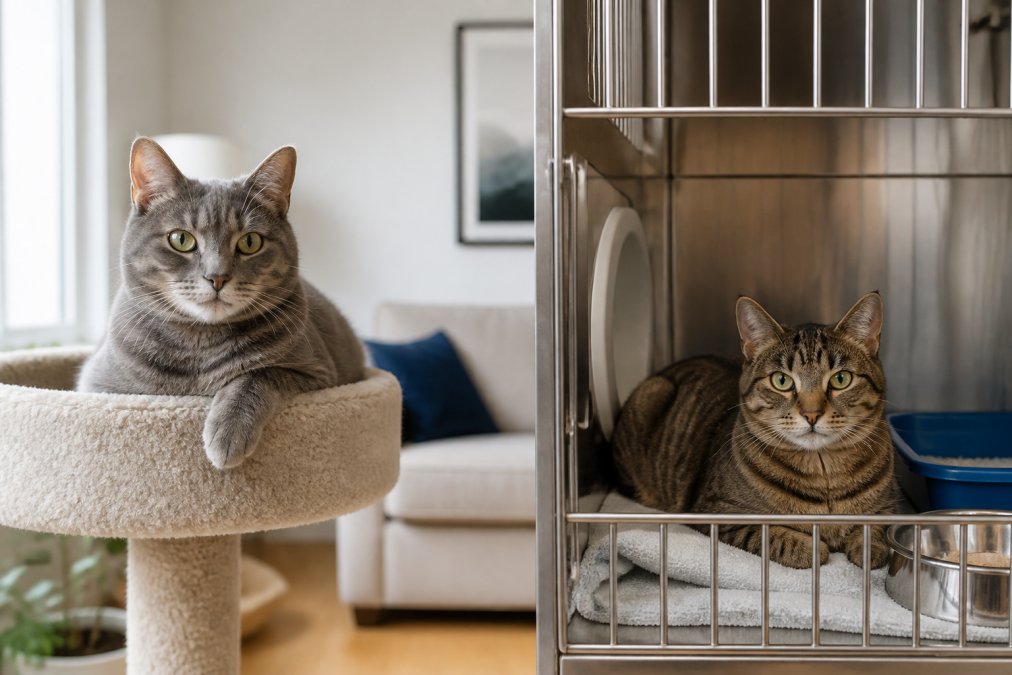
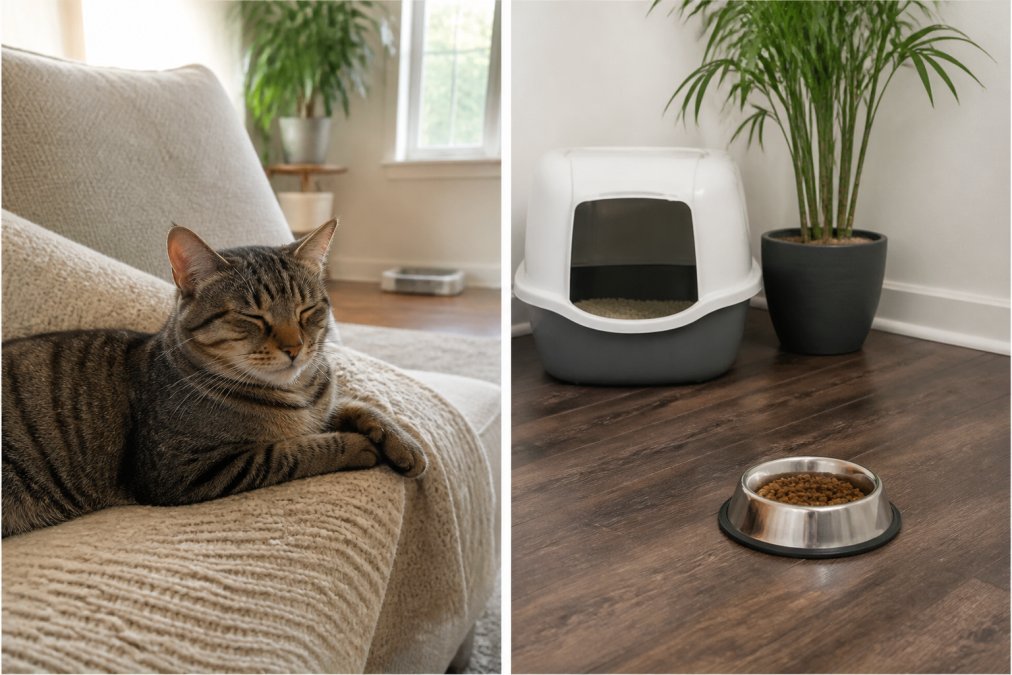
For most cats, in-home pet sitting reduces stress significantly compared to boarding at a facility. Cats are creatures of habit, and removing them from their territory introduces stressors that can suppress their appetite and immune response. A professional sitter maintains your cat's normal routine, which is the single most effective way to keep them calm.
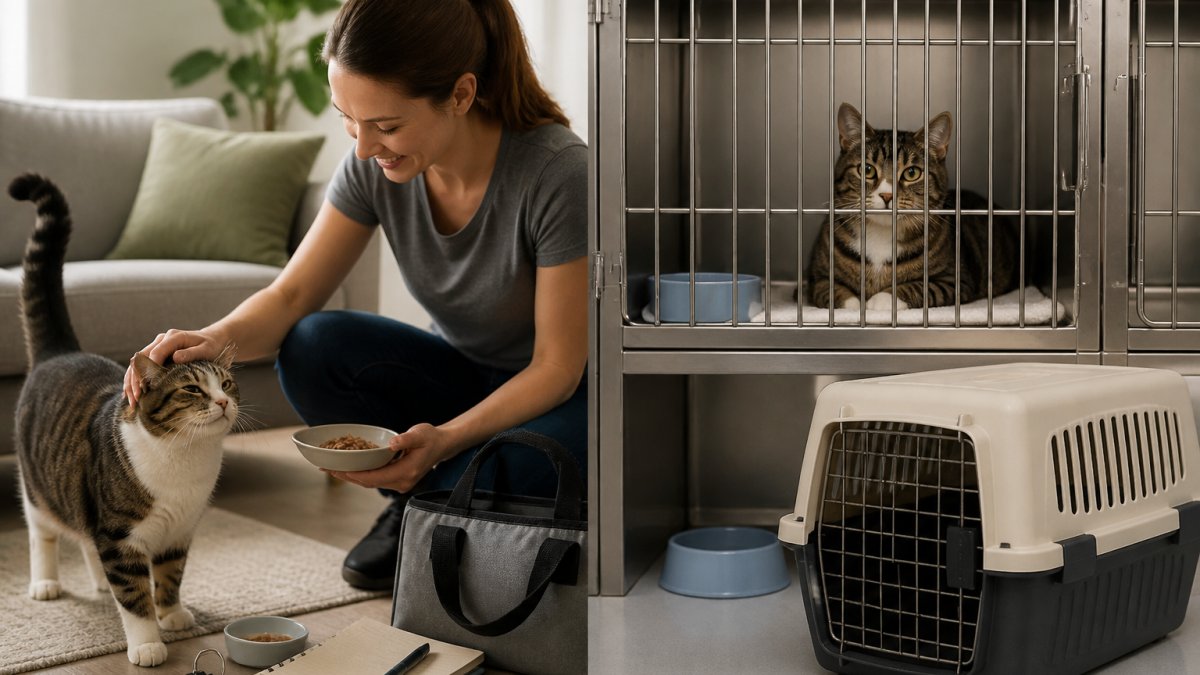
The differences between cat boarding vs pet sitting come down to environment, routine, and attention:
- Environment: Boarding means a new space with unfamiliar smells; sitting means home territory.
- Routine: Boarding follows facility schedules; sitting preserves your cat's exact feeding and play times.
- Attention: Boarding spreads staff across many animals; sitting provides focused, one-on-one care.
- Health risk: Boarding exposes cats to other animals; sitting limits contact to your own pets.
The Cage-Free Boarding Alternative
Some facilities offer cage-free boarding where cats roam in a shared room. This sounds appealing, but it still places your cat in an unfamiliar space with unfamiliar felines. Even the most social cat can find this stressful, and a shy cat may spend the entire stay hidden. Cage-free boarding reduces the confinement problem but does nothing to solve the territorial stress that in-home care eliminates.
Cat Sitting Services Amherst NY: What Professional Visits Include
Most local listings describe a cat sitting visit in vague terms: “feeding, fresh water, and lots of love.” That description would fit a dog walker, a housesitter, or a neighbor. But a professional cat sitter’s visit is structured around feline behavior and safety, and the details matter far more than the duration.
Here is what a truly professional cat sitting visit in the Amherst area includes, broken down by the minutes and the purpose behind each step:
- Arrival and home safety check (first 2-3 minutes): The sitter confirms doors are locked, windows are secure, and no hazards are accessible. They note the temperature and check that your cat’s environment is safe, especially if you have a kitten or a senior cat.
- Litter box assessment (3-5 minutes): A professional does not just scoop; they observe urine clump size, stool consistency, and frequency. A sudden increase in urination or diarrhea can be the first sign of illness. They also note if your cat is straining or avoiding the box entirely.
- Fresh food and water (5-7 minutes): Bowls are washed with soap and water, not just refilled. Food is measured exactly according to your written instructions. Water is changed completely. If your cat eats wet food, the sitter removes any uneaten portion from the previous visit to prevent spoilage.
- Medication or special care (if applicable): Insulin injections, oral meds, or subcutaneous fluids are administered according to your written protocol. The sitter documents the time and any reaction.
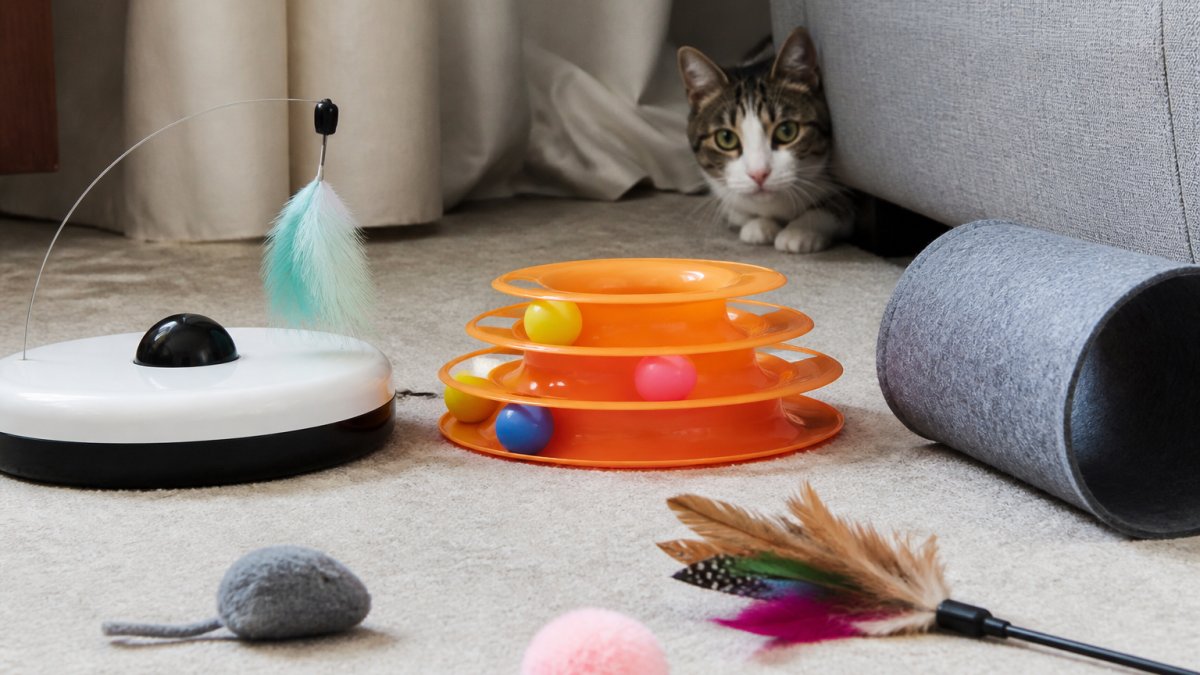
- Focused attention and enrichment (remaining time): For social cats, this means interactive play with wand toys or laser pointers. For shy or senior cats, it means sitting quietly in the room, speaking softly, and letting the cat approach. The sitter notes your cat’s demeanor and appetite.
- Daily report (after the visit): You receive a text or email with a photo, a summary of food and water intake, litter box observations, and any behavior changes. This is not a luxury; it is how a professional keeps you informed and catches problems early.
Why a 30-Minute Visit Is the Industry Standard
Most professional cat sitting services offer 30-minute visits as their base package. That time allows for the essentials plus meaningful interaction without rushing. Some cats do fine with a 20-minute visit, but that leaves little room for observation or for a cat that needs extra patience. For kittens, seniors, or cats on medication, a 45-minute or 60-minute visit is often worth the cost.
The Unique Angle: What Most Local Listings Leave Out
What most local listings never mention is that a professional cat sitter is also your eyes and ears at home. A well-trained sitter will notice a dripping faucet, an open window, or a strange smell, things that could become bigger problems while you are away. They also know the difference between a cat that is simply sleeping and one that is lethargic.
Questions to Ask Before You Book
Before hiring any cat sitting service, ask these specific questions:
- Do you send a report after every visit, including photos?
- How do you handle a missed visit due to weather or an emergency?
- What is your protocol if your cat vomits, refuses to eat, or seems lethargic?
- Do you have a backup sitter if the primary sitter becomes ill?
- Are you comfortable administering medications, and have you been trained?
A service that answers these questions clearly and in writing is far more likely to provide the level of care your cat deserves.
Medical Care: Wellness Exams, Vaccinations, and Daily Meds
Routine wellness exams and vaccinations form the foundation of preventative care. The American Association of Feline Practitioners recommends annual wellness exams for adult cats, with more frequent visits for seniors or cats with chronic conditions. Staying current on these basics means your cat enters any care arrangement in good health.
Beyond routine care, many cats require daily medication that complicates travel plans. Professional cat sitters can administer insulin injections, oral medications, and subcutaneous fluids with proper training. This is where cat boarding vs pet sitting becomes critical: many boarding facilities cannot accommodate cats needing daily medical care, while a trained in-home sitter handles these tasks in your cat's familiar setting.
Dental care also deserves attention. Periodontal disease is one of the most common feline health issues, and regular veterinary dental checkups prevent painful conditions that can affect eating and overall health. If your cat needs nail trimming or dental work, schedule these before your trip so your cat is not recovering from a procedure while you are away.
Vetting Your Provider: Background Checks, Licensing, and Insurance
Professional pet care providers should be licensed, bonded, and insured, with background-checked staff who handle animals daily. These credentials protect you, your property, and most importantly, your cat. A licensed and insured provider carries liability coverage in case of accidents, while bonding protects against property damage.
When evaluating a provider, ask direct questions about their hiring process: Do they run background checks on every sitter? Are sitters employees or independent contractors? What training do they receive for medication administration and emergencies?
Trustworthy providers welcome these questions and answer them specifically. Vague responses about "having insurance" without naming a carrier, or "doing background checks" without describing the process, should raise flags. The best cat care in Clarence NY comes from providers who are transparent about their vetting procedures because they have nothing to hide.
How to Prepare Your Home for a Cat Sitter
Preparing your home for a cat sitter is about more than leaving out a key and a bag of food. Cats are highly sensitive to changes in their environment, and a few simple preparations can make the difference between a calm cat and a stressed one.
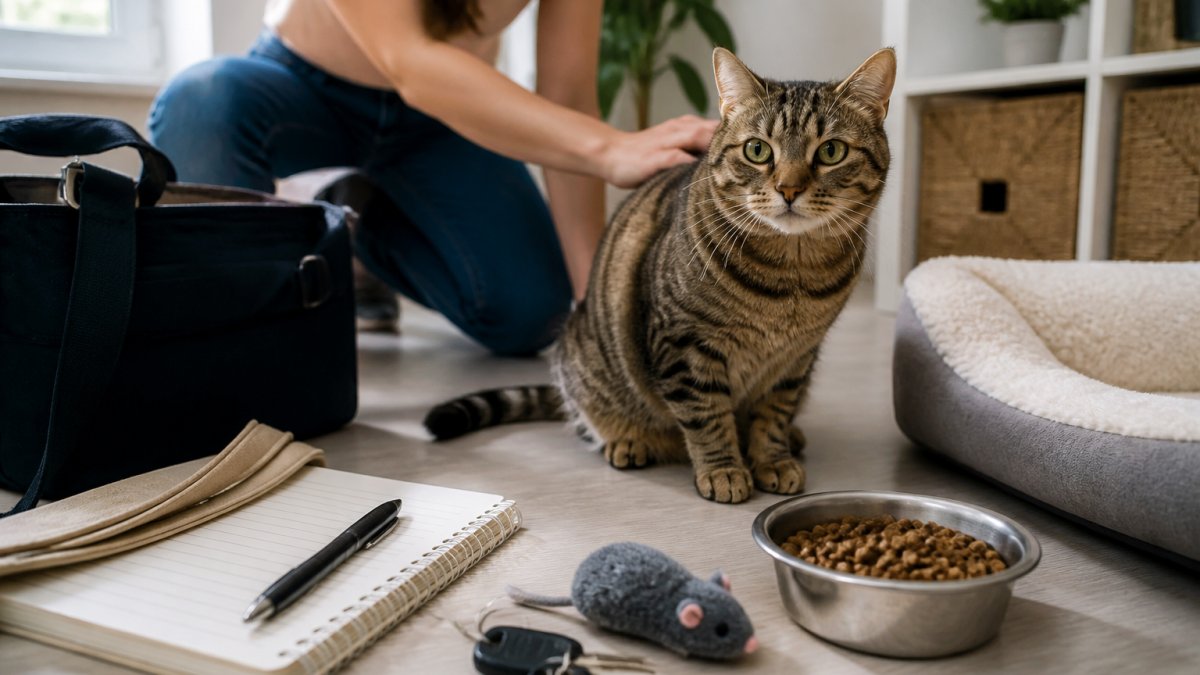
Step 1: Create a “Cat Command Center”
Designate one visible, accessible spot, like a kitchen counter or a mudroom table, for all cat supplies. This prevents the sitter from hunting for food, medications, or toys. Include:
- Food and treats in labeled containers
- Medications with written instructions
- Favorite toys and a familiar blanket or bed
- A spare collar and ID tag
- Your vet’s contact info and an emergency authorization form
Step 2: Write Down the “Normal” Baseline
A professional sitter can only spot problems if they know what “normal” looks like for your cat. Write down:
- How much your cat typically eats and drinks per day
- Normal litter box habits (frequency, clump size, any straining)
- Your cat’s usual hiding spots and activity patterns
- Any quirks, like a fear of loud noises or a dislike of being picked up
This baseline is what allows the sitter to notice subtle changes that could indicate illness.
Step 3: Cat-Proof Your Home
Before you leave, walk through each room at cat level. Look for:
- Loose cords or blinds that could strangle a curious cat
- Toxic plants like lilies, poinsettias, or philodendrons, remove them or move them out of reach
- Open windows without secure screens
- Small objects that could be swallowed
- Cleaning supplies or chemicals left accessible
The ASPCA’s list of toxic plants is a good reference, but a quick visual sweep is essential.
Step 4: Set Up a Safe Room (If You Have Multiple Cats)
If you have more than one cat, consider setting up a safe room with food, water, litter, and a bed. This gives a shy or elderly cat a retreat from a more dominant housemate. Even if your cats normally get along, the absence of an owner can shift dynamics.
Step 5: Leave Clear, Written Instructions
Do not rely on verbal instructions. Type or print out a one-page sheet that includes:
- Feeding schedule and portion sizes
- Medication times and administration methods
- Litter box cleaning frequency and where to dispose of waste
- Emergency contacts (vet, a neighbor, and a family member)
- Your cat’s personality profile and any fears or triggers
Step 6: Do a Final Walkthrough with Your Sitter
If possible, have the sitter come over before your trip. Show them where everything is, introduce them to your cat, and walk through the instructions together. This is also a good time to test your cat’s reaction to the sitter, some cats hide, others are curious. A professional will know how to handle both.
Step 7: Leave a Key and a Backup Plan
Leave a key with the sitter and a backup key with a trusted neighbor or family member. Confirm that the sitter knows how to disarm any security system and where the circuit breaker is in case of a power outage.
The Unique Angle: Preparing for the Unexpected
Most checklists stop at the basics, but a true professional will also ask you to prepare for the unexpected:
- What if your cat escapes when the sitter opens the door? Leave a recent photo and a description of any identifying marks.
- What if a severe storm knocks out power? Show the sitter where flashlights and batteries are kept.
- What if your cat has a medical emergency while you are unreachable? Sign an emergency veterinary authorization form so the sitter can seek treatment without delay.
By preparing for these scenarios, you reduce your own anxiety and give the sitter the tools to handle any situation calmly. The best cat care in Clarence NY is not just about the visit, it is about the preparation that makes it seamless.
Your Checklist for Choosing a Care Provider
Choosing between cat boarding vs pet sitting requires a structured evaluation rather than a gut decision. Use this checklist to compare providers:
| Evaluation Criteria | What to Ask | Why It Matters |
|---|---|---|
| Credentials | Are you licensed, bonded, and insured? | Protects you and your cat |
| Staff vetting | Are all sitters background-checked? | Ensures who enters your home |
| Feline experience | Do you specialize in cats or see all pets? | Cats need different handling |
| Medical capability | Can you administer daily medications? | Critical for diabetic or ill cats |
| Emergency plan | What happens if my cat gets sick? | Confirms clear protocols exist |
| Visit details | What is included in each visit? | Confirms feeding, litter, and attention |
| Communication | Do you send updates after each visit? | Provides peace of mind while away |
For most cat owners, the best cat care in Clarence NY is a professional in-home sitting service that specializes exclusively in felines. A service like Tracy's Kitty Care, with background-checked, licensed, bonded, and insured sitters, offers the lowest-stress option because your cat never leaves home. The American Veterinary Medical Association's guidance on pet travel and boarding reinforces that keeping pets in familiar environments reduces anxiety during owner absences.
Conclusion
Choosing the best cat care in Clarence NY ultimately means choosing the least stressful option for your specific cat. Boarding works for some highly social felines, but most cats fare better with professional in-home visits that preserve their routine and territory. Focus on providers with real credentials, feline-specific experience, and a willingness to handle medical needs if required.
Tracy's Kitty Care brings together everything that matters: background-checked sitters, full licensing and insurance, and a service model built exclusively around cats in the Amherst area. Whether you need cat sitting services Amherst NY residents trust or you are comparing cat boarding vs pet sitting for the first time, start with a service that keeps your cat comfortable at home.
Frequently Asked Questions
How much does professional cat sitting cost compared to boarding?
Professional in-home cat sitting in the Clarence area typically costs around $30 per 30-minute visit, which includes feeding, fresh water, litter box cleaning, and playtime. Boarding facilities often charge a similar daily rate, but they do not include transportation to the facility or the stress of a new environment. For cats needing medication, in-home visits ensure dosing happens on schedule without you driving to a kennel.
How do I find a licensed and insured cat sitter in Clarence NY?
Ask potential sitters directly for proof of licensing, bonding, and insurance before booking. A professional service like Tracy's Kitty Care employs background-checked sitters who are licensed, bonded, and insured. You should also request a meet-and-greet to watch how the sitter interacts with your cat and confirm they have a plan for medical emergencies. Never hire a sitter who hesitates to provide credentials.
What questions should I ask a potential cat sitter?
Ask about their experience with shy or scared cats, how they handle medication administration, and whether they are trained in feline CPR. Also ask how they secure your home during visits and whether they provide updates with photos. A professional sitter will answer these questions clearly without hesitation.
What should I do to prepare my home for a cat sitter?
Leave written instructions for feeding amounts, medication schedules, and your vet's contact information. Set out enough food and litter for the entire absence plus extra in case of delays. Show the sitter where you keep flashlights, thermostats, and security codes. Confirm your cat's favorite hiding spots so the sitter knows where to look, and leave a spare key with a trusted neighbor as a backup.