 blog
How to Choose the Right Cat Sitting Service
Last Updated: October 29, 2026
Quick Summary
Essential cat sitting services cover the daily tasks that keep a cat healthy, fed and calm while you are away, including feeding, fresh water, litter box cleaning and playtime or attention. Choosing the right service means matching visit frequency and medication support to your cat's age and health.
- Core daily tasks are feeding, fresh water, litter box cleaning and playtime or attention.
- Light grooming is available as part of many care plans.
- No cat should go more than 24 hours without a visit.
- Kittens, seniors and cats on medication need no more than 12 hours between visits.
- Ask sitters to demonstrate their medication technique before booking.
Table of Contents
- What Essential Cat Sitting Services Include
- A Tiered Service Checklist for Cat Owners
- How Often Should a Cat Sitter Visit?
- Medication Administration and Health Monitoring
- Visit Plans for Shy, Senior and Special-Needs Cats
- Writing Care Instructions and Emergency Protocols
- Booking Your Cat Sitter: Pricing, Cancellation and Next Steps
- Frequently Asked Questions
What Essential Cat Sitting Services Include
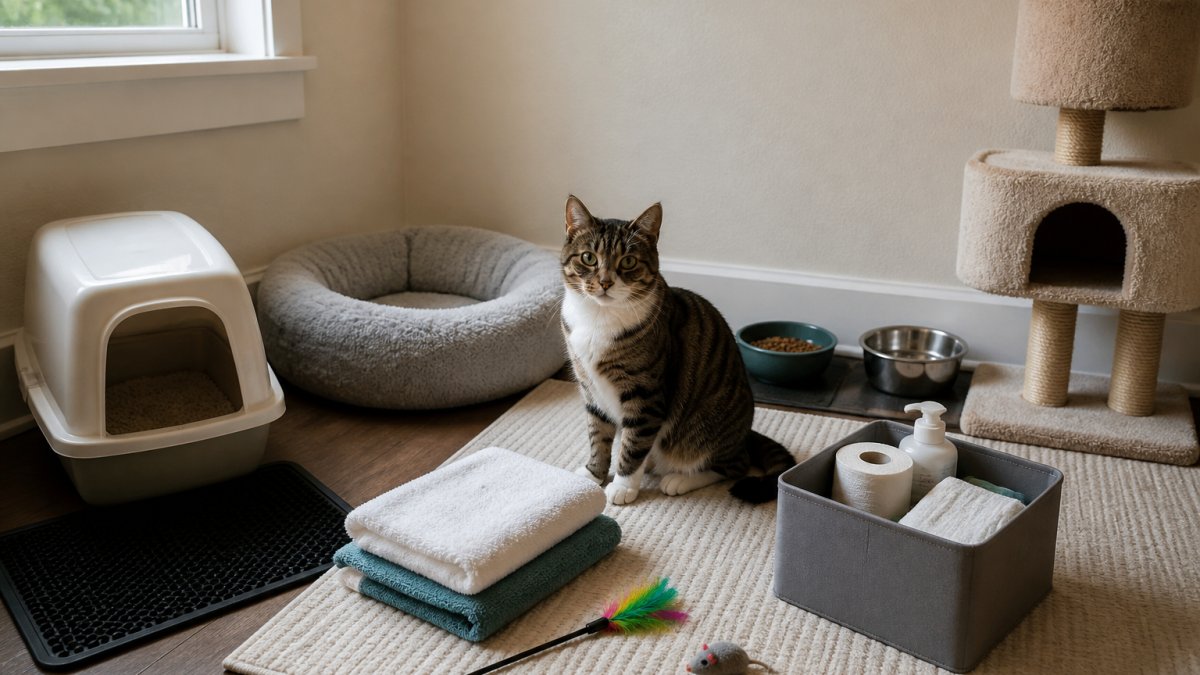
Essential cat sitting services cover the daily tasks that keep a cat healthy, fed and calm while you're away. A sitter's visit can include feeding, fresh water, litter box cleaning and playtime or attention. Most owners searching for essential cat sitting services for pet owners want to know exactly what a visit covers before they book.
At Tracy's Kitty Care, we focus exclusively on cats. Our sitters are background checked, licensed, bonded and insured.
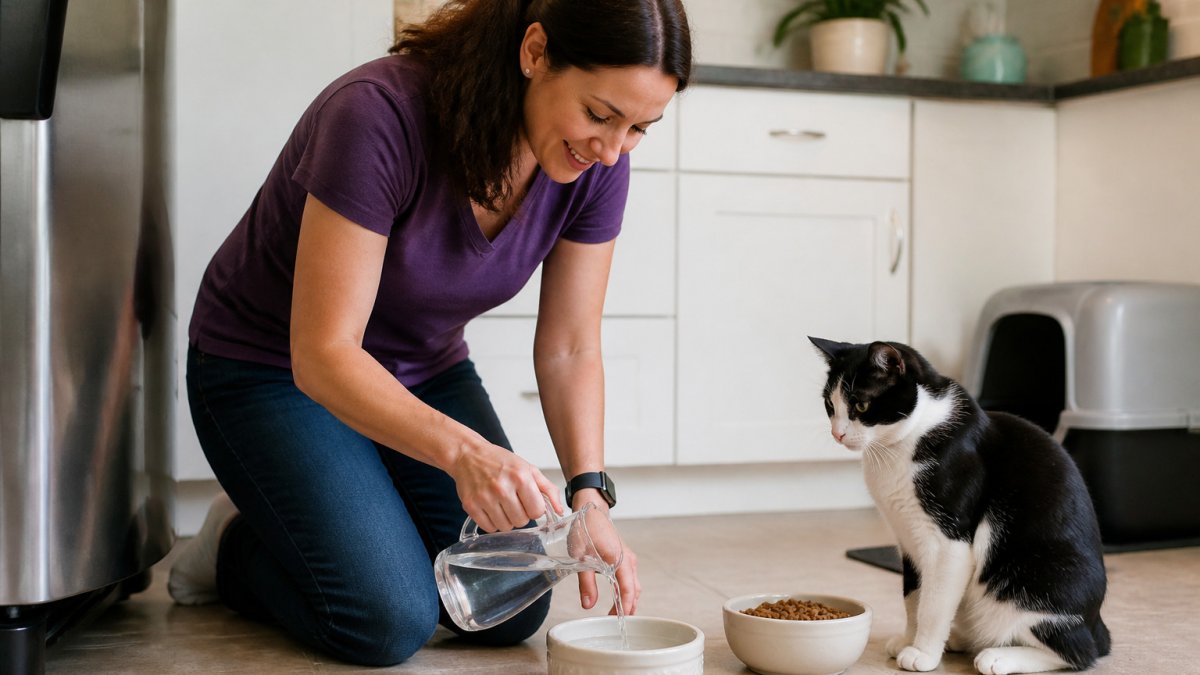
Feeding, Fresh Water and Litter Box Care
Feeding and fresh water are the core of every visit. The service includes feeding and giving fresh water.
Litter box care is equally important. The service includes cleaning litter boxes.
Playtime, Companionship and Grooming
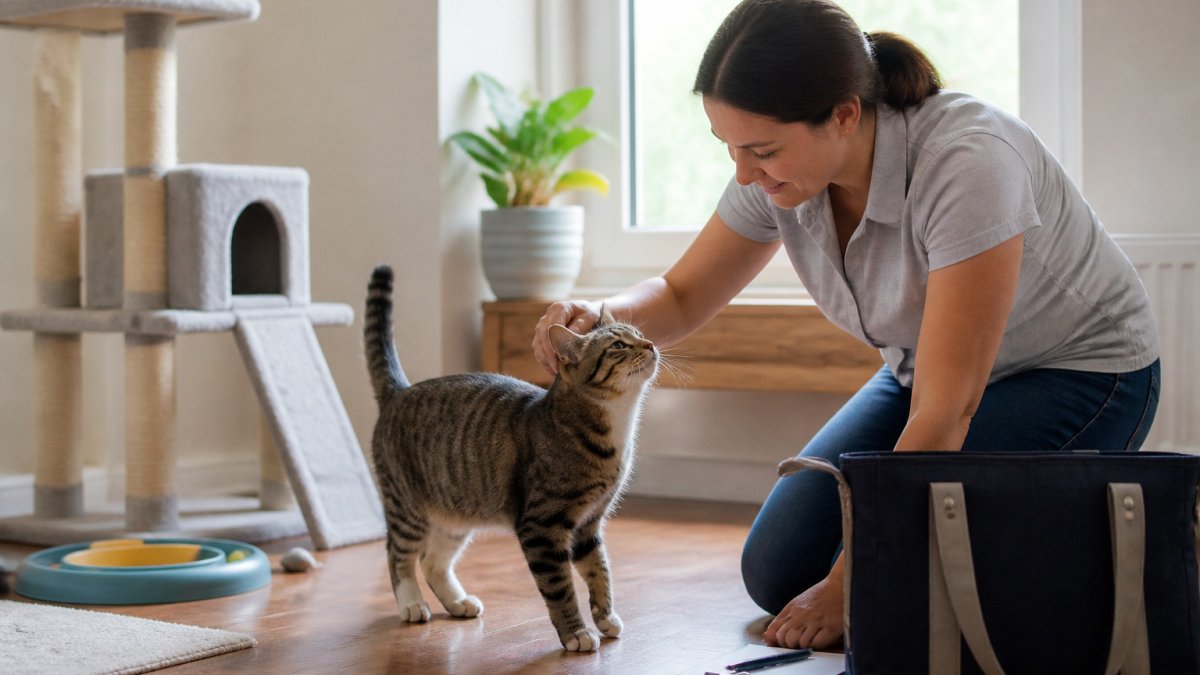
The service includes playtime or attention.
Light grooming, such as a brush through the coat, is available as part of many care plans. It also gives the sitter a chance to spot lumps, skin problems or overgrown nails.
The core daily tasks a cat sitter covers during a visit are summarised below.
| Task | Included in visit | Note |
|---|---|---|
| Feeding | Yes | Core of every visit |
| Fresh water | Yes | Core of every visit |
| Litter box cleaning | Yes | Equally important |
| Playtime or attention | Yes | Companionship |
| Light grooming | Available | Part of many care plans |
A Tiered Service Checklist for Cat Owners
Owners can consider which tasks they need from a cat sitter.
Our cat sitting visit is 30 minutes and includes feeding, fresh water, litter box cleaning and playtime or attention, priced at $30.00 per visit. See our cat sitting service pricing for current details.
How Often Should a Cat Sitter Visit?
Visit frequency is a decision to make based on your cat and the length of your trip.
Visit Frequency by Cat Profile
- Healthy adult cat, short trip (1-3 days): One visit per day is usually sufficient. A 30-minute visit covers feeding, fresh water, litter box cleaning, and a behavior check.
- Healthy adult cat, longer trip (4+ days): One visit per day remains workable for many cats, but two visits per day reduce loneliness and give the sitter a second daily data point on appetite and litter box output.
- Kitten (under 1 year): Kittens eat more frequently and are more prone to mischief. Two visits per day is a common baseline, and some sitters recommend three for very young kittens.
- Senior cat (roughly 11+ years): Two visits per day is often preferred so the sitter can monitor water intake, mobility, and litter box habits more closely. Senior cats can decline quickly, and a once-daily check may miss early warning signs.
- Cat with medical needs (diabetes, thyroid, kidney disease, post-surgical): Follow your veterinarian's schedule. Insulin-dependent cats typically require two visits per day timed to their injection schedule. Medication timing, not convenience, should drive the plan.
- Anxious or shy cat: More frequent visits are not always better. A shy cat may be stressed by repeated stranger entry. Discuss whether one longer visit or two shorter visits suits your cat, and consider a meet-and-greet before the first booking.
- Multi-cat household: Count the litter boxes. The common guideline is one box per cat plus one, and each box needs scooping at every visit. Two cats on one daily visit is often fine; four or more cats may justify two visits per day for litter and feeding management.
Trip Length and the 24-Hour Rule
A useful planning rule: no cat should go more than 24 hours without a visit. For most healthy adult cats, that means at minimum one visit per day. For kittens, seniors, and cats on medication, plan on no more than 12 hours between visits.
If you will be away longer than a week, schedule a mid-trip check-in call or video update in addition to written visit reports. This is also the point to confirm backup arrangements in case your sitter has an emergency.
What to Confirm Before You Book
Before booking, ask what tasks are included in a visit.
Our visit is 30 minutes. See our cat sitting service pricing for current rates.
Medication Administration and Health Monitoring
Medication is where cat sitting gets serious. A missed dose, a wrong dose, or a delayed call about a side effect can turn a routine trip into an emergency. The sections below give you a concrete handoff process and a monitoring standard you can hold any sitter to.
Confirm the Sitter's Medication Experience Before Booking
Sitters are not veterinarians, and their scope varies. Before you book, confirm experience with the specific form of medication your cat needs:
- Pills and capsules: pill pockets, manual pilling, or pill guns.
- Liquids: syringes, measuring accuracy, and refrigeration requirements.
- Transdermal gels: ear application and glove use.
- Injections: insulin or other injectables, including syringe handling and sharps disposal.
- Inhalers: spacer and mask technique for cats with asthma.
Ask the sitter to demonstrate or describe their technique. A sitter who has never given an inhaler to a cat should not learn on your cat during your trip.
The Written Medication Plan
Every medication booking should include a written plan. At minimum, it should state:
- Drug name, strength, and form.
- Dose and route (by mouth, in ear, injection).
- Exact timing and whether it must be given with food.
- Storage requirements (refrigerate, keep dry, protect from light).
- What to do if a dose is missed or vomited.
- Known side effects to watch for.
- Your veterinarian's name, clinic phone, and after-hours emergency clinic phone.
- Your authorization for emergency care and a dollar limit, if any.
Health Monitoring: What a Sitter Should Record
Health monitoring is not just giving medicine. A professional sitter records the same observations at every visit so changes are visible over time:
- Appetite: how much was eaten, and whether food was left untouched.
- Water intake: whether the bowl was refilled and roughly how much was consumed.
- Litter box: number of urinations and bowel movements, consistency, and any blood, straining, or unusual odor.
- Energy and behavior: hiding, vocalizing, grooming changes, limping, or unusual aggression.
- Medication: time given, dose given, and any difficulty or spit-out.
Ask for these notes in writing after each visit, along with a photo. Timestamped updates and photos are the simplest accountability mechanism available to owners, and they create a record you can share with your veterinarian if something changes.
Emergency Authorization and Protocol
For practical technique, our guide to administering liquid medication to cats covers handling and restraint, and our guide to choosing a sitter for medication lists the questions to ask before you book.
Visit Plans for Shy, Senior and Special-Needs Cats
Not every cat fits the same routine. Shy cats may need the sitter to avoid direct eye contact and let the cat come forward. Senior cats may need softer food, more frequent water checks, and extra attention to mobility. Cats with ongoing conditions need plans that follow their veterinarian's instructions.
Share your cat's age, health history, temperament and any triggers for stress when you book. For cats with complex medical needs, our guide to sitting for medically complex cats explains how to build a plan around ongoing care.
Writing Care Instructions and Emergency Protocols
Clear written instructions protect your cat and make the sitter's job easier. A useful care sheet includes feeding amounts, medication details, favorite toys, hiding spots, your vet's contact information and an emergency contact who can make decisions if you are unreachable.
Use this simple template:
Cat name: ___ Age/health notes: ___ Feeding: ___ Water: ___ Medication: ___ Litter box notes: ___ Play preferences: ___ Vet name and phone: ___ Emergency contact: ___ Authorized to seek emergency care up to $___: Yes / No
Agree on an emergency protocol in advance. Decide which signs mean a call to you, which mean a call to the vet, and which mean going straight to an emergency clinic.
Booking Your Cat Sitter: Pricing, Cancellation and Next Steps
Ask about the services included and the sitter's policies on scheduling and cancellation. Tracy's Kitty Care offers a referral program with free visits.
Tracy's Kitty Care provides in-home cat sitting in the Amherst area with background-checked, licensed, bonded and insured sitters.
Frequently Asked Questions
What services should a cat sitter provide?
A cat sitting visit at Tracy's Kitty Care is a 30-minute service at $30.00 per visit and includes feeding, giving fresh water, cleaning litter boxes and playtime with attention. Ask any sitter to confirm in writing exactly which tasks are included so there are no surprises when you return.
How often should a cat sitter visit while you're away?
Most healthy adult cats do well with one visit per day, which covers feeding, fresh water and litter care. Cats with medication schedules, older cats or cats that need extra monitoring may need two visits a day, spaced to match dosing times. Trips longer than a few days also benefit from a visit where the sitter checks appetite, behavior and the litter box so you hear about changes early.
Can a cat sitter administer medication?
Yes, but only if the sitter has experience with medication administration and you give clear written instructions. Provide the drug name, dose, timing, method (pill, liquid or injection), storage needs and what to do if a dose is missed. Confirm the sitter's comfort level before booking, and make sure they know who to call if your cat refuses medication or shows an adverse reaction.
How do I choose a reliable cat sitter?
Look for sitters who are background checked, bonded and insured.